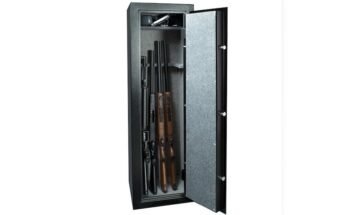
You’ve invested in a rifle safe to protect your firearms, but have you thought about what happens when a flood strikes? Water damage can destroy more than just your home—it can ruin your valuable guns too.
So, can rifle safes really keep your firearms safe from floods? If you want to make sure your investments stay protected no matter the weather, keep reading. This article will reveal what you need to know to choose the right safe that stands up to water and keeps your rifles secure.
Flood Risks For Rifle Safes
Floods pose a serious threat to any valuable items stored in a home, including rifles. Many people wonder if rifle safes can protect firearms against flood damage. Understanding flood risks helps in choosing the right safe and placement for firearm storage. Floodwater can cause damage beyond just wet surfaces. It can ruin metal parts, wood, and electronics inside the safe. Knowing how floods impact rifle safes is important for gun owners living in flood-prone areas.
Common Flood Scenarios
Floods often happen due to heavy rain, river overflow, or storm surges. Water can rise quickly and enter basements or ground floors. Many homes have safes stored in these low areas. Floodwater may stay for hours or days, increasing damage risk. Sometimes, water carries mud and debris, which can harm the safe’s exterior. Sudden flash floods leave little time to move valuables. These common scenarios show why flood protection for safes matters.
Impact On Firearm Storage
Water can seep into a rifle safe if it is not fully waterproof. This causes rust on metal parts and damage to wooden stocks. Moisture also harms ammunition stored inside. Electronics like biometric locks may stop working after water exposure. Even safes with good fire resistance may fail against water. Mold and mildew growth can occur inside a damp safe. The longer the exposure, the worse the damage. Proper flood protection must be a priority for gun owners.
Rifle Safe Materials And Flood Resistance
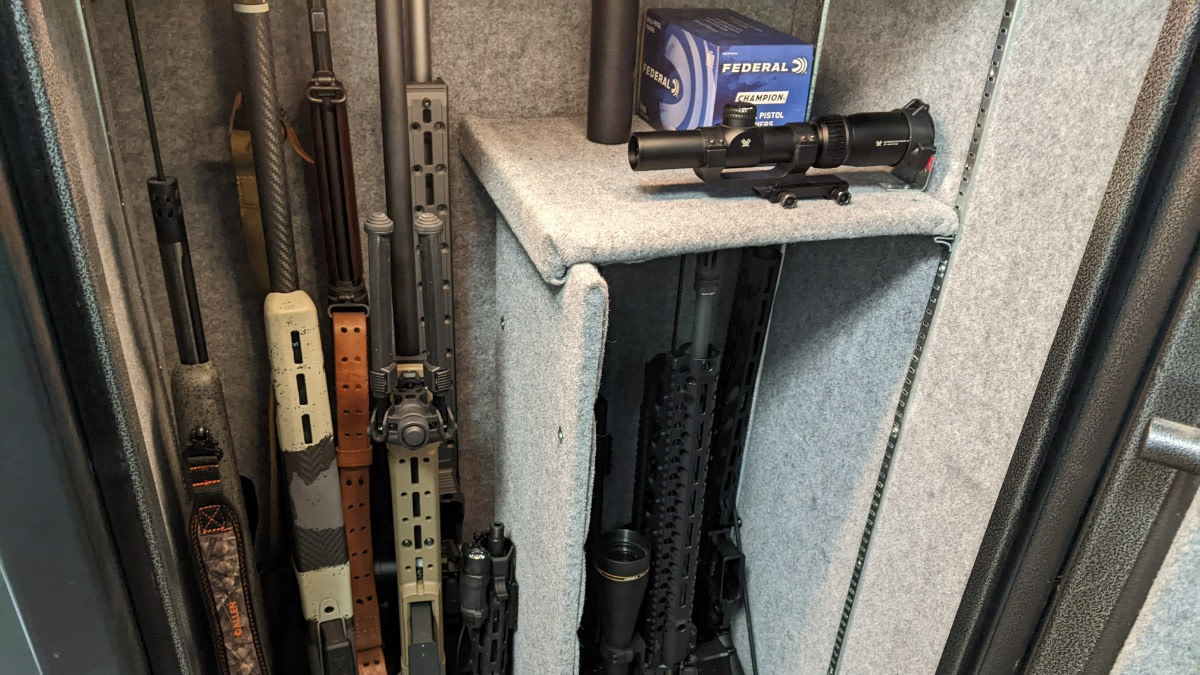
Rifle safes must protect guns from many risks. Floods can damage firearms and safe materials. The choice of materials affects flood resistance. Some materials block water better than others. Understanding safe materials helps pick the best flood protection.
Steel Vs Composite Construction
Steel is strong and durable. It can resist water better than many materials. Steel safes often have thicker walls. This helps keep water out during floods. Composite safes use layered materials. They may include concrete, wood, or plastic. These layers add fire protection but may absorb water. Over time, moisture can damage composites. Steel safes usually offer better flood resistance. But heavy flooding can still cause problems.
Waterproof Seals And Gaskets
Seals and gaskets stop water from entering safes. Good safes have tight, waterproof seals around doors. These seals prevent floodwater from seeping inside. Rubber gaskets are common for water resistance. They need to be intact and well-fitted. Worn or damaged seals let water in easily. Some safes feature extra sealing technology. This adds another layer of protection. Proper seals are key to flood defense.
Design Features That Enhance Flood Protection
Rifle safes need special design features to protect against floods. These features keep your firearms dry and safe from water damage. Understanding these elements helps you choose the right safe for flood-prone areas.
Design features focus on stopping water entry and managing moisture inside the safe. The right design also prevents rust and mold, preserving your rifles and valuables.
Elevated Bases And Drainage
Elevated bases lift the safe above ground level. This helps avoid direct contact with flood water. Some safes have built-in feet or stands to raise them.
Drainage systems allow water to escape if it enters the safe. These channels prevent water from pooling inside. Proper drainage reduces the risk of water damage over time.
Both features work together to keep the interior dry during floods.
Locking Mechanisms And Water Tightness
Strong locking mechanisms help seal the safe tightly. High-quality safes use rubber gaskets around doors to block water.
Water-tight locks prevent water from seeping through the edges. This seal also protects against dust and humidity.
Look for safes with tested water resistance ratings. These ratings show how well the safe can keep water out during floods.
Testing And Certification Standards
Testing and certification standards ensure rifle safes meet safety and durability claims. These standards show if a safe can resist floods or water damage. Manufacturers use these tests to prove their products protect firearms from harsh conditions. Understanding these standards helps buyers choose the right flood-resistant safe.
Flood Resistance Ratings
Flood resistance ratings measure how well a safe holds up against water. These ratings show the safe’s ability to prevent water entry for a set time. Ratings include details like depth of submersion and time duration. A higher rating means the safe can resist stronger floods. Look for safes with ratings from trusted testing organizations.
Industry Testing Protocols
Industry testing protocols follow strict steps to check flood resistance. Safes are submerged in water under controlled conditions. Tests verify if water seeps inside or damages the lock and seals. Experts record the time until failure or water penetration. These tests help ensure safes meet safety promises before sale.
Maintenance Tips For Flood-resistant Safes
Maintaining a flood-resistant rifle safe is key for long-term protection. Proper care keeps seals intact and prevents water damage. Regular checks and prompt action after floods help your safe perform better.
Regular Seal Inspection
Check the safe’s seals at least twice a year. Look for cracks, hardening, or gaps. Replace damaged seals to keep water out. Clean seals gently with a damp cloth to remove dirt. Avoid harsh chemicals that can break down the seal material.
Post-flood Safe Care
After a flood, dry the safe quickly. Use towels to remove water from the exterior. Open the door to air out the inside. Avoid using heat sources that can warp the safe. Inspect the seals and locking mechanism for damage. Call a professional if you see rust or corrosion. Early care stops long-term problems.
Alternatives For Flood Protection
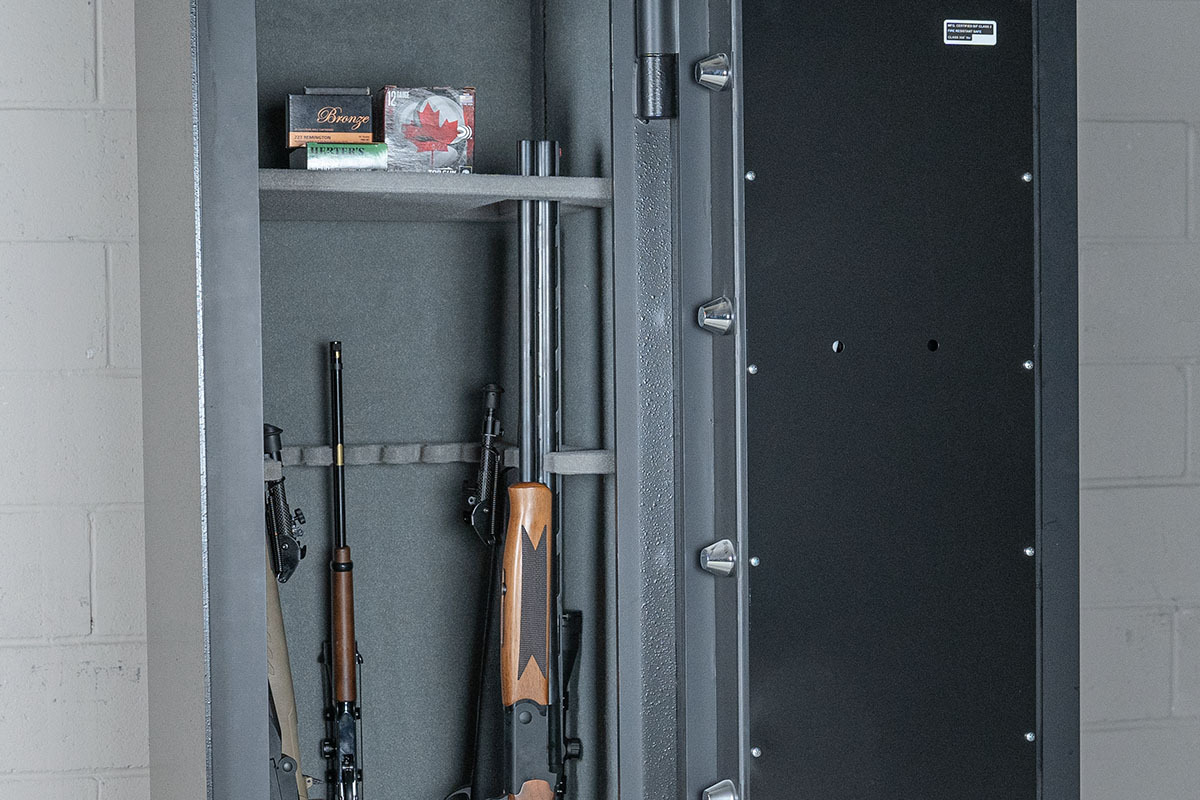
Floods pose a serious risk to rifle safes. Most safes cannot fully protect firearms from water damage during heavy flooding. Choosing alternatives for flood protection helps keep rifles safe and dry. These options add extra security beyond regular safes.
Elevated Storage Solutions
Placing rifle safes above flood levels reduces water damage risk. Shelves or platforms keep safes off the ground. This simple step helps avoid direct contact with floodwater. Choose sturdy materials that resist moisture and weight. Elevation works well in basements or low areas prone to flooding.
Portable Waterproof Containers
Waterproof cases offer flexible protection during floods. These containers seal tightly and keep water out. They allow easy transport of rifles to safe locations. Look for cases with strong locks and padding inside. Portable containers protect firearms even if the safe floods.
Choosing The Right Safe For Flood Zones
Picking a rifle safe for flood-prone areas needs careful thought. The right safe protects your firearms from water damage and theft. It should handle local weather and flood risks well.
Not all safes resist water or flooding. Some safes offer good security but fail to keep water out. Others protect against water but may lack strong locking systems. Finding a balance is key.
Assessing Local Flood Risks
Check your area’s flood history and maps. Know how often floods happen and their severity. This helps decide the level of water resistance needed for your safe.
Consider flood depth and water type, like fresh or saltwater. Saltwater can cause more damage. Also, think about flood duration, which affects safe materials.
Balancing Security And Water Resistance
Strong locks and thick walls keep thieves out. But waterproof seals and materials keep water out. Choose a safe that combines both features well.
Look for safes with a high water resistance rating. Some safes offer protection for hours under water. This can save your firearms during floods.
Space matters too. Enough room inside helps store firearms and important documents safely. A well-designed interior keeps items dry and organized.

Frequently Asked Questions
Can Rifle Safes Protect Guns During Floods?
Rifle safes offer limited flood protection. Most safes are water-resistant, not waterproof. For flood safety, choose safes with waterproof seals and elevated placement.
What Features Make A Rifle Safe Flood-resistant?
Flood-resistant safes have waterproof seals, rust-proof materials, and elevated bases. These features prevent water entry and corrosion during flooding.
Are Fireproof Rifle Safes Also Floodproof?
Not necessarily. Fireproof safes focus on heat protection but may lack waterproof seals. Check manufacturer specs for flood protection details.
How Can I Improve My Rifle Safe’s Flood Protection?
Place your safe above flood levels and add waterproof liners. Regularly check seals and maintain rust inhibitors for added flood defense.
Conclusion
Rifle safes can protect guns from many dangers, but floods are tough. Not all safes are built to stop water from getting inside. Choosing a safe with waterproof features helps keep rifles dry. Elevating the safe off the floor adds extra protection.
Regular checks and maintenance keep the safe working well. Protecting your rifles takes more than just a strong safe. Think about your home’s flood risk and prepare wisely. Stay safe and keep your rifles secure no matter what.