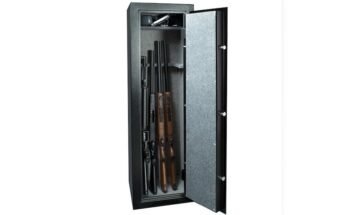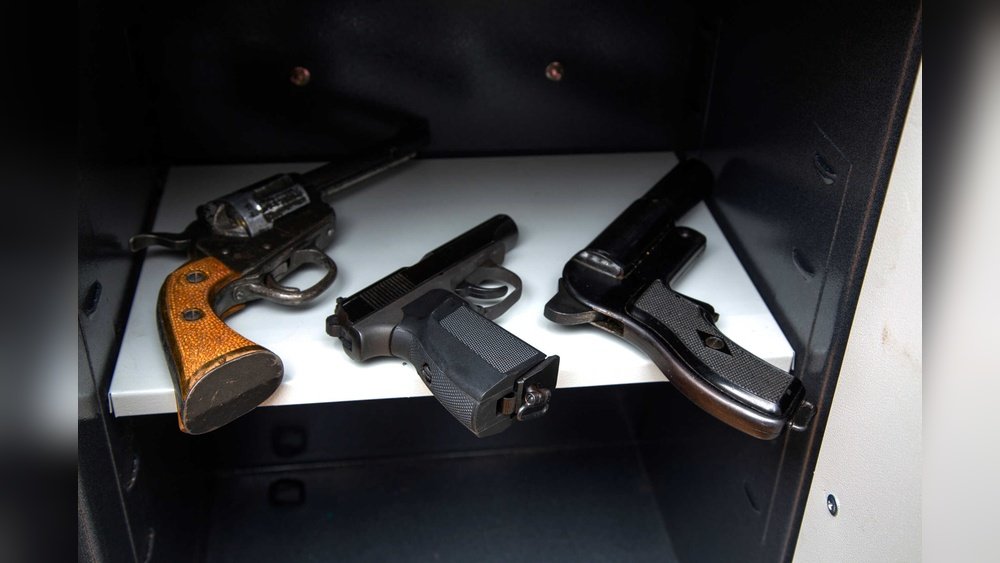
Have you ever wondered if your rifle safe can rust? You might think that because it’s made of metal and built tough, it’s safe from damage.
But rust can sneak in quietly, threatening your valuable firearms and the investment you’ve made to protect them. Understanding how and why rust forms on your rifle safe is key to keeping your guns secure and in perfect condition. Keep reading, and you’ll discover simple yet powerful ways to prevent rust and ensure your safe stays strong for years to come.

Rifle Safe Materials
Steel rifle safes can rust if exposed to moisture over time. Many safes use powder coating or stainless steel to resist rust. Proper care and dry storage help keep safes rust-free.
Common Metals Used
Rifle safes are mainly made from different metals. Steel is the most common metal for rifle safes. It is strong and protects guns well. Some safes use aluminum, which is lighter but less strong. A few safes include stainless steel, known for its durability. The choice of metal affects the safe’s weight and security.
Metal thickness also matters. Thicker metal means better protection. Most rifle safes use steel sheets from 12 to 14 gauge. Thicker steel can resist break-ins and damage better.
Rust Resistance Levels
Not all metals resist rust equally. Steel can rust if exposed to moisture. That means safes in damp places may develop rust over time. Aluminum does not rust but can corrode in salty or acidic conditions.
Stainless steel offers the best rust resistance. It contains chromium, which blocks rust formation. Many high-end safes use stainless steel to stay rust-free longer. Some safes have a powder-coated finish to protect the metal from rust. This coating adds a layer of defense against moisture and scratches.
Proper care and placement can reduce rust risks. Keeping your safe dry and clean helps protect the metal. Rust can weaken the safe and damage your firearms inside.
Causes Of Rust In Safes
Rust is a common problem for rifle safes. It can damage the metal and weaken the safe’s structure. Understanding what causes rust helps protect your safe better. Several factors contribute to rust formation on safes.
Humidity And Moisture
High humidity levels cause moisture to settle on metal surfaces. Water reacts with iron in the metal, causing rust. Even small amounts of moisture inside the safe can start this process. Keeping the safe dry is essential to prevent rust.
Environmental Factors
Places near the ocean have salty air that speeds up rusting. Pollution and chemicals in the air can also damage metal. Cold temperatures with condensation create wet spots on the safe. The environment plays a big role in rust development.
Poor Ventilation
Lack of airflow traps moisture inside the safe. Without fresh air, humidity rises and stays high. Poor ventilation creates a perfect space for rust to form. Proper airflow helps keep the safe dry and rust-free.
Signs Of Rust And Corrosion
Rust and corrosion can damage rifle safes over time. Early signs help you protect your safe and its contents. Watch for small changes on the metal surface. These changes can grow into bigger problems.
Visible Rust Spots
Rust spots look like small brown or orange patches. They appear on metal parts of the safe. These spots may start tiny but spread quickly. Check corners and edges where moisture hides. Rust spots mean metal is breaking down.
Metal Discoloration
Discoloration shows as dull or faded areas on metal. The metal may look darker or stained. This change often happens before rust spots form. Discoloration signals moisture is affecting the metal. Pay attention to any color changes on your safe.
Structural Damage Indicators
Corrosion weakens the metal structure over time. Look for dents, bubbles, or flaking paint. These signs mean metal is losing strength. Doors may become hard to close or lock. Structural damage can make your safe unsafe.
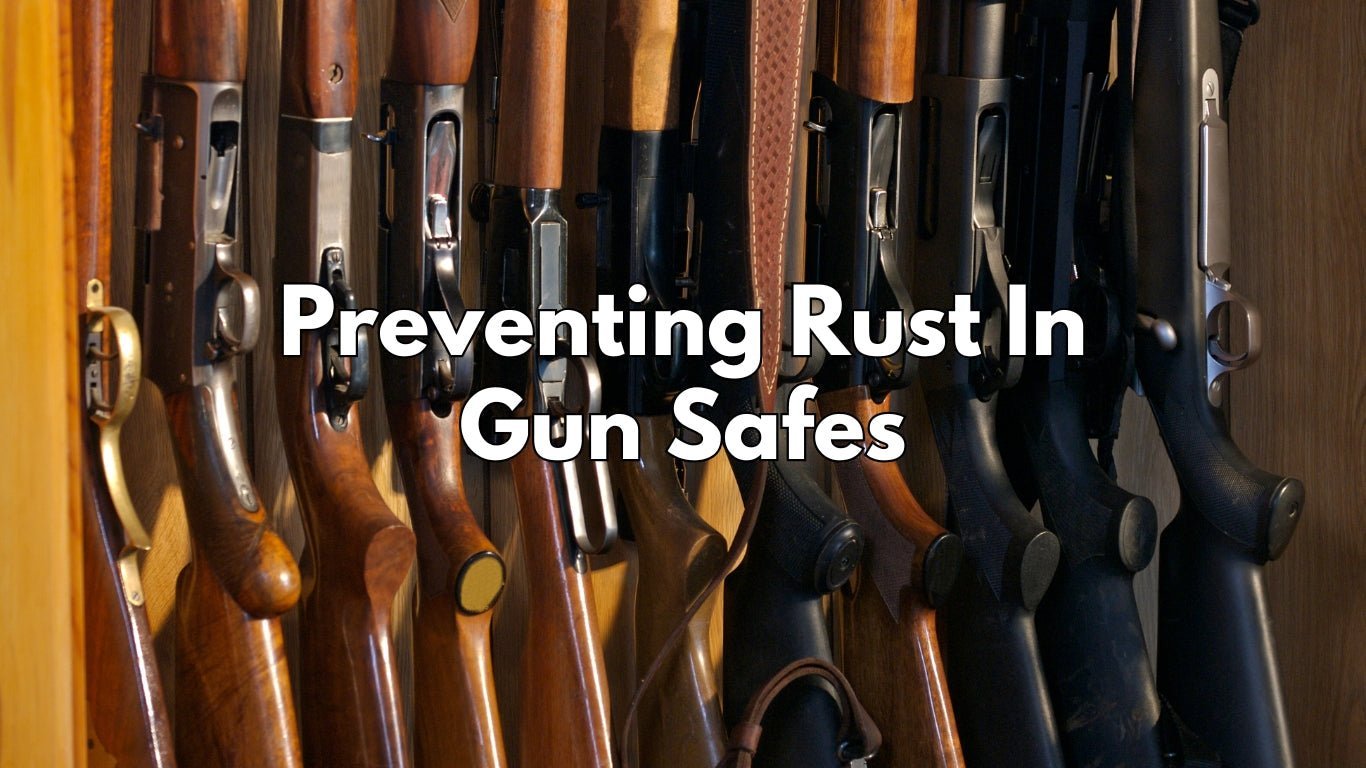
Preventing Rust In Rifle Safes
Preventing rust in rifle safes is essential for protecting your firearms. Rust can damage the metal parts of your guns and reduce their value and safety. Keeping your safe dry and well-maintained stops rust from forming. Simple steps help keep your rifle safe in good condition for years.
Control Indoor Humidity
Humidity is the main cause of rust inside a rifle safe. Keep the room dry by using a dehumidifier. Monitor humidity levels with a hygrometer. Aim for less than 50% humidity to prevent moisture build-up. Avoid placing your safe in damp basements or near water sources.
Use Of Desiccants
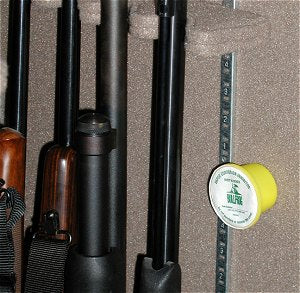
Desiccants absorb moisture and reduce humidity inside the safe. Silica gel packs are a popular choice. Replace them regularly to keep them effective. Desiccants are affordable and easy to use. They help keep your firearms dry and rust-free.
Proper Ventilation Techniques
Good airflow inside the safe lowers moisture levels. Avoid sealing the safe completely airtight. Small vents or moisture-absorbing pads improve ventilation. Open the safe door occasionally to air it out. Proper ventilation prevents rust and keeps your guns safe.
Applying Protective Coatings
Protective coatings shield metal surfaces from rust. Use gun oil or rust inhibitors on your firearms. Apply a thin layer inside the safe on metal parts. These coatings stop moisture from touching the metal. Regular maintenance with coatings extends your gun’s life.
Maintenance Tips
Maintaining a rifle safe helps keep it rust-free and durable. Simple care steps can stop rust and protect your firearms. Regular attention to the safe ensures it stays in good shape.
Regular Cleaning Routines
Clean your rifle safe often. Wipe down the inside and outside with a soft cloth. Remove dust and moisture. Use mild soap and water if needed. Dry the safe completely after cleaning. This stops rust from forming on metal parts.
Inspecting For Early Damage
Check the safe for signs of rust or damage regularly. Look at hinges, locks, and corners closely. Catching rust early helps prevent bigger problems. Fix small rust spots before they spread. Keep an eye on humidity inside the safe too.
Rust Removal Methods
Use fine steel wool or a soft brush to remove light rust. Apply a rust remover product for tougher spots. Follow product instructions carefully. After removing rust, dry the area well. Apply a protective coating to stop rust from returning.
Choosing Rust-resistant Safes
Choosing a rust-resistant rifle safe is important to protect your firearms. Rust can damage your guns and reduce their value. A safe that resists rust keeps your rifles in good condition for years. This section covers materials and features that help prevent rust.
Safe Material Choices
Steel is the most common material for rifle safes. Some types resist rust better than others. Stainless steel does not rust easily. It stays strong even in humid places. Powder-coated steel also offers good protection. The coating acts like a shield against moisture and air. Avoid safes made with thin metal. They can corrode faster and break down.
Protective Features To Look For
Look for safes with rust-proof coatings or paint. These layers block moisture from reaching the metal. Some safes have weather seals to keep water out. Built-in dehumidifiers reduce moisture inside the safe. This stops rust before it starts. Tight door seals also protect against humidity. Choose safes with these features to keep guns dry and safe.
Frequently Asked Questions
Can Rifle Safes Rust Over Time?
Yes, rifle safes can rust if exposed to moisture or humidity. Proper ventilation and using dehumidifiers help prevent rust.
What Causes Rust In Rifle Safes?
Rust forms when metal reacts with water and oxygen. High humidity, water leaks, or poor air circulation cause rust in safes.
How To Prevent Rust In A Rifle Safe?
Keep the safe dry and ventilated. Use silica gel packs or dehumidifiers inside the safe to absorb moisture.
Does Rust Affect The Safety Of Rifles?
Rust can damage rifles by corroding metal parts. It compromises firearm performance and reduces their lifespan if untreated.
Conclusion
Rifle safes can rust if not cared for properly. Moisture and humidity cause rust to form over time. Keep your safe dry and clean to avoid damage. Use a dehumidifier or moisture-absorbing packets inside the safe. Regular checks help catch rust early before it spreads.
Protect your rifles by maintaining your safe well. Rust does not have to ruin your safe or guns. Simple steps can keep your safe safe and strong. Take care today to avoid problems tomorrow.