Have you ever wondered if your rifle safe is truly secure? You’ve invested in a safe to protect your firearms, but can it really keep intruders out?
Understanding whether rifle safes can be broken into is crucial for your peace of mind and the safety of your valuables. You’ll discover the weaknesses thieves look for and how to strengthen your defense. Keep reading to find out what you need to know to keep your rifles safe and secure.
Types Of Rifle Safes
Rifle safes come in different types, each with unique locking methods. Choosing the right safe depends on your security needs and convenience. Understanding these types helps you decide which safe suits you best.
Mechanical Lock Safes
Mechanical lock safes use a dial to open. You turn the dial to the correct numbers in order. They do not need batteries or electricity. These safes are reliable but slower to open. Picking the lock can be hard but not impossible.
Electronic Lock Safes
Electronic lock safes use a keypad for access. You enter a code to unlock the safe. They open faster than mechanical locks. Battery power is required to operate the keypad. If batteries die, you might need a backup key.
Biometric Safes
Biometric safes use fingerprints to unlock. They offer quick access and good security. Only registered fingerprints can open the safe. Some models combine biometrics with backup codes. They are more expensive but very user-friendly.

Common Break-in Methods
Rifle safes are designed to protect valuable firearms. Still, criminals use various methods to break into them. Understanding these common break-in methods helps improve safe security. Thieves often choose the easiest way to get inside quickly.
Lock Picking Techniques
Lock picking is a skill many burglars learn. Simple safes with basic locks are vulnerable to this method. Thieves use tools like tension wrenches and picks to turn the lock. They apply slight pressure to feel the lock’s pins. Skilled pickers can open a lock within minutes. High-quality locks make picking much harder.
Forceful Entry Tactics
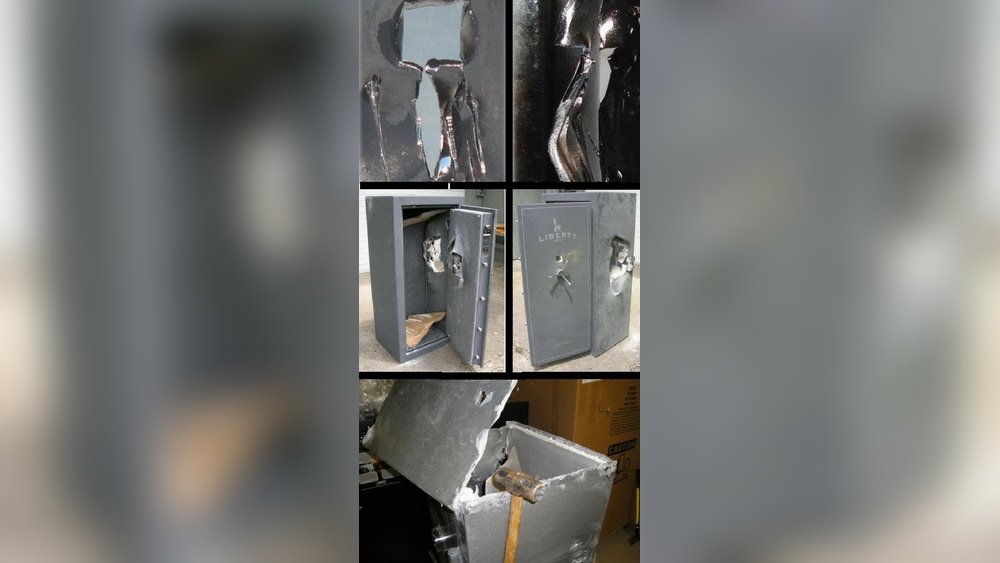
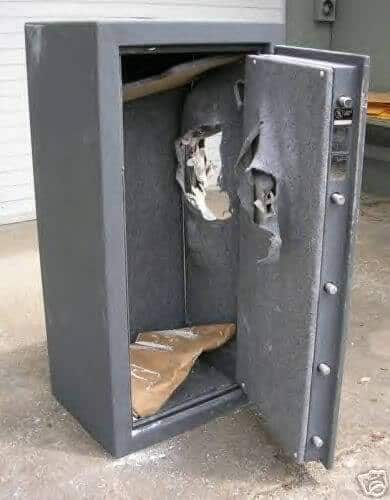
Forceful entry means using strength or tools to break the safe. This method includes prying, drilling, or hammering. Thieves try to find weak spots around hinges or locks. Heavy-duty safes resist these attacks better. Still, given enough time, force can defeat many safes. Fast entry often requires power tools or explosives.
Bypassing Electronic Systems
Modern safes often use electronic locks for convenience. Thieves may try to bypass these systems by hacking or short-circuiting. Some attempt to reset the lock or use default codes. Electronic failures can also allow easier access. Keeping software updated and using strong codes helps prevent this.
Weaknesses In Rifle Safes
Rifle safes offer protection for firearms, but they have weak points. Understanding these weaknesses helps in choosing the right safe and using it correctly. Some safes are easier to break into than others. Knowing where safes fail shows how thieves exploit these flaws. This section explains common weaknesses in rifle safes.
Material Vulnerabilities
Many rifle safes use thin steel to cut costs. Thin metal bends or cuts easily with basic tools. Some safes have gaps or weak spots at the seams. These spots allow prying or drilling attacks. Cheap materials make safes less secure and easier to break.
Lock Mechanism Flaws
Not all locks offer the same security. Simple locks can be picked or forced open quickly. Electronic locks may fail if batteries die or wires break. Some safes use outdated lock designs that skilled thieves know well. Weak locks reduce the overall safety of the rifle safe.
Installation Issues
Poor installation leaves safes vulnerable to removal. If not anchored properly, a thief can carry the safe away. Bolts that are too short or placed in weak surfaces fail easily. Correct installation is as important as the safe’s build. Bad setup turns a strong safe into an easy target.
Real-life Break-in Cases
Real-life break-in cases reveal weaknesses in some rifle safes. These stories help us understand how thieves target gun owners. They show that no safe is completely foolproof. Learning from actual incidents helps improve security.
Notable Incidents
In one case, burglars used power tools to pry open a rifle safe. The safe had basic locks but weak hinges. The thieves gained access within minutes. Another incident involved a stolen safe removed entirely from the home. The safe was heavy but not bolted down. Thieves carried it away and cracked it later. Some break-ins happened because owners left codes or keys in easy spots. These mistakes made it simple for criminals to get inside.
Lessons Learned
Strong locks and solid construction matter the most. Bolting safes to the floor or wall prevents removal. Avoid sharing access codes or keys with many people. Changing codes regularly improves safety. Investing in safes with multiple security features helps. Using alarms and cameras also deters thieves. Owners must stay alert and update protection methods. Safe does not mean invincible, but it can slow down criminals.
Enhancing Safe Security
Enhancing the security of your rifle safe is key to protecting your firearms. Simple safes can be vulnerable to break-ins. Improving the safe’s defenses helps keep your guns secure and out of reach from thieves.
There are several ways to boost safe security. Focus on upgrading the locks, strengthening the safe’s structure, and placing the safe wisely. These steps reduce the risk of unauthorized access.
Upgrading Locks
Basic locks are easier to pick or break. Choose high-quality locks like biometric or electronic keypad models. These locks offer better protection and faster access for you.
Change old locks regularly. Stronger locks slow down thieves and increase safe security. Use locks with anti-drill and anti-tamper features for extra safety.
Reinforcing Safe Structure
Thin steel walls are weak points in many safes. Look for safes made with thicker, solid steel. Reinforce corners and door edges to prevent prying or cutting.
Consider adding internal plates or concrete fill inside walls. This makes breaking in much harder. Reinforced safes resist physical attacks better and keep contents safe.
Proper Safe Placement
Where you put your safe matters. Place it in a hidden or hard-to-reach spot. Avoid common locations like closets or garages that thieves check first.
Secure the safe to the floor or wall. Anchoring prevents thieves from carrying the whole safe away. Combine good placement with other security measures for best results.

Preventing Unauthorized Access
Preventing unauthorized access to your rifle safe is crucial for safety. A secure safe reduces the risk of theft and accidents. Taking simple steps helps keep your firearms protected from unwanted hands.
Access Control Tips
Choose a safe with strong locks and solid construction. Use a combination lock or biometric scanner for added security. Keep your access codes or keys private and change them regularly. Limit the number of people who know how to open the safe.
Regular Maintenance
Check your safe often for signs of wear or damage. Lubricate locks and hinges to keep them working smoothly. Repair or replace broken parts immediately. A well-maintained safe is harder to break into.
Alarm And Monitoring Systems
Install alarms that sound if the safe is tampered with. Use security cameras to watch the safe area. Remote monitoring helps you react quickly to any threats. These systems add an extra layer of protection.
Choosing The Right Rifle Safe
Choosing the right rifle safe is important for protecting your firearms. A good safe keeps guns secure from theft and unauthorized use. It also offers peace of mind. Picking the best safe means balancing security, features, and cost. Understanding what to look for helps you make the best choice.
Security Ratings To Consider
Security ratings show how strong a safe is. Look for safes tested by trusted labs. Ratings like UL (Underwriters Laboratories) or TL-15 mean the safe resists break-ins for a set time. Higher ratings mean better protection. Choose a safe with a rating that fits your needs.
Features That Matter
Some features add extra security and convenience. A good locking system is key. Electronic locks offer quick access, while mechanical locks do not need batteries. Thick steel walls and doors resist cutting and drilling. Fire protection is also important. Look for safes with fire-resistant ratings.
Budget Vs. Protection
Price affects safe quality and security. Cheaper safes may be easier to break into. Higher-priced safes usually have better materials and locks. Decide how much risk you can accept. Investing more can mean better protection for your rifles. Balance your budget with the level of security you need.
Frequently Asked Questions
Can Rifle Safes Be Easily Broken Into?
Rifle safes provide strong protection but are not completely break-proof. Skilled criminals with the right tools may breach some safes. High-quality safes with thick steel and advanced locking systems reduce break-in risks significantly.
What Tools Do Burglars Use To Break Rifle Safes?
Burglars commonly use pry bars, drills, and cutting torches to break into rifle safes. However, modern safes often feature reinforced steel and anti-drill plates to prevent such attacks. Investing in a reputable safe minimizes vulnerability to these tools.
How Can I Improve My Rifle Safe’s Security?
Enhance security by choosing a safe with heavy steel walls and a reliable locking system. Anchor the safe to the floor or wall to prevent removal. Also, consider alarm systems and surveillance for added protection.
Are Biometric Rifle Safes Safer Than Traditional Ones?
Biometric safes offer quick, keyless access using fingerprint recognition. They add convenience but may be vulnerable to electronic hacking or mechanical failure. Combining biometric locks with strong physical barriers ensures better security.
Conclusion
Rifle safes add an important layer of protection. No safe is completely unbreakable. Strong materials and good locks slow down thieves. Placing your safe in a hidden spot helps too. Regular maintenance keeps locks working well. Think about your needs before choosing a safe.
Protecting your rifles takes effort and smart choices. Stay aware and keep your firearms secure at all times.