Have you ever wondered if you can move a rifle safe all by yourself? It’s a question many gun owners ask when faced with the challenge of relocating heavy, bulky safes.
Moving a rifle safe isn’t just about strength—it’s about safety, planning, and the right techniques. If you’re thinking about doing it alone, you need to know what to expect and how to prepare. Keep reading to discover practical tips and expert advice that will help you move your rifle safe with confidence and avoid costly mistakes.

Assessing The Safe’s Weight And Size
Knowing the weight and size of a rifle safe is key before moving it alone. These factors decide how hard the task will be. A heavy or large safe might need more help or tools to move safely. It also helps to plan the best way to handle the move.
Start by finding clear details about your safe’s weight and size. This makes it easier to judge if one person can manage the move. Understanding these details protects you and the safe from damage.
Checking Manufacturer Specifications
Look for the manufacturer’s label or manual. These usually list the exact weight and dimensions. This info is the most accurate and reliable. It often includes the safe’s height, width, depth, and weight in pounds or kilograms. Use these numbers to decide if you can move it alone.
If you bought the safe online, check the product page. Many sellers share weight and size details there. Write down or save this information for your move.
Estimating Weight Without Tools
No scale? No problem. You can guess the weight by comparing the safe to objects you know. For example, a small rifle safe might weigh about as much as a full refrigerator. A larger safe can weigh as much as a car tire or more.
Also, feel the weight when you try to lift one corner. This gives a rough idea of the total weight. Use caution and do not strain yourself. If the safe feels too heavy, ask for help or use equipment like dollies.
Preparing The Path And Environment
Moving a rifle safe alone is tough. Preparing the path and environment helps make this task safer and easier. A clear path and protected surfaces reduce risks of damage and injury. Careful planning saves time and effort during the move.
Clearing Obstacles And Narrow Spaces
Start by removing furniture or items blocking the path. Check for rugs or cords that may cause tripping. Measure doorways and hallways to ensure the safe fits. Create enough space to turn and carry the safe smoothly. Clear narrow areas to avoid scraping the safe or walls.
Protecting Floors And Walls
Use blankets or cardboard to cover floors along the path. This prevents scratches and dents from the heavy safe. Place corner guards or padding on walls near tight spots. Protect door frames and baseboards from accidental bumps. Taking these steps keeps your home intact during the move.
Essential Tools For Moving Alone
Moving a rifle safe alone needs careful planning and the right tools. These tools help protect you and your safe from damage. They also make the job easier and safer. Using proper equipment reduces the risk of injury and accidents. Let’s explore key tools that help when moving a rifle safe alone.
Using Furniture Dollies And Straps
Furniture dollies are small platforms with wheels. They allow you to roll the safe instead of carrying it. This reduces strain on your back and arms. Place the safe on the dolly carefully. Use strong moving straps to secure the safe. Tighten the straps to prevent shifting during movement. Straps also help you hold the safe steady. Moving with a dolly and straps saves energy and keeps control.
Leveraging Moving Blankets And Gloves
Moving blankets protect the safe from scratches and dents. Wrap the safe tightly with thick blankets. This cushioning absorbs shocks and bumps. Gloves protect your hands from rough surfaces and sharp edges. Choose gloves with good grip and padding. They improve your hold on the safe. Using blankets and gloves prevents damage and keeps you safe.
Proper Lifting Techniques To Avoid Injury
Moving a rifle safe alone can be tough and risky. Proper lifting techniques help protect your body. Using correct methods lowers injury risk. Focus on safe moves to keep your back and muscles safe. This guide covers simple ways to lift and move safely.
Safe Body Mechanics
Stand close to the safe with your feet shoulder-width apart. Bend your knees, not your back. Keep your back straight and chest out. Use your legs to lift, not your back. Hold the safe close to your body. Avoid twisting your body while lifting. Move smoothly and slowly to keep balance. Take breaks if you feel tired. Good posture helps prevent muscle strain.
When To Use Lifting Aids
Use lifting aids for heavy or bulky safes. Dollies, straps, and sliders help reduce effort. These tools protect your body from strain. Ask for help if the safe is too heavy. Lifting aids make moving safer and easier. Avoid lifting alone if the safe weighs over 100 pounds. Proper tools reduce accidents and injuries. Always check equipment before use to ensure safety.
Step-by-step Moving Process
Moving a rifle safe alone is tough but possible with the right steps. Careful planning and the right tools make the task safer and easier. Following a clear process helps protect your safe and prevents injury. Here’s a simple guide to move your rifle safe by yourself.
Positioning The Safe On Moving Equipment
Start by choosing strong moving equipment like a heavy-duty dolly. Place the safe close to the dolly. Tilt the safe carefully and slide the dolly underneath. Secure the safe to the dolly using straps or ropes. Make sure the safe stands straight and does not wobble. This setup helps you move the safe smoothly without dropping it.
Navigating Stairs And Doorways Solo
Approach stairs slowly and keep the safe balanced. Use stair clamps on the dolly if you have them. Move one step at a time to avoid slipping. For doorways, measure the space before moving. Tilt the safe slightly if needed to fit through tight spots. Take breaks if you feel tired. Safety comes first when handling heavy objects alone.

Safety Precautions During The Move
Moving a rifle safe alone requires careful attention to safety. Taking the right precautions can prevent accidents and damage. Focus on securing the safe and watching your physical limits. These steps help make the move safer and easier.
Securing The Safe To Prevent Shifting
Make sure the safe is tightly closed and locked. Use straps or ropes to keep the safe steady. Fasten it well to the moving device or dolly. This stops the safe from tipping or sliding during the move. Check the straps often to keep them tight. A stable safe reduces the risk of injury and damage.
Monitoring Physical Strain And Fatigue
Pay close attention to your body while moving the safe. Stop and rest if you feel tired or sore. Overexertion can cause muscle strain or falls. Take breaks to avoid fatigue and keep control. Use proper lifting techniques and keep your back straight. Listening to your body helps prevent injury during the move.
When To Call For Professional Help
Moving a rifle safe alone can be risky and difficult. Knowing when to get professional help is key. Professionals have the tools and experience to move safely. This section explains signs that show it is time to call experts.
Recognizing Limits Of Solo Moving
Rifle safes are heavy and bulky. One person may not handle the weight safely. Straining to lift or carry can cause injury. Tight spaces and stairs make it harder. If the safe feels too heavy or awkward, stop. Risk of damage to floor or walls rises. Listen to your body’s warning signs. Avoid moving alone if the safe is very heavy or large. Safety must be your top priority.
Choosing Reliable Moving Services
Professional movers offer experience with heavy items. They use special equipment to protect your safe and home. Check reviews and ask for recommendations. Confirm they have insurance for valuable items. Clear communication helps avoid surprises. A trusted service saves time and stress. Let experts handle tough moves for better results.

Frequently Asked Questions
Can One Person Move A Rifle Safe Alone?
Yes, one person can move a rifle safe, but it depends on its weight and size. Smaller safes are manageable, but larger ones may require tools or help for safety.
What Tools Help One Person Move A Rifle Safe?
Dollies, furniture straps, and moving blankets help one person move a rifle safe. These tools protect the safe and make lifting easier and safer.
Is It Safe For One Person To Move A Heavy Rifle Safe?
Moving a heavy rifle safe alone can be risky. Proper lifting techniques and equipment are essential to avoid injury and damage to the safe.
How Much Does A Typical Rifle Safe Weigh?
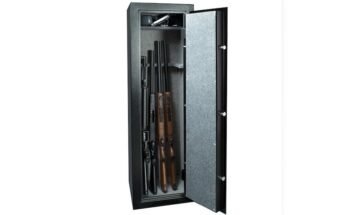
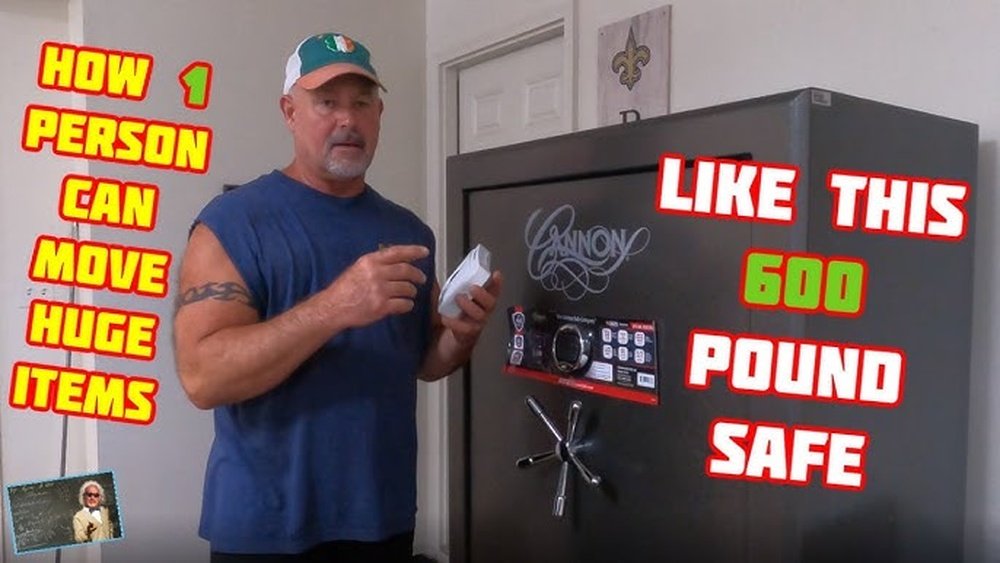
A typical rifle safe weighs between 200 to 600 pounds. Weight varies based on size, construction, and security features, affecting how easy it is to move.
Conclusion
Moving a rifle safe alone can be tough and risky. It needs strength, planning, and care. Using tools like dollies or straps helps a lot. Think about the safe’s weight and size first. Safety matters most to avoid injury or damage.
Sometimes, asking for help is the best choice. Take your time and move slowly. Doing it right keeps your safe and home protected. Safe moving is possible with the right steps and caution.