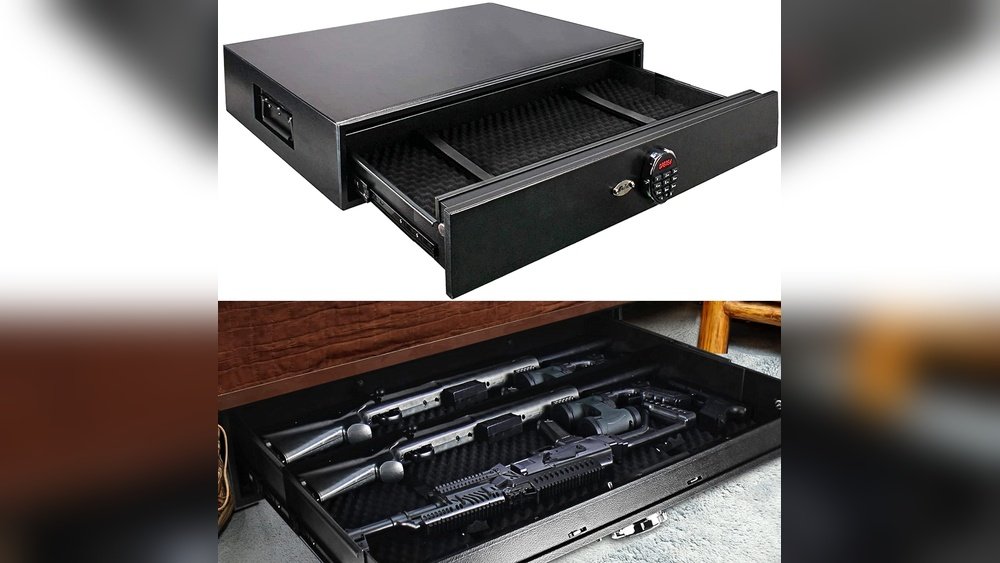
Are you thinking about upgrading your under-bed safe for better security? You might wonder, “Can I use a biometric lock on an under-bed safe?”
This question is more important than you think. Using a biometric lock could make accessing your valuables faster and more secure, but there are key details you need to know before making the switch. Keep reading, and you’ll discover how biometric locks work with under-bed safes, the benefits they offer, and what to watch out for.
By the end, you’ll feel confident about the best way to protect what matters most to you.
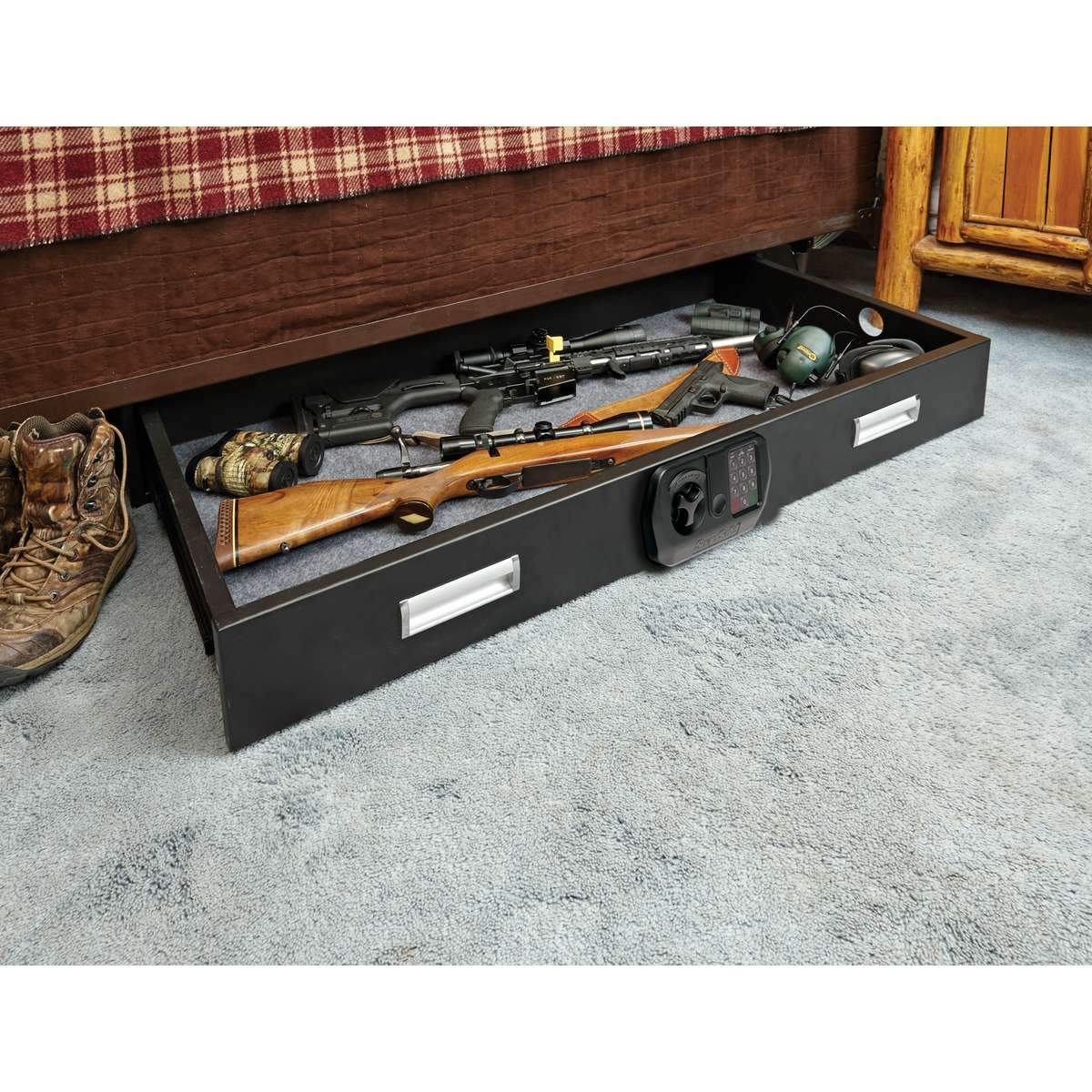
Benefits Of Biometric Locks
Biometric locks offer many benefits for under-bed safes. They use unique features like fingerprints to secure your valuables. These locks provide strong protection and easy access at the same time. Choosing a biometric lock can improve safety and convenience.
Enhanced Security Features
Biometric locks use fingerprint or handprint scans. These are hard to copy or fake. Only registered users can open the safe. This stops unauthorized access better than traditional keys or codes. It also records access attempts for extra safety.
Convenience And Speed
Unlocking a biometric lock is fast and simple. Just place your finger on the scanner. No need to remember codes or carry keys. This saves time, especially in emergencies. It makes using an under-bed safe easier every day.
Resistance To Traditional Lock Picking
Biometric locks do not have keyholes. This means thieves cannot pick or force them open. They are built to resist common break-in methods. This adds an extra layer of protection for your safe. Your valuables stay safer with this technology.
Types Of Biometric Locks Suitable For Safes
Biometric locks add security to under-bed safes without needing keys or codes. These locks use unique body features to let only authorized users open the safe. Various types of biometric locks work well for safes. Each type has strengths and suits different needs.
Choosing the right biometric lock depends on comfort and security level. Some locks focus on fingerprints, while others scan eyes or listen to voices. Understanding these types helps pick the best lock for your safe.
Fingerprint Scanners
Fingerprint scanners are the most common biometric locks for safes. They read the unique patterns on your finger. These locks open quickly with a simple touch. They work well in small spaces like under-bed safes. Many fingerprint scanners store multiple prints. This lets trusted family members access the safe. They offer a good mix of speed and security.
Retina And Iris Recognition
Retina and iris scanners read patterns in your eyes. These patterns are very hard to copy. This makes eye scanners very secure. Eye recognition works even in low light. The scanner uses a small camera to check your eye. It takes a moment longer than fingerprint scanners. These locks suit users wanting high security in their safe.
Voice Recognition Options
Voice recognition locks use your unique voice to open the safe. They listen for specific words or phrases. These locks can work hands-free, which is handy. Voice recognition can struggle with background noise. They are less common for under-bed safes. Still, they offer a modern and easy way to access your safe.
Compatibility With Under-bed Safes
Compatibility with under-bed safes matters when choosing a biometric lock. Not all biometric locks fit every safe. Matching size, power needs, and design ensures smooth use and security. This section explores important factors for compatibility.
Size And Installation Constraints
Under-bed safes often have limited space. Biometric locks must fit inside or on the safe’s door. Bulky locks may not install properly. Consider the safe’s thickness and lock dimensions. Look for slim biometric locks designed for tight spaces. Installation ease matters for secure locking and quick access.
Power And Battery Requirements
Biometric locks need power to scan fingerprints. Most use batteries, which must last long. Changing batteries inside an under-bed safe can be tricky. Choose a lock with low power use and easy battery access. Some models have alerts for low battery. Reliable power ensures the lock works when needed.
Material And Design Considerations
The lock’s material affects durability and security. Metal locks resist damage better than plastic ones. Design should match the safe’s style and strength. A secure lock blends well with the safe’s body. Avoid designs that can be easily tampered with. Strong materials and smart design improve safety.
Installation Tips For Biometric Locks On Under-bed Safes
Installing a biometric lock on an under-bed safe adds extra security. It keeps your valuables safe with easy access. Proper installation is key to making it work well. Follow these tips to install your lock correctly and avoid problems.
Tools And Equipment Needed
Gather these tools before starting installation:
- Power drill with drill bits
- Screwdriver set
- Measuring tape
- Marker or pencil
- Chisel or file
- Safety glasses
- Level tool
Having all tools ready saves time and helps with accuracy.
Step-by-step Installation Guide
First, read the lock’s manual carefully. Mark the spots on the safe where the lock will go. Use the measuring tape and level to ensure correct placement. Drill holes slowly and steadily for lock components. Attach the biometric lock with screws securely. Test the lock multiple times to confirm it works smoothly. Adjust the position if needed for better function.
Common Installation Challenges
Drilling mistakes can cause misalignment of the lock. The safe’s metal thickness may make drilling difficult. Small parts can be hard to handle and fit properly. Wiring errors might prevent the biometric sensor from working. Take your time and work carefully to avoid these issues. Seek help if the lock does not fit or operate well.
Maintenance And Troubleshooting
Maintaining a biometric lock on an under-bed safe ensures it works well for a long time. Regular care helps avoid problems and keeps your valuables safe. Troubleshooting small issues early can save time and stress later.
Regular Cleaning And Calibration
Clean the fingerprint sensor gently with a soft cloth. Avoid using water or harsh chemicals. Dirt or oils can block the sensor from reading fingerprints. Calibrate the sensor as the manufacturer suggests. This keeps the lock accurate and reliable.
Battery Replacement
Check battery levels often. Low batteries may cause slow or failed readings. Replace batteries with the type the lock needs. Use fresh batteries to avoid leaks or damage. Always follow safety steps when changing batteries.
Handling Lock Malfunctions
Reset the lock if it does not respond. Refer to the user guide for reset instructions. Test the lock after resetting to see if the issue clears. Contact customer support if problems continue. Avoid forcing the lock to prevent damage.

Security Risks And How To Mitigate Them
Using a biometric lock on an under-bed safe adds convenience and security. Still, it brings some risks that need attention. Knowing these risks helps protect your belongings better. Simple steps can reduce possible problems.
Potential Hacking Threats
Biometric locks use digital data to identify fingerprints or faces. Hackers may try to access this data or trick the system. They might use fake fingerprints or photos to unlock the safe. Some locks have weak software, which hackers can exploit. Choosing a lock with strong encryption helps stop hackers.
Backup Access Methods
Biometric locks usually have backup keys or codes. These backups let you open the safe if the biometric system fails. Storing backup keys safely is very important. Do not keep them near the safe. Change backup codes often to avoid unauthorized access. Always test backup methods to ensure they work well.
Data Privacy Concerns
Biometric data is sensitive personal information. Some locks store this data locally, others online. Online storage can risk data leaks or theft. Choose locks that keep data only on the device. Read privacy policies before buying a biometric lock. Protect your biometric data like you protect your valuables.
Cost Considerations
Cost plays a big role in choosing a biometric lock for an under-bed safe. Understanding different expenses helps in making smart decisions. Budgeting for the lock and its installation is important. Also, think about the value over time. This section breaks down the main cost factors to consider.
Price Range Of Biometric Locks
Biometric locks vary widely in price. Basic models start around $50. High-end locks can cost over $300. The price depends on features and brand. More sensors or faster response usually mean higher cost. Choose a lock that fits your budget and needs.
Installation Expenses
Installing a biometric lock may need professional help. Installation costs range from $50 to $150. Some locks are easy to install yourself. Others need special tools or skills. Consider if you need a locksmith or technician. Installation costs add to the total price.
Long-term Value
Biometric locks offer good security for money spent. They reduce the risk of lost keys. This saves money and trouble in the future. Durable locks need fewer repairs or replacements. Think about how long the lock will last. Choose quality to get the best long-term value.

Alternatives To Biometric Locks For Under-bed Safes
Biometric locks are popular for under-bed safes but not the only option. Different locks fit various needs and budgets. Choosing the right lock depends on ease of use, security level, and personal preference.
Explore some common alternatives. Each offers unique benefits for securing your valuables under the bed.
Traditional Combination Locks
Traditional combination locks use a rotating dial to open. They do not need batteries or electricity. Users remember a code made of numbers. This type of lock is simple and reliable. It offers good security without technology.
Electronic Keypad Locks
Electronic keypad locks open with a numeric code. You enter the code on a small keypad. These locks are faster to open than dial locks. Some models beep or flash to confirm the code. They often have backup keys for emergencies.
Smartphone-enabled Locks
Smartphone-enabled locks connect to your phone via Bluetooth. You control the lock using an app. Some let you share temporary access with others. These locks provide convenience and remote control. Battery life and phone compatibility matter for these locks.
Frequently Asked Questions
Can Biometric Locks Fit Under-bed Safes?
Yes, many biometric locks are compact enough for under-bed safes. Ensure the lock size matches the safe’s design for proper installation and functionality.
Are Biometric Locks Secure For Under-bed Safes?
Biometric locks offer high security by using fingerprint recognition. They prevent unauthorized access and are harder to bypass than traditional locks.
How Do I Install A Biometric Lock On An Under-bed Safe?
Installation usually involves replacing the existing lock. Follow manufacturer instructions carefully or hire a professional to ensure proper setup and functionality.
Can Biometric Locks Work Without Electricity?
Most biometric locks have built-in batteries. They operate independently but require periodic battery replacement to maintain reliable access control.
Conclusion
A biometric lock can work well on an under-bed safe. It adds security and quick access to your valuables. Make sure the safe supports the lock type you want. Installation should be easy and fit your safe’s size. Biometric locks need power, so check battery life often.
This option offers a modern way to keep things safe. Choose a lock that matches your needs and budget. Protect your belongings with the right safe and lock combo. Simple, smart, and secure.