Are you wondering if it’s safe to store your shotgun shells in a garage or shed? You’re not alone.
Many gun owners face this question and want clear answers to keep their ammunition in good shape and stay safe. Where you keep your shells matters more than you might think. You’ll discover the best practices for storing shotgun shells, what risks to avoid, and simple steps to protect your gear.
Keep reading to make sure your ammunition stays reliable and your home stays safe.

Storage Conditions For Shotgun Shells
Proper storage of shotgun shells is key for safety and performance. Shells need a cool, dry place to stay in good condition. The environment in your garage or shed can affect how long they last. Knowing the right storage conditions helps protect your ammunition.
Shotgun shells are sensitive to temperature, humidity, sunlight, and moisture. Each factor can change how shells work and how safe they are. Understanding these effects lets you store shells the right way.
Temperature And Humidity Effects
High temperatures can cause shells to warp or degrade. Heat may damage the gunpowder inside. Cold temperatures can make primers less reliable. Humidity causes metal parts to rust and paper or plastic to weaken.
Keep shells in a place where temperature stays steady. Avoid spots that get very hot or very cold. Aim for low humidity. Using a dehumidifier or silica gel packs helps reduce moisture in the air.
Impact Of Sunlight And Moisture
Direct sunlight can fade and weaken shell casings. UV rays break down plastic and paper components. Moisture from rain or leaks leads to corrosion and mold. Wet shells may misfire or fail completely.
Store shells away from windows and direct light. Use airtight containers or sealed boxes to keep moisture out. Check the storage area regularly for leaks or dampness. Keep shells dry and shaded for best results.
Risks Of Storing Ammunition In Garages
Storing shotgun shells in a garage or shed carries several risks. These places often lack proper climate control and security. The danger of fire and theft rises in such environments. Understanding these risks helps keep ammunition safe.
Fire Hazards
Garages and sheds often contain flammable materials like gasoline and oil. These increase the chance of fire near stored ammunition. Shotgun shells can explode if exposed to high heat. Poor ventilation in these spaces can make fire spread faster. Storing ammo here raises the risk of serious accidents.
Theft And Unauthorized Access
Garages and sheds are common targets for thieves. Many have weak locks or no locks at all. This makes it easy for unauthorized people to access ammunition. Theft of shotgun shells can lead to dangerous misuse. Keeping ammo in an unsecured place puts your safety and others at risk.
Risks Of Storing Ammunition In Sheds
Storing shotgun shells in a shed might seem convenient. Sheds are easy to access and free up space inside the house. But sheds come with risks that can damage ammunition or create safety hazards. Understanding these risks helps keep your shells safe and effective.
Exposure To Elements
Sheds often lack proper insulation or climate control. This means shells face heat, cold, moisture, and dust. Moisture can cause corrosion on metal parts of the shells. Heat can degrade gunpowder and primers, reducing reliability. Cold and humidity changes may also affect shell performance over time.
Damp conditions inside sheds promote rust and weaken shells. Dust and dirt can clog the shell’s primer or casing. These factors increase the chance of misfires or failures.
Pest And Rodent Concerns
Sheds are common homes for pests and rodents. Mice or rats can chew on shell casings or packaging. This damages the shells and makes them unsafe to use. Rodents also leave droppings and urine, which may corrode metal parts.
Pests can build nests near ammunition, creating fire hazards. Their presence increases the risk of contamination and damage. Proper sealing and pest control are essential to prevent these problems.

Safe Storage Practices
Safe storage of shotgun shells is very important for keeping your home and family safe. Shotgun shells can be dangerous if not stored correctly. Proper storage reduces the risk of accidents, theft, and damage to the shells. Follow clear steps to store them safely in a garage or shed. This helps keep the shells dry, secure, and away from children or pets.
Using Proper Containers
Use containers designed for ammunition storage. These containers protect shells from moisture and dust. Plastic or metal ammo boxes with tight lids work well. Avoid using cardboard or open containers. Keep shells in their original packaging if possible. Label containers clearly. This helps you identify contents quickly and avoid confusion.
Securing Storage Locations
Choose a cool, dry spot in your garage or shed. Avoid places with high humidity or temperature changes. Place containers off the floor to prevent moisture damage. Lock the storage area or use a lockable cabinet. Limit access to adults only. Keep keys or combinations hidden. This prevents unauthorized use and keeps shells safe from children.
Legal And Insurance Considerations
Storing shotgun shells in a garage or shed involves more than just safety. Legal rules and insurance policies play a big role. Ignoring these can lead to fines or denied claims. Understanding these factors helps keep your property and belongings safe.
Local Regulations On Ammunition Storage
Each area sets its own rules for storing ammunition. Some places require locked containers or special cabinets. Other locations ban storing ammo near living spaces or certain buildings. Checking local laws before storing shotgun shells is important. This avoids legal trouble and ensures safe storage.
Impact On Home Insurance Policies
Home insurance may have rules about ammo storage. Some policies exclude coverage if ammo is stored improperly. Storing shotgun shells in an unlocked garage or shed might void protection. Informing your insurance provider about ammo storage is key. This helps keep your coverage valid and avoids surprises.
Alternative Storage Options
Choosing the right place to store shotgun shells is important for safety and preservation. Alternative storage options provide secure and controlled environments. These options protect ammunition from moisture, temperature changes, and unauthorized access. Storing ammo properly helps maintain its quality and keeps your home safe.
Indoor Lockboxes
Indoor lockboxes are small, secure containers for ammunition. They fit easily inside a closet or cabinet. Lockboxes keep shells away from children and pets. They protect ammo from dust and humidity. Most lockboxes come with a key or combination lock. This adds a layer of safety and control. Lockboxes are affordable and easy to use. They help keep your shotgun shells organized and safe.
Dedicated Ammunition Safes
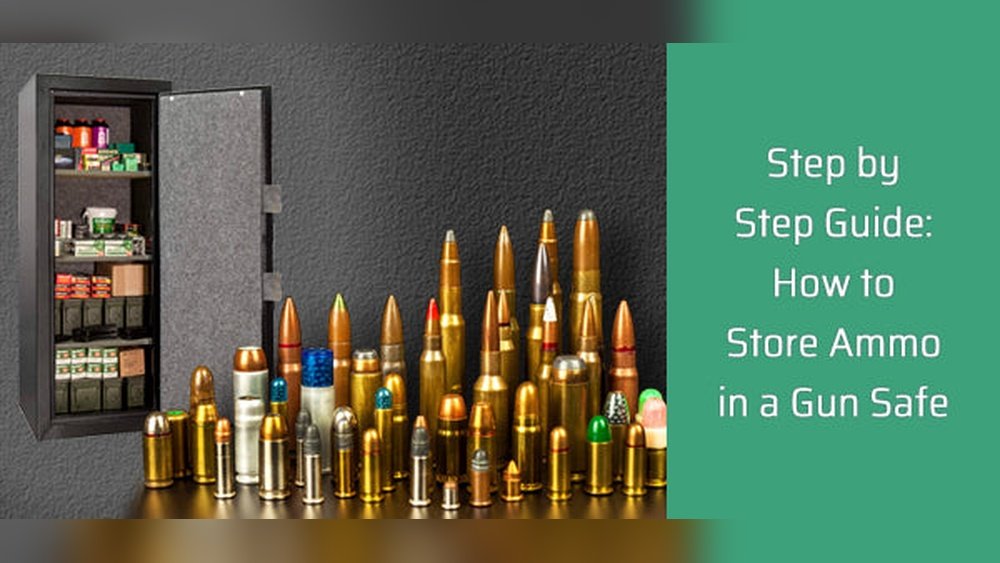
Dedicated ammunition safes offer high security and protection. These safes are designed specifically for storing ammo. They have thick walls and strong locks. Safes control temperature and humidity levels inside. This prevents corrosion and damage to shells. Some safes also have fire-resistant features. Ammunition safes are larger and more durable than lockboxes. They provide peace of mind for serious gun owners. Using a safe ensures your shotgun shells stay secure and in good condition.
Maintenance And Regular Inspection
Proper maintenance and regular inspection of shotgun shells are essential for safe storage. These steps help ensure that your shells remain reliable and ready to use. Regular checks prevent accidents and extend the shelf life of your ammunition.
Checking For Damage Or Deterioration
Look at each shell carefully for cracks or dents. Check for rust on metal parts and discoloration on the casing. Damaged shells can misfire or cause malfunctions. Pay attention to any unusual smells or powder leakage. Store shells in a dry place to avoid moisture damage.
Replacing Old Or Compromised Shells
Old shells lose their power and reliability over time. Remove any shells that show signs of wear or damage. Dispose of compromised shells safely according to local laws. Replace them with fresh ammunition for best performance. Regular replacement keeps your collection safe and effective.
Frequently Asked Questions
Can Shotgun Shells Be Safely Stored In A Garage?
Yes, shotgun shells can be stored in a garage if conditions are dry and temperature-controlled. Avoid exposure to moisture and extreme heat to prevent deterioration and ensure safety.
Is It Legal To Store Ammunition In A Shed?
Generally, it is legal to store ammunition in a shed. However, always check local laws and regulations to ensure compliance and proper safety measures.
How Should I Store Shotgun Shells To Prevent Damage?
Store shotgun shells in airtight containers and keep them in a cool, dry place. Avoid direct sunlight, humidity, and temperature fluctuations to maintain their integrity.
Can Temperature Changes Affect Shotgun Shell Quality?
Yes, extreme temperature changes can damage shotgun shells. Heat can cause primer and powder degradation, while cold may affect performance. Stable, moderate temperatures are best for storage.
Conclusion
Storing shotgun shells safely matters a lot. Keep them dry, cool, and away from direct sunlight. Avoid places with high humidity or wide temperature changes. Use sealed containers to protect shells from moisture. Always follow local laws and safety rules.
A garage or shed can work if conditions are right. Safety first—store ammo responsibly to prevent accidents. Simple steps make a big difference in keeping shells stable. Your safety and the safety of others depend on good storage.