Have you ever wondered if the scorching heat can damage your shotgun shells while they sit in storage? If you’re like many gun owners, you want to make sure your ammo stays reliable and safe no matter the season.
But extreme heat might be silently affecting your shells, leading to poor performance or even safety risks when you least expect it. You’ll discover how heat impacts your shotgun shells and what you can do to protect them. Keep reading to ensure your ammo stays in top shape, ready when you are.
How Shotgun Shells Are Made
Understanding how shotgun shells are made helps explain their sensitivity to heat. Each shell combines several parts that work together to fire a shot. The process uses specific materials and careful assembly. This knowledge is key to knowing why extreme heat can cause damage during storage.
Key Components
Shotgun shells have four main parts. The hull, usually plastic or paper, holds everything together. Inside, the primer ignites the gunpowder. The gunpowder burns quickly to create gas. This gas pushes the shot, the small metal pellets, out of the barrel.
Materials Used
Most shells use plastic for the hull because it is lightweight and durable. The primer contains a small explosive chemical compound. Gunpowder is a mix of chemicals designed to burn fast. Shot is made of lead, steel, or other metals. Each material reacts differently to heat and moisture.
Manufacturing Process
The process starts by shaping the hull. Next, the primer is inserted at one end. Gunpowder is carefully measured and added inside the hull. Then, the shot is loaded on top of the powder. Finally, a crimp or seal closes the shell to keep everything inside. Quality checks ensure each shell works safely.
Effects Of Heat On Ammunition
Extreme heat can harm shotgun shells stored for a long time. Heat affects the ammunition’s quality and safety. Understanding these effects helps you store shells properly. Below are the main impacts of heat on ammunition.
Chemical Stability
Ammunition contains chemicals that can break down from heat. The gunpowder inside may lose its power or become unstable. This change can cause shells to misfire or fail. Heat speeds up chemical reactions, making the powder less reliable.
Physical Changes
High temperatures can deform the shell casing or primer. The plastic parts may melt or warp. This damage can stop the shell from fitting in the gun correctly. Physical changes reduce the ammunition’s effectiveness and can cause jams.
Pressure And Safety Concerns
Heat increases the pressure inside a loaded shell. This pressure rise can lead to dangerous failures when fired. Overheated shells risk bursting or exploding unexpectedly. Safe storage keeps ammo cool to prevent these risks.
Temperature Thresholds For Storage
Temperature plays a key role in storing shotgun shells safely. Too much heat can harm the shells and affect their performance. Knowing the right temperature limits helps keep your ammo in good shape for longer. Understanding safe storage temperatures protects your investment and ensures reliable use.
Recommended Storage Conditions
Shotgun shells stay best in cool, dry places. Ideal temperatures range from 50°F to 70°F (10°C to 21°C). Humidity should stay below 50% to avoid moisture damage. Store shells in airtight containers to block humidity. Avoid direct sunlight or places near heat sources.
Extreme Heat Limits
Temperatures above 120°F (49°C) can cause damage. Heat may weaken the plastic hull and affect the powder inside. Prolonged exposure to heat leads to misfires or poor performance. Avoid storing shells in cars or attics during hot days. High heat speeds up chemical breakdown in the primer and powder.
Signs Of Heat Damage
Look for discoloration or melting on the shell casing. Soft or warped hulls show heat stress. Powder inside may clump or change color. Misfires or inconsistent shots indicate damaged ammo. If shells smell strange or look odd, discard them safely.

Real-life Cases Of Heat Damage
Extreme heat can cause serious damage to shotgun shells. Many gun owners have faced this problem. Real-life cases help us understand the risks better. These stories show how heat harms the shells and what happens next. Learning from these cases can help protect your ammunition.
Accidental Exposure Examples
One case involved shells left in a hot car trunk. The temperature inside rose above 120°F. The shells showed signs of melting and deformation. Another example came from a storage shed without ventilation. The shells were exposed to direct sunlight for days. This caused the plastic casing to warp and soften.
Impact On Performance
Heat-damaged shells often fail to fire properly. Some misfired or did not fire at all. The gunpowder inside can lose its effectiveness. This reduces the power and accuracy of the shot. In some cases, shells could cause dangerous malfunctions. This puts the shooter and others at risk.
Lessons Learned
Always store shotgun shells in a cool, dry place. Avoid leaving them in vehicles or outdoor sheds. Use containers that protect against heat and moisture. Regularly check stored shells for signs of damage. Replace any shells that look warped or melted. These steps help keep your ammunition safe and reliable.
Preventing Heat Damage
Extreme heat can damage shotgun shells during storage. Heat can cause the gunpowder inside to degrade or the casing to weaken. Preventing heat damage helps keep your ammunition safe and reliable. Proper care and storage lower risks of accidents or misfires.
Proper Storage Tips
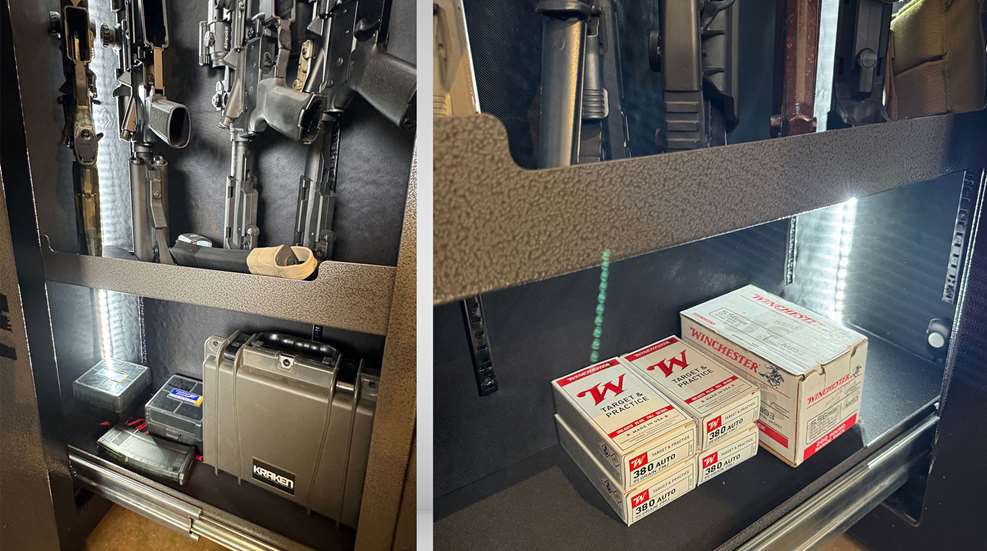
Store shotgun shells in a cool, dry place away from sunlight. Use airtight containers to block moisture and dust. Keep shells off the floor to avoid dampness. Avoid places like garages or attics that get very hot. Check your ammo regularly for signs of damage or corrosion.
Climate-controlled Solutions
Climate-controlled storage keeps temperature and humidity steady. Use a safe or cabinet with built-in temperature controls. Air conditioning and dehumidifiers help maintain safe conditions. This prevents heat buildup and moisture, protecting the shells. It is a smart choice for long-term ammo storage.
Transporting Ammunition Safely
Carry ammunition in a sturdy, insulated case. Avoid leaving shells inside hot cars for long. Use coolers or thermal bags if traveling in hot weather. Keep ammo separate from firearms during transport. Always follow local laws and guidelines for ammo transport.
Testing And Inspecting Stored Shells
Testing and inspecting stored shotgun shells helps keep them safe and reliable. Heat can affect shells over time. Checking shells before use ensures they work well and avoid accidents.
Visual Inspection Methods
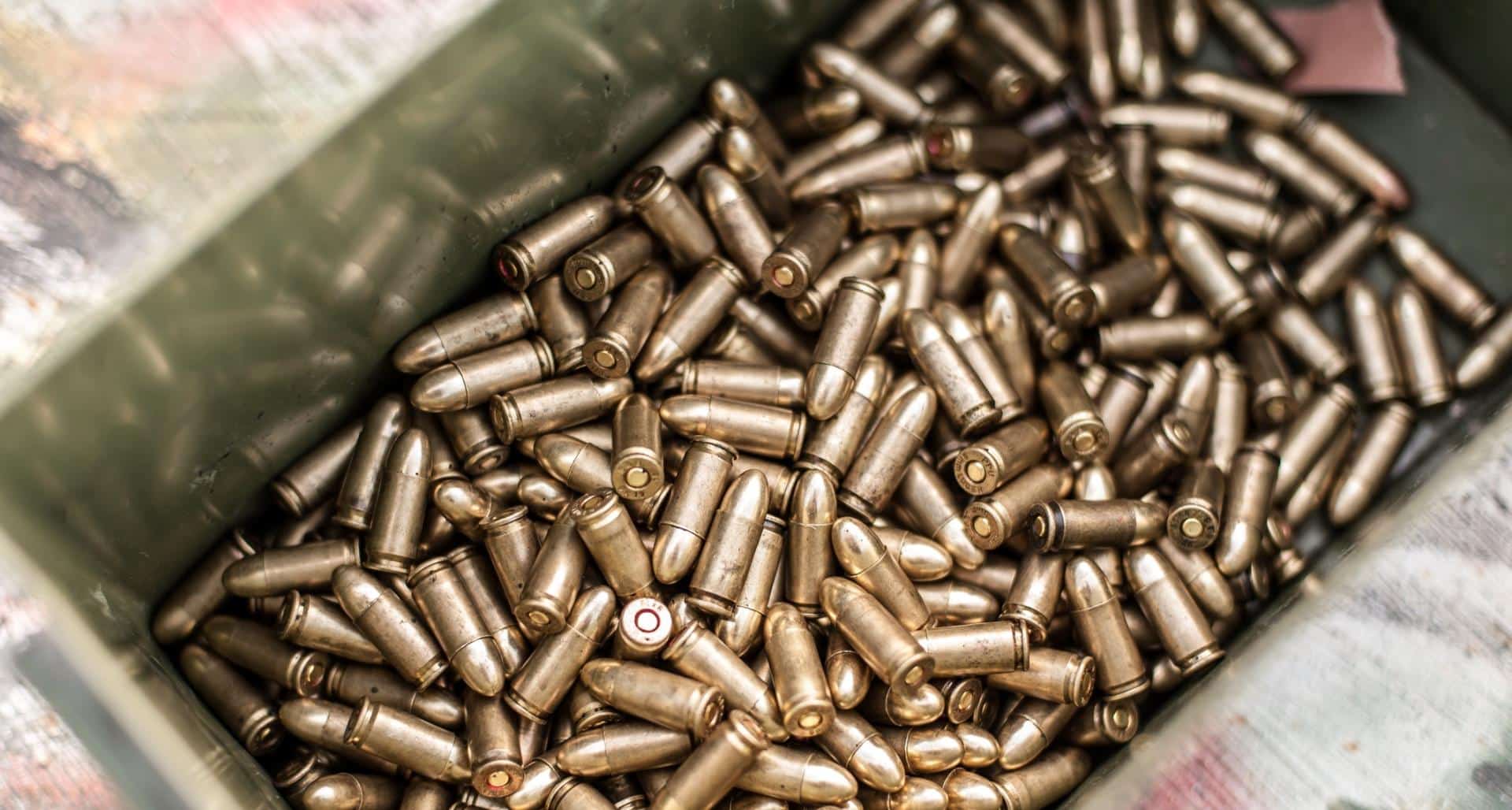
Look closely at each shell. Check for cracks, dents, or discoloration. These signs may mean damage from heat. Also, examine the primer area for corrosion or bulges. Any unusual marks could signal a problem. Always handle shells carefully during inspection.
Functionality Tests
Test a few shells in a safe environment. Use a controlled shooting range or a test setup. Watch for misfires or unusual recoil. Shells that do not fire properly should not be used. This step helps confirm the shell’s condition after storage.
When To Dispose
Dispose of shells showing physical damage or poor performance. Rust, cracks, or soft spots are warning signs. Avoid using shells with uncertain reliability. Proper disposal protects you and others from danger. Follow local rules for safe disposal of ammunition.
Frequently Asked Questions
Can Extreme Heat Damage Shotgun Shells In Storage?
Yes, extreme heat can damage shotgun shells. High temperatures may cause the powder inside to degrade. This reduces performance and can make shells unsafe. Proper storage in cool, dry places prevents heat damage and maintains shell reliability over time.
How Hot Is Too Hot For Storing Shotgun Shells?
Temperatures above 120°F (49°C) are generally too hot for shotgun shell storage. Excessive heat can cause powder deterioration and primer sensitivity. Keeping shells below this temperature range ensures longevity and safety. Avoid leaving shells in direct sunlight or hot vehicles.
What Happens If Shotgun Shells Get Overheated?
Overheated shotgun shells can lose powder stability, reducing effectiveness. The primer may become more sensitive, increasing accidental ignition risk. Shells can deform or leak, causing malfunctions. Proper storage prevents these issues and keeps ammunition safe for use.
Can Heat Cause Shotgun Shell Corrosion?
Heat alone rarely causes corrosion, but combined with humidity it can. Moist, warm environments accelerate rust on metal components. Storing shells in cool, dry conditions prevents corrosion. Use airtight containers with desiccants to protect shells from moisture damage.
Conclusion
Extreme heat can damage shotgun shells over time. High temperatures may weaken the gunpowder and casing. This damage can cause misfires or unsafe shots. Store shells in a cool, dry place to keep them safe. Check your ammo regularly for any signs of harm.
Proper storage helps maintain performance and safety. Keep your shells away from direct sunlight and heat sources. Safe storage protects both your gear and your shooting experience. Remember, small steps prevent big problems. Stay safe and shoot smart.