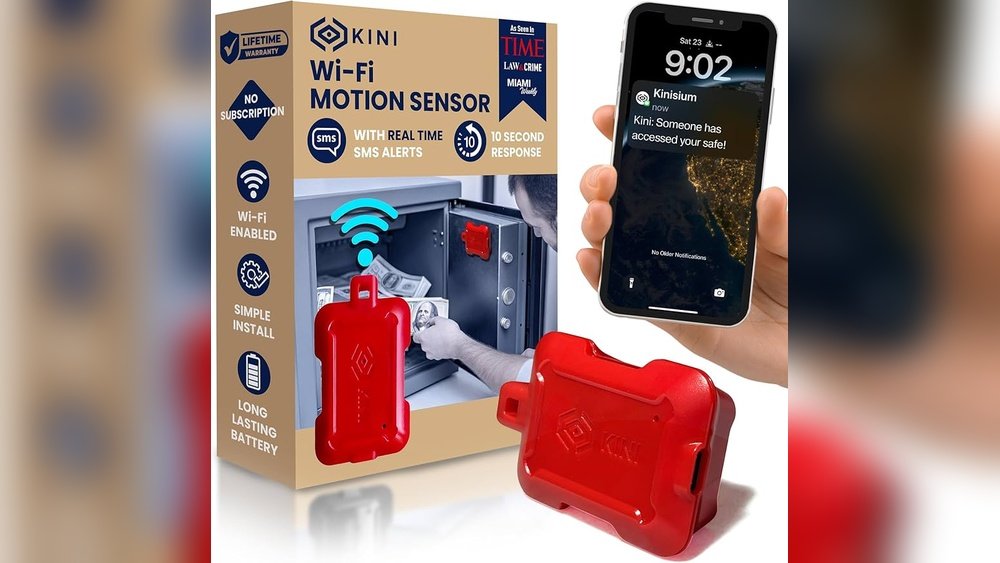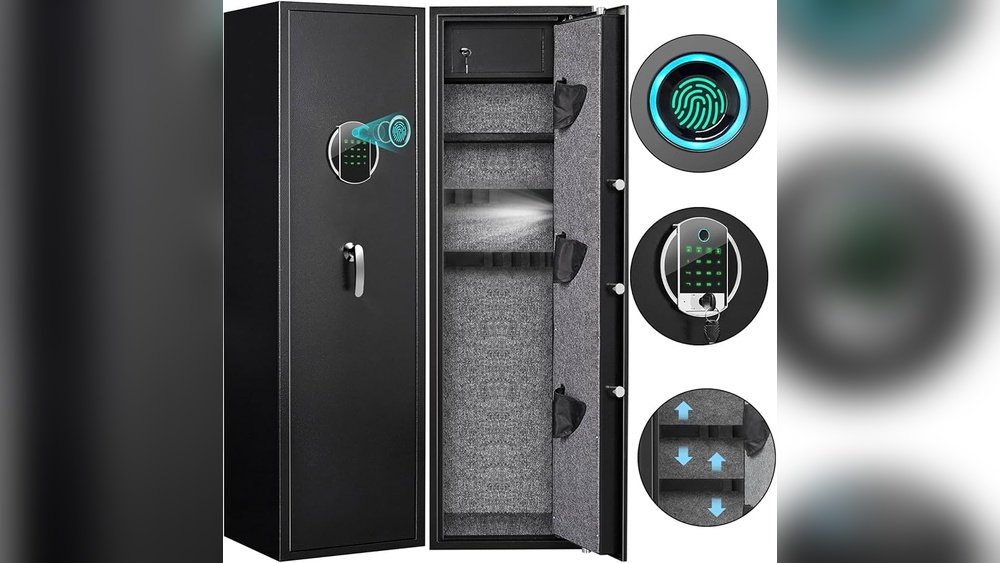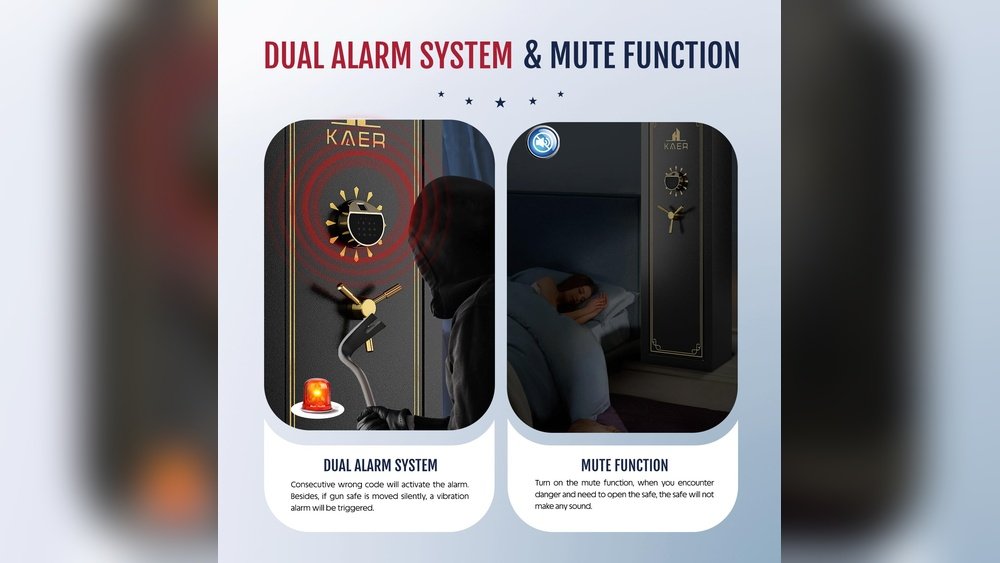
Are you worried about the security of your rifle safe? Adding a vibration sensor might seem like a smart way to protect your valuable firearms.
But can you install a vibration sensor on any rifle safe? The answer isn’t as simple as you might think. You’ll discover what makes a safe compatible with these sensors, the benefits of adding one, and what to watch out for before you buy.
Keep reading to find out how to boost your safe’s security without any guesswork.
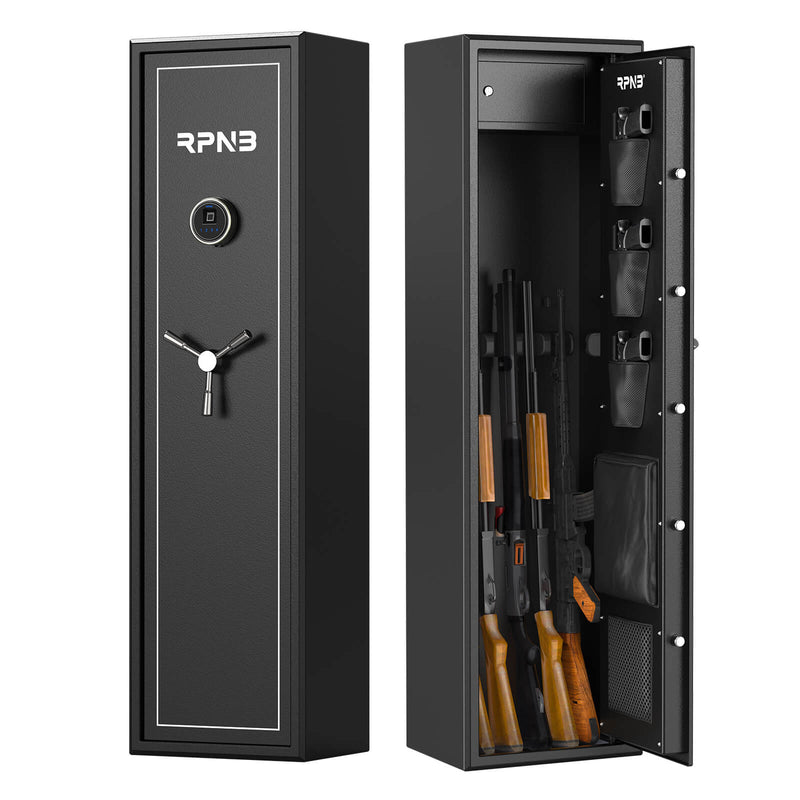
Choosing The Right Vibration Sensor
Choosing the right vibration sensor is important for your rifle safe’s security. Not all sensors work well with every safe. Picking the correct type helps detect tampering or movement fast. It also stops false alarms and saves battery life. This guide explains types, key features, and safe compatibility for vibration sensors.
Types Of Vibration Sensors
Several vibration sensor types exist for rifle safes. Piezoelectric sensors generate electric signals from vibrations. They detect small movements with high accuracy. Accelerometer sensors measure changes in speed and direction. These sensors work well for strong impacts. Capacitive sensors sense changes in electric fields caused by motion. They offer good sensitivity with low power use.
Key Features To Look For
Choose sensors with adjustable sensitivity. This helps avoid false alarms from minor shakes. Look for sensors with low power consumption to extend battery life. Wireless sensors offer easy installation and placement flexibility. Check if the sensor has a delay option to ignore short bumps. Alerts via phone or app add extra security and control.
Compatibility With Rifle Safes
Not all vibration sensors fit every rifle safe. Check if the sensor works with your safe’s material and structure. Some sensors need flat surfaces for proper contact. Others work better on metal or wood. Verify the sensor’s size and mounting options suit your safe. Confirm the sensor’s wireless range covers your safe’s location. Proper fit ensures reliable detection and easy installation.
Assessing Your Rifle Safe
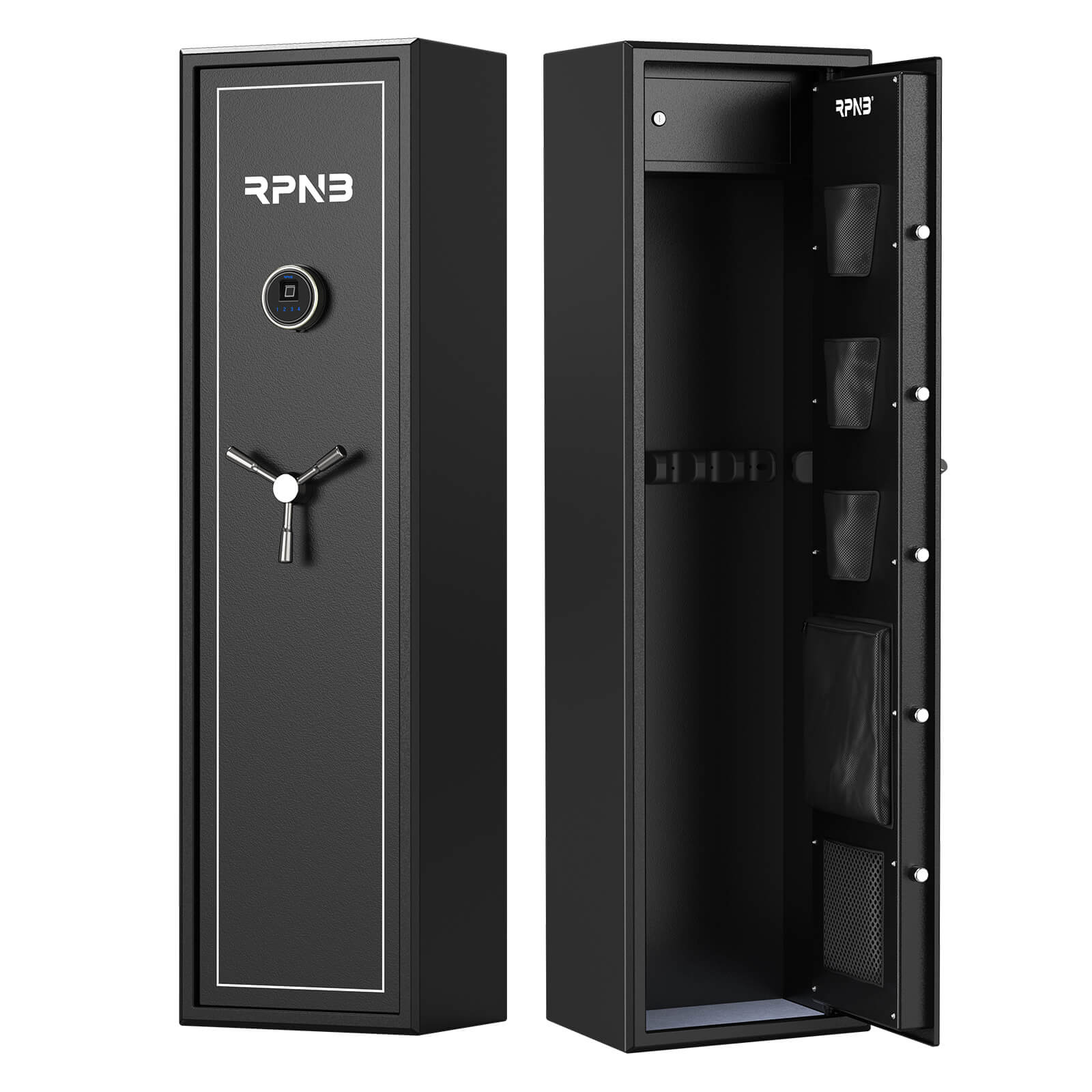
Assessing your rifle safe is the first step before installing a vibration sensor. Not all safes are the same. Each has unique features that affect sensor installation. Understanding these features helps you choose the right sensor and place it correctly.
Check the safe’s material, size, and power options. These details guide your decision and ensure proper sensor function.
Material And Construction
The safe’s material affects sensor placement and sensitivity. Most safes use steel, which blocks signals differently than wood or composite. Thick steel walls can reduce sensor effectiveness. Sensors work best on flat, solid surfaces. Avoid areas with insulation or padding. These can absorb vibrations and cause false alarms.
Size And Interior Layout
Safe size matters for sensor choice and location. Large safes need multiple sensors for full coverage. Check the interior layout for shelves or compartments. Sensors should not be blocked by metal parts or thick padding. Position sensors where vibrations from a break-in transmit clearly.
Power Source Availability
Vibration sensors need power to operate. Some use batteries, while others connect to the safe’s power supply. Check if your safe has a power outlet or wiring options. Battery-powered sensors offer flexible placement but need regular checks. Wired sensors are more reliable but require access to power and careful installation.
Installation Basics
Installing a vibration sensor on a rifle safe helps protect your firearms. It detects any unusual movement or shaking. Proper installation ensures the sensor works well and alerts you quickly. Understanding the basics makes the process easier and faster. Below are key points to guide you through installation.
Tools You Will Need
Gather the right tools before starting. A screwdriver is essential for opening panels. You might need a drill for mounting the sensor. Wire cutters and strippers help prepare the wires. A multimeter checks electrical connections. Keep all tools close to save time.
Sensor Placement Tips
Place the sensor where it detects all vibrations. The safe’s door or walls are good spots. Avoid places with constant small movements. Keep the sensor away from metal parts that cause interference. Test different spots to find the best position. Secure it firmly to avoid false alarms.
Wiring And Connectivity
Connect the sensor to your alarm system carefully. Follow the sensor’s wiring diagram step by step. Use the correct wires for power and signal. Keep wires neat and away from sharp edges. Double-check all connections before closing the safe. Power the sensor and test its response to vibrations.
Common Challenges And Solutions
Installing a vibration sensor on any rifle safe can improve security. Yet, it comes with some common challenges. These issues often affect sensor performance and user experience. Knowing these challenges helps in choosing the right solutions. This section covers three main topics to consider.
Dealing With False Alarms
False alarms can cause frustration and reduce trust in the sensor. Vibrations from nearby doors, footsteps, or heavy traffic often trigger alarms. Adjusting the sensor’s sensitivity can help reduce false signals. Some sensors allow you to customize settings to fit your safe’s location. Test different settings to find the best balance between security and false alarms.
Mounting On Different Surfaces
Rifle safes come in various materials like steel, wood, or composite. Each surface type affects how well the sensor attaches and works. Metal surfaces may require special adhesives or mounting brackets. Wooden safes might need screws or strong glue for secure fitting. Always follow the sensor manufacturer’s instructions for mounting. Proper installation ensures the sensor stays in place and functions correctly.
Maintaining Sensor Accuracy
Over time, sensors can lose accuracy due to dust, moisture, or battery issues. Regular cleaning of the sensor and safe surface keeps detection sharp. Check batteries often and replace them as needed to avoid failure. Calibration may be necessary to maintain the sensor’s precision. Keeping the sensor in good condition helps protect your rifle safe effectively.
Enhancing Security With Additional Features
Adding a vibration sensor to a rifle safe increases its security level. These sensors detect any movement or shaking of the safe. This quick alert helps prevent unauthorized access and theft.
Beyond basic detection, vibration sensors often come with extra features. These features work together to keep your firearms safer. They enhance the overall protection of your safe.
Integration With Alarm Systems
Many vibration sensors can connect to existing alarm systems. When the sensor detects motion, it triggers the alarm immediately. This alerts you and scares off potential intruders. Integration makes your safe part of a larger security network. It provides faster response times and better protection.
Remote Alerts And Monitoring
Some sensors send alerts to your phone or computer. You get notified right away if someone tampers with the safe. Remote monitoring lets you check the safe’s status anytime. This feature adds peace of mind, especially when you are away from home.
Battery Life And Maintenance
Battery life is key to sensor reliability. Choose sensors with long-lasting batteries to avoid frequent changes. Some models offer low-battery warnings to keep you informed. Regular maintenance ensures the sensor works properly and lasts longer. Simple checks help keep your safe secure at all times.

Frequently Asked Questions
Can I Install A Vibration Sensor On Any Rifle Safe?
Yes, most rifle safes can accommodate vibration sensors. Ensure the sensor is compatible with the safe’s material and size. Proper installation enhances security by detecting unauthorized movement or tampering effectively.
What Types Of Vibration Sensors Work Best For Rifle Safes?
Accelerometer-based sensors are ideal for rifle safes. They detect subtle vibrations and shocks accurately. Choose sensors with adjustable sensitivity to avoid false alarms and ensure reliable protection.
How Do Vibration Sensors Improve Rifle Safe Security?
Vibration sensors alert you instantly to unauthorized access attempts. They detect tampering, drilling, or forced entry. This early warning system helps prevent theft and protects your firearms effectively.
Are Vibration Sensors Easy To Install On Rifle Safes?
Yes, most vibration sensors come with simple installation kits. They usually attach with adhesive or screws inside the safe. Follow manufacturer instructions carefully for optimal sensor placement and performance.
Conclusion
Most rifle safes allow vibration sensor installation with some checks. Choose a sensor that fits your safe’s size and material. Proper placement helps the sensor detect any movement or tampering. Simple tools often work for installing these sensors quickly. Always follow the sensor’s instructions for best results.
A vibration sensor adds an extra layer of security. It alerts you if someone tries to open or move the safe. Protect your valuables by combining sensors with a strong safe. Small steps can improve your gun storage safety a lot.