Are you wondering if your rifle safe can be brought back to life instead of buying a new one? Maybe your safe shows signs of wear, or it just doesn’t feel as secure as it used to.
The good news is, refurbishing a rifle safe might be easier and more affordable than you think. But before you decide, you need to understand what’s possible, what’s risky, and how to get the best results. Keep reading to find out how you can protect your firearms without breaking the bank.
Signs A Rifle Safe Needs Refurbishing
Recognizing the signs that a rifle safe needs refurbishing helps keep your firearms secure. Regular checks reveal issues before they worsen. Early action saves money and protects your investment. Let’s explore common signs that indicate your rifle safe needs attention.
Common Wear And Tear Issues
Look for scratches and dents on the safe’s exterior. Rust spots may appear, especially in humid areas. Hinges can become stiff or noisy. The locking mechanism might feel loose or jam. These small problems show the safe is aging. They affect the safe’s function and appearance.
Security Risks From Damage
Cracks in the door or body weaken protection. Damaged locks reduce resistance to break-ins. Faulty seals allow moisture inside, risking rust on firearms. Missing bolts or loose screws lower security. Damage invites theft or fire harm. These risks need quick fixing to keep guns safe.
When To Consider Refurbishment
Refurbish when wear affects safe’s locking or sealing. Choose it if rust spreads on steel parts. Consider refurbishing if hinges or bolts break. Also think about it if the safe looks old and weak. Refurbishment restores strength and security. It extends the safe’s life without full replacement.
Tools And Materials For Refurbishing
Refurbishing a rifle safe needs the right tools and materials. Proper equipment helps fix the safe safely and effectively. Knowing what tools and parts to have can save time and effort. Safety gear protects you during the process. Below are the must-have items for any rifle safe repair project.
Essential Repair Tools
Basic hand tools are a must. Screwdrivers in various sizes help remove screws. A wrench set is useful for bolts and nuts. A hammer assists with minor adjustments. Pliers help grab small parts or wires. A flashlight reveals dark corners inside the safe. A drill may be needed for new holes or fixing locks. Keep a tape measure handy to check dimensions.
Replacement Parts To Source
Locks are often the first part to replace. Find the correct model for your safe. Hinges and bolts can wear out and need swapping. Rubber seals keep the safe airtight and dry. Look for seals that fit your safe’s size. Shelves or trays inside might be broken or bent. Replacement parts ensure your safe works like new again. Check with manufacturers or specialty stores for parts.
Safety Gear For The Job
Wear gloves to protect your hands from sharp edges. Safety glasses guard your eyes against dust and debris. Ear protection is useful if you use power tools. A dust mask keeps you safe from rust particles and dirt. Dress in long sleeves and pants to avoid scratches. Having first aid supplies nearby adds extra safety. Staying safe helps the job go smoothly and without injury.
Step-by-step Refurbishing Process
Refurbishing a rifle safe brings it back to life and improves security. The process involves several key steps. Each step ensures the safe functions properly and looks good. Follow these simple instructions to restore your rifle safe effectively.
Cleaning And Inspection
Start by removing all items inside the safe. Use a vacuum or brush to clear dust and dirt. Check the interior and exterior for damages. Look for cracks, dents, or worn parts. This step helps identify areas needing repair.
Fixing Lock Mechanisms
Test the lock to see if it works smoothly. Tighten loose screws or replace broken parts. Lubricate moving parts with a light oil. Ensure the lock opens and closes without trouble. This keeps your safe secure and reliable.
Repairing Or Replacing Seals
Inspect the door seals for cracks or wear. Old seals can let moisture inside the safe. Remove damaged seals carefully. Measure and fit new seals to the door frame. Proper seals protect your rifles from humidity and dust.
Addressing Rust And Corrosion
Look for rust spots on the safe surface. Use sandpaper or a wire brush to remove rust. Apply a rust converter to stop corrosion. Clean the area well before painting. This step prevents further damage and keeps the safe strong.
Painting And Finishing Touches
Choose a paint designed for metal surfaces. Apply primer first for better paint adhesion. Paint the safe with even coats and let dry. Add any decals or labels after painting. This improves the safe’s look and adds protection.
When To Hire A Professional
Knowing when to hire a professional for rifle safe repairs is crucial. Some issues need expert skills to fix properly. Mistakes can reduce security or cause more damage. Professionals have the right tools and knowledge. They ensure your safe works well and keeps your firearms secure.
Complex Repairs Beyond Diy
Some problems are too hard for DIY fixes. Issues with the locking mechanism or electronic keypad often require expert repair. Professionals understand how parts fit and work together. They can fix complex faults without causing more damage. Attempting these repairs alone can lead to costly mistakes.
Ensuring Security Standards
Your rifle safe must meet security standards after repairs. Professionals know these standards and follow them strictly. They test the safe to ensure it locks correctly and resists tampering. This keeps your firearms protected from theft or accidents. A poorly repaired safe might not offer enough protection.
Cost Considerations
Professional repairs may cost more upfront. Yet, they save money over time by preventing bigger problems. Fixing a small issue early avoids expensive replacements later. Professionals also provide warranties on their work. This offers peace of mind and protects your investment.
Maintenance Tips To Extend Safe Life
Maintaining a rifle safe is key to making it last longer. Proper care keeps the safe working well and protects your firearms. Small, regular steps help avoid costly repairs and extend the safe’s life.
Regular Cleaning Routines
Dust and dirt can build up inside and outside the safe. Wipe the safe’s surface with a soft cloth weekly. Use a vacuum or brush to clean inside corners and shelves. Avoid harsh chemicals that can damage the finish or materials. Regular cleaning prevents rust and keeps the safe looking new.
Lubrication And Lock Care
Locks and hinges need smooth movement for security. Use a light lubricant on hinges every six months. Apply graphite powder or a lock lubricant to the locking mechanism. Avoid oils that attract dust or cause sticky locks. Proper lubrication stops parts from wearing out early.
Environmental Controls
Humidity and temperature affect the safe’s metal and contents. Place a dehumidifier or moisture absorber inside to reduce rust risk. Keep the safe away from damp basements or direct sunlight. Control room temperature to avoid expansion or contraction of materials. Stable conditions protect both the safe and your firearms.
Upgrading Features During Refurbishment
Refurbishing a rifle safe offers a chance to improve its features. You can update old parts and add new technology. This makes your safe stronger and more reliable. Upgrading also keeps your safe useful for many more years. Here are some common feature upgrades during refurbishment.
Enhanced Lock Systems
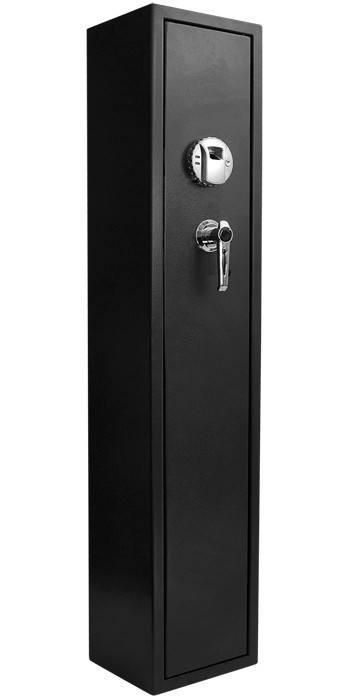
Old locks may wear out or become less secure. Upgrading to digital or biometric locks boosts safety. These locks are faster to open and harder to break. You can also add backup keys or combination dials. This ensures you never get locked out.
Fire And Water Resistance Improvements
Many older safes have low fire and water protection. Refurbishment can add new seals and insulation. These upgrades help protect guns from heat and moisture damage. You can also install better door gaskets to block water. This keeps your firearms safe in emergencies.
Interior Customization Options
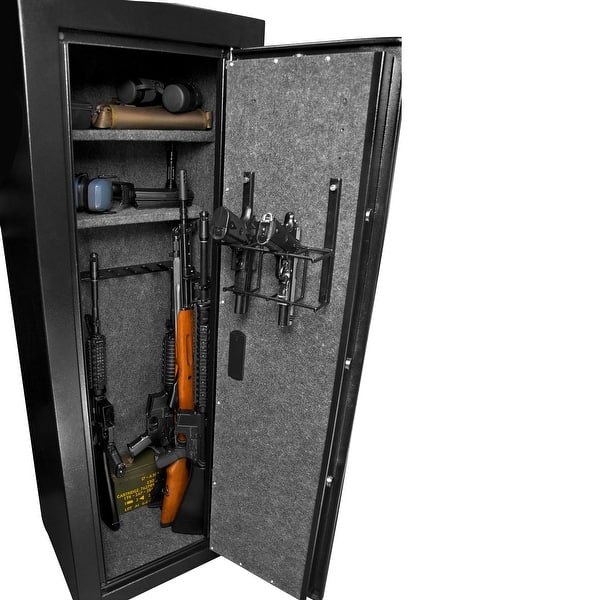
Refurbishing allows redesigning the safe’s interior space. You can add shelves, racks, or foam inserts. These help organize rifles and accessories neatly. Soft padding protects guns from scratches and dents. Custom interiors make your safe easier to use every day.
Frequently Asked Questions
Can A Rifle Safe Be Refurbished Effectively?
Yes, a rifle safe can be refurbished to restore its functionality. Refurbishing includes repairing locks, hinges, and reapplying protective coatings. This process extends the safe’s life and maintains security, making it a cost-effective alternative to buying a new safe.
What Are Common Issues Fixed During Safe Refurbishment?
Common issues include broken locks, rusted hinges, worn seals, and damaged interiors. Refurbishing addresses these problems to improve security and usability. Proper repairs ensure the safe remains reliable for protecting firearms and valuables.
How Much Does Refurbishing A Rifle Safe Typically Cost?
Refurbishing costs vary but usually range between $100 to $300. The price depends on damage extent and parts needed. This cost is often lower than purchasing a new safe, making refurbishment an economical choice.
Is It Safe To Refurbish An Old Rifle Safe?
Yes, refurbishing an old rifle safe is safe when done by professionals. Proper refurbishment restores security features and prevents unauthorized access. Ensure the locksmith or technician is experienced with firearm safes.
Conclusion
Rifle safes can often be refurbished to extend their life. Simple repairs like fixing locks or hinges restore security. Cleaning and repainting improve the safe’s look and function. Some parts may need professional help for safety reasons. Regular maintenance helps keep your safe strong and reliable.
Always check if refurbishment costs less than buying new. A well-maintained safe protects your firearms better. Refurbishing is a smart choice for many gun owners. Think about your needs before deciding to refurbish or replace.