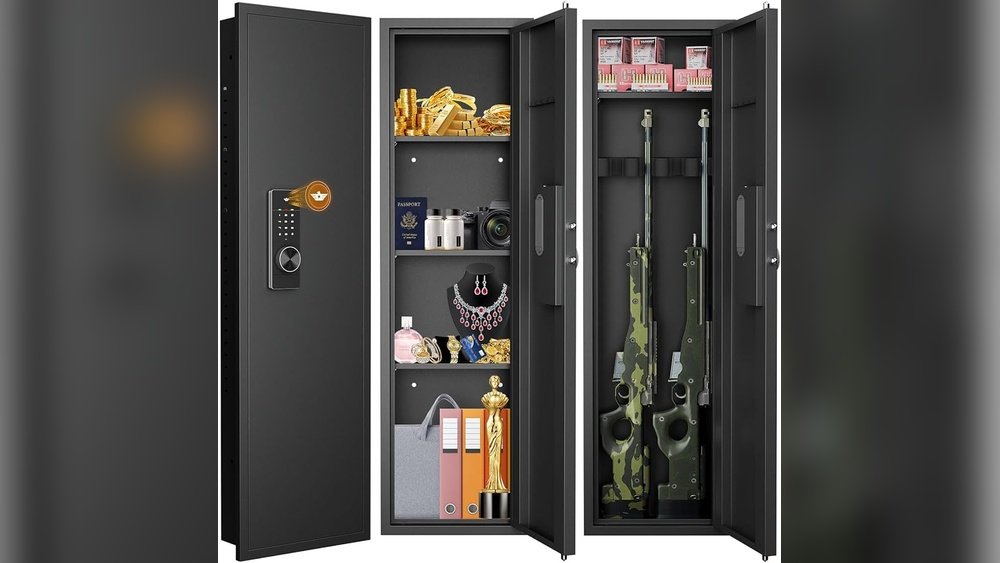
Are you worried about more than just keeping your guns secure? What if your gun safe could also warn you about hidden dangers like humidity or mold that can damage your valuable firearms?
You might be surprised to learn how important monitoring these risks is for protecting your collection. You’ll discover whether a gun safe alarm can truly keep an eye on humidity or mold threats—and what you can do to keep your guns safe inside and out.
Keep reading to find out how to safeguard your investment beyond just locking it up.
Gun Safe Alarm Features
Gun safe alarms protect your firearms from theft and damage. They come with different features to keep your guns secure. Some alarms just alert you about break-ins. Others have smart sensors for more protection. Understanding these features helps you choose the right alarm.
Many people wonder if alarms can monitor humidity or mold risk inside the safe. This depends on the sensors included in the alarm system. Let’s explore the common features and advanced technologies in gun safe alarms.
Standard Alarm Functions
Most gun safe alarms have basic security features. They detect unauthorized opening or movement. The alarm sounds loudly to scare off intruders. Some alarms send alerts to your phone. These functions focus on theft prevention. They do not usually monitor environmental conditions.
Standard alarms are easy to install and use. They provide peace of mind by protecting against break-ins. The main goal is to keep your guns out of wrong hands. Monitoring humidity or mold is not part of these alarms.
Advanced Sensor Technologies
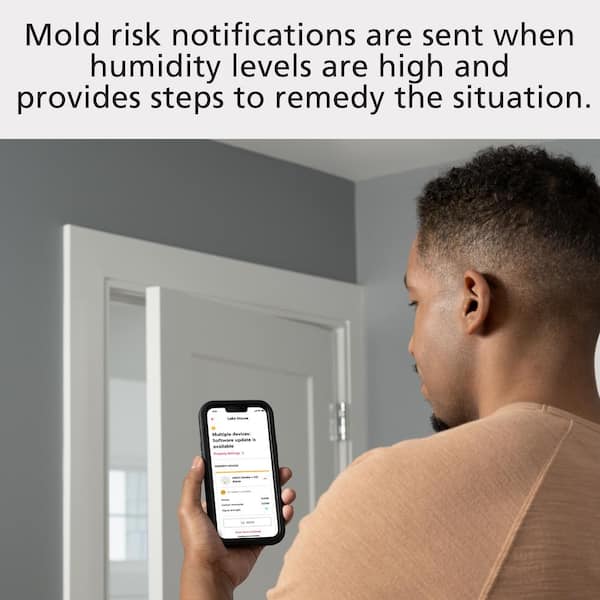
Some gun safe alarms include advanced sensors. These sensors measure temperature and humidity levels. They help detect conditions that cause mold growth. Alerts notify you if humidity rises too high. This feature protects guns and the safe’s interior.
Other sensors check for smoke or fire risks. Smart alarms connect to apps for real-time updates. These technologies add extra layers of protection. They help maintain a safe environment inside the gun safe.

Humidity Risks In Gun Safes
Gun safes protect firearms from theft and damage. Yet, humidity inside these safes can cause serious problems. Moist air trapped inside a safe can harm guns and ammo over time. Understanding humidity risks is key to keeping your collection safe and in good condition.
Causes Of Moisture Buildup
Moisture can enter a gun safe in many ways. Daily changes in temperature cause air to expand and contract. This movement brings in moist air through small gaps. Poor ventilation also traps humidity inside. Storing damp items or keeping the safe in a humid room adds to moisture buildup.
Impact On Firearms And Ammunition
High humidity can lead to rust on metal parts of guns. Rust weakens the metal and affects gun performance. Wood stocks may swell or crack from moisture. Ammunition exposed to moisture can misfire or become unsafe. Mold can grow on soft gun cases and fabric inside the safe. This damages the items and creates a bad smell.
Mold Growth Concerns
Mold can damage the inside of a gun safe. It thrives in damp, dark places. Gun safes often have these conditions. This makes mold a real risk for your valuables. Understanding how mold grows helps protect your safe’s contents.
Some gun safe alarms monitor humidity. But not all detect mold risk directly. Knowing what conditions cause mold helps you decide if extra protection is needed.
Conditions Favoring Mold
Mold grows best in warm, moist air. Humidity above 60% creates ideal conditions. Poor ventilation inside the safe worsens moisture buildup. Water leaks or wet items inside also increase risk. Dark, enclosed spaces make mold grow faster. Even small dampness can cause mold over time.
Consequences For Safe Contents
Mold damages wood, paper, and leather inside safes. It causes stains and bad smells. Metal parts can rust if moisture stays high. Mold spores can spread quickly. This harms guns, documents, and collectibles. Removing mold is difficult and costly. Prevention is better than cleaning later.

Humidity Monitoring Options
Keeping guns safe means more than just locking them up. Moisture inside a safe can cause rust and mold. Monitoring humidity helps protect your firearms. There are a few ways to track moisture levels inside a gun safe. These options vary in cost and ease of use. Knowing about them helps you pick the best for your needs.
Built-in Humidity Sensors
Some gun safes come with built-in humidity sensors. These sensors measure moisture in the air inside the safe. They often show readings on a small screen or alert you if levels rise. This feature adds extra protection without needing extra devices. It also helps keep track of moisture all the time. However, not all safes have this feature. It is usually found in higher-end models.
External Hygrometer Integration
Another option is using an external hygrometer. This device measures humidity and can be placed inside the safe. Many hygrometers are small and easy to install. Some can connect to your phone or alarm system. This way, you get alerts if moisture gets too high. External devices often cost less than built-in sensors. They also allow you to upgrade or replace them easily.
Alarm Systems For Mold Prevention
Alarm systems for mold prevention protect gun safes from harmful moisture. These systems help keep valuable firearms safe. They monitor the environment inside the safe to avoid mold growth.
Humidity is the main cause of mold. Too much moisture can damage guns and ammo. Alarm systems detect humidity levels early. This helps prevent mold before it starts.
Triggering Alerts For High Humidity
Many alarm systems include humidity sensors. These sensors check moisture levels inside the safe. When humidity rises above a set limit, the alarm triggers. This alert warns the owner to act fast. Quick action can stop mold and rust from forming. Alerts can come as sounds, lights, or phone notifications. This instant warning keeps your safe environment under control.
Automated Dehumidifier Controls
Some alarm systems connect directly to dehumidifiers. When humidity gets too high, the system turns on the dehumidifier. This automatic control keeps moisture low without needing manual steps. It helps maintain a stable climate inside the safe. Consistent dryness reduces the risk of mold and corrosion. Automated controls make gun safes safer and easier to manage.
Choosing The Right Gun Safe Alarm
Choosing the right gun safe alarm is important for protecting your firearms and preventing damage. Not all alarms monitor humidity or mold risk. Some focus only on unauthorized access.
Understanding what features you need helps pick the best alarm. Accuracy and compatibility are key factors. These ensure your safe stays secure and dry.
Evaluating Sensor Accuracy
Sensor accuracy matters for reliable alerts. A good alarm detects small changes in humidity. It warns you before mold can grow inside the safe.
Check sensor precision and response time. Avoid alarms with frequent false alarms. Accurate sensors save you time and worry.
Compatibility With Existing Safes
Not all alarms fit every gun safe. Some require special mounts or wiring. Choose an alarm compatible with your safe model.
Consider wireless options for easier installation. Confirm the alarm works with your safe’s locking system. Proper fit means better protection.
Maintenance Tips To Reduce Mold Risk
Maintaining a gun safe to reduce mold risk requires simple, regular care. Mold grows in damp, dark places, so controlling moisture inside your safe is key. Small steps can stop mold before it starts. These maintenance tips help keep your valuables safe and dry.
Regular Safe Inspection
Check your gun safe often for signs of moisture or mold. Look inside and around the door seals. Feel for dampness or a musty smell. Early detection helps prevent mold from spreading. Clean the safe with a dry cloth to remove dust and dirt. Keep the door open for a short time to air it out after cleaning.
Use Of Desiccants And Dehumidifiers
Place desiccants like silica gel packs inside the safe to absorb moisture. Replace them regularly as they lose effectiveness over time. Small electric dehumidifiers made for safes can also keep humidity low. These devices help keep air dry and prevent mold growth. Use a humidity monitor to check moisture levels inside the safe often.
Frequently Asked Questions
Can A Gun Safe Alarm Detect Humidity Levels?
Most gun safe alarms do not monitor humidity. Specialized sensors or dehumidifiers are needed to track moisture inside the safe.
How Does Humidity Affect Gun Safes?
High humidity can cause rust and mold inside a gun safe. Proper moisture control is essential to protect firearms and valuables.
Are There Alarms That Warn About Mold Risk?
Few gun safe alarms include mold detection. Using humidity sensors and mold indicators helps prevent damage due to mold growth.
Should I Add A Dehumidifier To My Gun Safe?
Yes, dehumidifiers control moisture and reduce mold risk. Combining them with alarms enhances gun safe protection against humidity damage.
Conclusion
A gun safe alarm can alert you to break-ins but usually not humidity. Moisture and mold risks need special sensors or dehumidifiers. Protecting your firearms means controlling the environment inside the safe. Check humidity levels regularly with a separate gauge.
Use desiccants or small dehumidifiers to keep the air dry. Taking these steps helps avoid rust and mold damage. Keep your gun safe secure and dry for long-lasting protection. Simple care makes a big difference in preserving your collection.