Is your basement feeling damp and chilly, no matter what you try? You might be wondering if a dehumidifier can actually help when the temperature drops.
It’s a common concern because cold basements often hold stubborn moisture that causes musty smells, mold, and damage to your belongings. But can a dehumidifier really work in these low temperatures? You’ll discover how dehumidifiers perform in cold basements, what challenges you might face, and the best solutions to keep your space dry and comfortable.
Keep reading to find out how to protect your home and breathe easier, even when the basement is cold.

How Dehumidifiers Function
Understanding how dehumidifiers work helps explain their use in cold basements. These devices remove moisture from the air, preventing dampness and mold. Their function relies on basic principles and different types designed for various conditions.
Basic Operation Principles
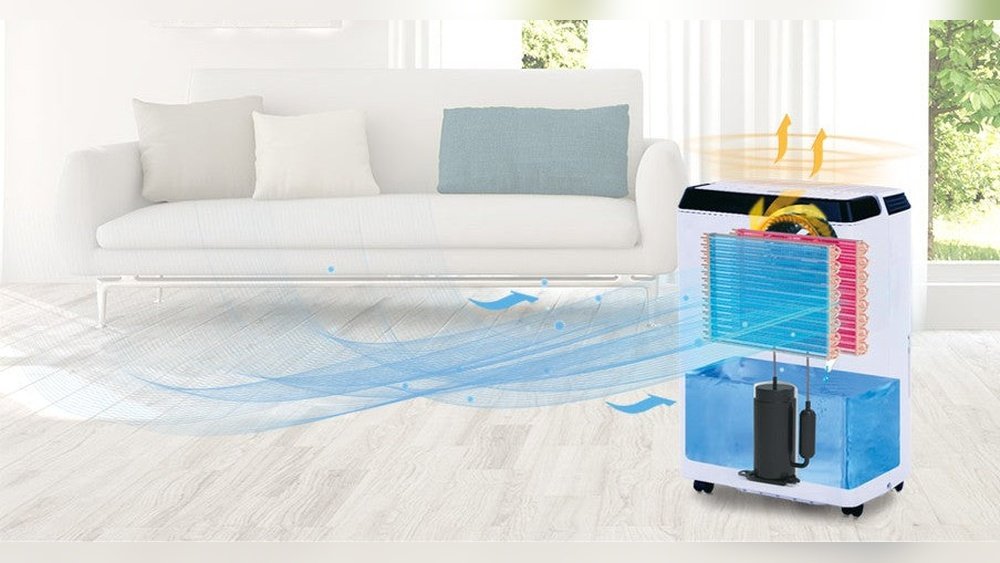
A dehumidifier pulls moist air inside. The air passes over cold coils, causing water to condense. This water collects in a tank or drains away. The dry air is then warmed and released back into the room. This cycle repeats until the air reaches the desired dryness level.
Cold coils are key. They cool the air below its dew point. This causes moisture to turn into liquid. The machine uses a fan to move air continuously. Sensors monitor humidity levels and control the process automatically.
Types Of Dehumidifiers
Two main types exist: refrigerant and desiccant dehumidifiers. Refrigerant models use cold coils to condense water. They work best in warm, humid spaces. Their efficiency drops in cold temperatures, like cold basements.
Desiccant dehumidifiers use a drying material to absorb moisture. They operate well in lower temperatures. These units are quieter and lighter but use more energy. Choosing the right type depends on basement temperature and moisture levels.
Challenges Of Cold Basements
Cold basements create unique problems for keeping air dry. The low temperature affects how moisture behaves. This makes controlling humidity harder than in warmer spaces.
Many homes have basements that stay cold all year. These areas can feel damp and uncomfortable. Understanding these challenges helps find the best solutions.
Temperature Effects On Moisture
Cold air holds less moisture than warm air. When warm, moist air meets cold basement walls, it cools down. This causes water to form on surfaces as condensation.
Condensation leads to wet walls and floors. It also encourages mold and mildew growth. These problems worsen in basements below 60°F (15°C). Cold temperatures slow dehumidifiers or reduce their efficiency.
Common Basement Humidity Issues
Basements often suffer from high humidity levels. Water seeps through cracks in walls or floors. Poor ventilation traps moist air inside.
Standing water or leaks add to the dampness. High humidity causes musty smells and damage to stored items. It also risks health problems from mold spores.
Cold basements need special care to control humidity. Standard dehumidifiers may struggle under these conditions.
Dehumidifier Performance In Low Temperatures
Dehumidifiers help reduce moisture in basements. But cold temperatures can affect how well they work. In cold basements, their performance changes. It is important to know what happens to keep the basement dry.
Low temperatures can lower the dehumidifier’s ability to pull moisture from the air. This can cause the basement to stay damp. Understanding these effects helps in choosing the right dehumidifier.
Impact Of Cold On Efficiency
Cold air holds less moisture than warm air. This means the dehumidifier has less water to remove. The machine may run longer but remove less water. Cold can cause the coils inside to get too cold. This slows down the moisture removal process.
Some dehumidifiers stop working well below 60°F (15°C). They may not remove enough moisture in cold basements. This makes it harder to keep the air dry and prevents mold growth.
Frost And Ice Formation Problems
Cold temperatures can cause frost to build on the dehumidifier coils. Frost blocks airflow and stops the machine from working. Some models have an auto-defrost feature to fix this problem. Without it, ice can damage the dehumidifier.
Ice buildup means the machine needs to stop and thaw. This reduces its running time and efficiency. Choosing a dehumidifier with frost control is important for cold basements.

Best Dehumidifier Options For Cold Spaces
Basements often stay cold and damp. Regular dehumidifiers may not work well in these conditions. Choosing the right dehumidifier can keep your basement dry and comfortable. Some models handle cold temperatures better than others. Understanding your options helps you pick the best unit.
This guide explains the best dehumidifier types and features for cold basements.
Refrigerant Vs. Desiccant Models
Refrigerant dehumidifiers cool air to remove moisture. They work best above 65°F. In cold basements, their efficiency drops. Ice may form on coils, reducing performance.
Desiccant dehumidifiers use a drying material to absorb moisture. They perform well in low temperatures. Desiccants do not freeze and keep working in cold spaces. They often use more energy but are reliable in basements below 60°F.
For cold basements, desiccant models usually offer better moisture control.
Features To Look For
Choose a dehumidifier with an automatic defrost function. This prevents ice buildup on coils. A built-in humidistat helps maintain set humidity levels. Look for adjustable fan speeds to control airflow.
A large water tank or continuous drain option reduces frequent emptying. Low-temperature operation rating is important for cold basements. Energy-efficient models save electricity without losing power.
Quiet operation matters if you spend time in the basement. Compact size helps fit the unit in tight spaces.
Tips For Using Dehumidifiers In Cold Basements
Using a dehumidifier in a cold basement needs careful planning. Cold air can affect how well your dehumidifier works. Follow these tips to keep your basement dry and your machine running smoothly. Simple steps make a big difference in performance and lifespan.
Placement And Setup Advice
Place the dehumidifier in the warmest part of the basement. Avoid corners or spots near cold walls. Keep it away from doors to reduce cold air exposure. Make sure the air flows freely around the unit. Do not block the intake or exhaust vents. Use a model designed for low temperatures, if possible. Set the humidity level between 50% and 60% for best results.
Maintenance And Care
Check the dehumidifier regularly for frost buildup. Cold basements often cause frost on coils and filters. Clean or replace filters every month. Empty the water tank before it overflows. Some models have auto-drain options; use them if you can. Keep the unit clean and dust-free. Turn off the dehumidifier if frost builds up too much. This helps prevent damage and keeps it working longer.
Alternative Solutions For Basement Moisture
Basement moisture can cause many problems like mold and bad smells. Dehumidifiers help, but cold basements need other solutions too. These alternatives work well to keep your basement dry and healthy. They prevent water buildup and improve air quality.
Improving Ventilation
Good ventilation moves moist air outside. It stops damp air from staying inside the basement. Open windows or vents to let fresh air in. Use exhaust fans to pull humid air out. This keeps the basement dry and fresh. Ventilation also helps reduce mold growth and bad odors.
Waterproofing Techniques
Waterproofing stops water from entering the basement walls or floor. Use sealants on walls and floors to block moisture. Install a sump pump to remove water that collects below the basement. Exterior waterproofing with membranes or drainage systems helps too. These methods protect your basement from leaks and dampness.

Frequently Asked Questions
Can A Dehumidifier Operate Effectively In A Cold Basement?
Yes, some dehumidifiers work well in cold basements. Look for models with low-temperature or frost control features. These prevent ice buildup and maintain efficient moisture removal even below 65°F.
What Temperature Is Ideal For Dehumidifier Use?
Dehumidifiers work best between 65°F and 85°F. Below 65°F, standard units may freeze. Choose a low-temperature or basement-specific dehumidifier for cooler environments.
How Does Cold Affect A Dehumidifier’s Performance?
Cold temperatures can cause coils to freeze, reducing efficiency. Low-temp models have defrost cycles to prevent freezing, ensuring continuous moisture removal in cold basements.
Should I Use A Special Dehumidifier For Cold Basements?
Yes, use a dehumidifier designed for low temperatures. These units include frost control or auto-defrost features to operate efficiently in cold basement conditions.
Conclusion
A dehumidifier can work in a cold basement with the right type. Choose one designed for low temperatures to avoid frost buildup. Keep the basement temperature stable for best results. Regular maintenance helps the dehumidifier last longer. Controlling moisture prevents mold and keeps air fresh.
A dry basement feels more comfortable and safe. Knowing your space helps you pick the best device. Small steps lead to big improvements in basement air quality.