Are you tired of seeing mold creeping up on your walls or smelling that musty odor in your home? Mold not only looks unpleasant but can also affect your health and damage your property.
You might be wondering if a dehumidifier could be the simple solution you need to fight back. Can it really help reduce mold problems and keep your home fresh and safe? Keep reading to discover how controlling moisture with a dehumidifier could be the key to winning the battle against mold for good.
Mold Growth And Moisture
Mold growth depends heavily on moisture. Without moisture, mold cannot thrive or spread. Mold spores are always present in the air. They only grow when they find damp conditions. Controlling moisture is the key to preventing mold problems. Understanding how moisture fuels mold helps tackle the issue effectively.
How Moisture Fuels Mold
Mold needs water to grow. Even small amounts of moisture can start mold growth. Wet surfaces, leaks, or high humidity create perfect conditions. Mold feeds on organic materials like wood, paper, and fabric. Moisture breaks down these materials, making them easier for mold to consume. Damp areas encourage mold spores to multiply quickly.
When moisture stays for long periods, mold spreads fast. Condensation on walls or windows adds to the problem. Moisture also lowers air quality. Mold produces spores and gases that can cause health issues. Controlling moisture stops mold from getting the nutrients it needs.
Common Mold-prone Areas
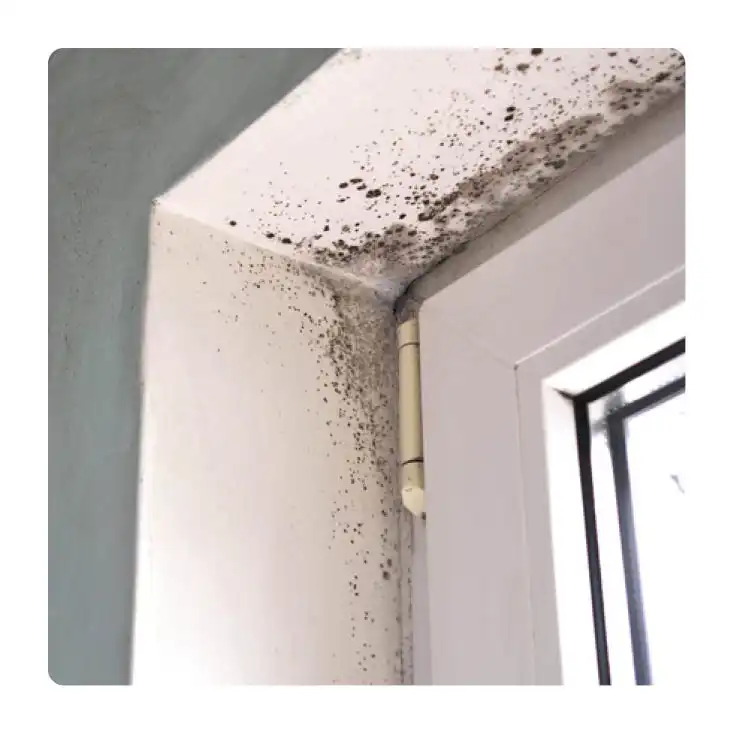
Mold often grows in places with poor ventilation. Bathrooms and kitchens are common spots due to steam and water use. Basements and crawl spaces can stay damp and dark, inviting mold. Leaky roofs and pipes create hidden moisture behind walls. Window sills and around air conditioners often collect condensation.
Closets and storage areas with little airflow may also develop mold. Any place with water damage or flooding risks mold growth. Regular checks in these areas help catch mold early. Removing moisture reduces mold chances significantly.
Role Of Dehumidifiers
Mold grows in damp and humid places. Dehumidifiers help by reducing moisture in the air. They keep your home dry and less friendly to mold.
Using a dehumidifier can stop mold spores from spreading. It lowers the chance of mold damage and health problems. Understanding how dehumidifiers work and the best humidity levels is important.
How Dehumidifiers Work
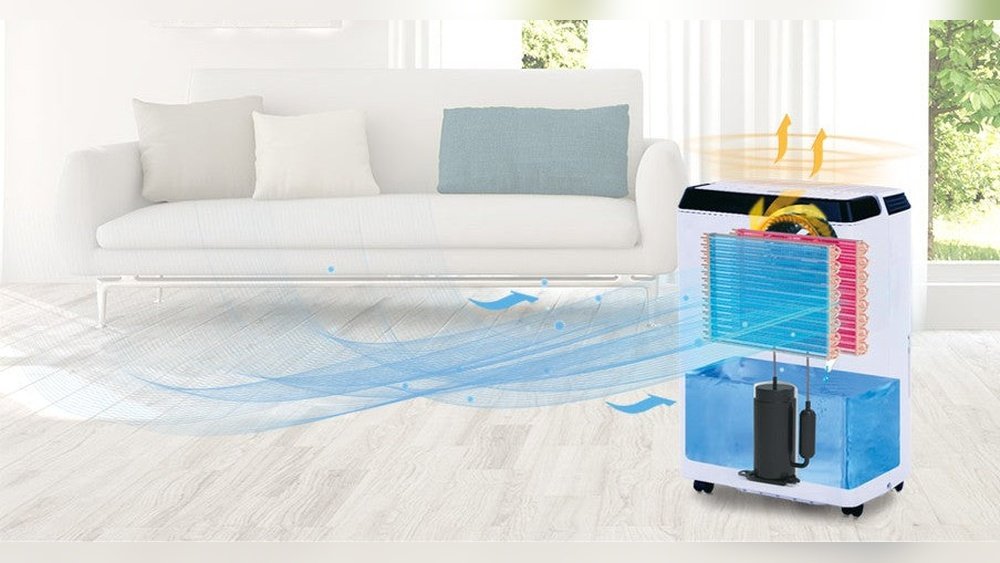
Dehumidifiers pull in moist air from the room. The air passes over cold coils. Water condenses and collects inside a tank. Dry air is then released back into the room. This process lowers indoor humidity levels.
Some models have sensors to keep humidity steady. Others need manual settings. The key is to run the device long enough to reduce moisture effectively.
Ideal Humidity Levels To Prevent Mold
Keeping indoor humidity below 60% helps stop mold growth. The best range is between 30% and 50%. Too low humidity can cause dry skin and wood cracks.
Use a hygrometer to check humidity levels. Adjust the dehumidifier to maintain a safe range. This balance protects your home and health from mold risks.
Effectiveness Against Mold
Mold grows fast in damp and humid places. Controlling moisture is key to stopping mold. Dehumidifiers help lower indoor humidity. This can make your home less friendly to mold growth. Understanding how well dehumidifiers work against mold can help you protect your space.
Reducing Mold Spore Growth
Mold spores need moisture to grow. Dehumidifiers remove excess moisture from the air. This stops mold spores from settling and multiplying. When humidity stays below 50%, mold growth slows down. Dehumidifiers keep air dry, making it hard for mold to spread. They help keep walls, floors, and ceilings dry.
Limitations Of Dehumidifiers
Dehumidifiers do not remove mold already on surfaces. They only control moisture in the air. Mold in hidden places needs cleaning or treatment. Dehumidifiers also need regular maintenance to work well. They cannot fix leaks or poor ventilation. Other steps are necessary to fully stop mold problems.
Choosing The Right Dehumidifier
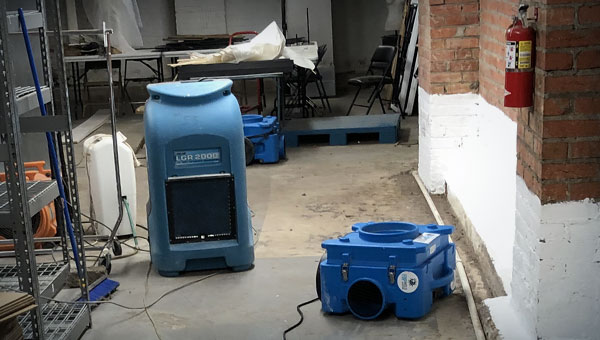
Choosing the right dehumidifier is important for controlling mold. A good dehumidifier removes excess moisture from the air. This helps stop mold growth and keeps your home dry. Picking the best one depends on your room size and needs.
Size And Capacity Considerations
Check the size of the room where you want to use the dehumidifier. Small rooms need smaller units. Large rooms need bigger machines with higher capacity. Capacity means how much moisture the dehumidifier can remove each day. A unit with the right capacity works faster and uses less energy. Too small a unit will not dry the air enough. Too large a unit may waste power.
Features To Look For
Look for models with an easy-to-use control panel. An automatic shut-off feature is helpful when the water tank is full. Some units have a built-in pump to remove water continuously. A washable air filter improves air quality and saves money. Low noise levels matter if you use it in bedrooms or offices. Energy efficiency helps lower electricity bills.
Additional Mold Control Methods
Dehumidifiers help reduce moisture, but they are not enough alone to stop mold. Other steps work well with dehumidifiers to keep mold away. These methods make your home safer and cleaner.
Proper Ventilation
Good airflow lowers humidity inside your home. Open windows and doors when possible. Use exhaust fans in bathrooms and kitchens. Ventilation helps dry wet areas fast. This stops mold spores from growing.
Regular Cleaning And Maintenance
Clean damp places often. Use mold-killing cleaners on surfaces. Check areas like basements, bathrooms, and under sinks. Keep your home free of dust and dirt. Clean vents and air filters regularly. This reduces places where mold can grow.
Addressing Water Leaks
Fix leaks in pipes, roofs, and walls quickly. Water leaks create perfect spots for mold. Check your home for hidden leaks. Repair damaged areas right away. Dry wet materials or replace them if needed. Stopping water problems controls mold growth effectively.
Maintenance Tips For Dehumidifiers
Proper maintenance of your dehumidifier helps it run well and last longer. It keeps mold growth under control by removing moisture effectively. Regular care prevents bad smells and keeps the air clean. Follow these simple tips to keep your dehumidifier working at its best.
Cleaning Filters And Tanks
Check the filter every two weeks. Dust and dirt block airflow and reduce efficiency. Wash the filter with mild soap and water. Let it dry completely before putting it back.
Empty the water tank daily. Clean it with warm, soapy water to stop mold and bacteria. Rinse well and dry the tank before using it again.
Optimal Placement
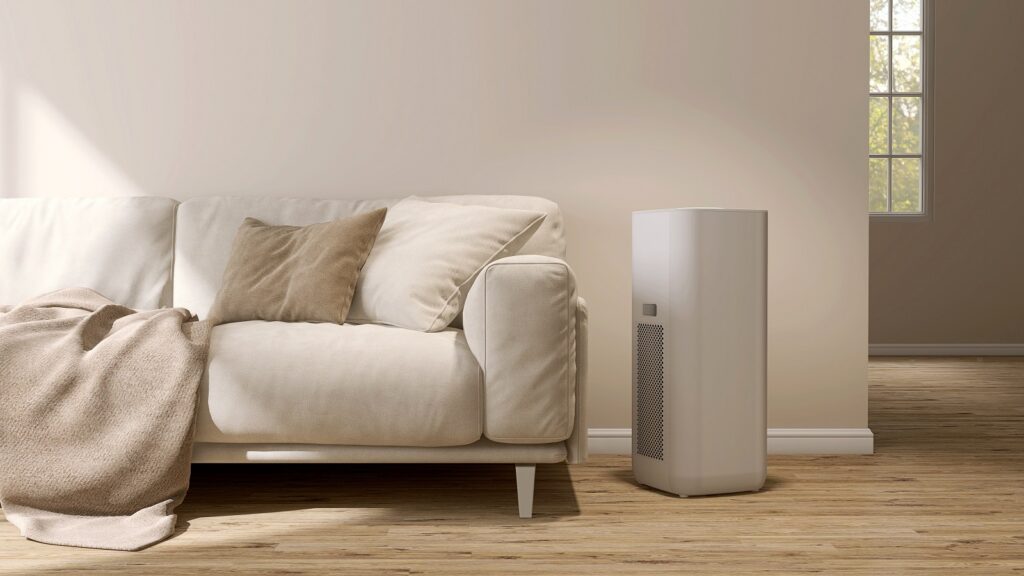
Place your dehumidifier in the dampest room. This helps remove moisture faster. Keep it at least six inches away from walls and furniture. It allows air to flow freely around the unit.
Avoid placing the dehumidifier near heat sources. Heat can affect its performance. Keep doors and windows closed to trap moisture inside the room.
Frequently Asked Questions
Can A Dehumidifier Prevent Mold Growth Effectively?
Yes, a dehumidifier reduces indoor humidity, limiting mold growth. Keeping humidity below 50% stops mold spores from thriving. It’s a practical tool for mold prevention in damp areas.
How Does A Dehumidifier Help With Mold Problems?
A dehumidifier removes excess moisture from the air. This creates an environment unsuitable for mold growth. It lowers humidity, helping control and prevent mold issues indoors.
Is A Dehumidifier Enough To Remove Existing Mold?
No, a dehumidifier alone won’t remove existing mold. It prevents mold from spreading but you must clean visible mold. Use proper cleaning methods alongside moisture control.
What Humidity Level Should I Keep To Avoid Mold?
Maintain indoor humidity between 30% and 50% to prevent mold. Higher levels encourage mold growth, while lower levels keep your home healthier.
Conclusion
Dehumidifiers reduce moisture, which helps stop mold growth. They create a drier space, making it hard for mold to spread. Using a dehumidifier is a smart step for mold control. Keep your home dry and clean for best results. Regularly check problem areas and run the dehumidifier as needed.
This simple tool supports healthier air and a safer home. Mold problems need attention, and controlling humidity is key.