Are allergies making your home feel like a constant battle zone? Sneezing, itchy eyes, and congestion can turn your safe space into a source of frustration.
But what if a simple device could ease your symptoms and improve the air you breathe every day? You might have heard about dehumidifiers, but can they really help with allergies? Keep reading to discover how controlling humidity could be the key to finding relief and making your home a healthier place for you and your loved ones.

How Allergies And Humidity Are Connected
Humidity plays a big role in allergies. Moist air helps allergens grow and spread inside homes. Understanding this link helps manage allergy symptoms better. Drying the air can reduce allergens. This makes living spaces healthier for sensitive people.
Role Of Moisture In Allergen Growth
Moisture creates a perfect place for allergens to live. Dust mites need humidity above 50% to survive. Mold spores grow fast in damp areas like bathrooms and basements. Wetness also helps bacteria multiply. These tiny invaders cause sneezing and itchy eyes.
Common Allergens Thriving In Damp Environments
Mold is a common allergen in moist homes. It releases spores that irritate lungs and skin. Dust mites feed on dead skin and live in humid bedding. Cockroaches also prefer damp places and leave waste that triggers allergies. Controlling humidity cuts down these allergens effectively.
Ways Dehumidifiers Reduce Allergens
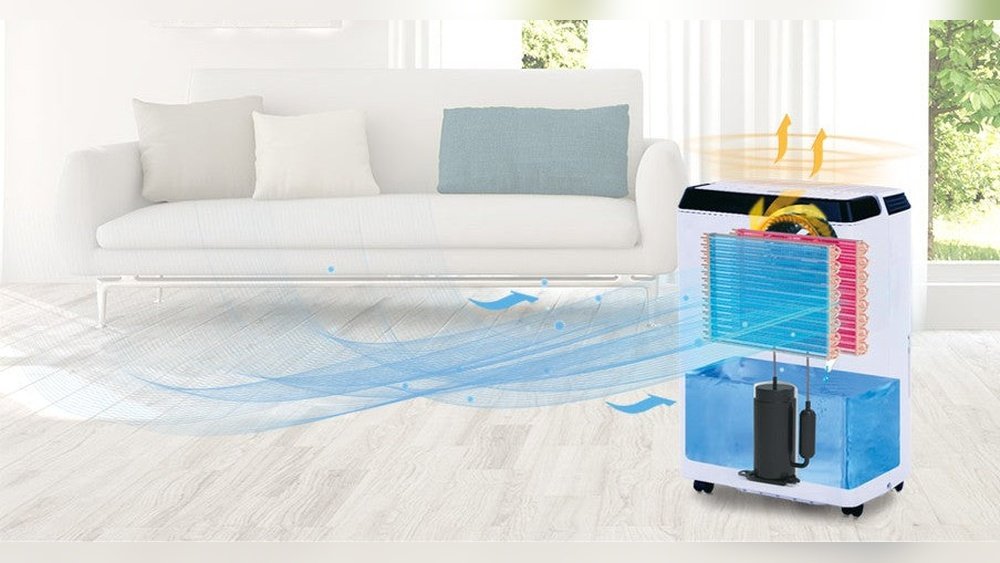
Dehumidifiers play a key role in reducing allergens inside homes. They keep the air dry, which stops many allergens from growing. Lower humidity creates a less friendly space for harmful particles. This helps people with allergies breathe easier and feel better. The following sections explain how dehumidifiers reduce specific allergens.
Lowering Mold And Mildew
Mold and mildew grow in damp places. High humidity encourages their growth on walls, floors, and furniture. Dehumidifiers reduce moisture in the air, making these spots dry. Without moisture, mold spores cannot multiply quickly. This lowers the chance of mold-related allergy symptoms such as sneezing and coughing.
Controlling Dust Mites
Dust mites thrive in humid environments. They live in bedding, carpets, and upholstery. Dry air from dehumidifiers makes it hard for dust mites to survive. Reducing their numbers means fewer allergens floating in your home. This helps reduce sneezing, itchy eyes, and other allergy problems.
Impact On Pet Dander
Pet dander sticks to surfaces and floats in the air. Moist air helps dander stay airborne longer. Dehumidifiers lower humidity, causing dander to settle quickly. This reduces the amount of dander you breathe in. It helps allergy sufferers feel more comfortable around pets.
Choosing The Right Dehumidifier
Choosing the right dehumidifier matters a lot for allergy relief. The wrong unit might not remove enough moisture. This can leave allergens like mold and dust mites active. A good fit helps keep your home dry and healthy.
Size And Capacity Considerations
Pick a dehumidifier based on room size. Small rooms need less capacity. Big rooms or basements require larger units. Check the unit’s moisture removal rate. It shows how many pints of water it can remove daily. Match this to your room’s humidity level for best results.
Features To Look For
Choose a dehumidifier with an adjustable humidistat. This lets you set your desired humidity level. Auto shut-off is useful to avoid overflow. Look for easy-to-clean filters. A low noise level helps if you use it in bedrooms. Energy-efficient models save electricity and cost less to run.
Placement Tips For Best Results
Place the dehumidifier in the dampest part of the room. Keep it away from walls and furniture. This allows air to flow freely. Avoid corners or blocked spaces. Elevate it slightly if the floor is wet. This improves water collection and drying speed. Check the drain hose position for continuous drainage if needed.
Additional Allergy Relief Tips
Using a dehumidifier can reduce moisture that causes allergens. Still, other steps help reduce allergy symptoms effectively. These extra tips improve your home’s air and reduce allergens further.
Improving Indoor Air Quality
Keep windows open on dry days to let fresh air in. Use exhaust fans in kitchens and bathrooms to remove damp air. Avoid smoking indoors to prevent harmful particles from spreading. Houseplants can help clean the air naturally but do not overwater them.
Regular Cleaning Habits
Dust and vacuum your home often to remove allergens. Use a vacuum with a HEPA filter for best results. Wash bedding weekly in hot water to kill dust mites. Clean curtains and upholstery regularly to avoid buildup of allergens.
Using Air Purifiers Alongside Dehumidifiers
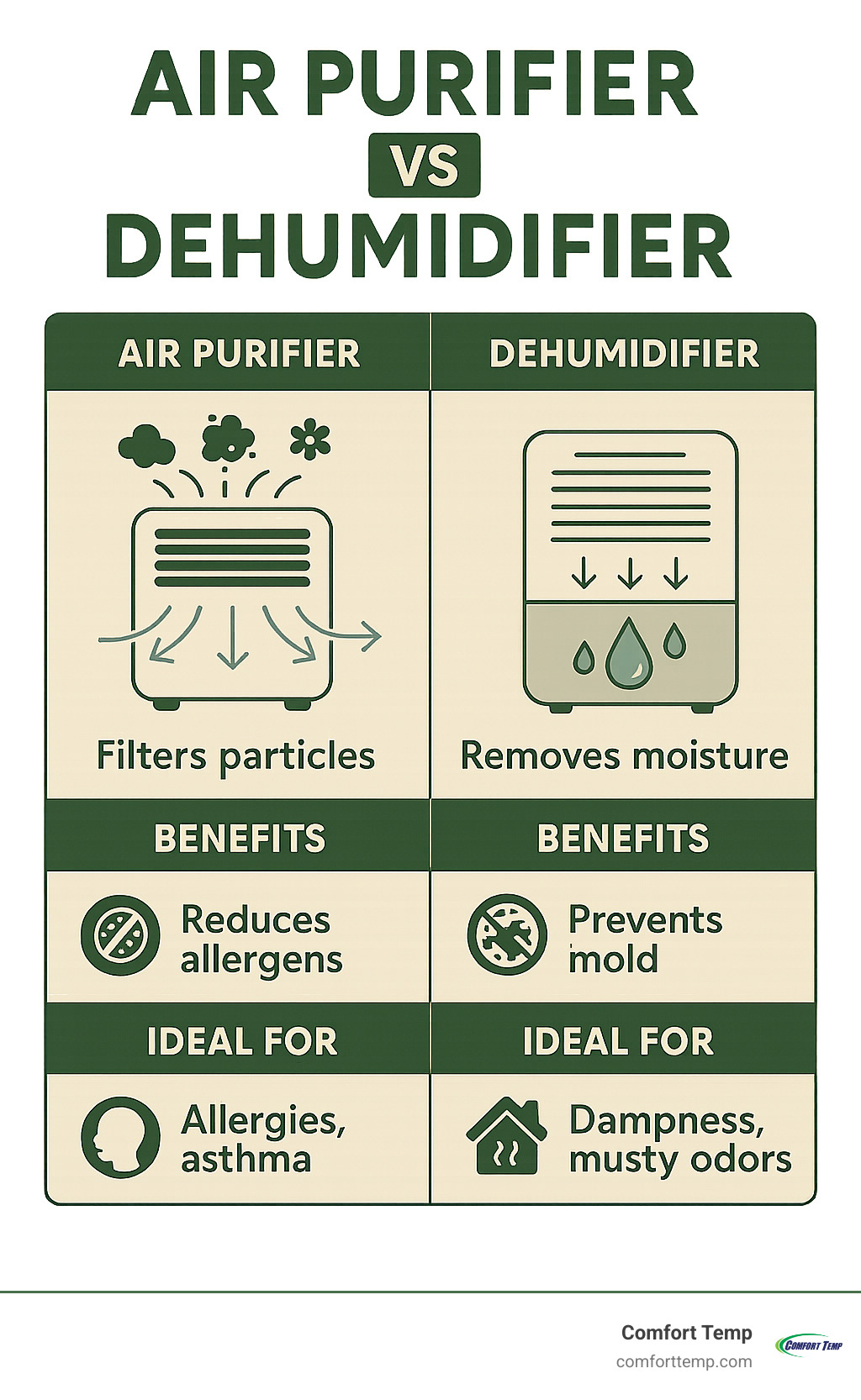
Air purifiers trap tiny particles that cause allergies. Place purifiers in bedrooms and living areas for better effect. Choose models with HEPA filters for best performance. Use them together with dehumidifiers for cleaner, drier air.
Potential Limitations Of Dehumidifiers
Dehumidifiers can reduce moisture in the air, which helps with allergies. Still, they have limits. Knowing these limits helps set clear expectations. Not every allergy problem can be solved by using a dehumidifier alone.
When Dehumidifiers May Not Be Enough
Dehumidifiers reduce humidity but do not remove all allergens. Dust, pet dander, and pollen stay in the air. These particles cause allergy symptoms even in dry air. Mold spores may hide in hard-to-reach places. Dehumidifiers cannot clean these hidden spots. Some rooms may have poor airflow, making dehumidifiers less effective.
Maintenance Requirements
Dehumidifiers need regular cleaning and care. Filters and water tanks collect dust and dirt. If not cleaned, mold and bacteria can grow inside. This growth might worsen allergy symptoms. Changing filters often keeps the unit working well. Skipping maintenance can reduce the dehumidifier’s benefits.

Frequently Asked Questions
Can A Dehumidifier Reduce Allergy Symptoms?
Yes, a dehumidifier lowers indoor humidity, which limits mold and dust mites. This reduction helps decrease allergy triggers and improves air quality, easing allergy symptoms effectively.
How Does Humidity Affect Allergies?
High humidity encourages mold, dust mites, and bacteria growth. These allergens worsen allergy symptoms. Controlling humidity helps minimize these triggers and promotes a healthier indoor environment.
What Humidity Level Is Best For Allergy Sufferers?
Ideal indoor humidity is between 30% and 50%. This range inhibits mold and dust mites without causing dryness. Maintaining this level helps reduce allergy symptoms and improves comfort.
Can Dehumidifiers Remove Airborne Allergens?
Dehumidifiers primarily reduce moisture but do not filter allergens directly. However, by lowering humidity, they limit allergen growth, indirectly reducing airborne allergen levels and improving air quality.
Conclusion
A dehumidifier can reduce moisture in your home. Less moisture means fewer dust mites and mold. These are common allergy triggers. Using a dehumidifier helps keep the air dry and clean. It works best combined with regular cleaning. This simple step can ease allergy symptoms.
Clear air feels better to breathe. Consider adding a dehumidifier to your allergy relief plan. Small changes can make a big difference. Breathe easier, live healthier.