Yes, but it requires the right safe, mounting, and legal compliance.
Drivers ask this a lot, and for good reason. Can a carbine safe be used in a vehicle? The short answer is yes, but it is not as simple as bolting a box under a seat. In this guide, I draw on years of setting up secure vehicle storage for carbines in trucks, SUVs, and fleet cars. I will show you what works, what fails, and how to stay legal and safe on the road.

What a Carbine Safe Is and How It Fits in a Vehicle
A carbine safe is a lockable steel box built to hold a short rifle. Many are longer than pistol vaults and need careful fit checks. You must match the safe to your vehicle space and your use case.
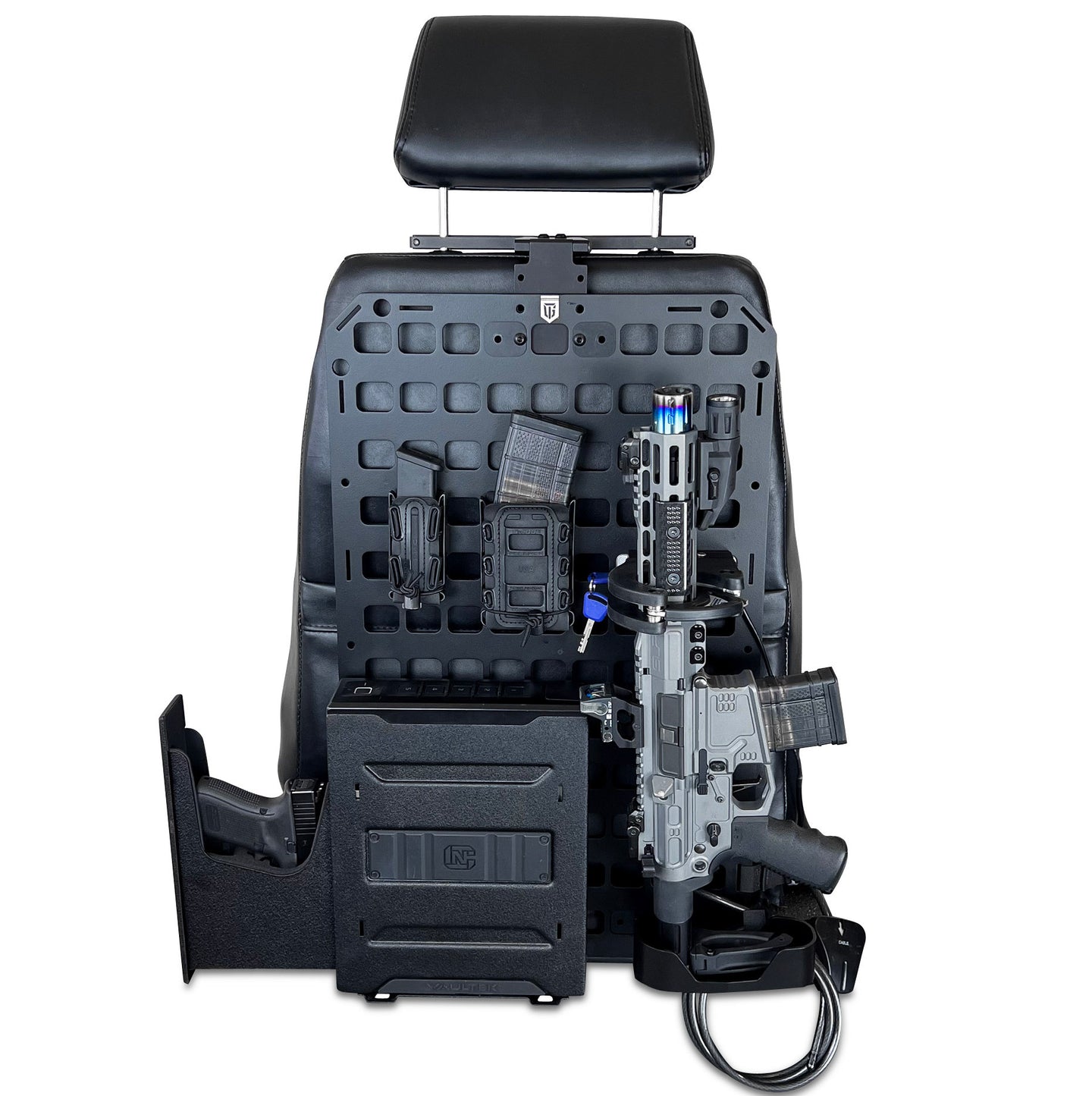
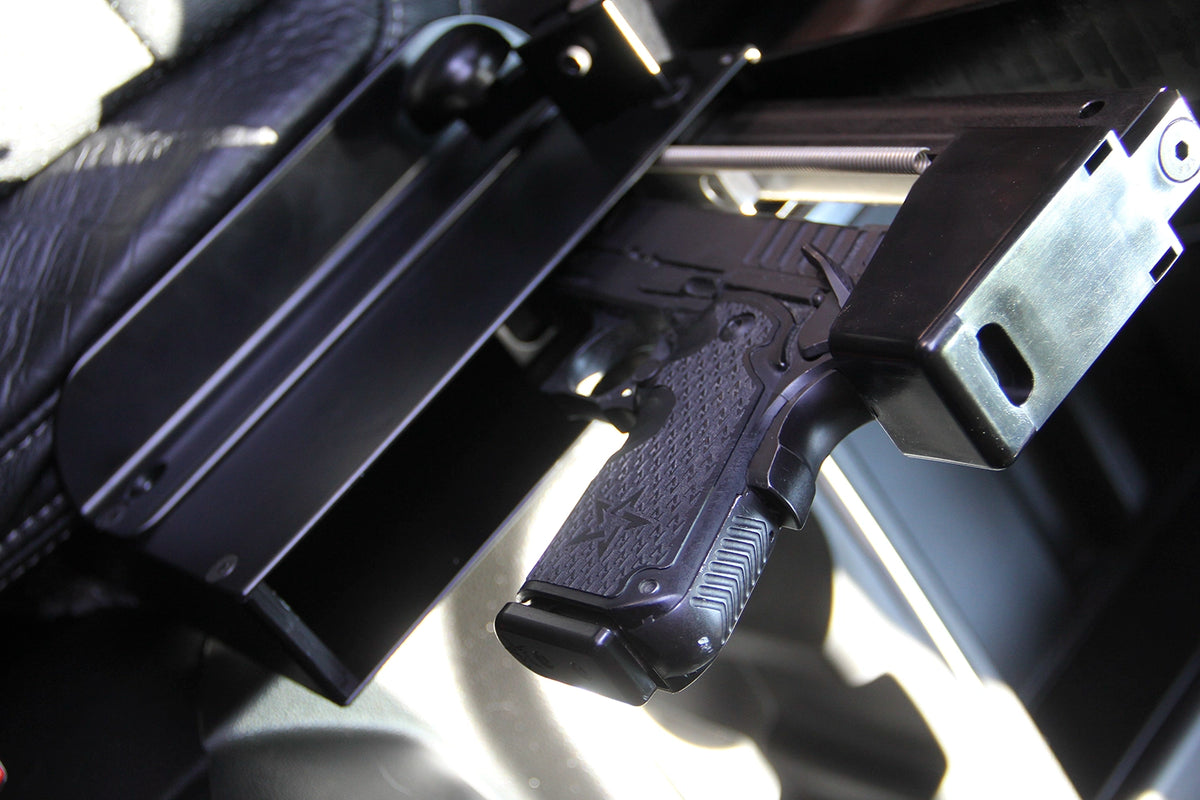
Can a carbine safe be used in a vehicle? Yes, if the safe is made for the job. Look for low-profile designs for under-seat spots or trunk wells. Some models come with vehicle mount plates and gas struts for quick access.
Key fit checks before you buy:
- Measure the longest carbine you plan to store with muzzle device.
- Check height with optic and sling attached.
- Confirm door swing and handle clearance with seats moved.
Legal Considerations You Cannot Ignore
Transport rules vary by state and even by city. Some places require a locked case. Many ban loaded long guns in vehicles. Federal safe passage law can help during travel, but it has limits.
Can a carbine safe be used in a vehicle if it is loaded? In many states, no. Keep the chamber clear, and check if magazines can be loaded. Laws often require the safe to be out of reach. Many states also mandate that firearms in vehicles be hidden from plain view.
What I do before installs:
- Read state transport laws for the states I will cross.
- Confirm if a locked container is required or only advised.
- Document serial numbers and keep proof of ownership separate from the safe.

Security and Mounting: Make Theft Hard and Access Safe
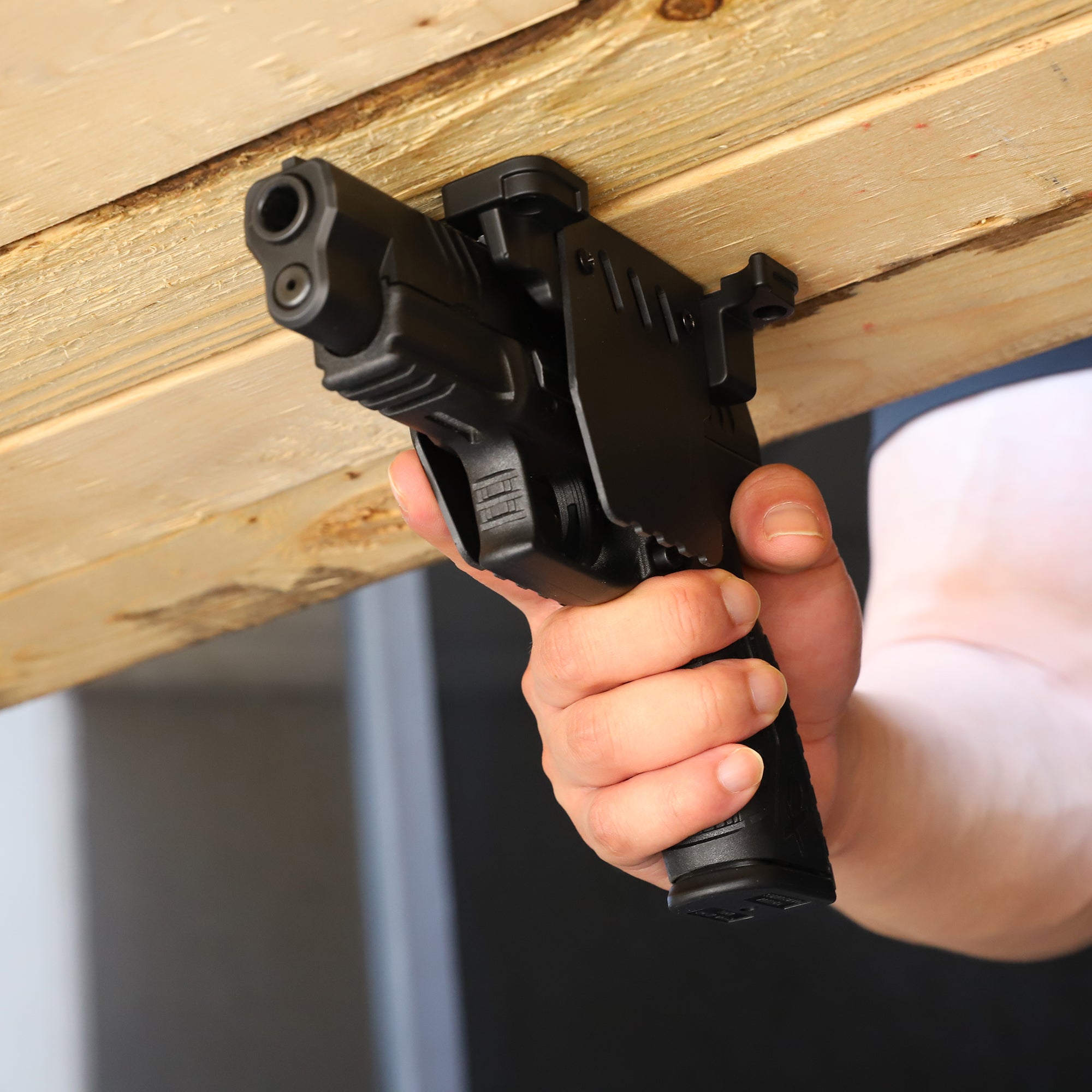
A safe is only as strong as its mount. Thin sheet metal fails fast under prying. Use a backing plate or factory mounting points. If the safe uses a cable, treat that as a temporary solution.
Can a carbine safe be used in a vehicle with only a cable? It can, but theft risk is higher. I prefer bolt-through plates with large washers. I also add threadlocker and check torque often.
Strong mounting choices:
- Use seat rail bolts or cargo tie-down points rated for load.
- Add a steel backing plate under the floor if you must drill.
- Keep the safe hidden and hard to pry, not just hard to see.
Access and Quick Deployment Without Compromising Safety
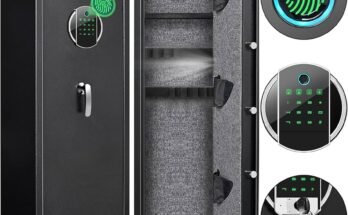
Fast access and secure storage pull in opposite ways. Balance both. Mechanical simplex locks are reliable and work in heat and cold. Biometric locks are fast but can fail with dust, sweat, or winter temps.
Can a carbine safe be used in a vehicle for fast access? Yes, if you test the lock under real conditions. Practice opening the safe in low light and with gloves. Time yourself until you can do it without thinking.
Practical tips:
- Store the carbine with the bolt locked open and a chamber flag if legal.
- Stage the mag as laws allow and train your load sequence.
- Keep a small light inside or nearby for night access.

Heat, Cold, and Moisture: Protect the Firearm and the Safe
Vehicle cabins can reach 130–170°F in summer sun. Cold nights can drop well below freezing. That swing causes condensation and rust. Foam holds moisture. Electronics can suffer too.
Can a carbine safe be used in a vehicle year round? Yes, if you plan for climate. Use a desiccant pack and change it often. Wipe the rifle with a light oil or a rust inhibitor. Choose a safe with a rubber seal or tight tolerances.
Environmental best practices:
- Vent the safe briefly after wet days to release trapped moisture.
- Avoid leaving the rifle in the vehicle for long stretches.
- Inspect optics for fog and battery leaks.
Power and Electronics for Vehicle Safes
Some safes run on batteries only. Others allow 12V power. Both options work in vehicles with the right setup. Use a fused circuit and avoid airbag or sensor lines.
Can a carbine safe be used in a vehicle with an electronic lock? Yes, if you have a manual backup. Keep fresh batteries on a schedule. Use a power port with a fuse tap if allowed by your vehicle and installer.
Power tips I use:
- Pick a lock that still opens with a key or mechanical code.
- Test for parasitic draw to protect your battery.
- Route wires cleanly to avoid pinch points and heat sources.

Best Practices for Daily Use
The goal is secure, legal, and smooth. Build habits that make that easy. Keep the system simple and repeatable.
Can a carbine safe be used in a vehicle every day? Yes, but daily routines matter. The best systems vanish into your day and do not drift out of spec.
Daily checklist:
- Verify the safe is locked before walking away.
- Do a quick tug test on the mount weekly.
- Swap desiccants monthly and batteries on a set date.
Common Mistakes to Avoid
Small errors add risk fast. The good news is you can avoid most of them with a plan.
Can a carbine safe be used in a vehicle without problems? Yes, if you skip these mistakes:
- Mounting to thin sheet metal with small screws.
- Relying only on a biometric lock in harsh weather.
- Placing the safe where it blocks seat belts or airbags.
- Leaving a rifle in view or advertising the gear with stickers.
What to Look For When Buying a Vehicle-Ready Carbine Safe
Not every safe is built for the road. Choose hardware and design that can take vibration, dust, and heat.
Can a carbine safe be used in a vehicle if it is a home model? Sometimes, but a purpose-built model is better. Look for:
- 12–14 gauge steel body with reinforced door.
- Recessed, pry-resistant door and hidden hinges.
- Vehicle mount plate and quality hardware.
- Mechanical or hybrid lock with an override key.
- Gas strut for quiet, controlled opening.
- Interior padding that does not trap moisture.
Step-by-Step: Secure Mounting in a Truck or SUV
Can a carbine safe be used in a vehicle with a DIY install? Yes, if you follow careful steps and use correct hardware.
Steps I use:
- Plan the location with the seat fully back and forward. Check door swing and wiring runs.
- Mark holes using the safe’s plate. Verify nothing sits under the floor where you will drill.
- Drill pilot holes, then final size. Deburr and treat bare metal with rust inhibitor.
- Place a steel backing plate under the floor if possible. Use grade 8 bolts, washers, and nylon-insert nuts.
- Tighten to spec with threadlocker. Test for movement and rattles.
- Load the carbine and run several open-close cycles. Drive and recheck torque after 50 miles.
Maintenance, Checks, and Documentation
A small maintenance habit keeps your setup strong. Treat the safe like any other piece of gear that sees the road.
Can a carbine safe be used in a vehicle for years? Yes, if you maintain it well. Keep a simple log in your glove box or phone.
What to log and check:
- Mount torque every three months.
- Lock function and battery dates.
- Desiccant swap dates and rust checks.
- Serial number list and photos stored off the vehicle.
Theft, Insurance, and Risk Management
Vehicle theft is common. Many stolen guns come from cars and trucks. Reduce risk and plan for the worst case.
Can a carbine safe be used in a vehicle without raising risk? It can lower risk if installed well and used wisely. Ask your insurer about coverage and any needed rider. Keep serials and receipts safe. Report theft at once and give clear records.
Risk reducers that work:
- Park in lit areas and face cameras when possible.
- Keep the safe hidden and remove visible mounts or stickers.
- Use a second layer like a locking drawer or cargo cover.
Real-World Lessons From the Field
Over the years, I have set up carbine safes in patrol SUVs and daily drivers. I learned that the little details matter more than the brand. Seat travel, latch clearance, and airflow make or break the setup.
Can a carbine safe be used in a vehicle across seasons? Yes, if you test it in heat, cold, and dust. My biggest win came from switching to a simplex lock in a desert climate. My biggest mistake was trusting a cable mount in a busy city lot. It delayed, but it did not stop the attack. The hard mount fixed that.
Practical takeaways:
- Test everything in real life, not just in the garage.
- Train your access steps until they feel boring.
- Keep the system simple. Simple survives.
Frequently Asked Questions of Can a carbine safe be used in a vehicle
Is it legal to keep a carbine in a vehicle safe?
Laws vary by state and city. In many places, you must store it unloaded in a locked container and keep it out of sight. Always check your local laws before you drive.
Do I need to bolt the safe to the vehicle?
Bolting is best for theft resistance. A cable is better than nothing, but a bolted mount with a backing plate is far stronger.
Will heat damage my carbine or the lock?
High heat can affect optics, batteries, and some electronic locks. Use shade, desiccants, and consider a mechanical lock for extreme climates.
Can I use a biometric lock in winter?
You can, but cold and moisture may reduce reliability. Always have a manual backup like a key or a mechanical code.
How do I prevent rust inside the safe?
Use a desiccant pack and a light oil on metal parts. Vent the safe when you can, and avoid storing wet gear inside.
Conclusion
Yes, a carbine safe can be used in a vehicle, and it can be done well. The keys are a purpose-built safe, a strong mount, legal awareness, and steady habits. Protect your gear, refine your setup, and train your routine until it is second nature. If you are ready to build your system, start by checking your local laws, measuring your space, and picking a secure mount. Want more tips and vetted gear lists? Subscribe for updates or drop your questions in the comments.