Most carbine safes don’t need pros, but pro installs boost security and compliance.
If you own a carbine, you already value speed, safety, and control. The same should be true for your storage. Do carbine safes require professional installation is a common question I get during home assessments. I’ve installed and audited hundreds of gun safes in houses, apartments, and shops. In this guide, I’ll show you when a pro is worth it, when DIY is better, and how to get a rock-solid, code-aware setup that you trust every day.
Understanding carbine safes and how they mount
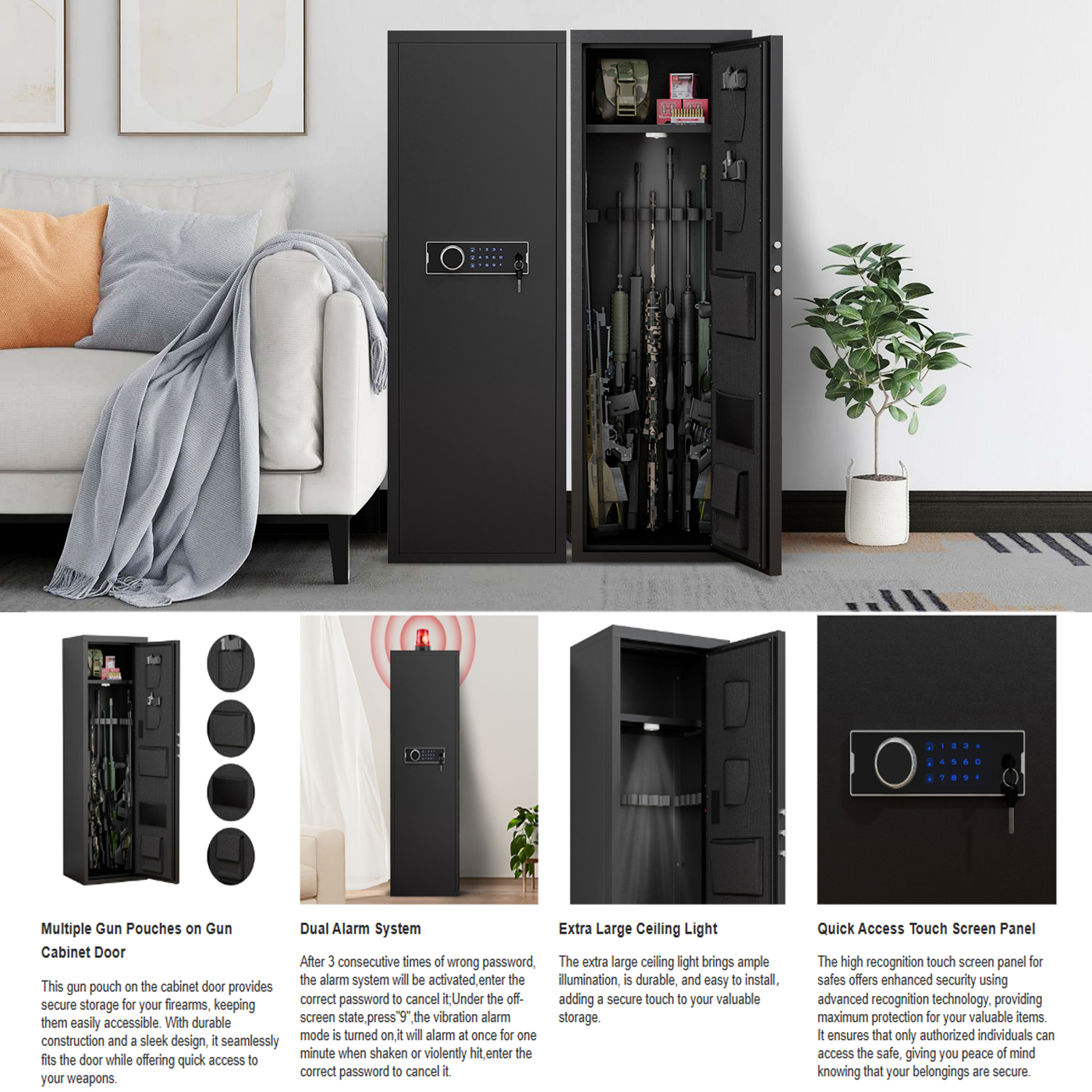
Carbine safes are compact, quick-access boxes for rifles and PCCs. They often sit under a bed, inside a closet, or on a wall near a bedroom or office. Many have backlit keypads, RFID tags, or biometric readers for fast entry.
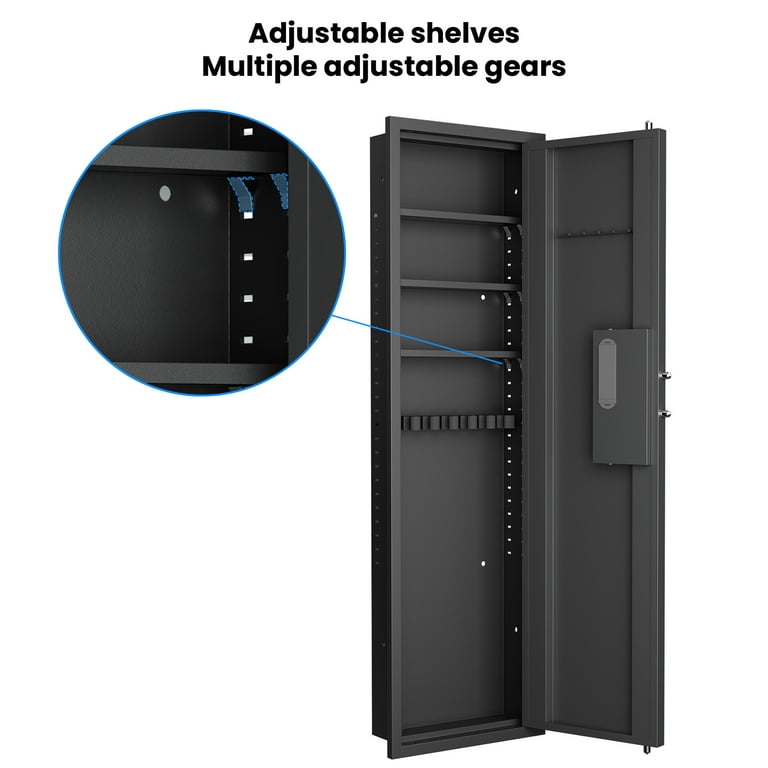
Most units include pre-drilled holes for anchors. You can mount to studs, concrete, or a platform. Some include top or side holes to add anti-pry bolts. Fire and theft ratings vary. The best installs match the safe design, your wall or floor, and your risk level.
Common types:
- Wall-mounted vertical safe stores one to two carbines with mags.
- Under-bed drawer safe with slide rails and a tether or bolt kit.
- Closet or cabinet safe with side anchors to studs.
- Vehicle-compatible carbine boxes for trucks and SUVs.
Do carbine safes require professional installation if they look simple? Not always. The mounting surface and your tools matter more than the box.
When professional installation makes sense
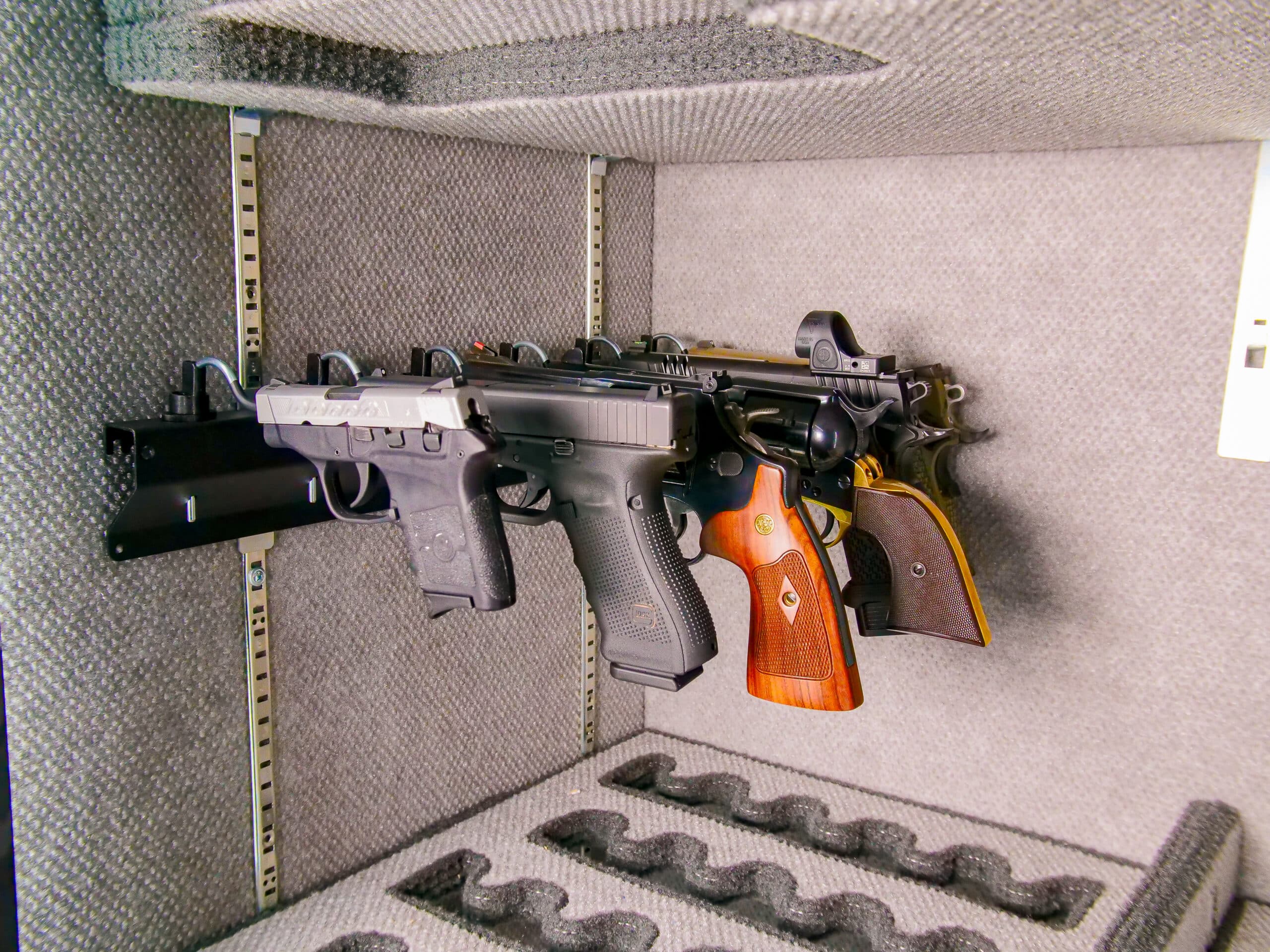
Do carbine safes require professional installation in tricky settings? Often yes. If any of these apply, hire a certified installer or a licensed contractor.
- Concrete or masonry work needed Anchoring to slab or block needs the right bit, depth, and wedge or sleeve anchors.
- Post-tension slab or radiant heat floors Hidden cables or tubes are dangerous. A pro can scan and anchor safely.
- Multi-unit buildings or rentals You may need landlord approval, HOA rules checked, or a non-destructive plan.
- Alarm, power, and smart-home tie-ins Hardwiring power, sensors, or PoE requires code knowledge and clean routing.
- Heavy safes or tight spaces Moving and leveling large safes needs gear and a team to avoid damage or injury.
- Seismic or hurricane zones Local codes may require specific anchors and torque specs.
From my field notes, pro installs cut errors like shallow anchors and missed studs. They also help keep warranties valid.
When DIY installation is safe and smart
Do carbine safes require professional installation if you are handy and prepared? Not in these common cases.
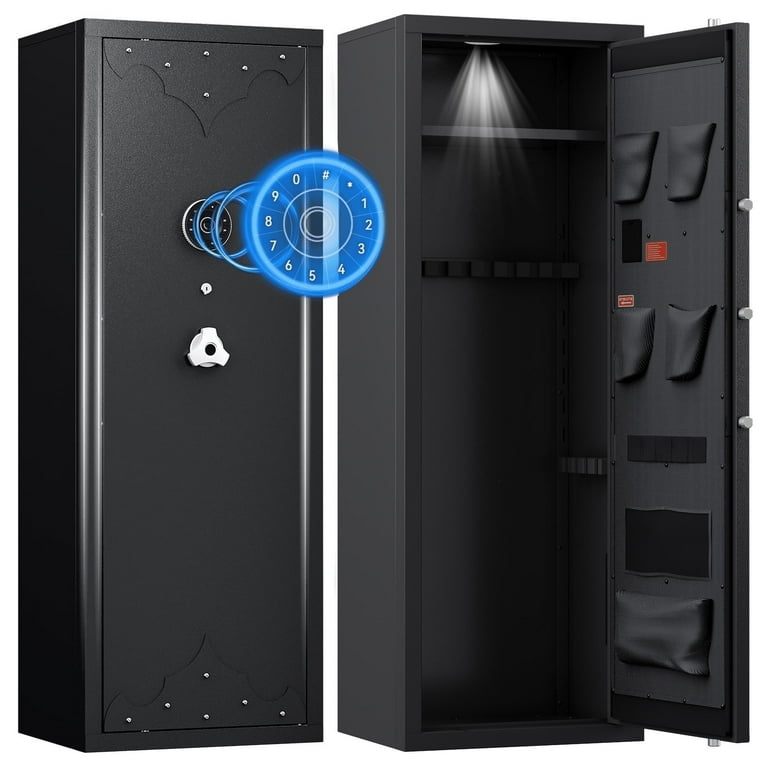
- Light to midweight carbine safe with clear, simple anchor points.
- Wood stud wall with easy access and standard spacing.
- Under-bed safe with strap or bolt kit over a wood subfloor.
- No need for new power, alarms, or structural changes.
- You have the right tools and follow the manual step by step.
I’ve guided many first-time owners by video. With planning and patience, DIY installs can be secure and clean.
Key factors to decide: home type, anchors, and power
Ask these questions before you start. They will answer Do carbine safes require professional installation for your exact case.
- What is the mounting surface? Studs, drywall, concrete, tile, or metal.
- Can you reach solid structure? Two studs or 2–4 concrete anchors are ideal.
- Do you need power? Some safes need steady power for lights or biometrics.
- How much space for the door and your carbine? Check swing and length.
- What threats worry you most? Quick smash-and-grab, kids, flood, or fire.
Match the safe, the anchors, and your space. If one of those mismatches, call a pro.
Tools, materials, and prep checklist
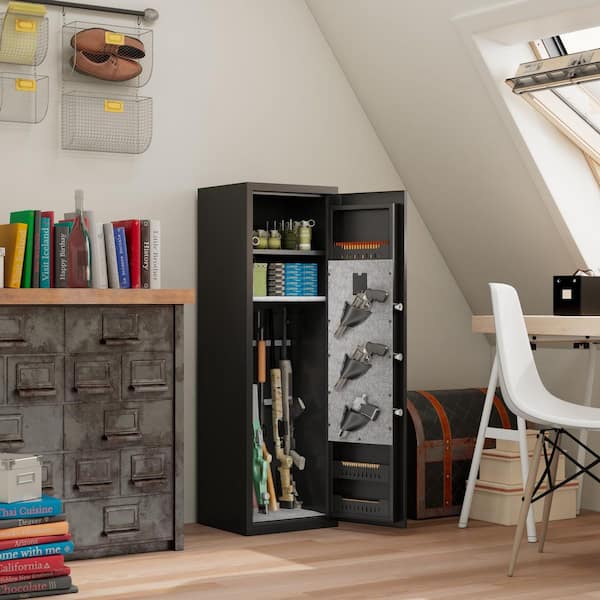
For most DIY installs, gather:
- Tape measure, pencil, painter’s tape, and a small level
- Stud finder that detects live wires, or a multi-scanner
- Drill/driver with wood and masonry bits
- Wedge or sleeve anchors for concrete, lag screws for studs
- Washers to spread load and stop pull-through
- Vacuum, safety glasses, gloves, and hearing protection
- Shims for leveling and an anti-slip mat for under-bed units
- Silicone or expanding anchors for hollow walls if needed
- Desiccant or a dehumidifier rod if the area is damp
Lay out the safe, mark holes, and dry-fit before drilling.

Step-by-step: how to install a carbine safe yourself
Do carbine safes require professional installation for these steps? Not if you move slow and check each step.
- Choose the spot
- Test door swing and quick access.
- Confirm you can hit two studs or solid concrete.
- Mark and level
- Hold the safe in place.
- Use a level and mark holes with a pencil.
- Pre-drill
- Wood studs Use a bit slightly smaller than your lag screws.
- Concrete Use a hammer drill and the bit size the anchor calls for.
- Anchor and torque
- Add washers. Tighten in a cross pattern.
- Do not overtighten. Keep the safe level and square.
- Cable and power
- Route power cords cleanly if needed. Avoid pinching cables.
- Add a battery backup if the lock allows it.
- Load and test
- Place the carbine unloaded. Add mags and accessories.
- Test open speed, relock time, and keypad reliability.
- Final checks
- Tug and pull. Try mild prying to test for flex.
- Record serial number, anchor type, and torque for your records.
If anything feels off, stop. That is when Do carbine safes require professional installation becomes the right move.

Common mistakes I see (and how to avoid them)
I’ve been called to fix many poor installs. Most issues are simple.
- Anchoring to drywall only Drywall is not structure. Find studs or use floor anchors.
- Shallow holes in concrete Anchors need full embed depth. Clean dust from holes.
- Wrong fasteners Cheap screws shear. Use rated lag screws or wedge anchors.
- Loose door clearances A tilted safe hurts latch alignment. Level and shim as needed.
- Ignoring moisture Basements need desiccant or a rod. Rust sneaks up fast.
A careful hour up front can save a stressful call later.
Cost, time, and warranty considerations
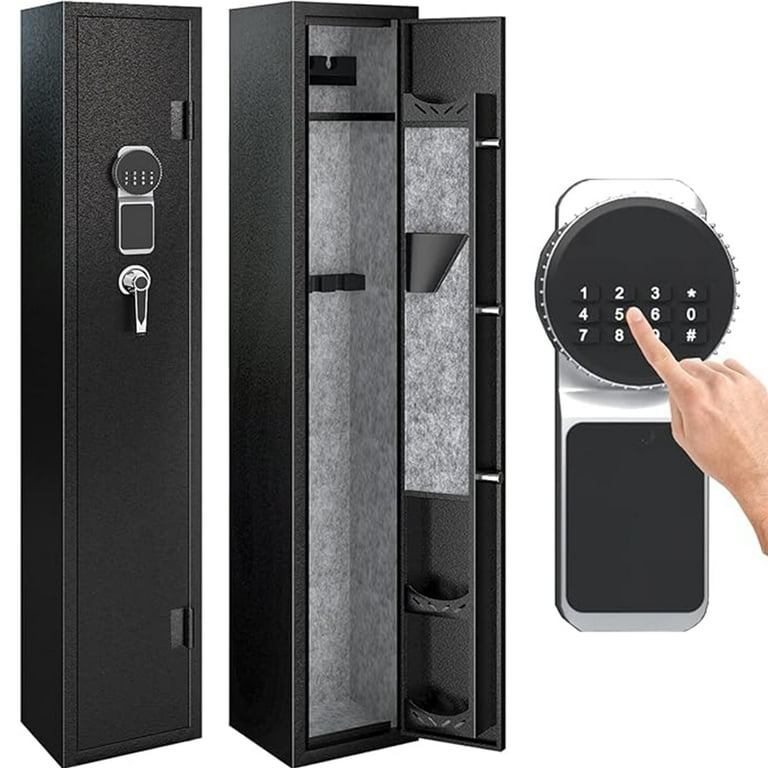
Do carbine safes require professional installation to keep a warranty? Some makers say yes for certain models or surfaces. Check the manual. Keep receipts and photos of your install.
Typical costs:
- DIY supplies 20 to 80 dollars for bits, anchors, and shims.
- Pro install 150 to 500 dollars for standard homes.
- Complex work 500 to 1,200 dollars with wiring or concrete core work.
Most DIY installs take one to two hours. Pros can be faster and cleaner.

Compliance, insurance, and safe storage laws
Safe storage rules vary by state and city. Some areas require locked storage if minors live in the home. Others set standards for gun safes to meet certain ratings. Check local laws before drilling.
Insurance matters too. Some carriers ask how you secure firearms. A documented, anchored safe can support a claim or even earn a discount. Do carbine safes require professional installation for insurance? Not always, but proof of proper anchoring helps.
Maintenance, testing, and what to do after install
A safe is not set-and-forget. Set reminders to check it.
- Change keypad batteries every 6 to 12 months.
- Spin the code weekly to keep muscle memory fresh.
- Check anchor torque twice a year.
- Replace desiccant when color changes, or run a rod.
- Inspect door seals and latch for wear.
Log each check. If the safe shifts, retighten or call a pro. Do carbine safes require professional installation after a move or remodel? Often yes, because surfaces and loads change.
Frequently Asked Questions of Do carbine safes require professional installation
Do carbine safes require professional installation in apartments?
Often no. Use stud anchors or non-destructive methods. Get landlord approval and avoid drilling into concrete without permission.
Can I mount a carbine safe to drywall alone?
No. Drywall has poor pull-out strength. Always anchor to studs, a backing board, or concrete.
Do carbine safes require professional installation for under-bed models?
Usually not. Many include strap kits or simple bolts. Ensure the floor plate or bed frame can handle the load.
What anchors should I use in concrete?
Use rated wedge or sleeve anchors sized per the manual. Drill to full depth and clean dust for a secure hold.
Do carbine safes require professional installation for biometric locks?
Only if you need new wiring or a recessed power outlet. Battery-only units are fine for DIY if mounted well.
How heavy should a safe be to consider a pro?
Over 250 pounds is a good threshold. Weight plus stairs or narrow halls raises injury and damage risk.
Will a DIY install void my warranty?
Not if you follow the manual. Keep photos, receipts, and note the anchor types you used.
Conclusion
Do carbine safes require professional installation depends on your space, tools, and risk. Simple setups on studs or basic slabs are great for DIY. Complex surfaces, code needs, and wiring justify a pro. The goal is fast access for you, and zero access for others.
Pick your spot, plan your anchors, and document your work. If anything feels uncertain, bring in help and sleep better. Ready to go deeper? Explore more safe setup guides, ask questions, or share your install wins in the comments.