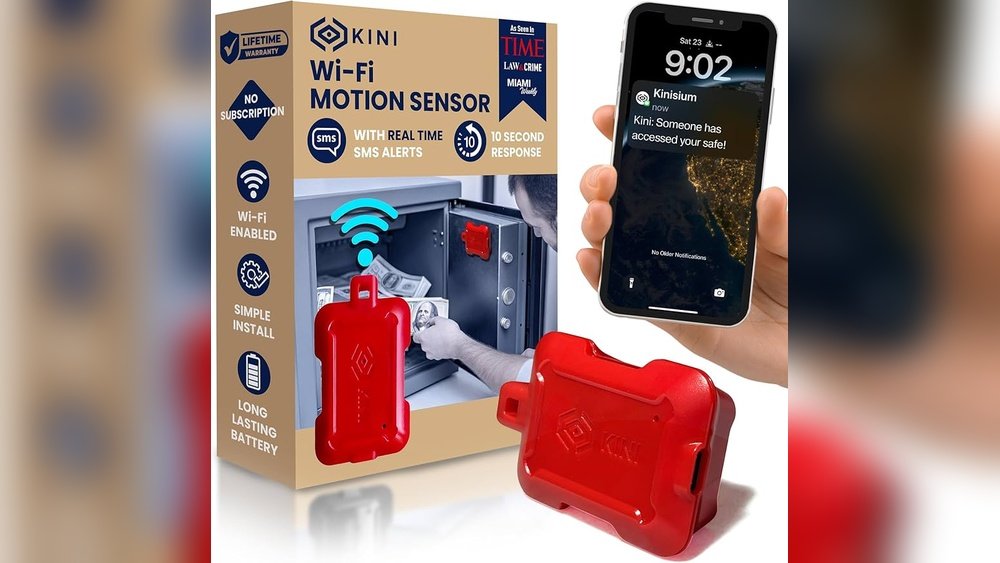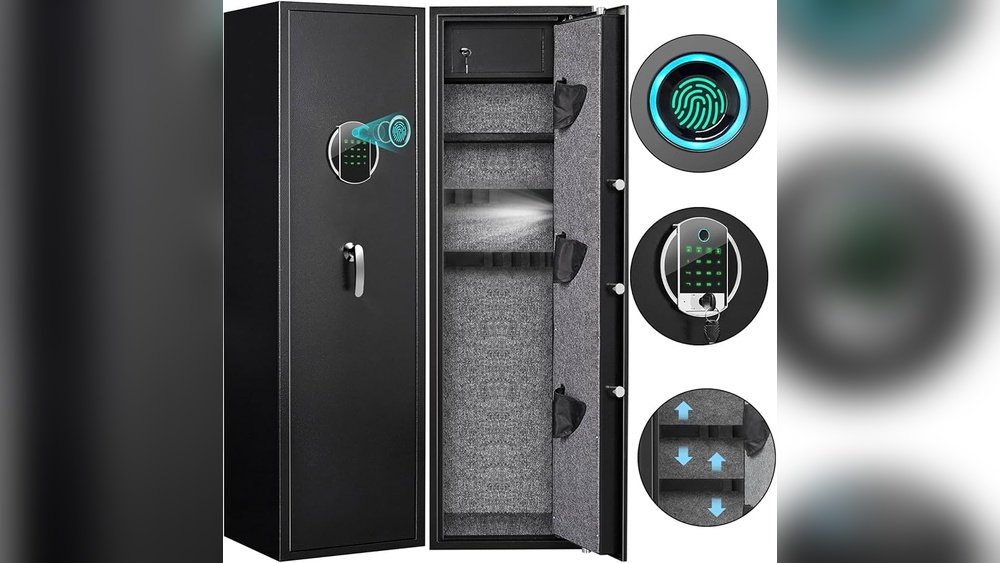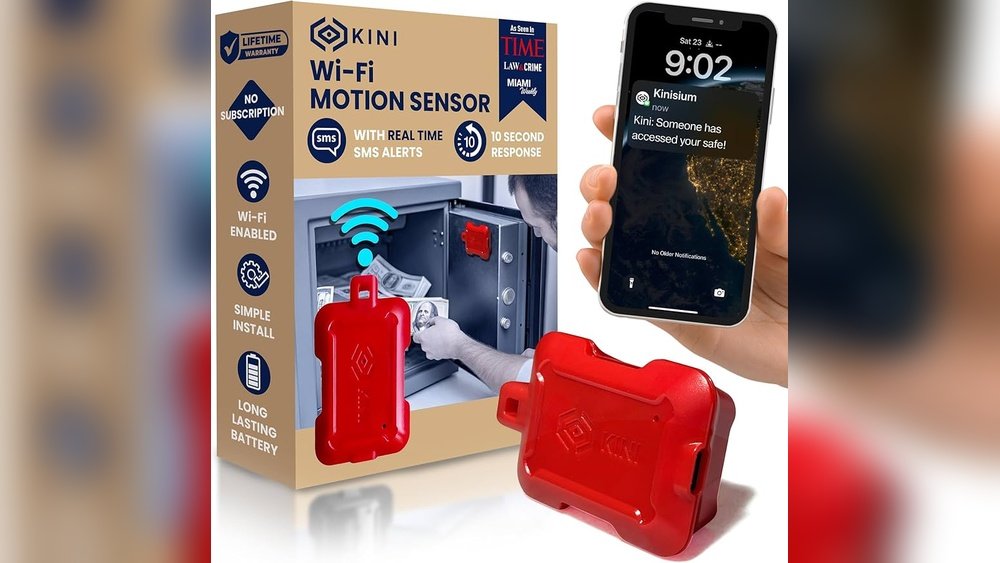
Are you worried about the safety of your rifle safe? You want the best protection, but choosing the right security tools can be confusing.
Wireless vibration sensors might be the answer you’ve been searching for. But are they really good for keeping your rifle safe? You’ll discover how these sensors work, their benefits, and whether they can give you the peace of mind you deserve.
Keep reading to find out if wireless vibration sensors are the smart choice for your rifle safe.

Benefits Of Wireless Vibration Sensors
Wireless vibration sensors offer many benefits for rifle safes. They help keep your firearms secure by detecting any movement or tampering. These sensors provide peace of mind without the hassle of wires. Their features make them a smart choice for safe owners.
Here are some key benefits that make wireless vibration sensors a good fit for rifle safes.
Easy Installation And Setup
Wireless vibration sensors are simple to install. No need for drilling holes or running cables. Most models use batteries and stick directly inside the safe. Setup is quick and often involves just pairing the sensor with a smartphone app. This ease saves time and effort.
Real-time Alerts And Notifications
These sensors send instant alerts to your phone. You get notified if the safe moves or shakes. This quick feedback helps you act fast to protect your firearms. The alerts work anywhere, giving constant awareness of your safe’s status.
Wireless Range And Connectivity
Wireless sensors connect through Wi-Fi or Bluetooth. They work within a good range around your home. This means you do not need to be right next to the safe. The connection stays strong, ensuring reliable monitoring without wires.

Types Of Vibration Sensors For Safes
Vibration sensors help protect rifle safes by detecting movements or shocks. These sensors alert owners to possible tampering or break-ins. Choosing the right type of vibration sensor affects the safety and reliability of your rifle safe.
Different sensors work in various ways. Understanding the types helps pick the best fit for your needs. Two main categories stand out: single-axis versus multi-axis sensors, and battery-powered versus wired sensors.
Single-axis Vs. Multi-axis Sensors
Single-axis sensors detect vibrations along one direction only. They work well for simple movements like a knock or a tap. These sensors are usually less expensive and easier to install.
Multi-axis sensors sense vibrations in multiple directions. They catch more complex movements and subtle shakes. Multi-axis sensors provide better coverage and fewer false alarms. They offer higher security for sensitive rifle safes.
Battery-powered Vs. Wired Sensors
Battery-powered sensors do not need a wired connection. They can be placed anywhere inside or outside the safe. These sensors offer flexibility but need regular battery checks and replacements.
Wired sensors connect directly to the safe’s power or alarm system. They provide a constant power supply and reduce battery failure risks. However, installation may be more complex and less flexible in sensor placement.
Effectiveness In Detecting Break-ins
Wireless vibration sensors offer a smart way to protect rifle safes. They detect unusual movements and vibrations that may indicate a break-in attempt. These sensors send alerts quickly, helping owners act fast and secure their firearms. Their effectiveness depends on how well they sense vibrations and avoid false alarms.
Sensitivity To Different Vibration Levels
Wireless vibration sensors can detect small and strong vibrations. They sense tapping, shaking, or drilling sounds on the safe. Sensitivity settings allow owners to adjust detection levels. This customization helps catch real break-ins while ignoring minor bumps. Sensors react fast to sudden shocks, triggering alerts instantly. This quick response can stop intruders early.
False Alarms And How To Minimize Them
False alarms can be frustrating and reduce trust in the system. These happen due to harmless vibrations like slamming doors or heavy footsteps. To reduce false alarms, adjust sensor sensitivity carefully. Placing sensors away from busy areas helps too. Some sensors use algorithms to filter out normal vibrations. Regular testing ensures the system works properly without unnecessary alerts.
Integration With Security Systems
Wireless vibration sensors add an important layer of protection to rifle safes. Their value increases when they connect smoothly with other security tools. Integration with existing systems makes monitoring faster and alerts more reliable. This section looks at how these sensors work with alarm systems and mobile apps.
Compatibility With Alarm Systems
Wireless vibration sensors often link directly to alarm systems. When the sensor detects unusual movement or vibrations, it sends a signal to the alarm. This triggers a loud noise or alerts the security service. Many sensors use common wireless protocols like Wi-Fi or Zigbee. These standards help ensure the sensor fits easily into most home or business security setups. Proper compatibility avoids delays and false alarms, making your rifle safe more secure.
Mobile App Integration
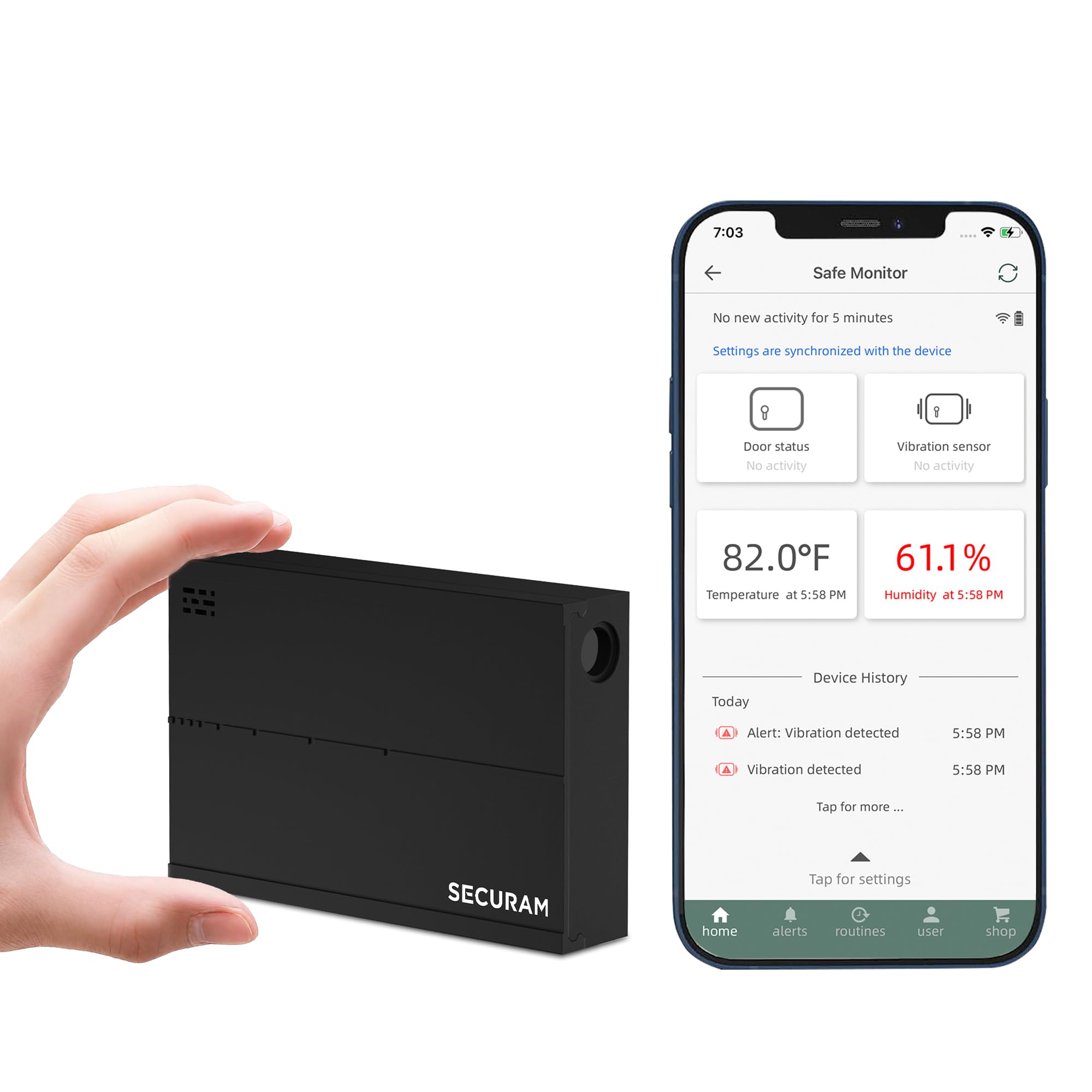
Many wireless vibration sensors connect with mobile apps for remote monitoring. These apps send instant alerts to your phone if the sensor senses movement. You can check your safe’s status anytime, anywhere. Mobile apps also allow you to adjust sensor settings or silence false alarms quickly. This feature offers peace of mind and control, even when you are far from home.
Limitations Of Wireless Vibration Sensors
Wireless vibration sensors offer convenience for rifle safe security. They detect movement and alert owners quickly. Yet, these sensors have some limits that affect their performance and reliability. Understanding these limits helps users make better choices for their safes.
Battery Life Concerns
Wireless vibration sensors run on batteries. Battery life varies by sensor model and use. Frequent alerts and constant monitoring drain batteries faster. Dead batteries mean no alerts, leaving safes unprotected. Users must check and replace batteries often. This need can be inconvenient and costly over time.
Signal Interference Issues
Wireless sensors send signals to a receiver or phone. Signals can face interference from walls, metal, or other devices. Thick safe walls may block or weaken signals. Interference causes delayed or missed alerts. This reduces the sensor’s effectiveness in protecting rifles. Proper sensor placement and testing help minimize these problems.
Comparing Wireless Sensors To Other Security Options
Wireless vibration sensors offer a modern way to protect rifle safes. They detect unusual movements or shocks. This section compares them with other common security options. Understanding these differences helps choose the best safe protection.
Magnetic Contact Sensors
Magnetic contact sensors alert when a door or drawer opens. They use two parts: one on the door, one on the frame. When separated, the sensor triggers an alarm. These sensors are simple and reliable. They do not detect vibrations or impacts. This limits protection if someone tries to force the safe open. Wireless vibration sensors add value by sensing any shaking or hitting. Magnetic sensors mainly protect against door openings, not movement.
Biometric And Keypad Locks
Biometric locks use fingerprints to unlock safes. Keypad locks require a code to open. Both provide strong access control. They stop unauthorized entry but do not detect physical tampering. If someone tries to move or hit the safe, these locks stay silent. Wireless vibration sensors alert if the safe is shaken or struck. Combining locks with vibration sensors gives double security. Locks control who opens the safe. Sensors warn if the safe is tampered with.
Tips For Choosing The Right Sensor
Choosing the right wireless vibration sensor for your rifle safe is important. The sensor must detect any unusual movement quickly and accurately. Picking the right one helps keep your firearms safe and secure. Focus on key features that affect performance and reliability.
Evaluating Sensor Sensitivity
Sensitivity is how well the sensor detects vibrations. Too sensitive might cause false alarms from small knocks. Too low sensitivity may miss real threats. Choose a sensor that balances sensitivity. It should sense strong knocks or attempts to move the safe without triggering false alerts.
Checking Sensor Range And Battery Life
Range defines how far the sensor can send alerts to your device. A good sensor covers the entire area around your safe. Make sure the range fits your home setup. Battery life is also critical. Long battery life means fewer changes and less chance of failure. Look for sensors with efficient power use and easy battery replacement.
Maintenance And Troubleshooting
Maintenance and troubleshooting are key to keeping wireless vibration sensors working well in rifle safes. These sensors detect unusual movement and alert you to possible tampering or break-ins. Regular care helps sensors stay accurate and reliable over time.
Ignoring maintenance can cause false alarms or sensor failure. Troubleshooting helps find issues early and fix them before they get worse. Following simple steps can extend the life of your sensors and protect your firearms better.
Regular Testing And Calibration
Test your vibration sensors regularly to ensure proper function. Most sensors have a test mode or built-in self-check. Activate this mode to confirm the sensor responds to movement.
Calibration keeps the sensor sensitive enough to detect threats but avoids false alarms. Follow the manufacturer’s instructions to adjust sensitivity. Test the sensor by simulating typical vibrations, like knocking on the safe. This helps keep the sensor accurate for your environment.
Battery Replacement Guidelines
Wireless sensors rely on batteries for power. Check battery life often and replace batteries before they run out. Low batteries cause weak signals and missed alerts.
Use the recommended battery type for your sensor model. Remove old batteries safely and insert new ones carefully. After replacement, test the sensor to confirm it powers on and works properly.
Frequently Asked Questions
What Are Wireless Vibration Sensors For Rifle Safes?
Wireless vibration sensors detect unauthorized movement or tampering on rifle safes. They send alerts to your phone instantly. This helps protect firearms from theft or misuse. These sensors are easy to install and do not require wiring inside the safe.
How Do Wireless Vibration Sensors Improve Rifle Safe Security?
They provide real-time alerts on any forced entry attempts. This immediate notification helps you react quickly to potential threats. Wireless sensors also act as a deterrent for thieves. Their sensitivity can be adjusted to avoid false alarms from minor vibrations.
Are Wireless Vibration Sensors Reliable For Rifle Safes?
Yes, modern wireless vibration sensors are highly reliable. They use advanced technology to differentiate normal activity from suspicious movement. Most models have long battery life and stable wireless connections. Regular maintenance and testing ensure consistent performance.
Can Wireless Vibration Sensors Prevent Rifle Safe Theft?
While they don’t physically prevent theft, they alert you immediately. This early warning increases the chances of stopping a break-in. Combined with a strong safe and other security measures, they enhance overall protection.
Conclusion
Wireless vibration sensors help protect rifle safes from tampering. They detect movement quickly and send alerts to your phone. These sensors are easy to install and work without wires. Battery life lasts for months, reducing maintenance worries. They add an extra layer of security to your safe.
Still, choose a sensor that fits your needs and budget. Combining sensors with strong locks keeps rifles safer. A smart choice for anyone who values peace of mind. Simple, effective, and reliable protection for your firearms.