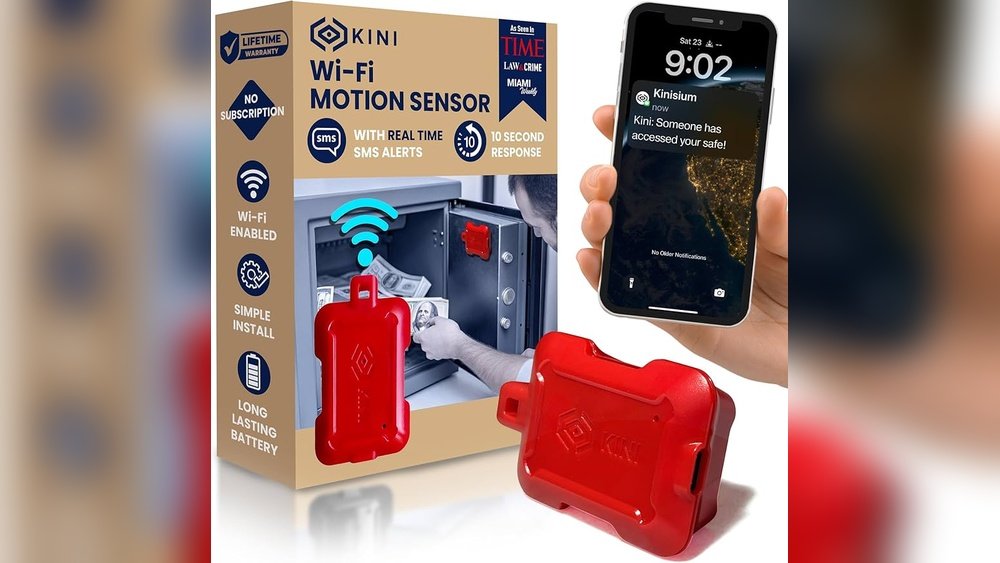
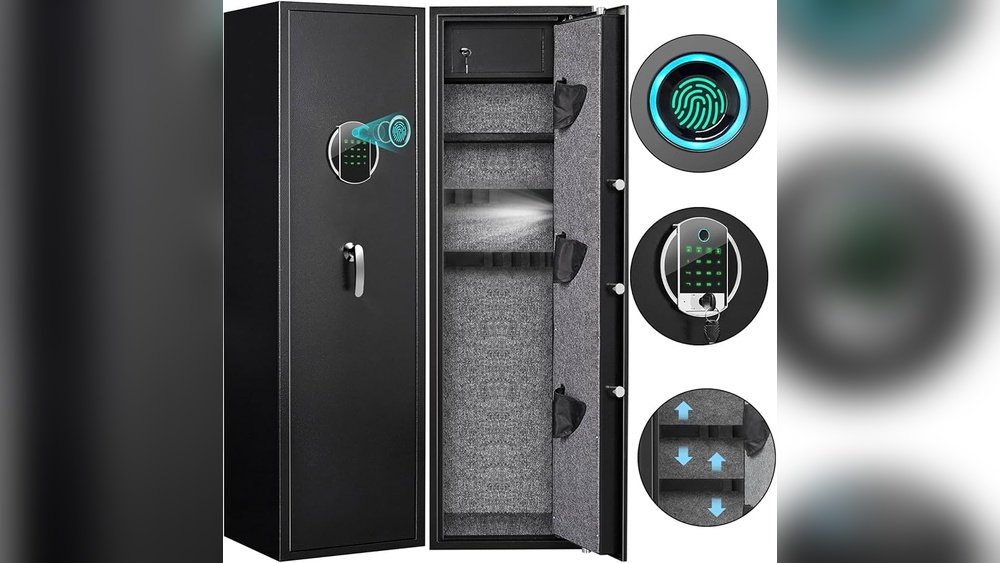
If you keep your rifle safe in the garage, you probably worry about protecting your firearms from more than just theft. You might wonder if the vibration sensors in your safe can handle the changing weather outside.
After all, garages aren’t always as dry or temperature-controlled as inside your home. Can these sensors still work reliably when exposed to moisture, heat, or cold? Understanding whether vibration sensors are weather-resistant is key to keeping your rifles secure and giving you peace of mind.
Keep reading to find out how these sensors hold up against the elements and what you need to know to protect your valuable firearms.
Vibration Sensors In Rifle Safes
Vibration sensors in rifle safes add an extra layer of security. They detect unusual movements or impacts on the safe. This helps alert owners if someone tries to tamper with the safe. These sensors work quietly but effectively to protect your firearms.
Many rifle safes include vibration sensors as part of their security system. They respond to shocks or vibrations from opening attempts or forced entry. This technology improves safety for rifles stored in various environments.
Role Of Vibration Sensors
Vibration sensors sense any shaking or hitting of the safe. They trigger alarms to warn owners of possible break-ins. These sensors help prevent theft by alerting quickly. They also protect against accidental damage from impacts.
In garages or outdoor areas, vibration sensors detect strong knocks or movements. This makes them useful for safes stored outside regular home environments. Their role is to keep rifles secure at all times.
Types Of Vibration Sensors Used
There are several types of vibration sensors in rifle safes. Piezoelectric sensors generate signals when the safe shakes. Accelerometers measure changes in movement and speed. Both types alert the system during any unusual vibration.
Some safes use combined sensors for better accuracy. This reduces false alarms from small, harmless vibrations. Choosing the right sensor type improves safe security in different weather conditions.

Weather Exposure In Garage Environments
Vibration sensors in garage environments face moisture, dust, and temperature changes. Weather-resistant models protect rifle safes by working well despite these challenges. This ensures reliable security even in tough conditions.
Garages often face various weather challenges. These spaces are not as sealed as indoor rooms. Temperature changes, moisture, and dust can affect items stored inside. For rifle safes with vibration sensors, understanding this environment is key.
Vibration sensors detect movement and vibrations to alert owners. Their performance depends on how well they handle the garage’s weather. Harsh conditions may reduce sensor accuracy or cause damage.
Common Garage Weather Conditions
Garages can be cold in winter and hot in summer. Humidity levels change throughout the year. Rain and snow can seep in through cracks or open doors. Dust and dirt often settle on surfaces and electronics.
These conditions create a tough setting for electronic devices. Sudden temperature swings cause condensation inside equipment. Moisture and dust buildup can block sensor parts or cause short circuits.
Impact On Electronic Components
Electronic parts in vibration sensors can corrode from moisture. Rust weakens metal contacts and wires. Dust can clog sensors, reducing their sensitivity. Extreme heat can warp plastic and damage circuits.
Proper sealing and weatherproof design help protect sensors. Without protection, sensor failure risks increase. This can lead to missed alerts or false alarms. Selecting weather-resistant sensors is important for garage use.
Durability Of Vibration Sensors
Vibration sensors are critical for securing garage-stored rifle safes. Their durability affects how well they perform in different weather conditions. These sensors must withstand moisture, dust, and temperature changes. Durability depends on their materials and design. Strong construction helps sensors last longer and work reliably.
Material And Build Quality
Vibration sensors often use tough plastics or metals for their outer shells. These materials resist rust and corrosion. Good quality sensors have solid, compact designs. This prevents parts from breaking or coming loose. Durable sensors handle vibrations without damage. They maintain accuracy even after repeated shocks. Strong materials help sensors survive harsh garage environments.
Sealing And Protective Features
Sealing protects sensors from water and dust entering inside. Many sensors have rubber gaskets or silicone seals. These seals block moisture and dirt effectively. Some models offer IP ratings that show their resistance level. Higher IP ratings mean better protection. Protective coatings also guard against rust. Proper sealing ensures sensors keep working despite weather changes.

Testing Weather Resistance
Testing vibration sensors for weather resistance ensures their reliability in garage-stored rifle safes. This process checks if sensors work well despite moisture, dust, or temperature changes. It helps to know if the sensor will keep your rifle safe under tough conditions.
Laboratory Testing Methods
In labs, sensors face controlled weather conditions. Machines simulate rain, dust, and humidity. Temperature chambers test heat and cold effects. These tests reveal if sensors resist water and dirt. They also show how sensors react to extreme temperatures. Lab tests help improve sensor designs for real-world use.
Real-world Garage Scenarios
Testing in actual garages provides practical results. Sensors install in garages with different climates. Sensors face daily changes like rain, dust, and temperature swings. This shows how sensors perform in real life. It helps find problems labs may miss. Real-world tests confirm if sensors protect rifle safes effectively.
Installation Tips For Garage Safes
Installing a rifle safe in a garage requires careful planning. Protecting your safe and its contents from weather and damage is important. Proper installation helps vibration sensors work well and last longer. Follow these tips to keep your garage-stored safe secure and durable.
Optimal Placement To Reduce Exposure
Place your rifle safe away from direct sunlight and water sources. Avoid spots near garage doors or windows that may let rain in. Choose a dry, shaded corner with stable temperature. Elevate the safe slightly to prevent water damage from floor spills. Good placement keeps sensors safe from moisture and extreme heat.
Additional Protective Measures
Use weather-resistant covers or enclosures around the safe. Seal gaps and cracks near the installation area to block dust and moisture. Add moisture absorbers inside the safe for extra protection. Regularly check sensor mounts to ensure they stay tight and secure. These steps increase the lifespan of vibration sensors and keep your safe working well.
Maintenance For Longevity
Maintaining vibration sensors in garage-stored rifle safes is key to their long life. Proper care keeps them working well despite weather changes. Regular upkeep helps catch small problems early. This prevents bigger issues later.
Routine Checks
Check sensors often to ensure they respond correctly. Test the sensor’s sensitivity and battery status regularly. Clean the sensor surface to remove dust and debris. Look for any signs of physical damage or rust. Record each check to track sensor condition over time.
Addressing Weather-related Wear
Garage environments can be tough on sensors. Moisture can cause rust and affect performance. Use protective covers to shield sensors from rain and humidity. Dry sensors quickly if they get wet. Replace worn seals or gaskets to keep moisture out. Keep the garage well-ventilated to reduce dampness around the safe.
Alternatives To Standard Vibration Sensors
Standard vibration sensors often face challenges in harsh weather conditions, especially in garage environments. Moisture, dust, and temperature changes can affect their performance. Seeking alternatives can improve the security of garage-stored rifle safes. These options offer better durability and reliability for outdoor or semi-outdoor use.
Weatherproof Sensor Options
Weatherproof sensors are built to handle damp and dusty spaces. These sensors have sealed casings that prevent water and dirt from entering. Many use stainless steel or plastic covers that resist rust and corrosion. Some models include rubber gaskets for extra protection. They maintain sensitivity even under extreme weather conditions. Choosing these sensors helps ensure reliable alerts in garages.
Complementary Security Features
Adding other security features strengthens protection beyond sensors. Alarm systems with motion detectors add a layer of safety. Door and window sensors detect forced entry points. Biometric locks offer secure access control. Cameras with night vision monitor the area around the safe. Combining these features creates a robust security system for garage rifles safes.

Frequently Asked Questions
Are Vibration Sensors Durable For Outdoor Garage Conditions?
Most vibration sensors for rifle safes have weather-resistant features. However, extreme moisture and temperature changes can affect sensor performance. Choose sensors with IP ratings or protective coatings for reliable outdoor use in garages.
Can Vibration Sensors Detect Tampering In Humid Environments?
Yes, quality vibration sensors are designed to operate in humid conditions. Proper sealing and protective materials help maintain sensitivity. Regular maintenance ensures optimal function despite moisture in garage settings.
How Do Weather Conditions Impact Sensor Sensitivity?
Weather factors like rain, dust, and temperature shifts can reduce sensor accuracy. Sensors with robust casing and weatherproof designs minimize these effects. Installing sensors inside sealed safes further protects them from environmental stress.
Are All Garage-stored Rifle Safe Sensors Weatherproof?
Not all vibration sensors are weatherproof by default. Many models require additional casing or installation in protected areas. Verify manufacturer specifications for weather resistance before choosing a sensor for garage use.
Conclusion
Vibration sensors for garage-stored rifle safes can handle many weather conditions. Most sensors have weather-resistant features to protect them from rain, dust, and temperature changes. Still, choosing a sensor with a good rating for water and dust resistance is smart.
Proper installation and occasional checks keep sensors working well over time. This helps keep your rifle safe and secure no matter the weather outside. Always pick a sensor that fits your garage’s environment for the best protection.