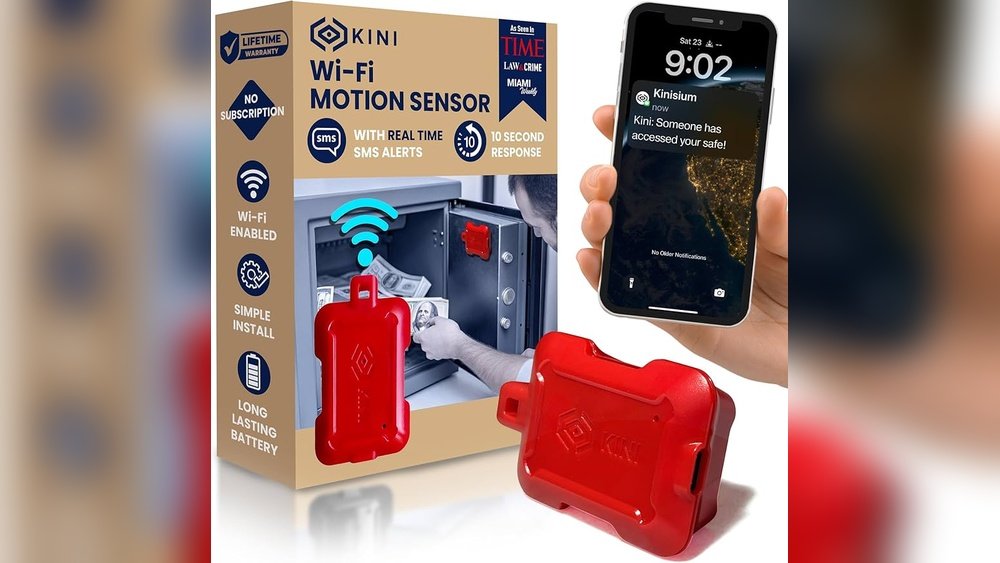
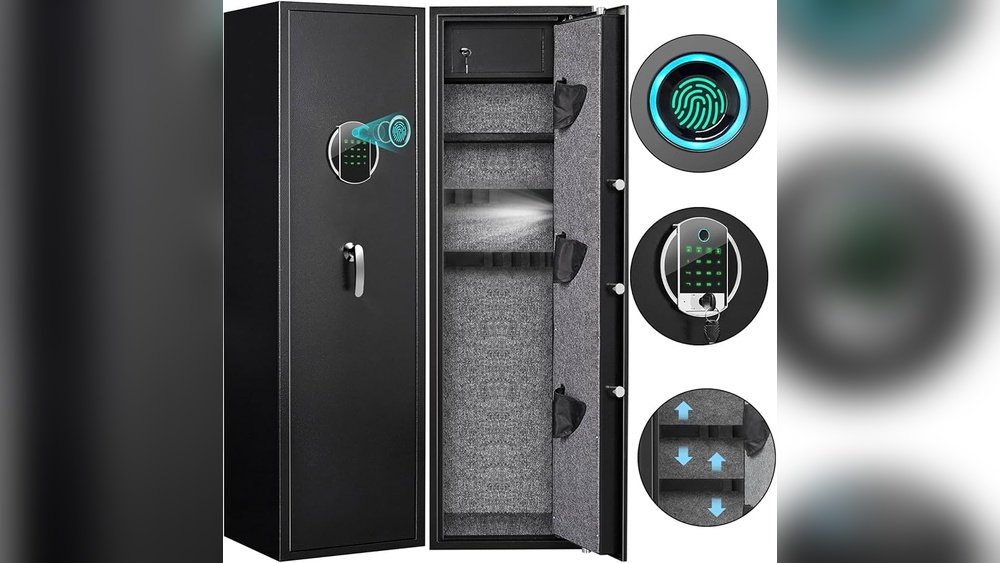
Are you worried about the safety of your gun safe? You want to protect your valuables, but is a vibration sensor really the answer?
Imagine knowing instantly if someone tries to tamper with your safe, giving you the chance to act before it’s too late. You’ll discover how vibration sensors work, their strengths and weaknesses, and whether they can truly boost your gun safe security.
Keep reading to find out if this technology can give you the peace of mind you deserve.

How Vibration Sensors Work
Vibration sensors detect movement or shaking on a gun safe. They help alert owners if someone tries to tamper with the safe. These sensors work by sensing vibrations caused by impacts or attempts to force open the safe.
Understanding how these sensors operate helps in choosing the right security system. They come in different types, use various detection methods, and offer adjustable sensitivity settings.
Types Of Vibration Sensors
There are mainly two types of vibration sensors used in gun safes. Piezoelectric sensors create electrical signals when bent or pressed. Accelerometer sensors measure changes in speed and direction of movement.
Piezoelectric sensors are common for detecting small vibrations. Accelerometers provide more detailed motion data. Some safes use a mix of both for better protection.
Detection Mechanisms
Vibration sensors detect changes in motion or pressure on the safe. When the safe shakes or moves, the sensor sends a signal to the alarm system. This signal triggers an alert to warn the owner.
The sensors filter normal vibrations from unusual ones. This helps to reduce false alarms caused by small, harmless movements.
Sensitivity Settings
Sensitivity controls how much vibration the sensor detects. High sensitivity detects even light shaking. Low sensitivity ignores small movements and only alerts on strong impacts.
Adjusting sensitivity is important. It helps avoid false alarms and ensures real threats are detected. Many systems allow users to set the sensitivity level based on their environment.
Benefits For Gun Safe Security
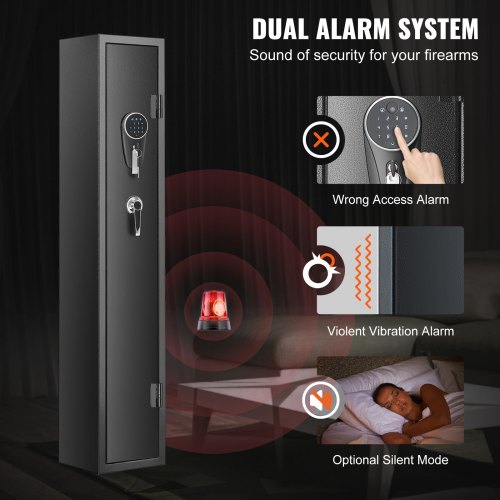
Vibration sensors add an important layer of protection to gun safes. They detect unusual movements and alert owners quickly. This helps keep firearms secure from theft or tampering.
These sensors work quietly and do not disturb daily use. They increase the overall safety of your gun safe with smart technology.
Early Intrusion Detection
Vibration sensors sense even slight shaking or knocking. This early warning helps stop break-in attempts before damage occurs. Immediate alerts give owners a chance to act fast. This quick response can prevent theft effectively.
Integration With Alarm Systems
Many vibration sensors connect easily to existing alarms. They trigger sirens or send notifications to phones. This integration creates a stronger security network. It makes sure no suspicious activity goes unnoticed.
Deterrence Factor
The presence of vibration sensors can discourage thieves. Knowing the safe has sensors may make criminals think twice. It adds a visible layer of security. This peace of mind benefits all gun owners.
Limitations To Consider
Vibration sensors add a layer of security to gun safes by detecting unusual movements. They can alert owners about tampering or forced entry attempts. Still, these sensors have some limits that affect their reliability and effectiveness. Understanding these limits helps users set realistic expectations.
False Alarms And Causes
False alarms can happen often with vibration sensors. Everyday events like dropping a phone nearby or strong footsteps may trigger alerts. Even a passing truck can cause enough vibration to set off the sensor. These false alarms can annoy users and reduce trust in the system.
Sensor Placement Challenges
Where you place the sensor matters a lot. If it is too close to a noisy surface, it may pick up unwanted vibrations. Too far from the safe’s body, it might miss real threats. Finding the right spot can be tricky and needs testing.
Environmental Interference
Environmental factors can disrupt sensor performance. Temperature changes and humidity affect sensor sensitivity. Nearby machines or appliances may cause constant vibrations. These interferences lower the sensor’s ability to detect real danger.
Comparison With Other Security Devices
Vibration sensors offer a unique way to protect gun safes. They detect unusual shaking or movement. This can alert owners to possible tampering quickly. Comparing vibration sensors with other security devices helps understand their strengths and limits. Different devices serve different security needs and situations.
Motion Sensors
Motion sensors detect movement in a room or area. They trigger alarms if someone moves near the safe. These sensors work well in large spaces. But they may miss slow or subtle attempts to open the safe. Vibration sensors focus directly on the safe itself. They catch physical attacks that motion sensors might miss.
Door And Lock Alarms
Door and lock alarms ring if the safe door opens unexpectedly. They provide direct protection against unauthorized access. These alarms can alert owners immediately to break-ins. Vibration sensors detect attempts before the door opens. This early warning can stop theft before it starts. Both types add layers to safe security.
Biometric Locks
Biometric locks use fingerprints or other body features to unlock safes. They offer strong protection against unauthorized access. Only registered users can open the safe. Vibration sensors do not replace locks. Instead, they add alert systems for physical attacks. Combining biometrics with vibration sensors improves overall safety.
Installation Tips
Installing vibration sensors on your gun safe needs care and attention. Proper setup ensures the sensor works well and alerts you effectively. Follow these tips to get the best results.
Optimal Sensor Positioning
Place the sensor on a solid part of the safe. Avoid doors or hinges where false alarms may occur. The sensor should detect any unusual movement clearly. Choose a spot that feels firm and stable. Avoid areas with heavy vibrations from nearby machines.
Calibration Best Practices
Calibrate the sensor after installation to set the right sensitivity. Use small taps to test the sensor’s response. Adjust the sensitivity to avoid false alarms from normal movements. Follow the manufacturer’s instructions carefully. Check calibration regularly to maintain accuracy over time.
Maintenance Requirements
Keep the sensor clean and dust-free for best performance. Inspect the wires and connections monthly to prevent damage. Replace batteries as needed to avoid power loss. Test the sensor regularly to ensure it works correctly. Proper maintenance extends the sensor’s life and reliability.
Real-world Effectiveness
Vibration sensors add an extra layer of security to gun safes. They detect unusual shaking or movement and trigger alarms. This technology aims to stop theft before it happens. Real-world use shows how well these sensors work in everyday situations. Understanding their effectiveness helps gun owners decide on the best protection.
User Experiences
Many gun safe owners report feeling safer with vibration sensors. They say the sensors alert them quickly during attempted break-ins. Some users mention false alarms caused by heavy doors or nearby construction. Overall, most users find the sensors helpful for early warnings. The ease of installation and low maintenance adds to their appeal.
Case Studies
Several cases show vibration sensors stopping theft attempts. In one case, a sensor detected a thief trying to pry open a safe. The alarm scared the intruder away before damage occurred. Another study found sensors reduced break-in attempts by 30%. These real-world examples prove sensors act as a strong deterrent. They give owners time to respond and call for help.
Expert Opinions
Security experts say vibration sensors improve gun safe protection. They highlight sensors’ ability to sense tampering early. Experts recommend combining sensors with locks and alarms for full security. Some warn about sensors triggering false alerts if not set properly. Overall, professionals agree vibration sensors add value to gun safes. They advise careful installation and regular sensor checks.
Choosing The Right Sensor
Choosing the right vibration sensor is key to securing your gun safe effectively. Not all sensors offer the same protection or features. It is important to balance cost, compatibility, and quality for the best results.
Picking a sensor that fits your needs helps prevent false alarms and ensures quick response. Understanding different options makes your choice easier and smarter.
Price Vs. Performance
Low-cost sensors may save money but often lack accuracy. High-end models provide better sensitivity and fewer false alerts. Find a sensor that matches your budget and security needs. Sometimes spending a little more improves safety significantly.
Compatibility Factors
Check if the sensor works with your gun safe model. Some sensors connect only to specific brands or alarm systems. Wireless options offer flexible installation. Ensure the sensor fits the safe’s size and material for better detection.
Brand Recommendations
Choose well-known brands with good reviews. Trusted brands often provide reliable sensors and solid customer support. Brands like VibrationSense, SafeGuard, and AlertTech have proven records. Reading user feedback helps avoid poor-quality products.

Frequently Asked Questions
What Are Vibration Sensors In Gun Safes?
Vibration sensors detect movement or shaking of a gun safe. They trigger alarms when unauthorized tampering occurs. This helps prevent break-ins by alerting owners immediately.
How Effective Are Vibration Sensors For Gun Safe Security?
Vibration sensors are highly effective in detecting forced entry attempts. They provide real-time alerts and deter thieves. However, combining them with other security measures enhances protection.
Can Vibration Sensors Reduce Gun Theft Risks?
Yes, vibration sensors reduce theft risks by alerting owners instantly. They act as an early warning system, discouraging burglars from attempting to break in.
Do Vibration Sensors Work With All Gun Safe Types?
Most vibration sensors are compatible with various gun safe models. However, it’s essential to check sensor specifications for compatibility before purchase.
Conclusion
Vibration sensors add an extra layer of protection to gun safes. They detect unusual movements and alert you quickly. This helps stop break-ins before they happen. Still, they work best combined with locks and alarms. Choosing the right sensor matters for accuracy and reliability.
Trustworthy sensors lower the risk of theft and damage. Overall, vibration sensors can improve gun safe security. They offer peace of mind for responsible gun owners. Simple, smart, and effective tools for safety.