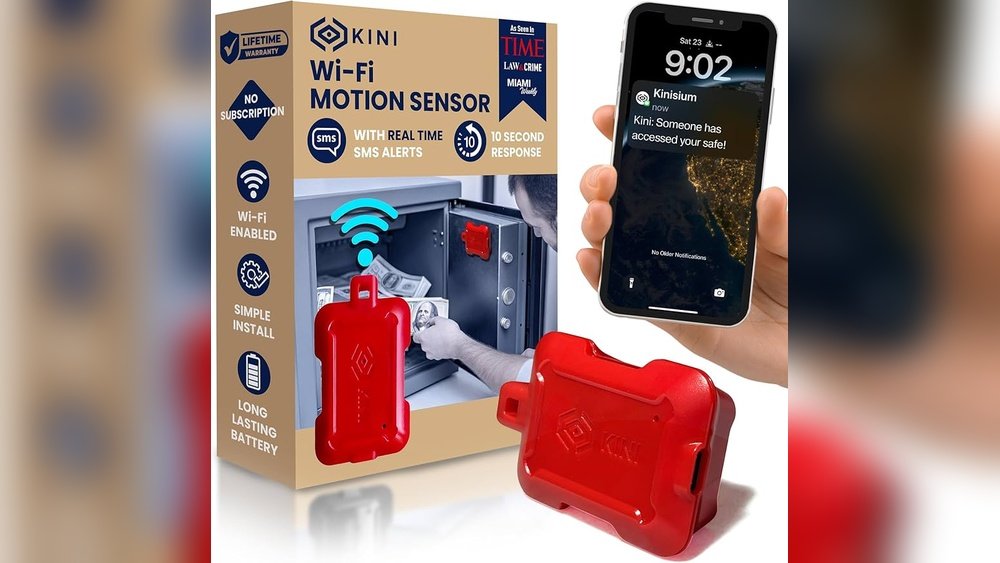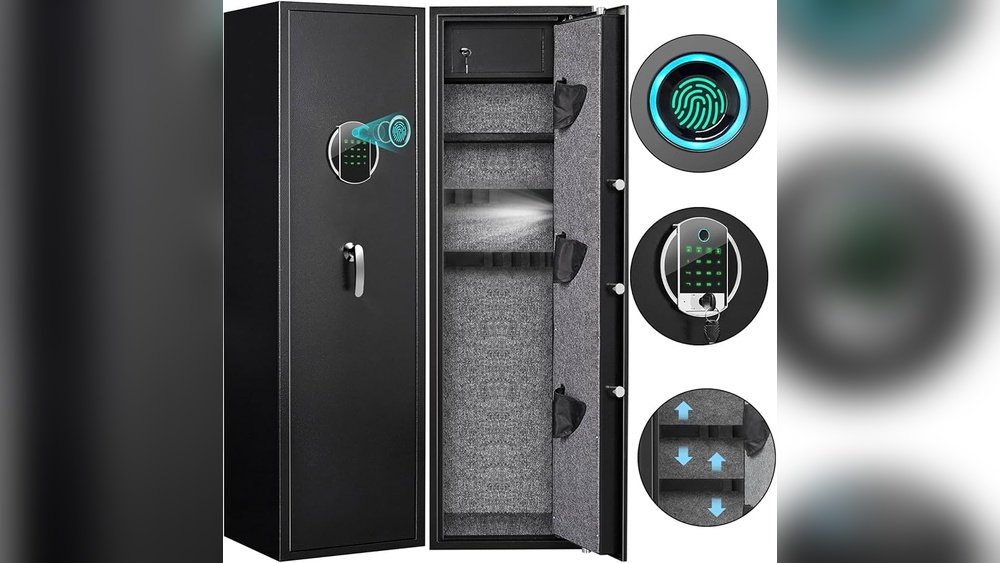
Are you worried about the security of your rifle safe? Adding vibration sensors might be the perfect solution to keep your firearms even safer.
But you’re probably wondering—are vibration sensors easy to install on rifle safes? You want something effective, but without a complicated setup that takes hours or requires special tools. You’ll discover just how simple the installation can be, step by step.
By the end, you’ll know exactly what to expect and how to protect your valuables with confidence. Keep reading to find out how easy it really is to boost your rifle safe’s security.
Vibration Sensors Basics
Understanding the basics of vibration sensors helps to see their role in rifle safes. These sensors detect movement or shaking. They trigger an alarm if someone tries to tamper with the safe. Knowing how they work and the types available makes installation easier and more effective.
How Vibration Sensors Work
Vibration sensors sense motion by detecting vibrations or shocks. Inside the sensor, a small component moves when it feels a shake. This movement sends a signal to the alarm system. The alarm then sounds to alert you of possible danger. Sensors are very sensitive and can catch even small movements.
Types Of Vibration Sensors
There are mainly two types of vibration sensors used in rifle safes. The first type is piezoelectric sensors. They create electric signals when they experience vibration. The second type is accelerometers, which measure changes in speed or direction. Both types work well but have different designs and sensitivity levels. Choosing the right type depends on your safe and personal needs.
Choosing The Right Sensor
Picking the correct vibration sensor for a rifle safe matters. It affects how well the sensor works and how easy it is to install.
Some sensors fit certain safes better. Others have features that make them more reliable or easier to use. Knowing what to look for helps you choose the best option.
Sensor Compatibility With Rifle Safes
Not all vibration sensors fit every rifle safe. Some safes have metal walls that block signals. Others have space limits inside.
Check if the sensor works with the safe’s material and size. A compatible sensor sends alerts without errors. It also fits inside or attaches outside securely.
Features To Consider
Look for sensors with clear alert signals. Some have adjustable sensitivity to avoid false alarms.
Battery life is important. Choose sensors that last long on a single charge or battery set.
Easy installation matters too. Sensors with simple mounting options save time and effort.
Installation Tools Needed
Installing vibration sensors on rifle safes requires a few simple tools. Using the right tools makes the process quick and smooth. It also helps to avoid damage to the safe or sensor.
Below, find the essential tools list and important safety tips. These will guide you through a safe and easy installation.
Essential Tools List
- Drill with small drill bits for pilot holes
- Screwdriver (Phillips or flathead depending on screws)
- Measuring tape or ruler to mark sensor position
- Level to keep the sensor straight
- Marker or pencil for marking holes
- Cleaning cloth to wipe the surface before installation
- Double-sided tape (if sensor uses adhesive mount)
Safety Precautions
- Unplug the safe or disconnect power before installation
- Wear safety glasses to protect your eyes from debris
- Handle tools carefully to avoid injury
- Avoid drilling too deep to protect the safe’s interior
- Follow the sensor manufacturer’s instructions closely
- Test sensor placement before final mounting
Step-by-step Installation
Installing vibration sensors on rifle safes is a straightforward process. This step-by-step guide helps you add extra security quickly. Each step is simple and clear, even for beginners.
Preparing The Safe
Start by cleaning the surface where you will place the sensor. Use a dry cloth to remove dust and dirt. This ensures the sensor sticks well and works properly. Choose a spot that feels solid and close to the area you want to monitor.
Mounting The Sensor
Peel off the backing of the sensor’s adhesive tape. Press the sensor firmly on the chosen spot. Hold it in place for a few seconds. Some sensors use screws for better fixing. Use a screwdriver if your sensor has screw holes.
Connecting To Alarm Systems
Link the sensor wires to your alarm system’s input. Follow the sensor’s manual for correct wiring. Double-check connections to avoid errors. Test the sensor by tapping the safe lightly. The alarm should sound or notify you instantly.
Common Installation Challenges
Installing vibration sensors on rifle safes can present some common challenges. These issues often affect the sensor’s accuracy and reliability. Understanding these problems helps ensure better security for your safe.
Troubleshooting Sensor Placement
Finding the right spot for the sensor is critical. The sensor must detect vibrations clearly without being too sensitive. Placing it on a smooth, flat surface improves detection. Avoid areas near hinges or locks, as they may cause false readings. Test the sensor in different spots before final installation. Small adjustments can make a big difference in performance.
Dealing With False Alarms
False alarms are a common problem during installation. Sensors might react to minor bumps or nearby movements. To reduce false alerts, adjust the sensor’s sensitivity settings. Keep the safe away from high-traffic zones or vibrating machinery. Secure wires properly to prevent loose connections. Regularly check the sensor and reset it if false alarms persist.
Testing And Calibration
Testing and calibration are key steps after installing vibration sensors on rifle safes. These steps make sure the sensor works correctly and alerts you at the right time. Without proper testing, the sensor might miss important vibrations or give false alarms.
Ensuring Proper Sensor Function
Start by triggering gentle vibrations near the sensor. This checks if the sensor detects small movements. Watch for the alarm or notification to confirm it works. Test several times to ensure consistency. If the sensor does not respond, check the power source and connections.
Adjusting Sensitivity Settings
Sensitivity settings control how much vibration triggers the alarm. Set it too high, and small shakes cause false alarms. Set it too low, and real threats might go unnoticed. Adjust the sensitivity step by step. Test the sensor after each change. Find a balance that suits your environment and safety needs.
Maintenance Tips
Maintaining vibration sensors on rifle safes ensures they work properly over time. Simple care keeps sensors alert to any unusual movement. This helps protect your firearms and valuables effectively.
Regular Sensor Checks
Check your vibration sensors every few weeks. Look for dirt, dust, or damage on the sensor. Clean the surface gently with a soft cloth. Avoid harsh chemicals that can harm the sensor. Test the sensor by gently tapping the safe. Make sure it sends alerts as expected. Early checks prevent problems before they grow.
Battery Replacement Guidelines
Replace sensor batteries regularly to keep alerts active. Most sensors use small, easy-to-replace batteries. Follow the manufacturer’s instructions for battery type and replacement steps. Change batteries at least once a year or when alerts weaken. Remove old batteries to avoid leaks that damage the sensor. Keep spare batteries nearby for quick swaps.
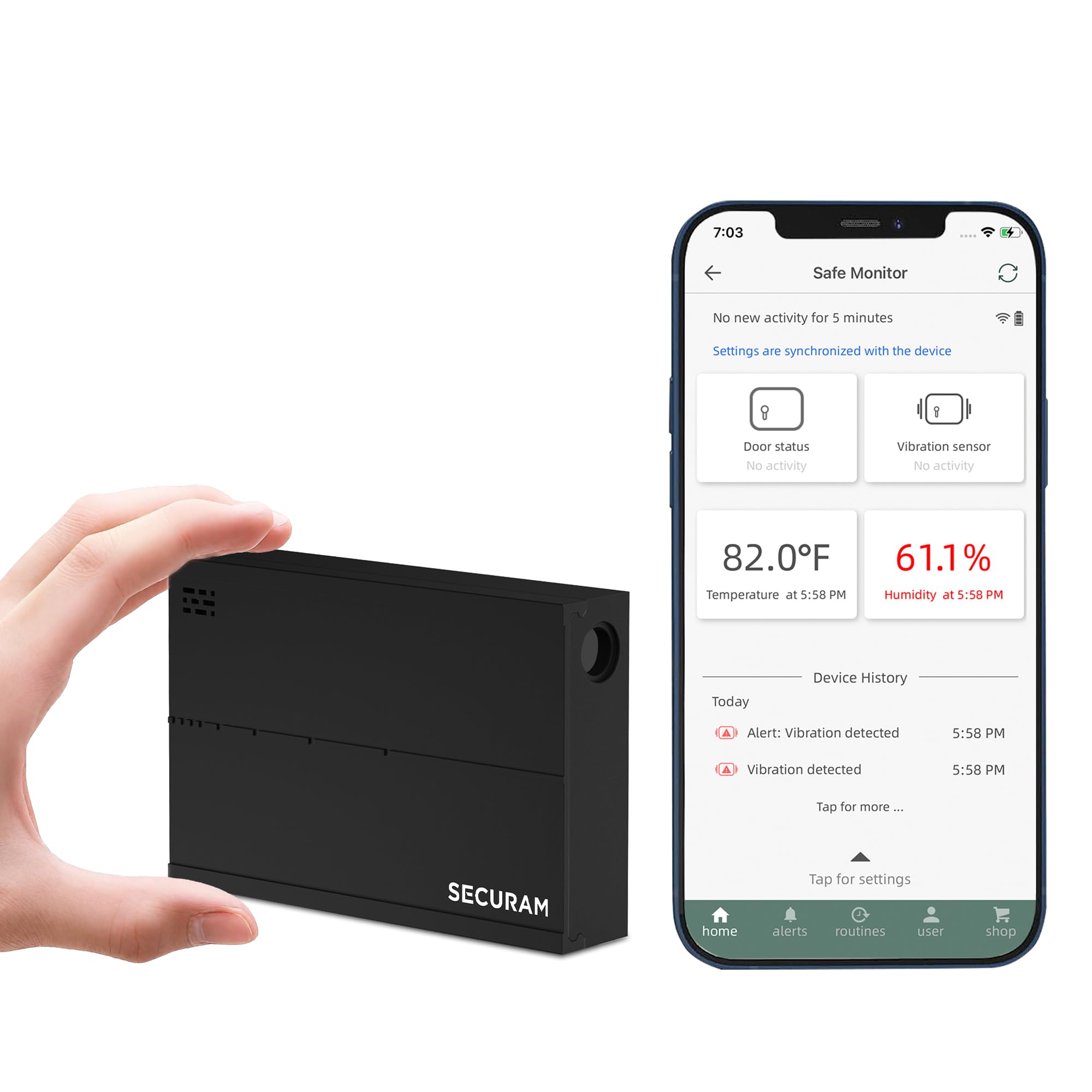

Frequently Asked Questions
Are Vibration Sensors Compatible With Most Rifle Safes?
Yes, vibration sensors are compatible with most rifle safes. They work by detecting unusual movements or shocks. Installation varies by model but generally fits standard safe designs. Always check the sensor’s specifications for compatibility with your specific safe brand and size.
How Long Does It Take To Install Vibration Sensors?
Installing vibration sensors usually takes 10 to 30 minutes. The process is simple and requires basic tools. Most sensors come with clear instructions for easy setup. No professional help is typically needed, making it a quick security upgrade.
Do Vibration Sensors Require Professional Installation?
No, vibration sensors typically do not require professional installation. They are designed for easy DIY setup. Most models include all necessary mounting hardware and instructions. However, if you’re uncomfortable with installation, professional help is an option.
Can Vibration Sensors Trigger False Alarms On Rifle Safes?
Yes, vibration sensors can sometimes trigger false alarms. Heavy vibrations or accidental bumps may set them off. Choosing sensors with adjustable sensitivity helps reduce false alarms. Proper installation on a stable surface also improves accuracy.
Conclusion
Vibration sensors on rifle safes are usually simple to install. Most kits come with clear instructions and needed tools. A few basic steps can secure your safe effectively. These sensors help protect your valuables from unwanted access. Installing one does not require expert skills or special tools.
Taking time to follow instructions pays off well. Protecting your rifle safe becomes easier with these sensors. Small effort, big peace of mind. Consider adding a vibration sensor for added security today.