Are you worried about the safety of your gun safe? You might have heard about vibration alarms and wondered if they really work.
Imagine someone trying to break into your safe—would the alarm alert you in time? Understanding how effective these alarms are can give you peace of mind and protect what matters most. Keep reading to discover if vibration alarms are the security upgrade your gun safe needs.
How Vibration Alarms Work
Understanding how vibration alarms work helps in choosing the right security for gun safes. These alarms detect movement or shaking to alert owners of possible tampering. They act as a first line of defense against unauthorized access.
Basic Mechanism
Vibration alarms sense vibrations caused by physical impact or movement. Inside, a sensor detects these signals and triggers the alarm. This system helps protect gun safes from break-ins or forced entry. The alarm sounds loudly to warn the owner and scare off intruders.
Some models allow adjustment of sensitivity levels. This feature avoids false alarms from minor bumps or vibrations nearby. The alarm stays silent until a significant shake is detected.
Types Of Sensors Used
Most vibration alarms use accelerometers or piezoelectric sensors. Accelerometers measure changes in speed or direction of movement. Piezoelectric sensors generate electric signals when stressed by vibrations.
Each sensor type has strengths. Accelerometers offer precise motion detection. Piezoelectric sensors are simple and cost-effective. Both types provide reliable alerts for gun safe security.

Advantages Of Vibration Alarms
Vibration alarms offer several benefits for gun safe security. These alarms detect unusual movements or impacts on the safe. They alert owners early, helping to prevent theft. Understanding their advantages can help in choosing the right security system.
Early Intrusion Detection
Vibration alarms sense any shaking or knocking on the safe. They trigger alerts before the safe is opened. This early warning can stop thieves quickly. It reduces the chance of losing valuables inside the safe.
Deterrent Effect
The loud sound from a vibration alarm scares away intruders. It makes the safe a less attractive target. Thieves often avoid safes with visible alarms. This effect lowers the risk of break-ins.
Integration With Other Security Systems
Vibration alarms work well with cameras and motion sensors. They can connect to smart home systems for instant alerts. This teamwork boosts overall security. It helps owners respond faster to threats.
Limitations Of Vibration Alarms
Vibration alarms offer some protection for gun safes. They detect movements and alert owners of possible tampering. Still, these alarms have limits. Understanding their weaknesses helps in choosing the right security measures.
False Alarms And Sensitivity Issues
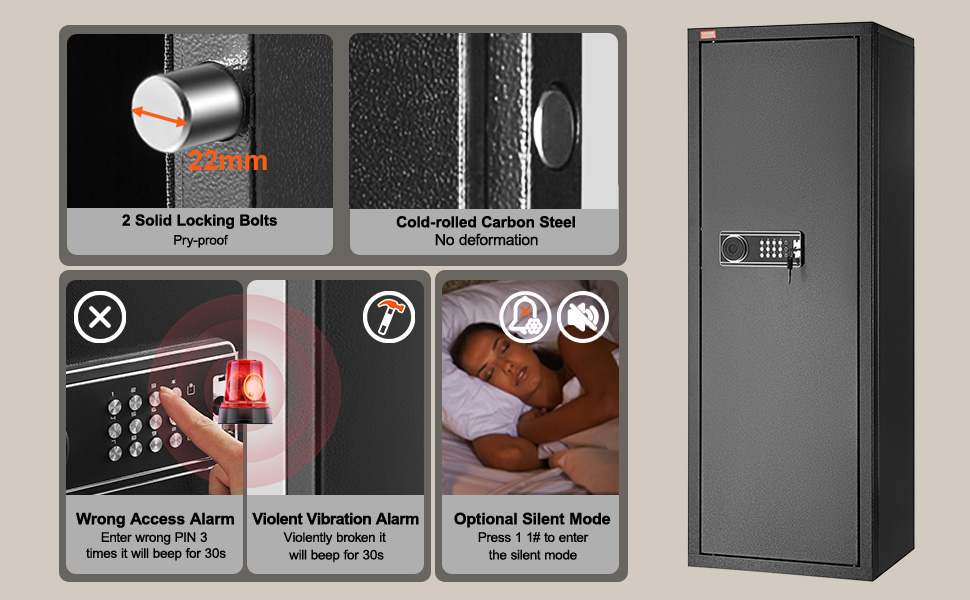
Vibration alarms can trigger false alarms often. Everyday vibrations like nearby traffic or loud noises may set them off. This reduces trust in the alarm’s accuracy. Sensitivity settings might be too high or too low. Too high causes many false alerts. Too low might miss real threats. Finding the right balance is hard.
Bypassing Techniques
Thieves can sometimes bypass vibration alarms. They might open the safe slowly to avoid triggering it. Some use tools to dampen vibrations. Others cut power to the alarm system. Without backup alarms, this can leave the safe unprotected. Relying only on vibration alarms can be risky.
Battery And Maintenance Concerns
Vibration alarms need regular battery checks. Dead batteries make the alarm useless. Some units have short battery life. Maintenance also includes cleaning sensors. Dust and dirt can cause malfunctions. Neglecting upkeep lowers alarm performance. Consistent care is essential for reliability.
Comparing Vibration Alarms To Other Security Features
Vibration alarms are one option for gun safe security. They detect shaking or movement and trigger alerts. Comparing them to other security features helps understand their strengths and limits. Each type offers different protection levels. Choosing the right mix can improve safety.
Electronic Keypads And Biometric Locks
Electronic keypads require a code to open the safe. They stop unauthorized access if the code stays secret. Biometric locks use fingerprints or palm scans. These locks offer fast access and high security. Both systems do not detect tampering or forced entry.
Mechanical Locks And Reinforcements
Mechanical locks use keys or combination dials. They are simple and reliable with no batteries needed. Reinforcements include thick steel walls and strong bolts. These protect against drilling or prying attempts. Mechanical locks and reinforcements do not alert owners to attacks.
Alarm Systems With Motion Detectors
Motion detectors sense movement near the safe. They trigger loud alarms to scare off intruders. These alarms often connect to phones or security services. Motion alarms cover a wider area than vibration alarms. They warn of potential threats before the safe is touched.
Best Practices For Gun Safe Security
Securing a gun safe requires more than just a good lock or alarm. Best practices increase the safety of your firearms. Using several methods together strengthens security. Proper setup and upkeep keep devices working well. Regular checks help spot problems early and keep your safe reliable.
Combining Multiple Security Measures
Use different tools for better protection. A vibration alarm alerts you to movement or tampering. Pair it with a strong lock and a heavy safe. Motion sensors, cameras, and keypad locks add extra layers. Multiple defenses confuse and deter thieves. This approach lowers the risk of break-ins.
Proper Installation And Calibration
Place the safe in a hidden, secure spot. Avoid easily accessible or visible areas. Follow the manufacturer’s instructions for setup. Calibrate vibration alarms to detect real threats. Too sensitive triggers false alarms. Too low sensitivity misses attempts to open the safe. Correct settings keep alarms reliable and useful.
Regular Testing And Maintenance
Test your vibration alarm and locks often. Check batteries and replace them as needed. Clean locks and hinges to prevent jams. Fix any damage or wear quickly. Testing ensures alarms respond correctly. Maintenance extends the life of all security parts. Well-maintained safes give peace of mind.
User Experiences And Expert Opinions
Understanding how well vibration alarms work in gun safes requires hearing from real users and experts. Their experiences and opinions shed light on the alarms’ strengths and weaknesses. This helps potential buyers decide if these alarms meet their security needs.
Customer Reviews
Many users say vibration alarms alert them quickly during tampering attempts. They report the alarms startle intruders and stop break-ins. Some customers mention false alarms triggered by minor bumps or heavy doors closing. Others appreciate alarms that connect to smartphones for instant alerts. Overall, users find vibration alarms add an extra security layer. Yet, a few feel these alarms should not be the only protection.
Security Expert Insights
Security experts view vibration alarms as useful but limited tools. They confirm alarms detect movement and vibration effectively. Experts advise pairing alarms with strong locks and heavy safes. They warn that skilled thieves may bypass vibration sensors. Experts recommend testing alarms regularly to avoid false alerts. They also highlight the importance of quick response after an alarm sounds. Experts agree vibration alarms enhance security but do not replace other safety measures.
Frequently Asked Questions
How Do Vibration Alarms Work On Gun Safes?
Vibration alarms detect unusual movements or impacts on the gun safe. They trigger an alert to deter theft or unauthorized access. This helps owners respond quickly to potential threats, enhancing the safe’s security.
Are Vibration Alarms Reliable For Preventing Gun Theft?
Vibration alarms are effective as an early warning system but should be combined with other security measures. They alert owners promptly, increasing chances of theft prevention. However, they are not foolproof and work best with comprehensive protection.
Can Vibration Alarms Cause False Alarms In Gun Safes?
Yes, vibration alarms may trigger false alarms due to minor shocks or environmental vibrations. Proper sensitivity settings and placement reduce false alerts. Regular testing ensures the alarm functions accurately without frequent disruptions.
Do Vibration Alarms Require Special Maintenance?
Vibration alarms generally need minimal maintenance. Regular battery checks and sensitivity adjustments keep them functioning well. Periodic testing ensures the alarm remains responsive and reliable over time.
Conclusion
Vibration alarms add an extra layer of protection to gun safes. They alert you quickly if someone tries to tamper with your safe. These alarms work best when combined with strong locks and proper safe placement. Remember, no security method is perfect alone.
Using vibration alarms can help you feel more secure. They give you peace of mind about your firearms’ safety. Consider your needs and budget before choosing an alarm. Safe storage is vital for responsible gun ownership. Stay smart and keep your valuables protected.