Are you worried about keeping your valuables safe from more than just theft? If you’re considering an under-bed safe, you might be wondering if it can protect your important documents and treasures from moisture damage.
Moisture can cause serious harm, from ruining papers to damaging electronics. So, is an under-bed safe moisture-resistant enough to give you peace of mind? Keep reading to discover the truth about these safes and find out how to choose the right one to protect what matters most to you.

Moisture Risks Under Beds
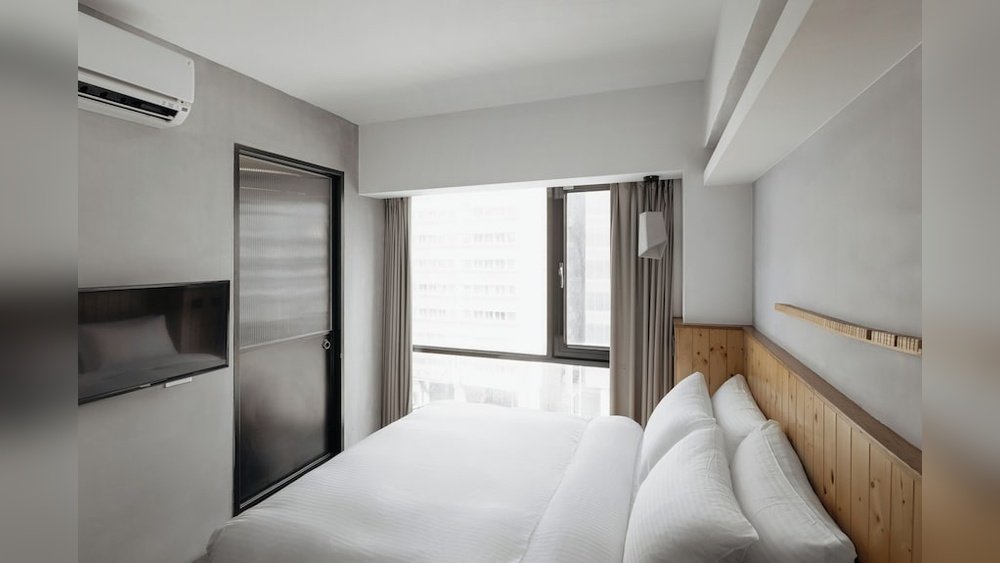
Under beds often hide moisture risks that many overlook. The space beneath a bed is dark and cool, perfect for moisture to gather. This moisture can harm items stored there, especially if the area is not well-ventilated. Knowing the moisture risks under beds helps protect your valuables and maintain a clean home.
Common Sources Of Moisture
Moisture under beds comes from several common sources. Humidity in the room often settles in lower spaces. Spills or leaks from nearby furniture or walls add extra moisture. Carpets and rugs trap moisture and release it slowly. Poor ventilation stops moisture from drying out. Even breathing and body heat can cause condensation under the bed.
Impact On Stored Items
Moisture damages many stored items under beds. Paper, books, and photos can warp or mold. Clothes and fabrics may develop mildew and odors. Electronics risk corrosion and short circuits. Metal items can rust or tarnish. Wooden items may swell or crack. Protecting items from moisture is essential for their long life.
Materials Used In Under-bed Safes
Under-bed safes need strong materials to protect valuables and resist moisture. Choosing the right materials helps keep contents safe from dampness and damage. Many safes combine metals and coatings to improve durability and moisture resistance.
Understanding these materials shows how under-bed safes stay secure and dry. The main focus is on metals used and special protective layers applied.
Steel And Metal Alloys
Steel is the most common metal in under-bed safes. It is strong, hard to break, and can resist moisture well. Some safes use metal alloys, mixing steel with other metals. These alloys improve strength and reduce rust risk. Thick steel walls help block water from entering. Quality steel also resists dents and scratches, keeping safes durable.
Protective Coatings And Linings
Many safes have extra layers to fight moisture. Powder coatings cover the metal surface and prevent rust. These coatings are tough and water-resistant. Inside, safes may have plastic or rubber linings. These linings stop moisture from reaching valuables. Some safes use sealants on edges to block water. These coatings and linings add an important barrier against dampness.
Design Features For Moisture Resistance
Under-bed safes often face moisture challenges due to their location near the floor. Moisture can cause rust, damage, and harm valuables inside. Manufacturers add special design features to reduce these risks. These features focus on preventing water entry and allowing safe airflow.
Seals And Gaskets
Seals and gaskets create tight barriers around the safe’s door. They block water and damp air from entering the safe. Rubber or silicone materials often form these seals. These materials stay flexible and strong over time. A good seal keeps valuables dry and safe.
Ventilation Systems
Ventilation systems help reduce moisture buildup inside the safe. They allow air to move, stopping dampness from growing. Some safes use small vents with covers to keep water out. These vents balance airflow without risking water entry. Proper ventilation keeps the safe’s interior dry and fresh.
Testing Moisture Resistance
Testing moisture resistance is key to knowing if under-bed safes protect valuables well. Manufacturers and consumers use different methods to check how safes handle wet conditions. These tests show if safes keep water out or if moisture can damage the contents.
Knowing the testing process helps buyers choose safe and reliable products. It also explains the limits of under-bed safes in moist environments. Let’s explore the standards and common tests used for moisture resistance.
Industry Standards
Industry standards set clear rules for moisture resistance in safes. These rules come from organizations that test products for safety. Standards describe how much water a safe can resist without leaking.
One common test sprays water or exposes the safe to humid air. The safe must stay dry inside for a set time. Passing these tests means the safe meets basic moisture protection.
Consumer Testing Methods
Consumers also test safes by placing them in damp places. They check if any water or dampness enters the safe after days or weeks. Some use moisture sensors inside the safe to detect water.
Others put wet cloths near the safe or pour small amounts of water on it. These simple tests show if the safe’s seal and material block moisture well. Consumer tests help find safes that work best at home.
Tips To Enhance Moisture Protection
Protecting your under-bed safe from moisture is key to keeping its contents secure and undamaged. Moisture can cause rust, mold, and damage to valuables inside. Taking simple steps helps improve moisture resistance and keeps your safe in good condition for years.
Using Desiccants
Desiccants absorb moisture inside the safe. Small packets with silica gel or clay work well. Place a few packets in different corners of the safe. Replace them every few months to keep moisture levels low. This method is affordable and easy to maintain.
Safe Placement Strategies
Where you put your under-bed safe affects moisture exposure. Avoid placing it on cold floors or near windows. Choose a spot with good air circulation. Elevate the safe slightly off the floor using a wooden board or small feet. This reduces contact with damp surfaces and helps air flow under the safe.
Alternatives To Under-bed Safes
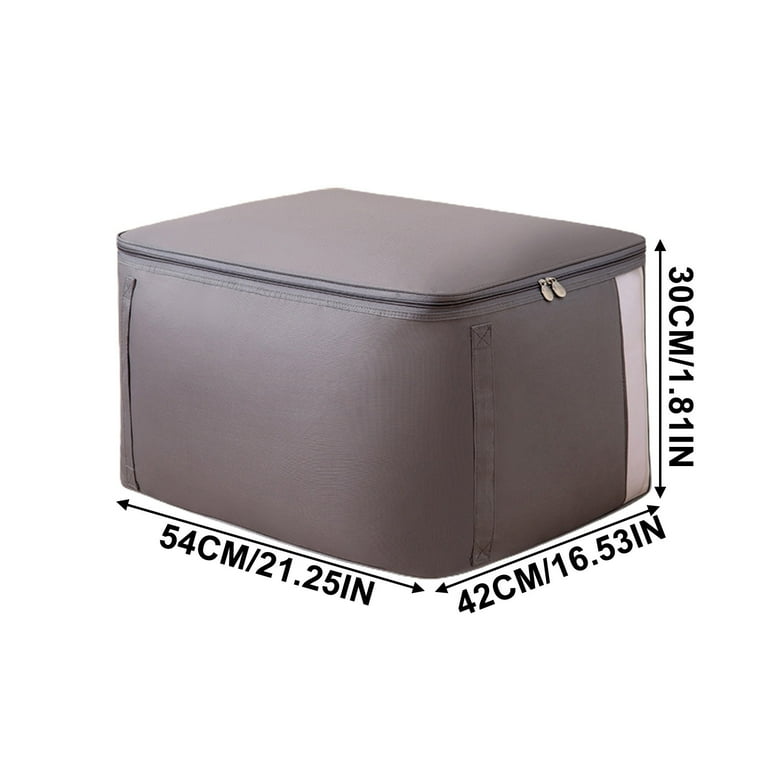
Under-bed safes offer convenience but may not suit all needs. Moisture and space limits can affect their use. Exploring other safe types helps find better security and protection. These options provide different benefits and suit various environments. Consider these choices for keeping valuables safe and dry.
Wall Safes
Wall safes fit inside walls, saving floor space. They offer good protection against theft. These safes are hidden and hard to find. Installation requires cutting into the wall. Wall safes stay away from ground moisture. This reduces risk of water damage. They are great for small rooms. You can install them in closets or behind pictures. Wall safes keep your items secure and dry.
Fireproof And Waterproof Safes
Fireproof and waterproof safes protect against heat and water. They are built with special materials to resist fire. These safes also prevent water damage from floods or leaks. Many models come with seals to block moisture. They are heavier and bulkier than other safes. These safes suit homes prone to fires or floods. They provide peace of mind for important documents. Fireproof and waterproof safes keep valuables safe and dry.

Frequently Asked Questions
Are Under-bed Safes Designed To Resist Moisture?
Most under-bed safes offer some moisture resistance, but not full waterproofing. They usually protect against light humidity and minor spills. For high moisture areas, consider safes with specific waterproof ratings or additional protective measures.
How To Improve Moisture Resistance In Under-bed Safes?
To enhance moisture resistance, place a moisture absorber or silica gel inside the safe. Avoid placing safes directly on damp floors. Regularly check seals and consider waterproof covers for added protection.
Can Moisture Damage Valuables In Under-bed Safes?
Yes, excessive moisture can cause rust, mold, or damage to valuables inside under-bed safes. Proper ventilation and moisture control are essential to protect important documents and electronics stored within.
Are All Under-bed Safes Equally Moisture-resistant?
No, moisture resistance varies by brand and model. Higher-end safes often feature better seals and materials that resist humidity. Always check product specifications for moisture-resistant features before purchase.
Conclusion
Under-bed safes offer a secure place for valuables. Some models include moisture-resistant features to protect items. Choosing one with good sealing helps keep dampness out. Still, using extra protection like silica packs adds safety. Proper placement in a dry room also matters.
This way, your belongings stay safe and dry. Check product details carefully before buying. A little care goes a long way in protection.