Are you worried about keeping your valuables safe from curious kids or potential tampering? Under-bed safes seem like a smart solution for hidden storage, but are they truly childproof and tamper-resistant?
If you want peace of mind knowing your important items are protected, you need to understand how these safes work and their real security features. Keep reading to discover what makes an under-bed safe secure—or not—and how you can choose one that really keeps your belongings out of harm’s way.
Child Safety Features
Child safety is a top priority for parents using under-bed safes. These safes must keep children from opening them or tampering with their contents. Many models include features designed specifically to protect curious kids. Understanding these features helps parents choose the right safe for their home.
Locking Mechanisms
Under-bed safes use strong locks that are hard for children to open. Combination locks, digital keypads, and biometric scanners prevent easy access. Some safes require multiple steps to unlock, adding extra security. These locks block children from opening the safe without permission.
Material Strength
Strong materials stop children from breaking into the safe. Thick steel walls resist prying and hammering attempts. Many safes also have reinforced corners and edges. This makes the safe tough enough to handle rough handling or accidental bumps.
Design Considerations
Design plays a key role in child safety. Some safes hide in hard-to-reach places under the bed. Others have smooth edges to avoid injuries. Quiet closing lids prevent noise that might attract children. Thoughtful design keeps kids safe and away from the safe’s contents.

Tamper Resistance
Under-bed safes offer a hidden way to store valuables. Their tamper resistance is key to keeping items safe. This means the safe resists attempts to open or break it without authorization. Understanding how well a safe resists tampering helps buyers choose the right product. The following sections explore common tampering methods, security ratings, and alarm systems.
Common Tampering Methods
Thieves try different ways to open safes. Picking locks is one method. They use small tools to unlock mechanical or digital locks. Drilling is another tactic. It involves making holes to reach the locking mechanism. Pry attacks try to force the safe open with crowbars or similar tools. Some use cutting tools to slice through metal. Good safes have strong materials and designs to stop these methods.
Security Ratings
Security ratings show how well a safe resists tampering. Ratings come from tests by independent labs. They check how long a safe can resist attacks like drilling or prying. Common ratings include UL (Underwriters Laboratories) and TL (Tool-Resistant) standards. Higher ratings mean better protection. A safe with a good rating can delay or stop thieves. Ratings help buyers compare safes easily.
Alarm Systems
Some under-bed safes have alarm systems. Alarms alert owners if someone tries to tamper with the safe. Sensors detect shaking, opening, or cutting attempts. Loud alarms scare off intruders quickly. Some alarms notify owners through apps or messages. This adds an extra layer of security. Alarms work well with strong physical safe features.
Comparing Safe Types
Choosing the right safe depends on what you need to protect and where you want to keep it. Under-bed safes and traditional safes serve different purposes. Each type offers unique benefits and faces certain limits. Understanding these differences helps you pick the best option for your home or office.
Under-bed Vs. Traditional Safes
Under-bed safes fit neatly under a mattress. They are low profile and easy to hide. Traditional safes often stand on the floor or attach to walls. They come in many sizes, from small boxes to large vaults.
Under-bed safes usually have lighter construction. Traditional safes are heavier and built with thick steel. This makes them harder to move or break into. Both types use locks, but the locking mechanisms can vary in strength and complexity.
Advantages And Limitations
Under-bed safes are easy to access and keep out of sight. They protect against quick theft but may not stop determined burglars. Their size limits the amount and size of items stored.
Traditional safes offer stronger protection from fire and theft. They can hold more valuables and heavier items. The downside is they are often bulky and harder to move. Installation may require drilling or bolting to floors or walls.
Best Uses For Under-bed Safes
Under-bed safes work well for small valuables and important documents. They suit people who want quick access to items. They are good for apartments or rooms with limited space.
These safes are not ideal for storing large amounts of cash or heavy jewelry. They provide moderate security but are less tamper-resistant than traditional safes. Under-bed safes are useful for everyday protection, not long-term security.
Selecting A Safe For Families
Selecting a safe for families is a careful task. Safety and ease of use are top priorities. Families need a safe that keeps valuables secure from children and unauthorized access. At the same time, adults should access the safe quickly during emergencies. This balance guides the choice of under-bed safes designed with families in mind.
Key Features To Look For
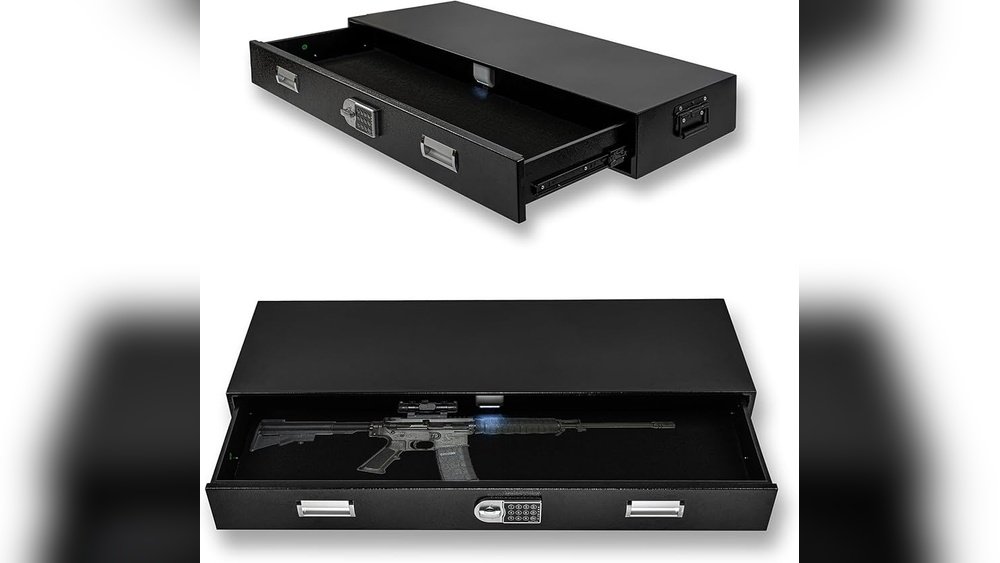
Choose a safe with strong locking systems like digital or combination locks. Look for tamper-resistant materials such as steel to prevent break-ins. Childproof safes often include features like lockout modes or hidden keypads. The safe should be easy for adults to open but hard for children. Size matters too; a compact safe fits well under beds without taking much space.
Budget Considerations
Set a budget before shopping. Childproof safes come in various price ranges. Cheaper models may lack advanced security features. More expensive safes offer better materials and locking systems. Balance cost with safety features that matter most to your family. Remember, investing in a quality safe protects your valuables and your peace of mind.
Brands With Childproof Options
Some brands specialize in safes designed for families. They offer childproof locks and sturdy builds. Look for brands with positive reviews on safety and durability. Trusted brands often provide warranties and customer support. Checking brand reputation helps ensure you buy a reliable under-bed safe.
Installation Tips
Installing an under-bed safe correctly is key to keeping your valuables secure. A good setup makes it harder for children to access and stops tampering attempts. Follow these simple tips to install your safe effectively.
Placement Strategies
Choose a spot under the bed that is hard to reach. Avoid open spaces or near the edges where kids can easily find it. Place the safe where it blends with other items like boxes or bags. This hides it from sight and reduces attention.
Securing The Safe
Use screws or bolts to fix the safe firmly to the bed frame or floor. This prevents the safe from being moved or pulled out. Check the safe’s mounting instructions to use the right hardware. Tighten all connections to avoid any wobbling or loosening over time.
Avoiding Common Mistakes
Don’t install the safe loosely; it must be stable and fixed. Avoid placing it where water or dust can damage it. Do not leave the key or combination written nearby. Keep the lock mechanism clean to ensure smooth operation. These small steps improve safety and durability.

Maintaining Safe Security
Maintaining safe security for under-bed safes is key to protecting your valuables. These safes offer extra security but need regular care. Small steps keep the safe childproof and tamper-resistant. Staying alert helps prevent unwanted access and damage.
Regular Inspections
Check your under-bed safe often. Look for signs of tampering or damage. Make sure the safe closes and locks properly. Inspect hinges, bolts, and the lock mechanism. Early detection stops bigger problems later.
Updating Locks And Codes
Change your safe’s lock codes regularly. Use strong, easy-to-remember codes. Avoid simple sequences like 1234 or birthdates. Replace worn keys or locks quickly. This keeps your safe secure and less likely to be opened by children or intruders.
Handling Emergencies
Have a plan if your safe malfunctions. Keep backup keys or codes in a secure spot. Teach trusted adults how to access the safe in emergencies. Avoid sharing codes with children. Quick response reduces risk during urgent situations.
Frequently Asked Questions
Are Under-bed Safes Truly Childproof?
Under-bed safes offer basic childproofing by requiring a key or code. However, determined children may still attempt to open them. Always combine safes with child safety education and supervision for better security.
How Tamper-resistant Are Under-bed Safes?
Under-bed safes are designed to resist tampering with sturdy locks and reinforced materials. They deter casual access but are not impenetrable against skilled intruders or tools.
Can Kids Accidentally Open Under-bed Safes?
Most under-bed safes have secure locking mechanisms that prevent accidental opening by children. Proper installation and locking ensure safety from unintended access.
What Features Enhance Childproofing In Under-bed Safes?
Childproof under-bed safes include combination locks, biometric access, and reinforced steel construction. These features increase security and limit unauthorized access by children.
Conclusion
Under-bed safes offer some protection but are not fully childproof. Children may still find ways to open or move them. Choosing safes with strong locks helps reduce risks. Regularly checking the safe’s condition keeps it secure. Always store dangerous items out of children’s reach.
These steps add safety but don’t guarantee complete tamper resistance. Stay cautious and use multiple safety measures at home. Keeping valuables safe requires smart planning and care.