When it comes to protecting your valuable belongings, you want the best security possible. But with so many options out there, how do you know if a smart home safe is truly safer than a traditional one?
You might be wondering if the latest technology really offers better protection or if it’s just a fancy upgrade. You’ll discover the key differences between smart and traditional safes, and find out which one can give you the peace of mind you deserve.
Keep reading to learn how to make the right choice for your home and your valuables.
Smart Home Safes
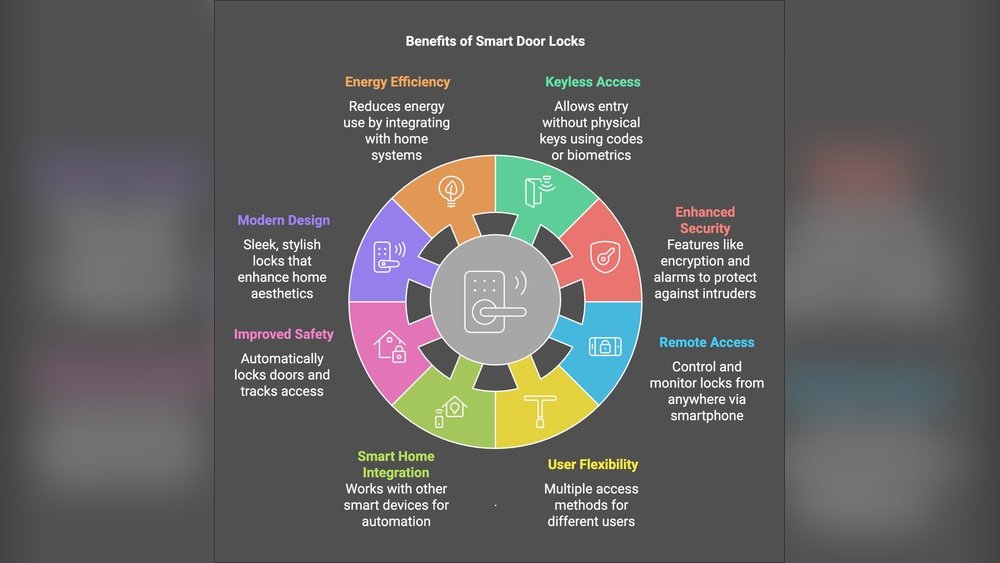
Smart home safes bring modern security to your doorstep. They blend technology with traditional protection. These safes offer more than just a locked box. They provide smart features that enhance safety and ease of use.
Key Features
Smart home safes include digital locks and fingerprint scanners. Many have alarms that trigger on forced entry. Some models connect to your smartphone for alerts. They often support multiple user codes. This helps families share access safely.
Technology Behind Security
Smart safes use encryption to protect data. This keeps codes and biometric info safe. Sensors detect tampering or movement. Many safes use apps for remote monitoring. This technology stops thieves before they act.
User Convenience
Access is quick with fingerprint or code entry. You don’t need to carry extra keys. Alerts notify you of any unusual activity. Setting up is simple with app guides. Smart safes fit easily into busy lifestyles.

Traditional Safes
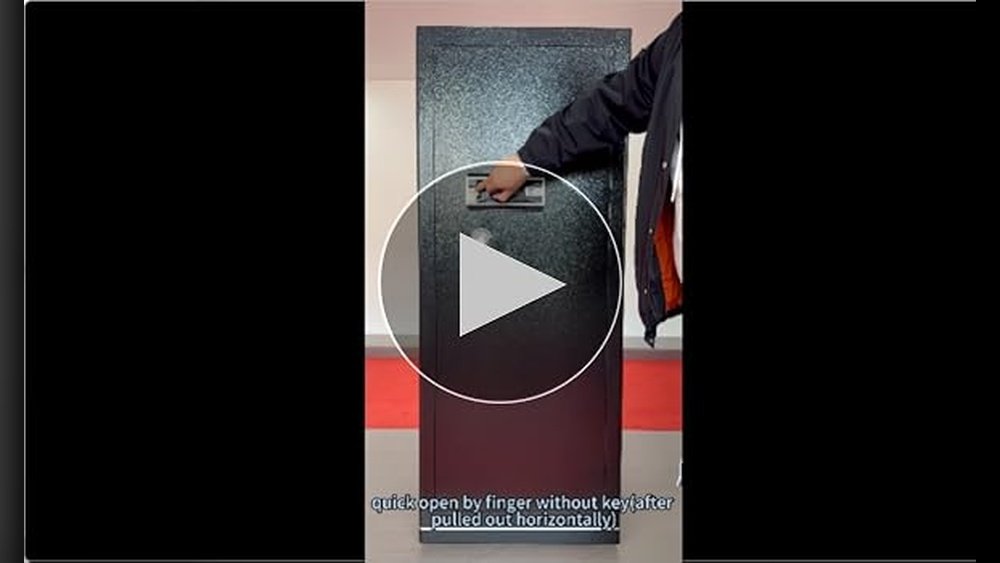
Traditional safes have protected valuables for many years. They rely on sturdy materials and simple mechanisms. These safes are trusted for their solid design and clear function.
Many people still choose traditional safes for home and office security. Their reliability and proven strength make them a popular option.
Common Designs
Traditional safes usually come in box shapes. They often have a single door with a lock. Some models include multiple compartments inside.
Designs vary from small portable safes to large floor models. This variety suits different security needs and spaces.
Mechanical Security Measures
Most traditional safes use combination dials or key locks. These methods rely on mechanical parts rather than electronics. The locks require precise input to open.
Some safes feature multiple locking bolts. These bolts secure the door tightly against forced entry. Mechanical locks do not need batteries or power.
Durability And Build
Traditional safes are made from thick steel. This metal resists drilling and cutting attempts. The walls and door are usually reinforced.
Many safes include fire-resistant materials. This protects contents from heat and smoke damage. The robust build offers long-term protection.
Security Comparison
Comparing smart home safes and traditional safes involves looking closely at their security features. Each type has strengths and weaknesses in different areas. Understanding these helps decide which safe fits your needs best.
Resistance To Break-ins
Traditional safes are made from thick steel and heavy materials. They resist physical attacks like drilling or prying. Smart safes also use strong materials but may include sensors. These sensors detect tampering and alert owners. Still, physical strength often favors traditional safes.
Vulnerability To Hacking
Smart safes connect to the internet or apps, opening new risks. Hackers might try to bypass digital locks or steal codes. Traditional safes do not face hacking risks as they lack digital parts. Smart safes require strong software security to protect from cyber threats.
Emergency Access
Traditional safes usually use keys or combination dials. These methods work without power or internet. Smart safes offer quick access via fingerprint or smartphone. But power outages or technical issues can block access. Emergency backup options are vital for smart safes.

Expert Opinions
Experts offer valuable insights on smart home safes versus traditional safes. Their opinions help buyers understand security strengths and weaknesses. Experts include security professionals, homeowners, and industry analysts. Each group shares unique views based on experience and research.
These perspectives reveal how smart safes perform in real life and what trends shape the market. They also highlight key factors affecting safe choice and security levels.
Security Professionals’ Views
Security experts often praise smart safes for advanced features. Biometric locks and remote alerts improve protection against theft. Many professionals stress the importance of software updates. These updates fix vulnerabilities and keep safes secure.
Some caution about hacking risks. They suggest using strong passwords and secure Wi-Fi networks. Traditional safes get credit for simplicity and mechanical strength. Experts say combining both types can boost overall security.
Homeowners’ Experiences
Homeowners appreciate smart safes for convenience and control. Being able to check the safe from a phone adds peace of mind. Users report ease in sharing temporary access with trusted people. Some mention occasional app glitches or connectivity problems.
Traditional safes are favored for reliability without tech issues. Many owners keep smart safes for valuables needing quick access. Others prefer traditional safes for long-term storage of important documents.
Industry Trends
The safe industry shows growing interest in smart technology. Manufacturers invest in improving smart safe security features. Market demand increases for safes that blend tech and strong physical locks.
Data encryption and multi-factor authentication become standard in new models. Experts predict smart safes will gain popularity as technology improves. Traditional safes continue to serve customers valuing simplicity and durability.
Choosing The Right Safe
Choosing the right safe is important for protecting your valuables. Different safes offer different levels of security and features. Understanding your needs helps you pick the best option for your home. Consider your security goals, budget, and how the safe fits into your home setup.
Assessing Security Needs
Think about what you want to protect. Cash, jewelry, documents, or firearms may need different safes. Some items require fire resistance or waterproof features. Consider the risk of theft or damage. Choose a safe with strong locks and solid construction. Smart safes offer added features like alarms and remote alerts.
Budget Considerations
Set a budget before shopping for a safe. Traditional safes can be less expensive than smart safes. Smart safes may cost more due to technology and features. Balance cost with the level of security you need. Avoid overspending on features you won’t use. Find a safe that fits your budget and protects well.
Integration With Home Systems
Smart safes can connect to home security systems. This allows monitoring from your phone or computer. You can get alerts if someone tries to open the safe. Traditional safes do not offer this. Check if your home system supports smart safe integration. This can add convenience and extra peace of mind.
:max_bytes(150000):strip_icc()/simple-agreement-for-future-equity-8414773-final-54bfa9008b9640389c5863b3cb5a755d.png)
Frequently Asked Questions
What Makes Smart Home Safes More Secure?
Smart home safes use advanced technology like biometric locks and remote monitoring. They offer real-time alerts and access logs, enhancing security compared to traditional mechanical safes.
Are Traditional Safes Still Reliable For Home Security?
Yes, traditional safes are reliable and durable. They resist physical attacks well but lack remote monitoring and smart features found in modern safes.
Can Smart Home Safes Be Hacked?
While smart safes have encryption, they can be vulnerable if not updated. Strong passwords and regular software updates reduce hacking risks effectively.
How Do Smart Safes Improve User Convenience?
Smart safes allow keyless entry via apps or biometrics. Users can control access remotely and receive instant notifications, increasing convenience and security.
Conclusion
Smart home safes offer advanced features and remote access. Traditional safes rely on strong physical locks and solid build. Each type has its own strengths and weaknesses. Choosing depends on your security needs and comfort with technology. Both can protect valuables if used properly.
Consider your lifestyle before deciding on a safe. Keep in mind, no safe is completely foolproof. Regular maintenance and smart placement improve safety. Combining smart features with strong construction is ideal. Stay informed to make the best choice for your home.