You're probably wondering if nylon holsters are a good fit for your needs. It's a common question, and the truth is, they can be a great option, but it really depends on what you're using them for and what you expect.
Manufacturer specifications confirm that materials like ballistic nylon offer a blend of durability and flexibility. However, their performance can vary significantly from more rigid alternatives. Let's break down what makes nylon holsters tick and where they fit into the holster landscape.

Image source: Web (Bing) / craftholsters.com (Web image (fair-use with source credit))
Quick Answer: Nylon Holsters – Good or Not?
Nylon holsters are generally good for budget-conscious users and everyday carry. They offer affordability and decent weather resistance. However, they may lack the precise retention and rigid support found in Kydex or leather holsters.
For basic needs, they're a solid choice.
The Lowdown on Nylon Holsters: What They Are and How They're Made
Nylon holsters, at their core, are crafted from synthetic fabrics, most commonly ballistic nylon or Cordura. These materials are chosen for their inherent toughness and resistance to abrasion. The construction usually involves stitching pieces of this tough fabric together to form the holster shape.
Many modern nylon holsters incorporate additional features to enhance performance. These can include internal plastic or Kydex stiffeners, particularly around the holster's opening, which helps maintain its shape and makes reholstering your firearm easier. Some designs also feature adjustable tension screws or thumb breaks for added weapon security.
The overall construction aims for a balance between flexibility for comfort and enough structure for reliable function.
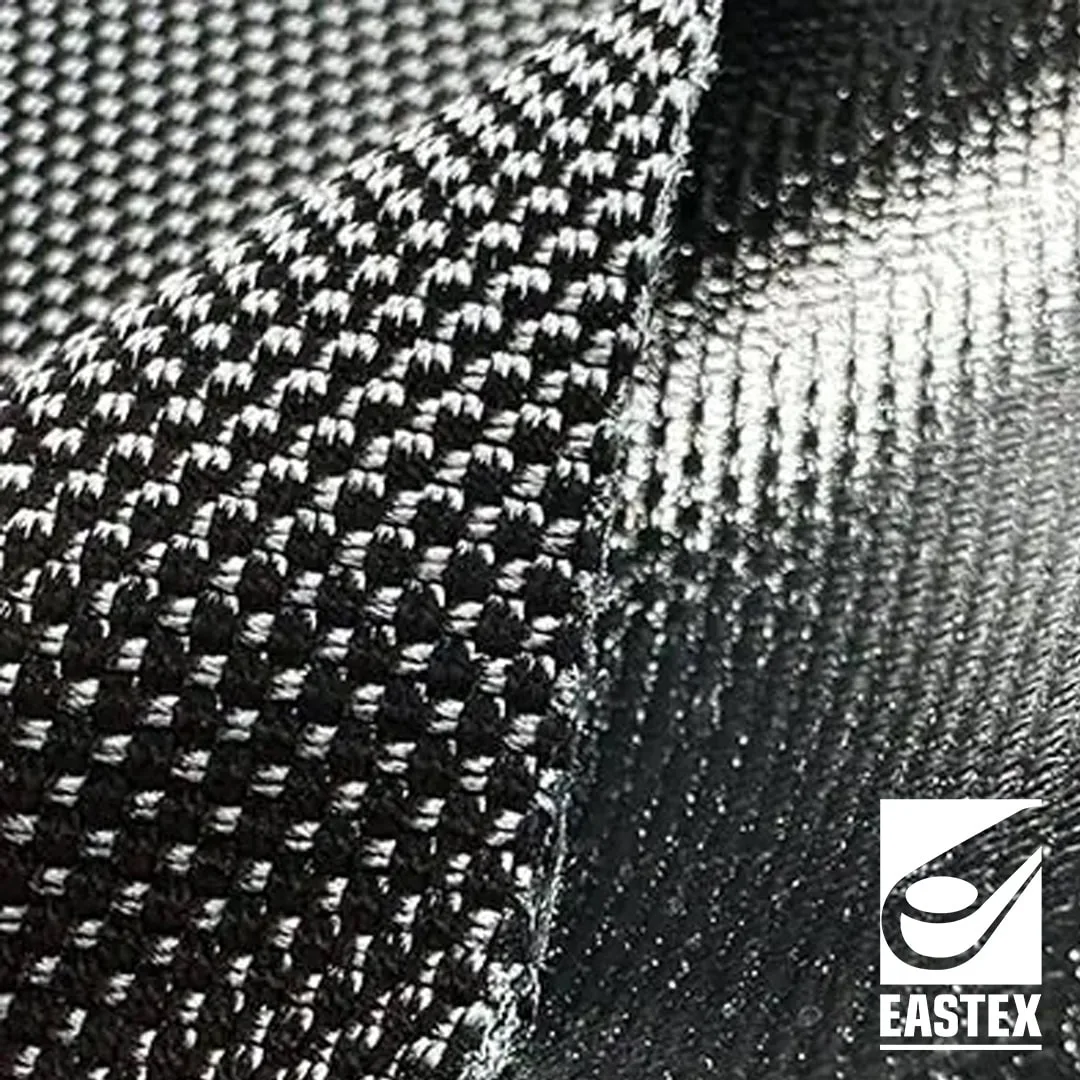
Image source: Bing (Web (fair-use with source credit))
Nylon Holsters: The Good, The Bad, and The Practical
When we look at nylon holsters, a few key points stand out. On the positive side, they are significantly more affordable than holsters made from materials like Kydex or premium leather. This makes them an excellent entry-level choice or a practical option if you need a holster for a less common firearm.
They're also remarkably lightweight, adding minimal bulk to your carry setup. Furthermore, nylon excels in its resistance to moisture; it doesn't soak up sweat or rain like leather, making it a solid contender for those in humid climates or who train outdoors frequently. Many users also find them to be quite comfortable due to their inherent flexibility.
However, nylon holsters aren't without their drawbacks. One of the biggest concerns is retention. Because nylon is flexible, it can sometimes be challenging to achieve the consistent, precise level of weapon security you might get from a rigid holster.
This can lead to a less secure fit or a slower draw if the material flexes excessively. Over time, repeated use can cause the stitching to fray or the fabric to wear thin in high-contact areas, potentially shortening the holster's lifespan compared to more durable materials. Reholstering can also be trickier; the flexible opening may collapse, making it harder to guide your firearm back into place smoothly without looking.
When Nylon Holsters Shine: Ideal Use Cases and Who They're For
Nylon holsters truly shine for specific users and scenarios. If you're just starting out in concealed carry or firearm ownership, a nylon holster offers a low-cost way to experiment with different carry positions and styles. It allows you to get a feel for carrying without a significant financial commitment.
For individuals on a tight budget, nylon holsters provide a functional and reliable way to carry their firearm safely. They also make excellent backup holsters or dedicated range holsters, where extreme tactical performance isn't always the primary concern.
Beyond these general uses, nylon is a fantastic choice for certain carry styles. You'll often find nylon used in chest rigs, tactical vests, and some specialized duty holsters due to its flexibility and cost-effectiveness. If you live in a region with high humidity or frequently train in wet conditions, the moisture-resistant nature of nylon is a major advantage over materials that can degrade or become uncomfortable when wet.
It’s a practical material that serves well for everyday, general-purpose carrying.
Where Nylon Falls Short: Potential Problems and Limitations
Despite their advantages, nylon holsters have limitations that are important to understand. The primary concern for many users is retention. While many nylon holsters include features like thumb breaks or adjustable tension screws, achieving the same level of consistent, positive retention as a precisely molded Kydex holster can be difficult.
The inherent flexibility of the material means it might not "snap" onto the firearm in exactly the same way, which can be a concern during vigorous physical activity or when bending.
Another significant limitation is long-term durability and structural integrity. While nylon fabrics are tough, the stitching can eventually fray, and the material itself can thin out in areas of high friction or stress, such as where the firearm rubs against it during drawing and reholstering. This can lead to a shorter service life compared to robust Kydex or well-maintained leather holsters.
Furthermore, the pliable nature of nylon can make one-handed reholstering a challenge. The mouth of the holster might collapse inward, requiring more attention to guide the firearm back into place, which is less than ideal in dynamic situations.
Nylon vs. Kydex vs. Leather: Making the Right Holster Choice
When you're deciding on a holster, it's helpful to see how nylon stacks up against the other popular materials: Kydex and leather. Kydex holsters are rigid, molded plastics that offer exceptional retention and a consistent draw. They are incredibly durable and resistant to sweat and moisture.
Kydex is often favored by law enforcement and competition shooters for its precise fit and fast reholstering. However, Kydex can be unforgiving on firearm finishes and may require a break-in period for maximum comfort.
Leather holsters offer a classic aesthetic and can be very comfortable once broken in. A well-made leather holster can mold to your firearm and body over time, providing a custom fit. They are generally quieter than Kydex.
The downsides include their susceptibility to moisture damage, which can lead to warping or degradation if not properly maintained. Leather also typically requires more time for break-in and might not offer the same level of aggressive retention as Kydex.
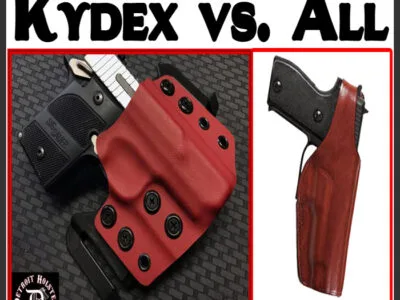
Image source: Web (Bing) / detroitholster.com (Web image (fair-use with source credit))
- Nylon: Best for budget, general carry, weather resistance, comfort. Lacks precision retention and long-term rigidity.
- Kydex: Best for maximum retention, speed, durability, consistent draw. Can be less comfortable initially and harsher on finishes.
- Leather: Best for custom fit, classic look, quiet draw, comfort (after break-in). Susceptible to moisture, requires maintenance, break-in time.
Choosing between them depends on your priorities. If cost and comfort are paramount and extreme retention isn't your top need, nylon is a solid pick. If you need rock-solid security and speed for demanding situations, Kydex is likely your best bet.
For a traditional feel and a custom fit, leather remains a strong option with proper care.
Common Pitfalls: Mistakes to Avoid When Choosing or Using Nylon
One of the most common mistakes people make with nylon holsters is assuming all nylon is the same. There's a wide range of quality, from cheap, flimsy fabrics to robust ballistic nylon or Cordura. Opting for a lower-quality fabric can lead to premature wear and poor retention.
Always check reviews or manufacturer descriptions for the specific type of nylon used. Another pitfall is not ensuring a proper fit for your specific firearm model. Even with a flexible material, a holster that's too loose or too tight will compromise retention and draw speed.
Over-reliance on built-in retention features without understanding the material's limits is also an issue. While thumb breaks and tension screws help, a flexible nylon holster might still allow for movement or dislodgement during intense activity if not used carefully. Similarly, expecting a nylon holster to perform exactly like a rigid Kydex holster in terms of draw speed and reholstering is unrealistic and can lead to frustration.
Finally, neglecting maintenance is a mistake. Even nylon holsters can benefit from occasional cleaning to remove debris that might interfere with function or cause wear.
Frequently Asked Questions About Nylon Holsters
How durable are nylon holsters typically?
Durability varies by nylon quality and construction. High-quality ballistic nylon or Cordura holsters can last several years of regular use, but stitching can fray, and fabric can thin out over time in high-friction areas.
Can I trust the retention on a nylon holster for concealed carry?
For general concealed carry, many users find the retention adequate, especially with features like thumb breaks or adjustable tension. However, for highly dynamic activities or if precise, consistent retention is critical, Kydex holsters often provide superior security.
Are nylon holsters comfortable for all-day wear?
Yes, many find them very comfortable due to their flexibility and lightweight nature. They tend to conform better to the body than rigid holsters, reducing pressure points.
How do I clean and maintain a nylon holster?
Nylon holsters can typically be cleaned with mild soap and water. Gently scrub with a soft brush, rinse thoroughly, and allow them to air dry completely away from direct heat or sunlight. Avoid harsh chemicals.
Do nylon holsters require a break-in period?
While not as rigid as Kydex, some nylon holsters might benefit from a brief break-in period. This usually involves inserting and drawing your firearm multiple times to help the holster conform to its shape and ease any initial tightness.
Can I use a nylon holster for training classes?
Yes, nylon holsters are perfectly suitable for many training classes, especially those focused on basic marksmanship or concealed carry. For advanced tactical courses or competition, instructors might recommend more rigid holsters for specific performance requirements.
Final Verdict: Is a Nylon Holster Right For You?
Nylon holsters are a good choice for a wide range of people, particularly beginners, budget-conscious individuals, and those prioritizing comfort and weather resistance for everyday carry. Their affordability and flexibility make them an accessible option for safely carrying a firearm. However, if your primary needs are top-tier retention, rapid reholstering, or extreme durability for demanding use, you might find that Kydex or high-quality leather holsters better suit those specific requirements.
As of 2026, nylon holsters continue to offer a practical and valuable segment in the firearm accessory market.