Have you ever wondered if mechanical locks are truly more reliable than their modern counterparts? When it comes to protecting your home or valuables, you want a lock you can trust—one that won’t fail when you need it most.
This question isn’t just about technology; it’s about your peace of mind and safety. You’ll discover the real strengths and weaknesses of mechanical locks, helping you decide if they’re the right choice for your security needs. Keep reading to find out what might be standing between you and a secure lock.

Mechanical Locks Basics
Mechanical locks have been a trusted security choice for many years. They use physical parts to secure doors and other entry points. These locks do not rely on electricity or batteries, making them simple and dependable.
Understanding how mechanical locks work helps to see why they remain popular. Their design is straightforward, which often means fewer problems and easier repairs.
Types Of Mechanical Locks
There are several types of mechanical locks. The most common is the pin tumbler lock, found in many homes. It uses pins of different lengths to prevent the lock from opening without the right key.
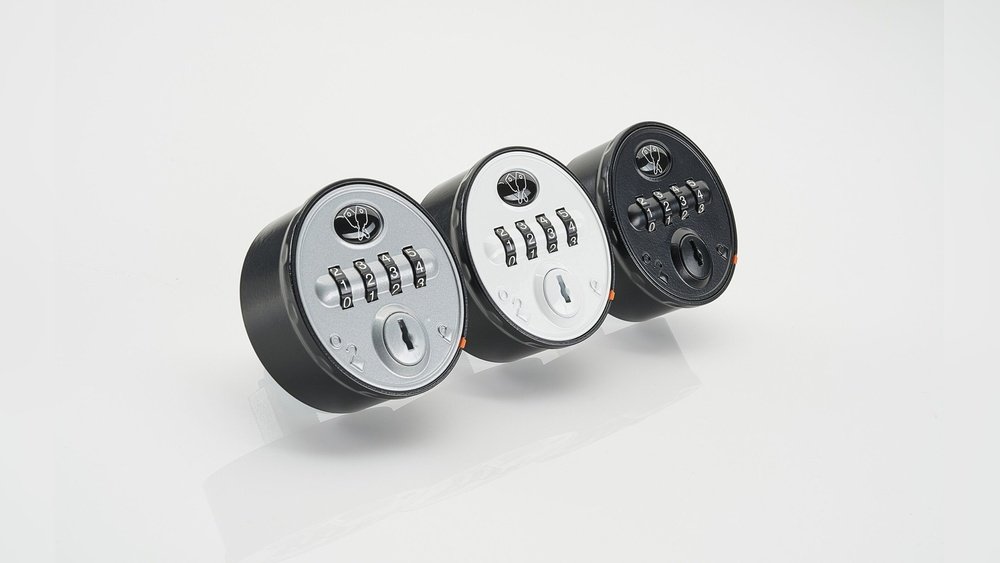
Other types include wafer locks, lever locks, and disc tumbler locks. Each type uses a different method to stop unauthorized access. Some are better for doors, while others fit cabinets or safes.
How Mechanical Locks Work
Mechanical locks operate by moving parts inside the lock cylinder. The key fits into the lock and lifts pins or levers to the correct height. This action aligns the parts so the lock can turn and open.
No key means the parts stay out of alignment. The lock stays closed and secure. This simple mechanical action makes these locks reliable and easy to use.
Reliability Factors
Reliability in mechanical locks depends on several key factors. These elements determine how well a lock performs over time and under different conditions. Understanding these factors helps in choosing the right lock for safety and peace of mind.
Durability And Lifespan
Mechanical locks are made from strong metals like steel and brass. These materials resist wear and tear from daily use. Many mechanical locks last for decades without losing function. Regular maintenance, like oiling, extends their lifespan. They do not rely on batteries, so they keep working without power.
Resistance To Tampering
Mechanical locks can be hard to pick or break. High-quality locks have complex pin systems and hardened materials. This makes tampering difficult for intruders. Some locks include anti-drill plates to stop drilling attacks. Locks with more pins usually offer better security. However, no lock is completely tamper-proof.
Environmental Impact
Mechanical locks work well in all weather conditions. They are not affected by cold, heat, or moisture like electronic locks. Rain or dust does not stop them from working properly. These locks also do not need batteries, reducing electronic waste. Their simple design makes them easy to repair rather than replace.
Mechanical Vs Electronic Locks
Mechanical and electronic locks serve the same purpose: keeping places safe. Each type works differently and has unique benefits and drawbacks. Understanding these differences helps in choosing the right lock for your needs.
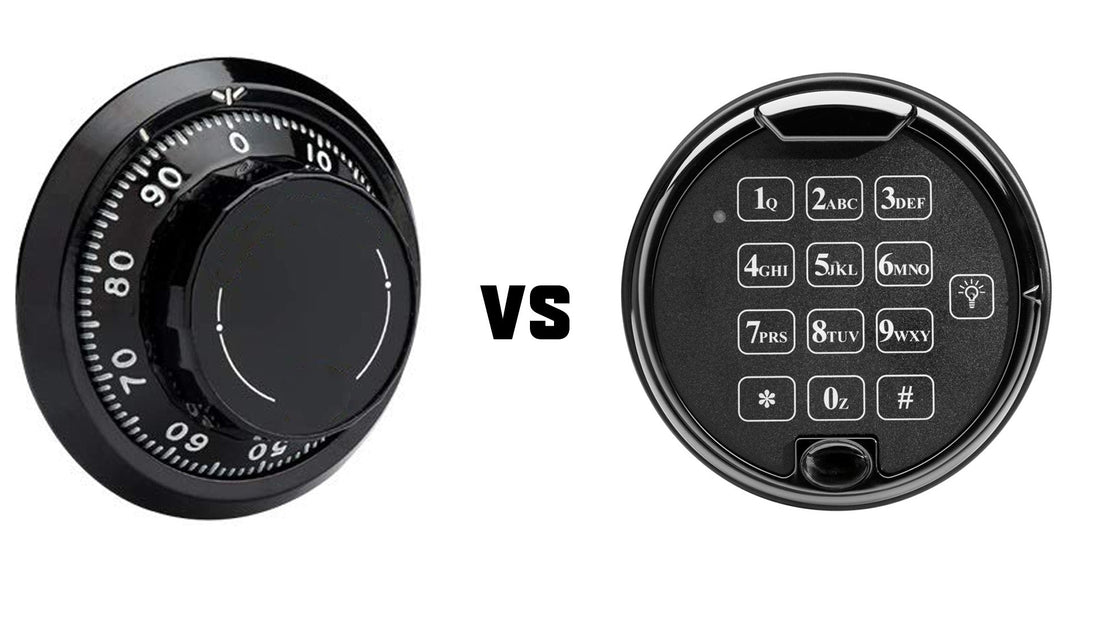
Mechanical locks use traditional keys and physical mechanisms. Electronic locks rely on digital codes, cards, or smartphones. Both types have security features but vary in how they protect property and how much care they require.
Security Comparison
Mechanical locks depend on physical keys. They resist hacking or electronic failure. Electronic locks offer code-based entry and can track access. They risk digital hacking or power loss. Mechanical locks are simple but can be picked. Electronic locks often have alarms and auto-lock features.
Maintenance Requirements
Mechanical locks need occasional lubrication and key duplication. They rarely fail unless physically damaged. Electronic locks require batteries or power sources. Software updates keep them secure. They may need professional servicing for technical problems.
Cost Considerations
Mechanical locks usually cost less upfront. Installation is simple and cheaper. Electronic locks are more expensive initially. They might save money with fewer lost keys. Long-term costs include battery replacement and software updates.
Common Failures In Mechanical Locks
Mechanical locks have been trusted for years. Still, they face common issues that reduce their reliability. Understanding these problems helps in choosing the right lock and maintaining it well.
Wear And Tear Issues
Mechanical locks have many moving parts that wear out over time. Frequent use can cause springs to lose tension. This makes the lock harder to turn or even jam. Dirt and dust can build up inside, slowing the mechanism. Rust can form if the lock is exposed to moisture. This corrosion damages internal parts and causes stiffness. Regular cleaning and lubrication can prevent some wear and tear.
Key And Cylinder Problems
Keys and cylinders must fit perfectly to work well. A bent or worn key may not turn smoothly. Sometimes keys break inside the lock, blocking the cylinder. The cylinder itself can get stuck due to dirt or damage. Misalignment between the key and cylinder pins causes difficulty in unlocking. A damaged cylinder might need full replacement to restore function. Proper key handling and periodic checks reduce these problems.
Enhancing Mechanical Lock Security
Mechanical locks have served as a trusted security solution for centuries. Their reliability often depends on how well their design and additional measures protect against unauthorized access. Enhancing the security of mechanical locks involves using modern designs and adding extra layers of protection. These steps can make locks much harder to pick or break.
Advanced Lock Designs
New mechanical lock designs offer improved security features. Some locks use complex pin patterns that are difficult to replicate. High-security locks may include sidebars or rotating discs inside the mechanism. These features make it tough for intruders to manipulate the lock. Hardened materials also increase resistance to physical attacks. Better design equals stronger protection for your property.
Supplementary Security Measures
Adding extra security tools can boost the effectiveness of mechanical locks. Reinforced strike plates help prevent door frame damage. Security bars or door chains add a second layer of defense. Alarm systems can alert you if someone tries to tamper with the lock. Using multiple methods together creates a safer environment. Mechanical locks perform best with these added protections.
When To Choose Mechanical Locks
Mechanical locks remain a trusted choice in many situations. Their simplicity and durability make them a reliable option. Understanding when to choose mechanical locks helps you make better security decisions.
Ideal Use Cases
Mechanical locks work well in homes and small offices. They provide solid security without power or batteries. Outdoor gates and sheds benefit from mechanical locks. Places with frequent power outages suit these locks perfectly. They are easy to use for people of all ages. Mechanical locks also serve well in rental properties. Their low maintenance need saves time and money.
Limitations To Consider
Mechanical locks lack remote access or smart features. Lost keys can cause inconvenience and require replacement. Picking and bumping risks still exist with some types. They do not track who enters or leaves. Frequent key duplication may reduce security. Mechanical locks can wear out with heavy use. Understanding these limits helps choose the right lock type.

Frequently Asked Questions
Are Mechanical Locks More Durable Than Electronic Locks?
Mechanical locks generally last longer due to fewer electronic components. They resist power failures and electronic malfunctions, making them more reliable in many situations. However, proper maintenance is essential for their longevity.
How Secure Are Mechanical Locks Compared To Digital Locks?
Mechanical locks offer strong physical security but can be picked with skill. Digital locks provide advanced features like biometric access but may be vulnerable to hacking or power issues. Both have pros and cons depending on use.
Do Mechanical Locks Require Less Maintenance?
Yes, mechanical locks typically need less maintenance than electronic ones. They have fewer parts that can fail and don’t rely on batteries or software updates. Regular lubrication and key checks are usually sufficient.
Can Mechanical Locks Be Easily Duplicated?
Mechanical keys can be duplicated but usually require physical access to the key. High-security mechanical locks use complex keyways to reduce duplication risks. Always use certified locksmiths for key copying to maintain security.
Conclusion
Mechanical locks have stood the test of time for good reasons. They do not need power or batteries to work. Simple design means fewer parts can break or fail. People trust them for basic security needs. Yet, they might lack some features of digital locks.
Choosing the right lock depends on your needs and budget. Mechanical locks offer reliability that many users value. They remain a solid choice for many homes and offices. Think about your situation before making a final decision.