Are you looking for the best way to protect your rifles? Choosing the right safe is crucial for keeping your firearms secure and out of the wrong hands.
Mechanical lock rifle safes have become a popular option, but are they really better than other types? You’ll discover the key benefits and potential drawbacks of mechanical lock safes. By the end, you’ll know exactly if this is the right choice for your needs.
Keep reading to make an informed decision that keeps your rifles safe and gives you peace of mind.
Mechanical Lock Basics
Mechanical locks remain a popular choice for rifle safes. They offer a simple, reliable way to secure firearms. Understanding how these locks work helps in choosing the right safe. This section explains the basics of mechanical locks and their common types.
How Mechanical Locks Work
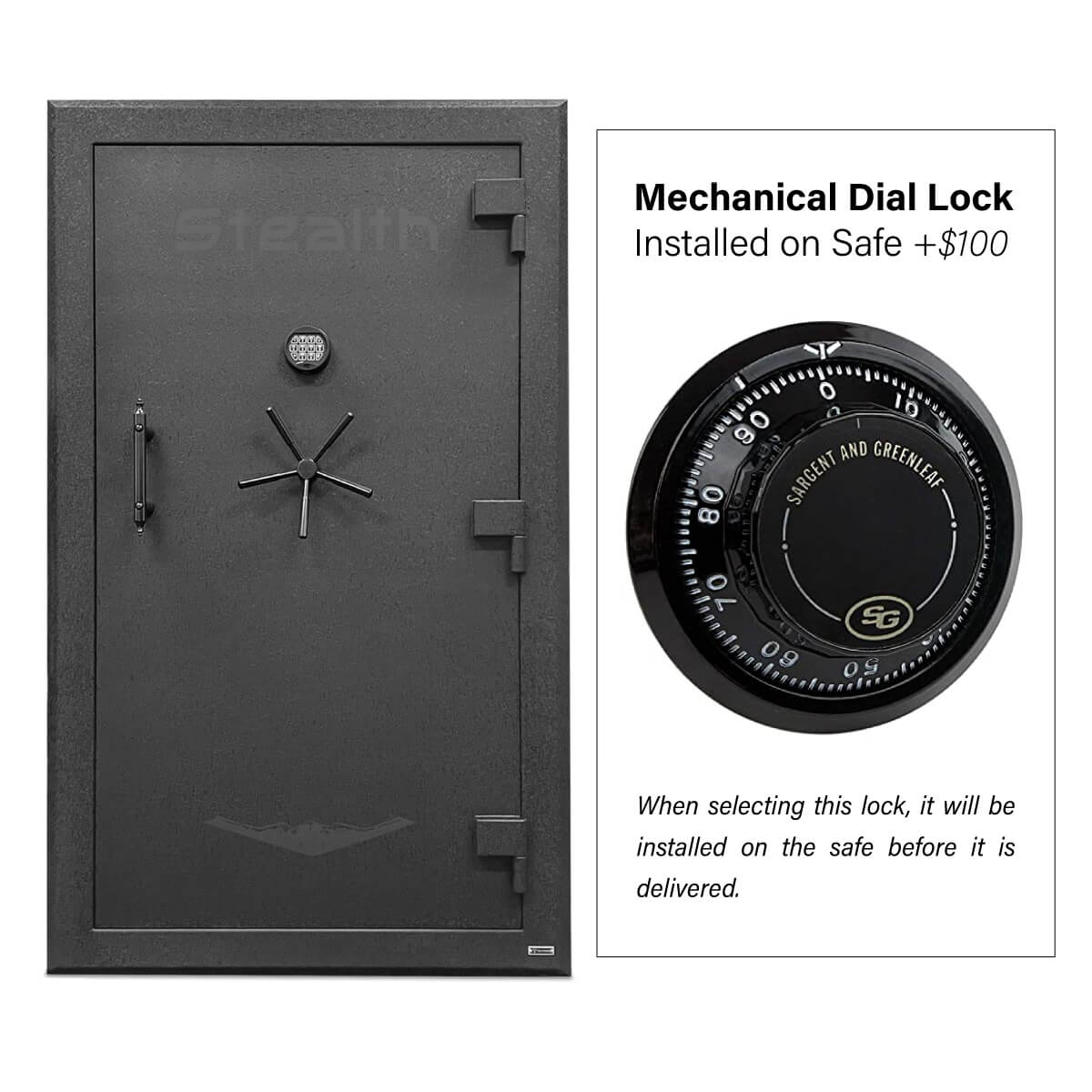
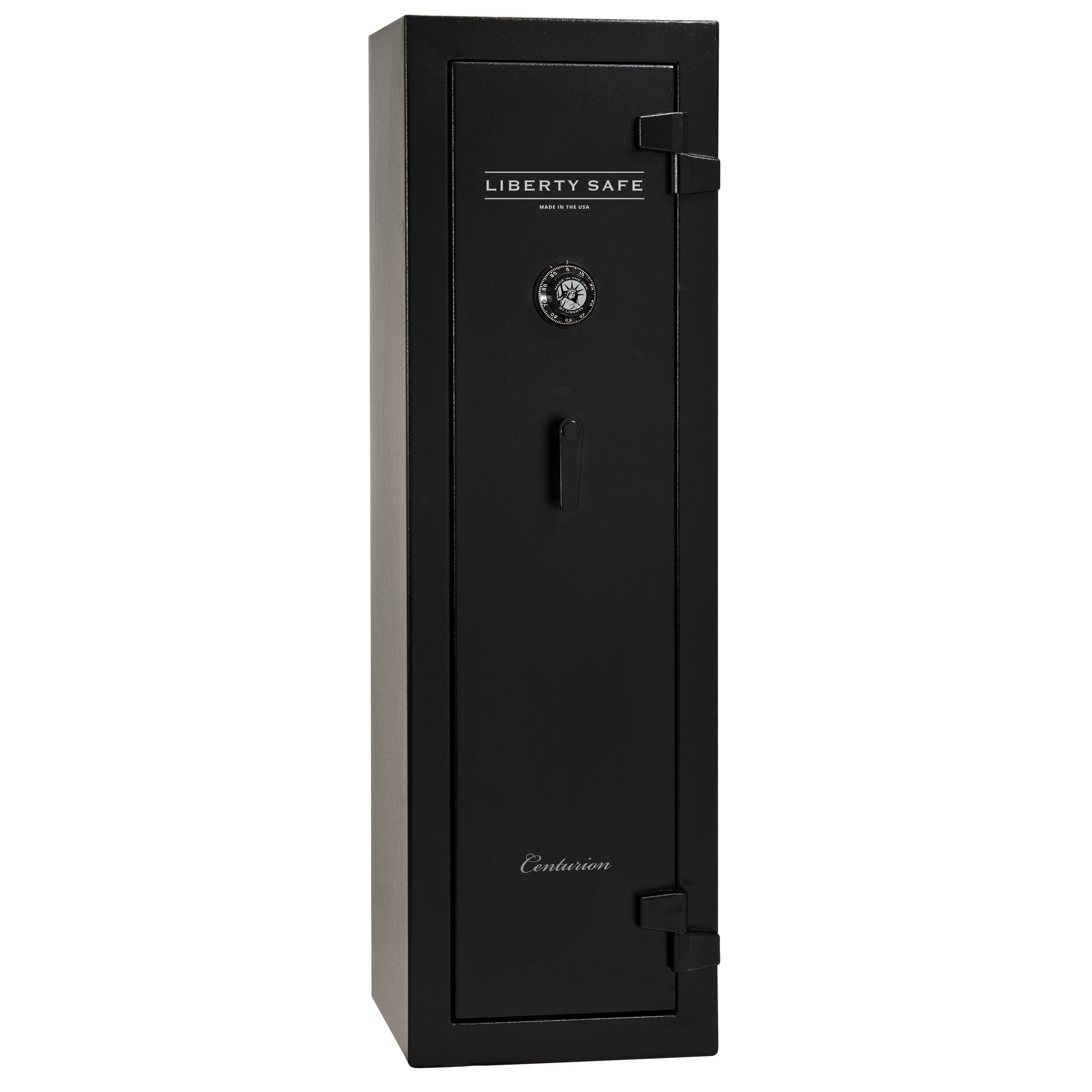
Mechanical locks use physical components to secure the safe door. A dial turns to align internal parts called tumblers or discs. When these parts line up correctly, the lock opens. No batteries or electricity are needed. This makes them reliable during power failures or emergencies.
Users must remember the correct combination to open the lock. The combination controls the alignment of tumblers. If the combination is wrong, the lock stays closed. This provides strong security for your firearms.
Common Types Of Mechanical Locks
There are several types of mechanical locks used in rifle safes. The most common are dial locks and key locks.
Dial locks use a rotating dial to set the correct combination. They offer precise security but require practice to open quickly. Key locks use a physical key to open the safe. They are easy to use but can be lost or copied.
Some safes combine mechanical locks with electronic systems. This provides extra security and convenience. Mechanical locks remain valued for their simplicity and dependability.
Advantages Of Mechanical Lock Safes
Mechanical lock rifle safes offer clear benefits. They provide security without the need for power. Many gun owners trust these safes for their simplicity and strength. Understanding their advantages helps in choosing the right safe.
These safes work with physical keys or combination dials. They avoid common problems linked to electronic locks. This makes them a solid choice for rifle storage.
Reliability Without Batteries
Mechanical safes do not need batteries to operate. They work smoothly even during power outages. No worries about dead batteries or lost electronic signals. This ensures constant access to your rifles.
Unlike electronic safes, mechanical ones never fail due to low power. They stay ready at all times. This reliability is crucial in emergencies.
Durability And Longevity
Mechanical locks are built to last many years. They use strong metal parts that resist wear and tear. Frequent use does not easily damage them.
These safes handle rough conditions without losing function. Their simple design means fewer parts to break. This makes maintenance easy and inexpensive.
Resilience Against Hacking
Mechanical locks cannot be hacked or electronically bypassed. They avoid risks linked to digital attacks. This adds an extra layer of security for your guns.
Physical keys and dials resist tampering better than electronic codes. This protection is essential for safe gun storage. It reduces chances of unauthorized access.
Limitations Of Mechanical Lock Safes
Mechanical lock rifle safes offer security without batteries or electronics. They are durable and reliable in many ways. Still, these safes have some limits that might affect their use. Understanding these limits helps in choosing the right safe for your needs.
Speed Of Access
Mechanical locks take longer to open than digital ones. You must turn the dial carefully to the right numbers. This process can be slow in urgent moments. Quick access is harder, especially under stress.
Complexity For New Users
New users may find mechanical locks confusing. Learning the combination and correct dial turns takes time. Mistakes in dialing can cause frustration and delay. It is not as simple as pressing buttons.
Maintenance Requirements
Mechanical locks need regular maintenance to work well. Dust, dirt, or rust can affect the lock’s function. Lubrication and cleaning are necessary to avoid jams. Neglecting maintenance can lead to costly repairs.

Comparing Mechanical And Electronic Locks
Choosing between mechanical and electronic locks for rifle safes can be challenging. Each type offers unique benefits and drawbacks. Understanding these differences helps in making a better choice.
Security Features
Mechanical locks use physical dials or keys. They have fewer parts that can fail. These locks are not vulnerable to hacking or power loss. Electronic locks use digital keypads or biometric scans. They allow quick access and can store multiple codes. Some models alert owners of unauthorized attempts. Both provide strong security but differ in protection style.
User Convenience
Mechanical locks require manual dialing or key use. This can take longer to open. They need no batteries or power source. Electronic locks open faster with code or fingerprint. They may need battery changes or charging. Electronic models can be easier for multiple users. Mechanical locks work well in any environment.
Cost Considerations
Mechanical locks are generally less expensive upfront. They have low maintenance costs. Electronic locks cost more initially and may require battery replacements. Repair costs can be higher for electronic models. Choosing depends on budget and long-term needs.
Choosing The Right Rifle Safe Lock
Choosing the right rifle safe lock is key to protecting your firearms. The lock type affects how secure and easy to use your safe will be. Mechanical lock rifle safes offer a different experience than electronic ones. Understanding your needs helps pick the best option.
Assessing Your Security Needs
Consider how much protection your rifles require. Mechanical locks are less prone to hacking or battery failure. Think about who needs access and how often. If many people need entry, a combination lock might slow access. For fewer users, mechanical locks provide solid security.
Evaluating Budget And Preferences
Mechanical locks often cost less than electronic locks. They do not need batteries or electricity. Some users prefer the tactile feel of a dial. Budget limits may make mechanical locks more attractive. Choose a lock that fits both your wallet and comfort.
Considering Safe Quality And Certification
Check if the safe has quality marks or certifications. Certified safes meet strict security standards. Mechanical locks on certified safes ensure reliable protection. Look for safes tested against break-ins and fire. Quality locks add trust to your purchase.
Tips For Safe Usage And Maintenance
Using a mechanical lock rifle safe properly keeps your firearms secure. Regular care and smart habits help the safe work well for a long time. Follow these tips to keep your safe in top shape.
Regular Testing And Inspection
Test your mechanical lock often to check if it works smoothly. Turn the dial several times and open the safe to ensure the lock responds correctly. Look for signs of wear or damage on the dial and lock parts. Fix small problems before they turn into big issues.
Proper Combination Management
Choose a strong combination that is not easy to guess. Write it down and store it in a safe place, not inside the safe. Change the combination if you think someone else knows it. Avoid sharing the code with many people to keep your firearms safe.
Professional Servicing
Have a locksmith or safe expert check your mechanical lock every few years. They can clean, oil, and repair parts that you cannot reach. Professional service helps the lock stay reliable and prevents unexpected failures. Do not try to fix complex problems by yourself.
Frequently Asked Questions
What Are Mechanical Lock Rifle Safes?
Mechanical lock rifle safes use a manual dial or key to secure firearms. They do not rely on electronics, making them reliable and durable. These safes offer consistent security without the risk of battery failure or hacking.
Are Mechanical Lock Safes More Secure Than Electronic Ones?
Mechanical lock safes are highly secure due to their sturdy construction and simple design. However, electronic safes offer quicker access. The best choice depends on your need for speed versus long-term reliability.
How Durable Are Mechanical Lock Rifle Safes?
Mechanical lock rifle safes are very durable, built with strong steel and reliable locking mechanisms. They can withstand physical attacks and environmental factors better than many electronic safes.
Do Mechanical Lock Safes Require Maintenance?
Mechanical lock safes require minimal maintenance. Occasional lubrication of the lock and ensuring the dial or key mechanism is clean keeps them functioning smoothly for years.
Conclusion
Mechanical lock rifle safes offer reliable security without batteries or electronics. They work well in many situations, especially where power is limited. These safes are simple to use and often last longer than digital models. Keep in mind your personal needs, such as ease of access and safety level.
Choosing the right safe depends on how you plan to use it. Mechanical safes can be a solid choice for many gun owners. Think about what matters most: durability, reliability, or convenience.