Are you wondering if it’s okay to keep your dehumidifier running all day? You’re not alone.
Many people ask this because they want to protect their home from dampness without wasting energy or risking safety. Understanding how dehumidifiers work and the best way to use them can save you money and keep your space comfortable. Keep reading to find out the truth about running your dehumidifier non-stop and what you should know to make the best choice for your home.
How Dehumidifiers Work
Understanding how dehumidifiers work helps decide if running them all day is safe. Dehumidifiers remove excess moisture from the air. This reduces dampness and stops mold and mildew growth. They use simple technology to pull water from the air and collect it in a tank or drain it away. Knowing the basics explains why these devices are useful for homes.
Basic Operation
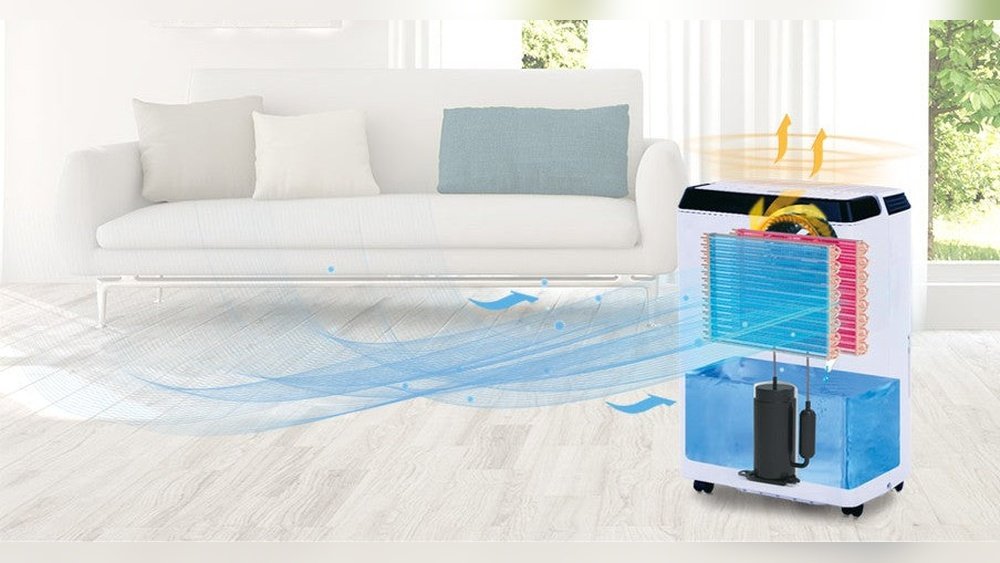
Dehumidifiers draw in moist air using a fan. The air passes over cold coils inside the machine. Water vapor in the air cools and turns into liquid. This liquid collects in a tank or drains out through a pipe. Dry, warm air then blows back into the room. This cycle lowers the room’s humidity level step by step.
Types Of Dehumidifiers
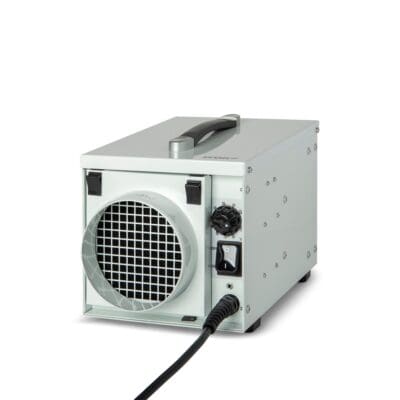
Several types of dehumidifiers exist for different needs. Refrigerant dehumidifiers are common for homes. They use a cooling system to condense moisture. Desiccant dehumidifiers use a material that absorbs water. These work well in cooler places. Some models include built-in pumps to drain water automatically. Choosing the right type depends on room size and humidity level.
Health Benefits Of Running Dehumidifiers
Running a dehumidifier all day has clear health benefits. It helps keep your home dry and fresh. This can protect your family from many health issues. Controlling indoor humidity levels creates a safer living space.
Reducing Mold And Mildew
Mold and mildew grow fast in damp places. They release spores that can cause allergies and breathing problems. A dehumidifier lowers moisture, stopping mold from growing. This keeps your home cleaner and healthier. Reducing mold also protects your walls and furniture.
Improving Air Quality
High humidity makes the air feel heavy and uncomfortable. It also helps dust mites and bacteria thrive. Running a dehumidifier removes extra moisture and reduces these allergens. Cleaner air means easier breathing and fewer health issues. It is especially helpful for people with asthma or allergies.
Potential Risks Of Continuous Use
Running a dehumidifier all day might seem helpful. It can reduce moisture and prevent mold. Yet, continuous use has some risks. Knowing these risks helps you use the device safely and wisely. Below are key concerns to keep in mind.
Electrical Safety Concerns
Dehumidifiers use electricity and water. This mix needs careful handling. Running the unit nonstop can cause overheating. Overheating may damage internal parts or cause a fire.
Also, the power cord can wear out faster. A damaged cord risks electric shock or sparks. Always check the cord for cracks or frays.
Continuous use means the device runs for long hours. This can increase electricity bills. It may also shorten the dehumidifier’s life span.
Impact On Indoor Air
Dehumidifiers remove moisture from the air. Too much dryness can cause discomfort. Skin may become dry and itchy. Eyes and throat might feel irritated.
Some models release warm air. This can raise room temperature. It might make the space less comfortable.
Running the dehumidifier all day can upset the natural balance of air. Proper humidity is important for health and comfort. Aim for moderate use to keep air fresh and balanced.

Energy Consumption And Costs
Dehumidifiers help keep your home dry and comfortable. Running them all day can affect your electricity bill. Understanding energy use and costs helps manage your budget better. Let’s explore how these devices consume power and ways to reduce this usage.
Power Usage Patterns
Dehumidifiers use different amounts of power depending on size and settings. Small models use less energy than large ones. Running the device continuously uses more electricity. Most dehumidifiers cycle on and off to save power. Humidity levels in your home affect how often it runs. High moisture means the machine works harder. Knowing these patterns helps predict your energy costs.
Ways To Save Energy
Use a timer to run the dehumidifier only when needed. Set the humidity level to around 50 percent for balance. Close windows and doors to keep moisture out. Clean the filter regularly for better efficiency. Choose energy-efficient models with good Energy Star ratings. Place the dehumidifier in areas with the most humidity. These steps cut power use and lower your bills.
Expert Safety Tips For All-day Use
Running a dehumidifier all day is common in many homes. Keeping safety in mind ensures smooth operation and prevents risks. Experts share key safety tips to use dehumidifiers continuously without worry.
These tips focus on where to place the device, how to maintain it, and proper electrical setup. Following these helps protect your home and extends your dehumidifier’s life.
Placement And Ventilation
Place the dehumidifier on a flat, stable surface. Keep it away from walls and furniture. Leave space around the unit for air to flow freely. Good ventilation helps the device work efficiently. Avoid placing it near heat sources or direct sunlight. Proper placement stops overheating and damage.
Regular Maintenance
Empty the water collection tank often to avoid spills. Clean the air filter monthly to keep air moving well. Check the coils for dust and dirt buildup. Wipe the exterior with a dry cloth. Regular care prevents malfunctions and keeps the air clean. Follow the manufacturer’s guide for maintenance steps.
Proper Electrical Setup
Plug the dehumidifier directly into a wall outlet. Avoid using extension cords or power strips. Use a grounded outlet to reduce electrical hazards. Ensure the power cord is not damaged or frayed. Keep the cord away from water and high traffic areas. Proper setup lowers fire risks and power issues.
When To Turn Off Your Dehumidifier
Knowing when to turn off your dehumidifier helps keep your home comfortable. Running it all day is not always necessary. Understanding ideal humidity and signs of overuse guides your decision. This prevents wasting energy and protects your appliance.
Ideal Humidity Levels
Most homes stay comfortable with humidity between 30% and 50%. Levels above this cause dampness and mold. Below this, air feels dry and uncomfortable. Use a hygrometer to check your room’s humidity. Turn off the dehumidifier once the ideal level is reached. This saves energy and keeps air fresh.
Signs Of Overuse
Overusing a dehumidifier can cause problems. If air feels too dry, it may irritate skin and eyes. The unit may run constantly without stopping. Strange noises or overheating show stress on the machine. High electricity bills can also indicate overuse. Turn off the dehumidifier if you notice these signs.
Frequently Asked Questions
Can Dehumidifiers Run Safely All Day Long?
Yes, most modern dehumidifiers are designed for continuous use. They have built-in safety features to prevent overheating and damage during extended operation.
Does Running A Dehumidifier All Day Waste Energy?
Running a dehumidifier all day uses more energy, but energy-efficient models minimize costs. Use a timer or humidistat to optimize usage and save energy.
How Often Should I Clean A Continuously Running Dehumidifier?
Clean the filter and water tank weekly to maintain performance. Regular cleaning prevents mold growth and ensures the dehumidifier runs efficiently.
Can Continuous Use Damage My Dehumidifier?
Continuous use generally won’t damage the unit if maintained properly. Follow manufacturer guidelines to avoid wear and ensure long-term durability.
Conclusion
Running a dehumidifier all day can be safe with some care. Keep it clean to avoid mold and bacteria buildup. Use the right size for your room to save energy. Check the water tank often and empty it when full.
Always follow the manufacturer’s instructions for best results. This helps keep your home comfortable and healthy. A dehumidifier can work well without causing problems if used wisely. Small steps make a big difference in safe, efficient use.