Yes. Carbine safes are legal to own in every state under federal law.
If you store a carbine at home or in a vehicle, a safe is smart and often expected. In this guide, I break down Are carbine safes legal to own with clear examples, straight talk, and field-tested tips. You’ll learn what the law really says, how states differ, and how to choose a safe that keeps you both secure and compliant.
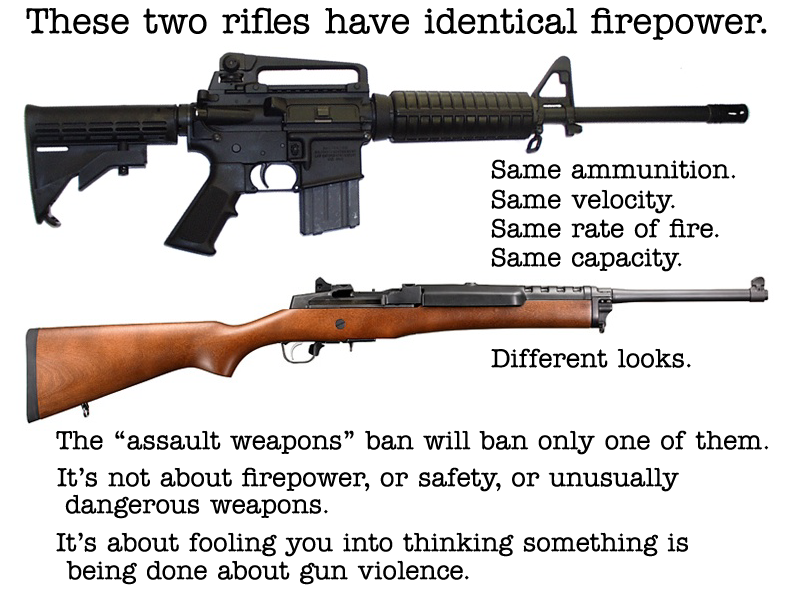
Are carbine safes legal to own? The short answer
People ask: Are carbine safes legal to own across the U.S.? Yes. Federal law does not ban safes. No state bans owning a safe, either.
If you wonder, Are carbine safes legal to own under federal law, the answer is yes. Some states require safe storage when minors are present. That is about how you store guns, not about whether you can own a safe. A safe helps you meet those rules and protect your gear.
What counts as a carbine safe?
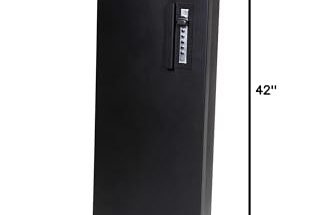
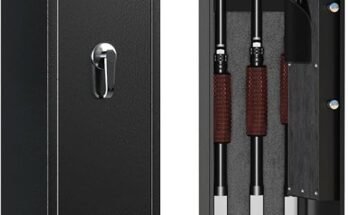
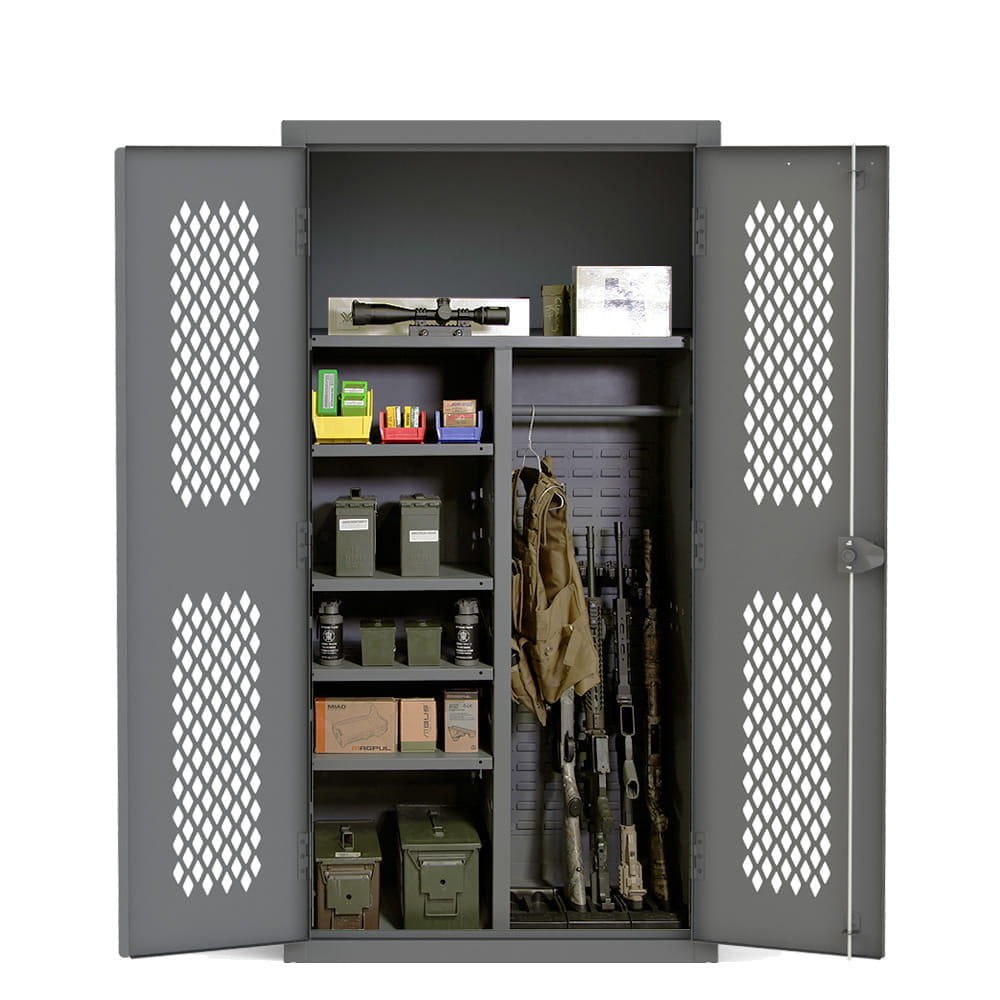
A carbine safe is a secure container that fits short rifles or carbines. It can be a slim quick-access box or a tall cabinet. It may use keys, codes, or biometrics.
There is no special federal “carbine safe” definition. It is a gun safe sized for carbines. What matters is build, lock quality, and how you use it.

Federal law: what it says (and does not say)
Federal law regulates guns, not safes. There is no federal permit, registry, or background check to buy a safe. Dealers must provide a lock with most gun sales, but that is not a safe rule.
The ATF urges secure storage, especially for NFA items like SBRs, but it does not mandate a safe. TSA allows locked cases for air travel; follow airline rules and keep the case locked. Are carbine safes legal to own if you have an NFA item? Yes. Secure storage is wise and often required by your local rules or by common sense.
State and local rules that affect your safe
This is where details matter. States do not ban safes, but many have safe storage laws. These laws say how you must store firearms to prevent access by minors or prohibited persons.
Here are common patterns you will see:
- Minors in the home trigger lock or locked-container rules. This is common in New York, Colorado, Washington, and more.
- Loaded gun rules. Some states bar leaving a loaded, unsecured gun where a minor could access it.
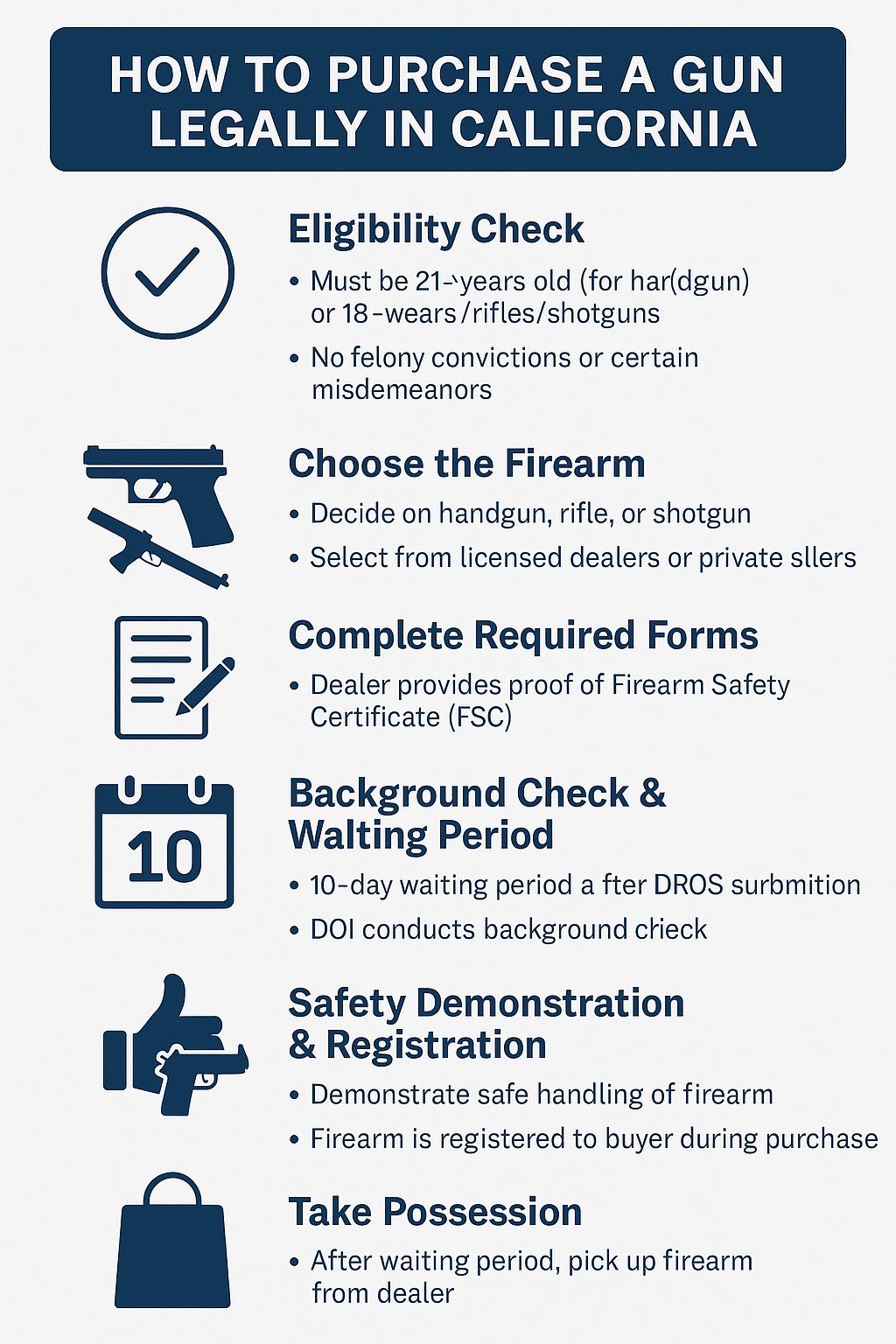
- California has a DOJ list of approved safes and devices for compliance at time of purchase. A California DOJ-approved safe or a lock satisfies the rule in many cases.
- Massachusetts requires guns to be in a locked container or secured with a tamper-resistant lock when not under your control.
Are carbine safes legal to own in California? Yes. Are carbine safes legal to own in New York? Yes. Are carbine safes legal to own in Massachusetts? Yes. The safe helps you meet storage rules. Always check your city or county codes too, as they can add local storage rules.

Vehicles, rentals, and workplaces
Keeping a carbine in a vehicle? Many states require a locked container if you leave the car. A carbine safe bolted to the frame, with a steel cable, is a strong choice. Do not leave keys in the car.
Renting an apartment? The safe is fine to own. But ask before you drill. Some leases limit anchoring to floors or walls. Use heavy base plates, wedges, or adhesive anchors if bolts are not allowed.
Workplaces often have policies about guns on property. The law may protect car storage in some states, but the safe itself is legal. Are carbine safes legal to own for cars? Yes. The key is how you store and where.
Buying tips: make your safe both compliant and useful
You want security, speed, and compliance. These features hit the sweet spot:
- UL RSC rating. This means it resists pry attacks for a tested time window.
- Solid steel and good locking bolts. Look for at least 12–10 gauge walls.
- California DOJ certification. Handy if you live there or want a known standard.
- Quick-access locks. Fast entry under stress; backup key is a must.
- Anchor points. Bolt it down to stop a “carry-off” theft.
- Interior setup. Room for optics, mags, and a light.
- Humidity control. Use a desiccant or dehumidifier rod to protect steel.
Are carbine safes legal to own when imported? Yes. Import rules hit guns, not safes. Still, choose brands with clear specs and spare parts support.

Setup best practices: how I secure carbines at home
I set safes where I can reach them fast but out of plain sight. I anchor into concrete or blocking. If I cannot drill, I use a steel base and adhesive anchors. A thief should not tip or slide it.
I stage a small light inside the door. I log the code in a sealed envelope in a separate spot for my spouse. I test the lock weekly. I keep a backup key off-site.
For families, I use two layers. A quick-access carbine safe, plus a locked room or closet. If you ask, Are carbine safes legal to own if you anchor them? Yes. Anchoring is encouraged.

Common mistakes and myths
Let’s clear the air.
- You do not need a permit to buy a safe. None. Not at federal or state level.
- A fire safe is not a security safe. You need pry resistance, not only fireboard.
- Biometric locks are legal. Keep fresh batteries and a key backup.
- Hidden furniture is legal, but it may not meet storage laws in some states. Use a real locked container.
- Shipping or moving a safe is legal. Use pro movers if it is heavy.
Many ask online, Are carbine safes legal to own? Yes. The law cares about secure storage, not the safe itself.
Compliance checklists for common scenarios
Home with kids
- Keep carbines in a locked container at all times when not under your control.
- Use a safe with a reliable lock and an anchor point.
- Store ammo separate if your state suggests or requires it.
Apartment with lease rules
- Confirm anchor policy with your landlord.
- Use a low-profile safe, anchor to a plate if you cannot drill.
- Add a door alarm and motion light for layers.
Vehicle storage
- Use a lockable carbine safe with steel cable or bolts.
- Park nose-in and out of sightlines. Empty the cabin of hints like cases.
- Follow state rules for unattended guns.
NFA owner (SBR, suppressor, etc.)
- Use a robust safe and restrict access to trustees only.
- Keep copies of Form 1 or Form 4 with the firearm or in the safe.
- Log combinations and keys with a secure, separate backup.
Are carbine safes legal to own in all these cases? Yes. The right setup keeps you safe and compliant.
Frequently Asked Questions of Are carbine safes legal to own
Are carbine safes legal to own?
Yes. In every state, it is legal to own a safe. Storage rules may affect how you use it, not whether you can buy one.
Do I need to register a carbine safe or get a permit?
No. There is no federal or state registry for safes in the U.S. You can buy one like any other home product.
Are carbine safes legal to own in California and New York?
Yes. Both states allow safes and often require locked storage in homes with minors. California’s DOJ-approved list is useful for compliance.
Do I need a California DOJ-approved safe if I do not live in California?
No. It is not required outside California, but it is a respected benchmark. Many buyers use it as a quality check.
Can I store a loaded carbine in a safe?
It depends on state law. Some states allow it; others restrict loaded storage when minors are present. A safe with a lock usually meets the rule.
Are biometric safes legal?
Yes. They are legal nationwide. Keep a mechanical backup and fresh batteries.
Can I bolt a safe to my apartment floor?
Often yes, but check your lease. If bolting is not allowed, use a heavy base plate, adhesive anchors, or a closet corner with anti-tip brackets.
Can I transport a carbine safe across state lines?
Yes. It is treated like furniture. For air travel, use a locked hard case and follow airline and TSA rules.
Conclusion
Carbine safes are legal to own, and they are one of the best ways to meet storage laws and protect your gear. Federal law does not restrict safes, and states use safes as a clear path to compliance. The key is smart setup, solid hardware, and habits you can keep.
Act now. Pick a safe with real security, anchor it, and set a routine to test it. If this helped, share it with a friend, subscribe for more guides, or drop your questions in the comments.