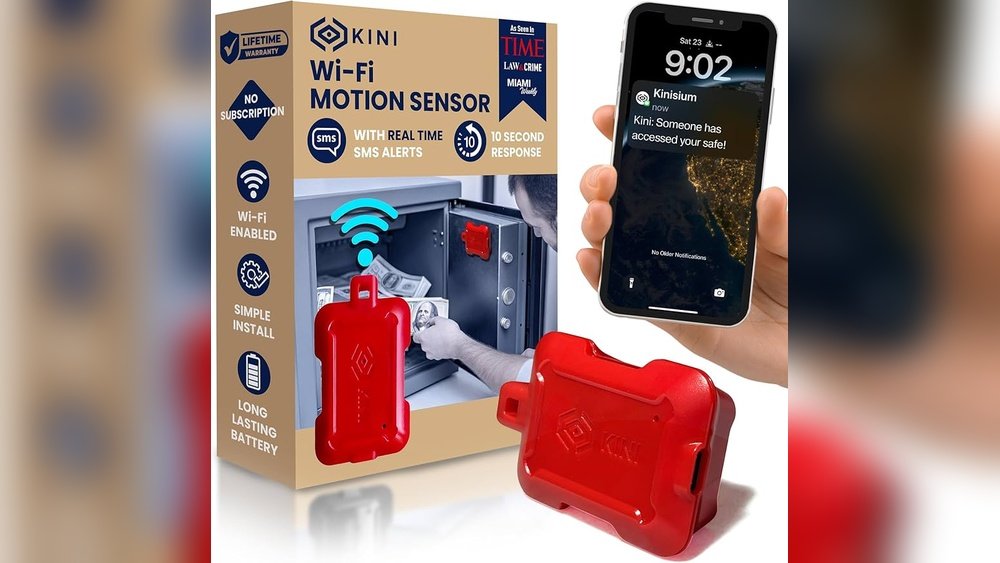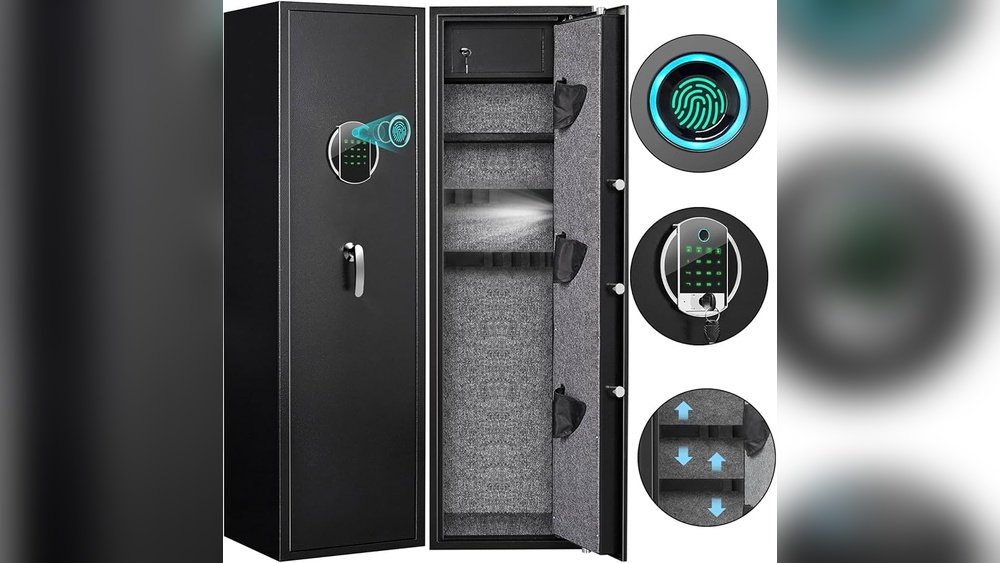
Are you worried about the security of your rifle safe? You might be considering adding a vibration sensor to protect your firearms from unauthorized access.
But here’s the question: are budget vibration sensors really reliable enough to keep your valuable rifles safe? Before you make a choice, it’s important to understand how these sensors work and whether they can truly give you peace of mind.
Keep reading to discover what you need to know to protect your firearms effectively without wasting money on unreliable gadgets.
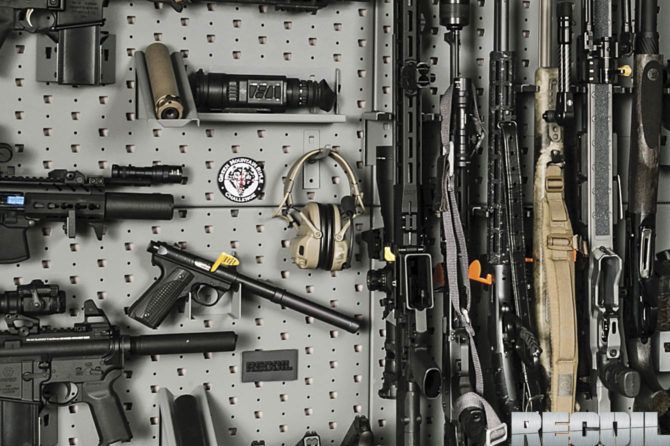
How Vibration Sensors Work
Understanding how vibration sensors work helps to know their role in rifle safe security. These sensors detect motion or shaking that might mean someone is tampering with the safe. They send alerts if unusual vibrations occur. This helps to protect valuable firearms from theft or damage.
Basic Mechanism
Vibration sensors use small parts that move when shaken. Inside the sensor, a tiny mass shifts when the safe moves. This movement changes electrical signals inside the device. The sensor then sends a warning to an alarm or a monitoring system. It acts like a watchful guard, always sensing motion.
Types Of Sensors
Different types of vibration sensors exist for various needs. Piezoelectric sensors create electric charge when bent or pressed. Accelerometers measure changes in speed or direction. Each type picks up different kinds of vibrations. Choosing the right sensor depends on the security level required for the rifle safe.
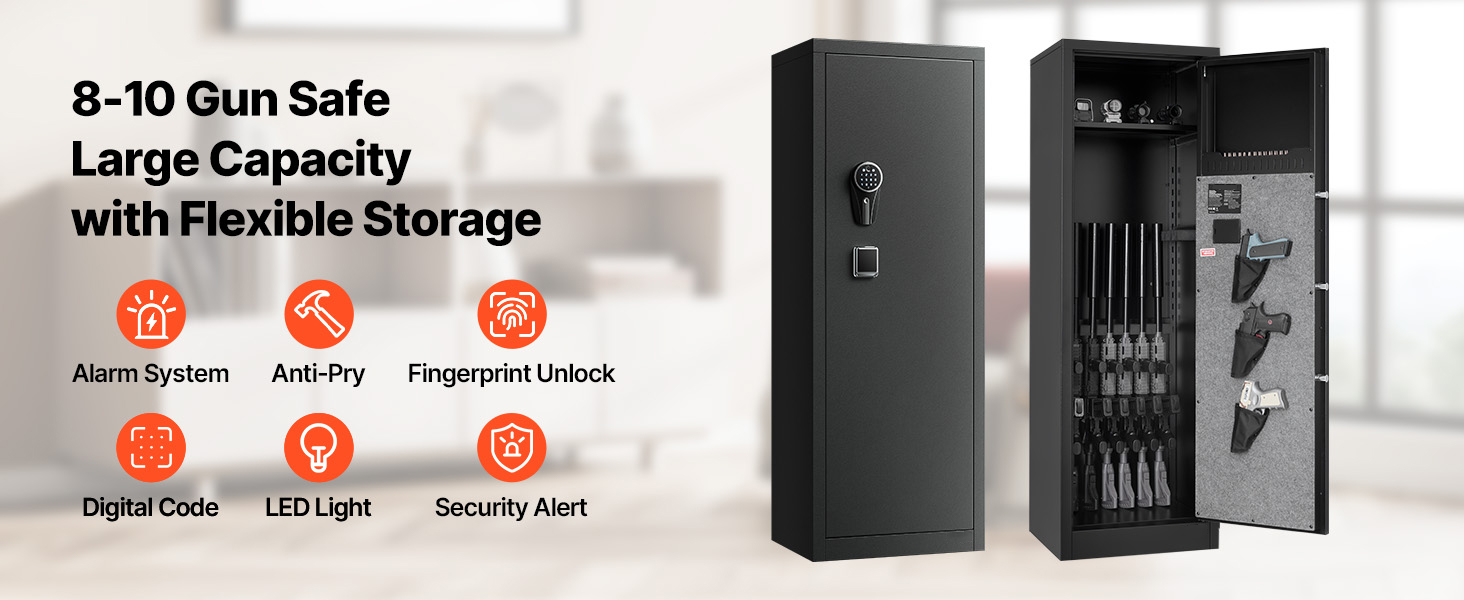
Features Of Budget Vibration Sensors
Budget vibration sensors offer basic protection for rifle safes. They detect unusual movements or shocks. These sensors alert owners about possible tampering or forced entry. Understanding their features helps decide if they fit your security needs.
Common Specifications
Most budget vibration sensors work on low power. They usually run on small batteries that last months. Sensitivity levels vary but often cover light to moderate vibrations. Many models include adjustable sensitivity to reduce false alarms. They connect easily to standard alarm systems or standalone alerts. Response time tends to be quick, often under a second.
Design And Build Quality
Budget sensors come in compact, simple shapes. Plastic casings are common, offering basic protection against dust and moisture. Build quality is modest but enough for indoor safe use. Mounting options often include adhesive tape or screws. Devices are lightweight, making installation easy. Some may feel less sturdy compared to higher-end models.
Reliability Factors
Reliability is the key factor when choosing vibration sensors for rifle safes. These sensors must detect real threats without causing constant false alarms. Their performance depends on several important aspects. Understanding these helps decide if budget options meet your needs.
Sensitivity And False Alarms
Sensitivity controls how well a sensor detects vibrations. A sensitive sensor catches small movements but may cause false alarms. Budget sensors often struggle to balance this sensitivity well. Too sensitive means many false alerts from harmless bumps. Not sensitive enough might miss real break-ins. Reliable sensors find a middle ground to alert only on true threats.
Durability And Lifespan
Durability affects how long a sensor lasts inside a rifle safe. Budget sensors may use cheaper materials that wear out quickly. Constant vibrations and temperature changes inside safes test the sensor’s build quality. A durable sensor keeps working without failure for years. Lifespan also depends on battery life and resistance to dust or moisture. Reliable sensors offer longer service with fewer replacements.
Comparing Budget And Premium Sensors
Choosing the right vibration sensor for your rifle safe is important. Budget and premium sensors serve the same purpose. Yet, their quality and features often differ. Understanding these differences helps make a smart choice. Below, we compare key aspects of budget and premium vibration sensors.
Performance Differences
Premium sensors usually detect vibrations more accurately. They reduce false alarms caused by small movements. Budget sensors may trigger false alarms more often. Sensitivity settings on premium models tend to be more precise. This helps in avoiding unnecessary alerts. Premium sensors also respond faster to real threats. Budget options might have delays in detection. Durability is another factor. Premium sensors often last longer and handle wear better. Budget sensors may wear out quicker over time.
Cost Vs. Value
Budget sensors cost less upfront. They appeal to buyers with limited budgets. Premium sensors come with a higher price tag. This price reflects better technology and build quality. Over time, premium sensors may save money. Fewer false alarms mean less annoyance and fewer battery changes. Budget sensors may need replacement sooner. The value of peace of mind is hard to measure. Spending more can mean better protection for your rifles. The choice depends on your budget and security needs.
Expert Opinions On Budget Sensors
Experts have varied views on budget vibration sensors for rifle safes. Some see them as a practical choice for basic security. Others warn about their limits in sensitivity and durability. Understanding their strengths and weaknesses helps buyers make smart decisions.
Pros And Cons
Budget sensors usually cost less, making them easy to buy. They work well for detecting simple knocks or shakes. Installation is often quick and requires no special tools.
On the downside, these sensors may trigger false alarms from minor vibrations. Their build quality can be less sturdy than premium models. Battery life and sensor accuracy might be shorter or weaker.
Best Use Cases
Budget vibration sensors suit small safes or low-risk environments. They are good for adding a basic alert without extra expense. These sensors help owners know if the safe is moved or tampered with.
They fit well in homes where the threat level is low. Use them as a first layer of security with other safety measures. Avoid relying on them alone for high-value or high-risk storage.
Installation Tips For Optimal Security
Proper installation of vibration sensors is key to securing your rifle safe. Sensors must be placed carefully to detect any tampering or movement. Incorrect setup can cause false alarms or missed alerts. Follow these tips to get the most reliable protection.
Good installation improves sensor response and helps protect your firearms. Small steps make a big difference in safety.
Placement Strategies
Position sensors on solid parts of the safe, like the door or frame. Avoid areas with loose panels or hinges. Sensors work best where vibrations travel clearly.
Place sensors away from high-traffic zones to reduce false alarms. Corners and edges often pick up the strongest signals. Test your setup by gently tapping the safe.
Maintenance Advice
Check sensors regularly for dust or dirt buildup. Clean them gently with a soft cloth to keep sensitivity high. Replace batteries on time to avoid sensor failure.
Test sensors monthly to confirm they detect vibrations correctly. Update sensor firmware if available. Proper upkeep ensures your system stays reliable over time.
Alternatives To Vibration Sensors
Vibration sensors are one way to protect rifle safes, but they are not the only choice. Some budget models may not detect all threats. Exploring other options can help you find better security. These alternatives often provide more reliable and faster alerts.
Motion Detectors
Motion detectors sense movement near the safe. They trigger alarms if someone approaches without permission. These sensors cover a wider area than vibration sensors. They can detect attempts to move or tamper with the safe. Motion detectors reduce false alarms by focusing on real threats. Many models allow adjusting sensitivity to avoid small pets or wind triggers.
Biometric Locks
Biometric locks use fingerprints or handprints to unlock safes. This method ensures only authorized users gain access. It removes the need for keys or codes that can be lost or guessed. Biometric locks offer quick and secure entry. They often include backup options like PIN codes for emergencies. These locks provide strong protection and peace of mind.

Frequently Asked Questions
Are Budget Vibration Sensors Effective For Rifle Safes?
Budget vibration sensors can detect basic tampering but may lack advanced sensitivity. They work well for casual security but might miss subtle or skilled break-in attempts. For high security, investing in premium sensors is advisable.
How Do Budget Vibration Sensors Compare To Premium Ones?
Budget sensors offer basic vibration detection at a lower cost. Premium sensors provide higher accuracy, faster alerts, and better false alarm prevention. Choosing depends on your security needs and budget constraints.
Can Budget Vibration Sensors Prevent Unauthorized Rifle Safe Access?
They serve as a deterrent by alerting to tampering vibrations but cannot physically prevent access. Combining sensors with strong locks and alarms improves overall rifle safe security effectively.
What Are Common Limitations Of Budget Vibration Sensors?
Budget sensors may have limited sensitivity, more false alarms, and shorter battery life. They often lack advanced features like customizable alerts or integration with smart home systems.
Conclusion
Budget vibration sensors can offer basic protection for rifle safes. They detect movement and alert you quickly. Yet, they may miss subtle or slow vibrations. Quality varies between brands and price points. For full security, combine sensors with strong locks and alarms.
Think of them as one part of a safety plan. They help but do not guarantee total safety. Choose wisely based on your needs and budget. Stay aware and keep your firearms secure at all times.