If you live in a hot climate, you already know how tough the heat can be on many things—especially your ammo. Storing ammunition safely isn’t just about keeping it out of sight; it’s about protecting your investment and ensuring it works perfectly when you need it most.
You might wonder how the heat affects your ammo or what simple steps you can take to keep it in top shape. Keep reading, and you’ll discover easy, practical tips to store your ammo safely in hot weather, so you never have to worry about performance or safety again.
Heat Effects On Ammunition
Storing ammunition in hot climates presents unique challenges. High temperatures can damage ammo and affect its performance. Understanding how heat affects each part of ammunition helps keep it safe and reliable.
Temperature Impact On Powder
Heat changes the chemical makeup of gunpowder. Hot conditions can make powder burn faster. This causes higher pressure inside the barrel. It might lead to misfires or dangerous situations. Keeping powder cool preserves its proper burn rate.
Case And Primer Vulnerability
Ammo cases expand in heat, risking deformation. This can cause feeding problems in firearms. Primers become unstable if exposed to extreme heat. They may ignite too early or fail to ignite at all. Proper storage protects these sensitive parts.
Signs Of Heat Damage
Look for discoloration on cases or primers. Bulging or dented cases show heat stress. A strong chemical smell can indicate damaged powder. Misfires or unusual firing behavior might signal heat damage. Regular checks catch problems early.

Ideal Storage Conditions
Storing ammunition in hot climates requires careful attention to the environment. Ammo can degrade quickly if not kept under the right conditions. Ideal storage helps keep ammo safe and effective for longer periods. Controlling temperature, humidity, and airflow is key.
Optimal Temperature Range
Ammunition stores best at cool, stable temperatures. The ideal range is between 50°F and 70°F (10°C to 21°C). High heat can cause powder to break down and primers to weaken. Avoid storing ammo near heat sources or in direct sunlight. Temperature swings also harm ammo quality over time.
Humidity Control
Humidity is a major enemy of ammunition. Moisture can cause corrosion on metal parts and damage powder. Keep humidity levels below 50%. Use a dehumidifier or moisture-absorbing packets inside storage containers. Sealed containers help keep moisture out and preserve ammo life.
Ventilation Importance
Good airflow prevents moisture buildup and heat pockets. A well-ventilated storage area reduces the risk of mold and rust. Avoid airtight spaces without airflow, as they trap humidity. Use vents or fans to keep air moving gently around ammo storage.
Storage Container Options
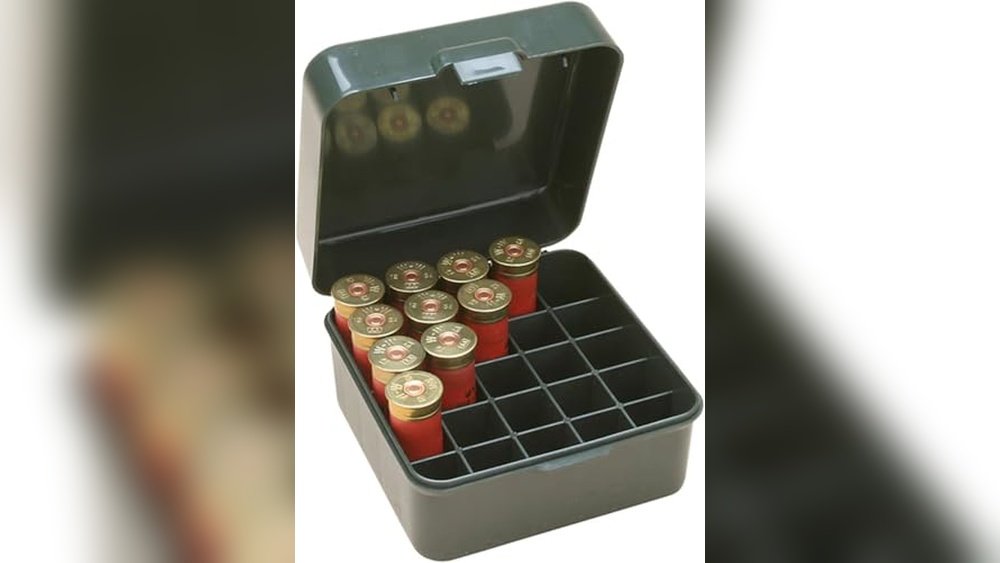
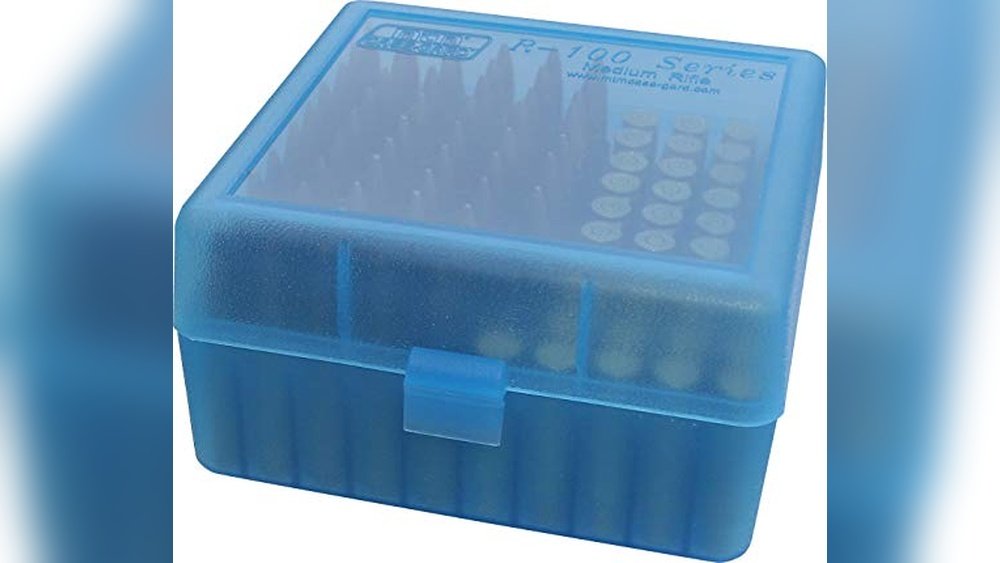
Choosing the right storage container is key to keeping ammo safe in hot climates. Heat and moisture can damage ammunition over time. Proper containers protect ammo from temperature swings and humidity. Several options suit different needs and budgets.
Metal Ammo Cans
Metal ammo cans are strong and durable. They often have rubber seals to keep moisture out. These cans resist heat and protect ammo well. Their sturdy build also guards against physical damage. Metal cans are easy to stack and store.
Plastic Containers
Plastic containers are lightweight and affordable. Many come with tight-fitting lids for a good seal. Some plastics handle heat better than others. Choose thick, high-quality plastic to avoid warping. These containers are handy for short-term storage.
Climate-controlled Safes
Climate-controlled safes offer the best protection. They keep temperature and humidity stable inside. This stops corrosion and bullet degradation. These safes often include dehumidifiers or vents. Ideal for long-term storage in very hot areas.

Location Tips For Hot Areas
Choosing the right location to store ammo in hot climates is very important. High temperatures can damage ammunition over time. Picking a cool, stable spot helps keep ammo safe and reliable. This section covers key tips to find the best storage place in hot areas.
Basements And Underground Storage
Basements and underground spaces stay cooler than above-ground rooms. They protect ammo from extreme heat and temperature swings. These areas also have more stable humidity levels. Use waterproof containers to keep moisture away. Avoid damp basements to prevent rust and corrosion.
Shaded And Insulated Spots
Shaded areas reduce direct heat exposure. Store ammo in places shielded from sun rays. Insulated storage boxes help keep temperatures steady. Use materials like foam or reflective insulation. This minimizes heat buildup inside the container. Cooler ammo lasts longer and performs better.
Avoiding Direct Sunlight
Direct sunlight raises temperature quickly. Avoid windows or spots with strong sun exposure. Store ammo in dark or covered places. UV rays can damage the cartridge and casing. A simple blackout curtain or shade cloth works well. Keep ammo safe by blocking light and heat.
Maintenance And Inspection
Ammo stored in hot climates needs special care. Heat can affect its quality and safety. Regular maintenance and inspection help keep ammo reliable. This practice reduces risks and extends ammo life.
Regular Ammo Checks
Check your ammo often for signs of damage. Look for discoloration, rust, or corrosion on the casing. Make sure the bullets are not loose or dented. Keep an eye on the storage container for moisture or leaks. Early detection prevents bigger problems later.
Cleaning And Lubrication
Clean ammo and storage areas regularly to remove dust and dirt. Use a soft cloth to wipe the cartridges gently. Avoid harsh chemicals that can damage ammo. Light lubrication on metal parts helps stop rust. Proper cleaning keeps ammo ready to use.
Disposing Of Damaged Ammo
Do not use ammo that looks damaged or weak. Dispose of it safely to avoid accidents. Contact local authorities or shooting ranges for disposal advice. Never throw ammo in regular trash. Safe disposal protects you and the environment.
Additional Precautions
Storing ammo in hot climates needs extra care to keep it safe and reliable. Heat can damage ammunition by affecting its components. Taking additional precautions helps protect your ammo from moisture, heat, and other risks.
Using Desiccants
Desiccants absorb moisture inside ammo storage containers. Moisture can cause corrosion and weaken ammo. Silica gel packs are common desiccants. Place them with your ammo to keep it dry. Check and replace desiccants regularly to maintain effectiveness.
Temperature Monitoring Tools
Temperature changes can harm your ammo over time. Use simple thermometers or digital temperature monitors. These tools help track storage conditions. Keep ammo in a space where temperature stays stable. Avoid places with high heat or direct sunlight.
Safe Transport In Heat
Transporting ammo in hot weather requires careful planning. Use insulated containers to protect ammo from heat. Avoid leaving ammo in parked cars for long periods. Plan trips during cooler parts of the day. This reduces heat exposure and keeps ammo safe.
Frequently Asked Questions
How To Store Ammo Safely In Hot Climates?
Store ammo in a cool, dry place away from direct sunlight. Use airtight containers with desiccants to control moisture. Avoid extreme heat, which can degrade powder and primers, reducing ammo reliability and safety.
What Temperature Is Too Hot For Ammo Storage?
Ammo storage should ideally stay below 85°F (29°C). Temperatures above this can cause powder degradation and primer failure, risking misfires or reduced performance. Consistent moderate temperatures preserve ammo life and functionality.
Can Heat Damage Ammunition Performance?
Yes, excessive heat can cause powder deterioration and primer sensitivity loss. This leads to inconsistent firing, misfires, or reduced velocity. Proper storage minimizes heat exposure, ensuring ammo remains reliable and safe to use.
Should Ammo Be Stored In A Sealed Container?
Yes, sealed containers protect ammo from moisture, dust, and contaminants. They also help maintain stable temperature and humidity levels. Use airtight, durable containers with desiccants for optimal ammo preservation.
Conclusion
Storing ammo safely in hot climates takes care and attention. Keep ammo cool, dry, and away from sunlight. Use sealed containers to protect from moisture and heat. Check ammo regularly for signs of damage. Proper storage helps keep ammo reliable and safe.
Small steps make a big difference over time. Stay mindful and protect your investment well. Safe ammo storage means peace of mind.