If you own a rifle chambered in .223 ammo, you’ve probably wondered, “How many rounds should I keep at home?” It’s a question that matters more than you might think. Having the right amount of ammunition can make all the difference when it comes to safety, preparedness, and peace of mind.
But stocking too little or too much can leave you unprepared or overwhelmed. You’ll discover practical advice to help you decide the perfect amount of. 223 ammo to store—tailored just for your needs. Keep reading, and you’ll feel confident about making the best choice for your home.
Factors Influencing Ammo Storage
Storing .223 ammo at home requires careful thought. Several factors affect how much ammo you should keep. These factors help balance safety, convenience, and readiness.
Understanding these elements ensures you store the right amount. It also helps you follow the law and use space wisely. Let’s explore the key factors that influence ammo storage.
Personal Defense Needs
Your reason for keeping ammo affects the quantity. For personal defense, keep enough rounds to feel secure. Consider how many shots you might need in an emergency. Also, think about how often you practice shooting. More practice means more ammo is necessary. Plan for a supply that supports both defense and training.
Local Laws And Regulations
Ammo storage rules vary by location. Some places limit how much ammo you can keep. Others require specific storage methods for safety. Check your local laws before buying ammo. Following these rules avoids legal trouble. It also promotes safe storage in your home.
Storage Space Limitations
Space in your home affects how much ammo you store. Ammo needs a cool, dry, and secure place. Small spaces limit the amount you can keep safely. Organize your storage to prevent damage and access issues. Use containers designed for ammo storage to save space.
Recommended Ammo Quantities
Keeping the right amount of .223 ammo at home is important for safety and preparedness. The right quantity depends on your needs and situation. This section explains the recommended amounts for different scenarios. It helps you decide how much ammo to store safely and wisely.
Minimum Rounds For Home Defense
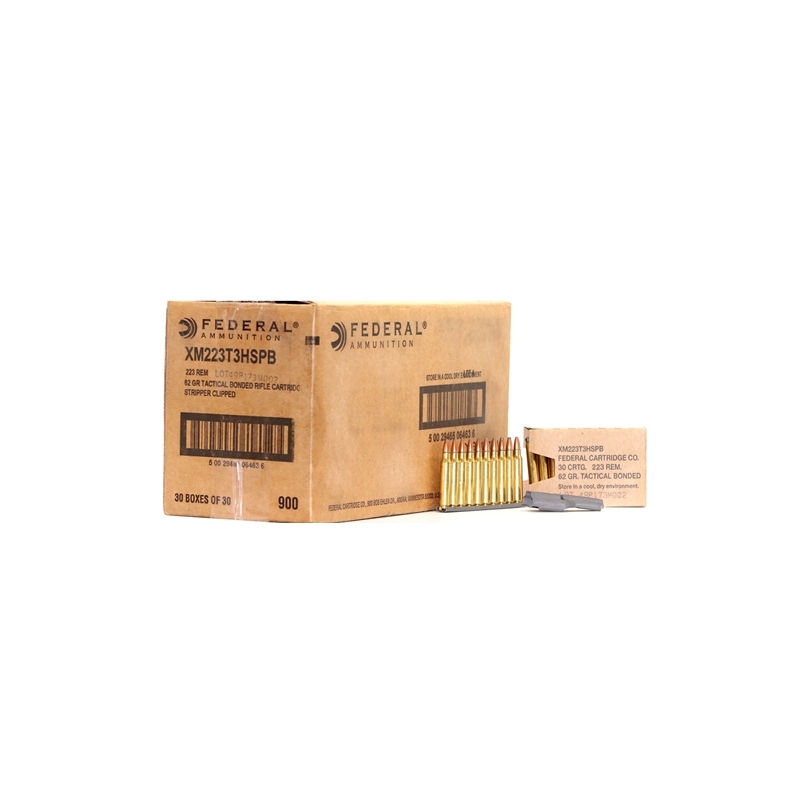
At least 100 rounds of .223 ammo is a good start for home defense. This amount covers basic training and a possible emergency. It allows you to practice regularly and be ready without overstocking. Quality over quantity matters here. Choose reliable ammo for your firearm.
Considerations For Extended Emergencies
For longer emergencies, consider storing 500 to 1,000 rounds. This supply can last weeks or months without resupply. Think about how long you may need to defend yourself. Also, include ammo for training during the emergency. Keep it stored in a cool, dry place.
Balancing Quantity And Safety
Storing ammo requires balance between quantity and safety. Too much ammo can be hard to store safely. Too little leaves you unprepared. Use sturdy containers and keep ammo away from heat and moisture. Check your stock regularly. Rotate older ammo to keep it fresh.
Storage Best Practices
Storing .223 ammo safely is important for its performance and your safety. Proper storage keeps ammo dry, secure, and ready to use. Poor storage can cause damage or accidents. Follow best practices to protect your rounds and your home.
Proper Ammo Containers
Use containers made for ammo storage. Metal or plastic ammo cans work well. They keep moisture and dirt out. Look for containers with tight seals. Avoid cardboard boxes as they absorb moisture. Label containers with the ammo type and date.
Temperature And Humidity Control
Keep ammo in a cool, dry place. High heat can damage the powder inside. Humidity causes rust on the bullets and cases. Use a dehumidifier or moisture-absorbing packets inside containers. Avoid places with large temperature changes like garages or sheds.
Safe Location Choices
Store ammo away from children and pets. Use locked cabinets or safes for security. Keep ammo separate from firearms to reduce risk. Choose a place that is easy to access but not obvious. Avoid storing ammo near heat sources or flammable materials.
Ammo Lifespan And Maintenance
Ammo lifespan and maintenance are key to keeping your .223 rounds ready and safe. Proper care helps avoid misfires and ensures reliable performance. Storing ammo right extends its usability and protects your investment. Knowing how to check ammo and maintain it prevents surprises during use.
Shelf Life Of .223 Ammo
.223 ammo can last many years when stored correctly. Most quality rounds stay good for 10 to 20 years in cool, dry places. Heat and moisture shorten ammo life quickly. Keep ammo away from sunlight and damp areas. Proper storage containers help maintain ammo quality over time.
Signs Of Ammo Degradation
Look for discoloration on the casing or bullet. Rust or corrosion on the metal parts shows damage. Bullets with dents or cracks may misfire. Powder inside can also degrade, causing weak shots. If ammo smells strange or looks damaged, do not use it.
Rotation And Inspection Tips
Use older ammo first to keep your stock fresh. Label boxes with purchase dates for easy tracking. Check ammo every six months for damage or corrosion. Store ammo in airtight containers with silica gel packs. Handle rounds gently to avoid damaging primers or casings.
Budgeting For Ammo Purchase
Budgeting for ammo purchase helps you plan how much to spend on .223 rounds. Buying ammo can get expensive without a clear plan. A smart budget keeps your supply steady without breaking the bank. Think about how much you need and how often to buy. Then, look closely at prices and options.
Cost Per Round Analysis
Cost per round shows the price of one bullet. It helps compare different brands and packs. Some ammo looks cheap but costs more per round. Calculate by dividing total price by number of rounds. A lower cost per round saves money over time. Check prices at several stores before buying.
Buying In Bulk Vs. Small Quantities
Buying in bulk usually lowers the price per round. Large boxes or cases give better value. Bulk ammo lasts longer and reduces frequent shopping trips. Small quantities cost more per round but need less money upfront. Choose bulk if you have storage space and budget. Buy small amounts to test ammo or save space.
Avoiding Price Fluctuations
Ammo prices can change fast due to demand and supply. Stocking up when prices are low avoids high costs later. Watch for sales or discounts from reliable sellers. Avoid panic buying, which leads to overspending. Keep a steady supply to skip last-minute rushes. Planning helps you buy at better prices.
Legal And Ethical Considerations
Owning .223 ammo involves more than just buying and storing rounds. Legal and ethical factors affect how many rounds you should keep at home. Understanding these points helps you stay safe and follow the law. It also shows respect for your community and personal responsibility.
Compliance With Local Restrictions
Each area has rules about ammo storage and purchase limits. Some places limit the number of rounds you can buy or keep. Check your city and state laws before stocking up. Following these laws prevents fines and legal trouble. Always buy ammo from licensed sellers to stay legal.
Responsible Ammo Ownership
Owning ammo means keeping it away from children and strangers. Use secure, locked containers to store your rounds. Keep ammo separate from firearms for safety. Avoid buying more ammo than you can safely store. Responsible owners think about safety first.
Impact Of Ammo Storage On Insurance
Your insurance policy may have rules about ammo storage. Improper storage might affect your coverage in case of accidents. Inform your insurance company about your ammo and firearm storage. Secure storage can lower your insurance risks. Check your policy to avoid surprises.
Frequently Asked Questions
How Many Rounds Of .223 Ammo Is Enough For Home Defense?
A good starting point is 500 to 1,000 rounds of. 223 ammo. This range balances preparedness and storage convenience. It covers practice, emergencies, and potential defense needs. Adjust based on your firearm use and local regulations.
What Factors Affect How Much .223 Ammo To Store?
Consider your firearm use, local laws, and storage space. Training frequency and emergency preparedness also matter. More rounds may be needed if you practice often or live in a high-risk area. Proper storage ensures safety and longevity of ammo.
Is It Safe To Store Large Amounts Of .223 Ammo At Home?
Yes, if stored properly in a cool, dry place with secure containers. Avoid exposure to moisture and extreme heat. Follow legal limits and safety guidelines. Proper storage maintains ammo quality and reduces risks.
How Often Should I Rotate My .223 Ammo Stockpile?
Rotate your ammo every 3 to 5 years to maintain reliability. Use older rounds first during practice. Proper rotation prevents degradation and ensures optimal performance when needed.
Conclusion
Deciding how many rounds of. 223 ammo to keep depends on your needs. Think about your safety, budget, and storage space. Having enough ammo helps you stay prepared but avoid overstocking. Quality matters more than quantity for reliable performance. Check local laws to stay legal and safe.
Regularly review your supply and replace old rounds. Keep your ammo dry and cool to last longer. Stay smart and ready with the right amount for your situation.