If you own .223 ammo, you know how quickly it can pile up. Without a clear system, finding the right round when you need it becomes frustrating.
But what if organizing your ammo by grain and type was simple and efficient? Imagine saving time and avoiding costly mistakes every time you reach for your ammo box. You’ll learn easy steps to sort and store your. 223 ammo so it’s always ready for action.
Keep reading to discover how a smart organization method can improve your shooting experience and give you peace of mind.
Benefits Of Organizing Ammo
Organizing .223 ammo by grain and type brings clear benefits. It makes ammo easy to find and use. This saves time and reduces stress during shooting sessions or emergencies.
Clear organization also helps track ammo inventory. You know exactly what you have and what needs restocking. It prevents mix-ups that can affect shooting accuracy and safety.
Improved Safety
Keeping ammo sorted reduces the risk of using the wrong type. Different grains and types perform differently. Using the wrong ammo can damage your firearm or cause accidents.
Faster Access
Organized ammo lets you grab what you need quickly. No more searching through mixed boxes. This is important during practice or in urgent situations.
Better Ammo Longevity
Storing ammo properly by type and grain helps keep it fresh. Proper organization prevents exposure to moisture and damage. Fresh ammo shoots better and lasts longer.
Easy Inventory Management
Sorting ammo makes counting and tracking easier. You know how much of each type you own. This helps plan purchases and avoid running out.
Types Of .223 Ammo
Understanding the types of .223 ammo helps in organizing it properly. Different types serve different purposes. Sorting them by type improves safety and access. It also helps you choose the right ammo for your needs.
Full Metal Jacket
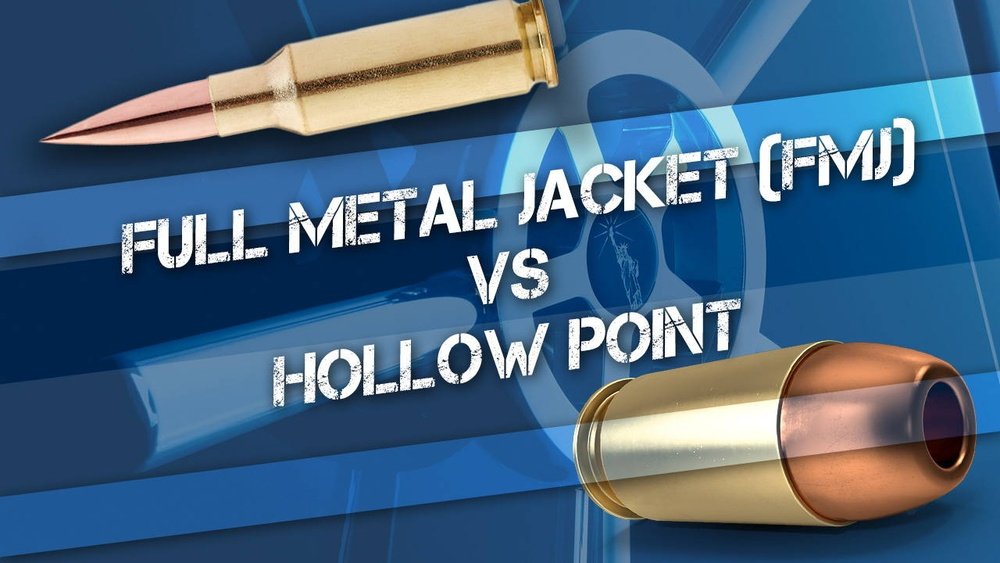
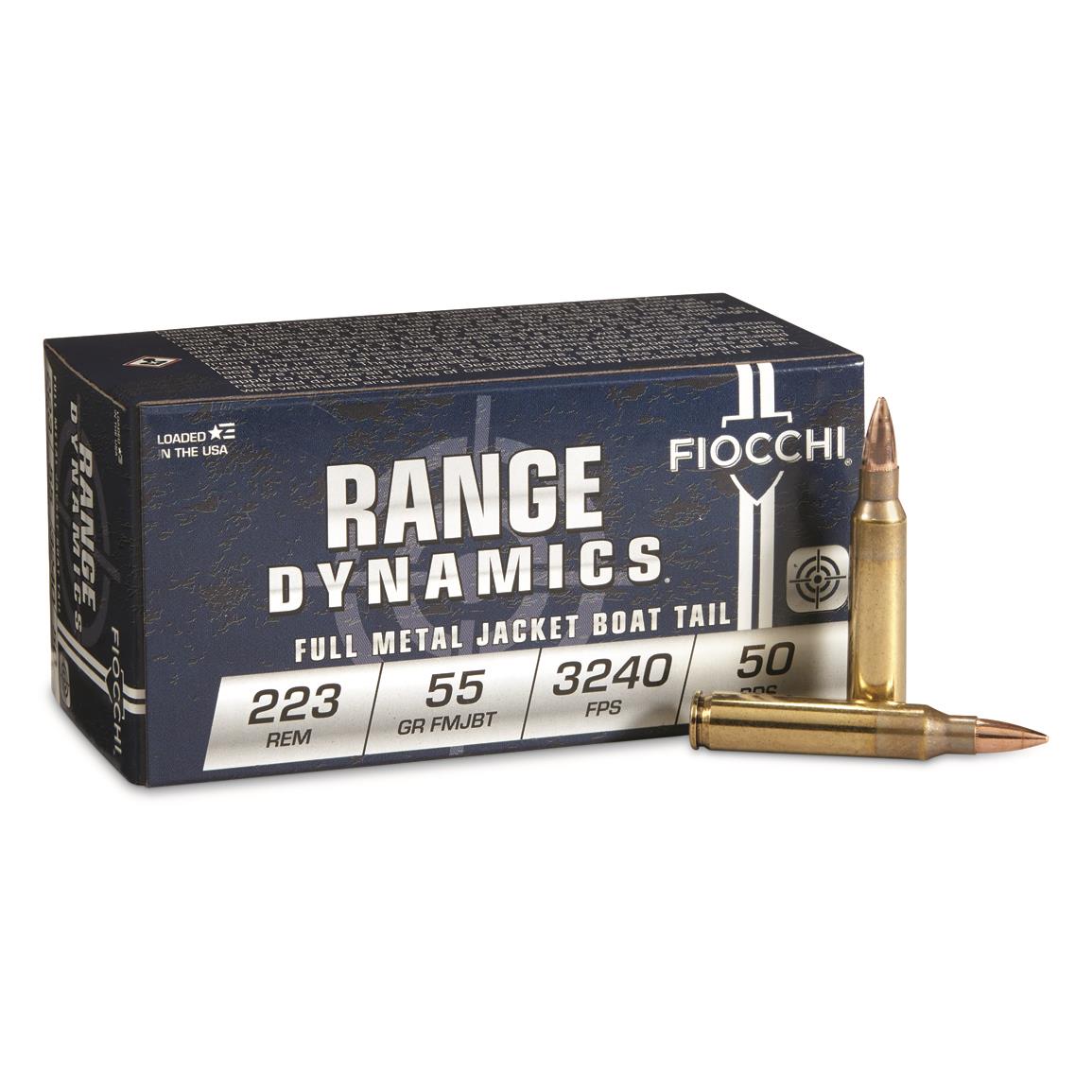
Full Metal Jacket (FMJ) rounds have a soft lead core. A hard metal shell covers the core. FMJ bullets are good for target shooting. They are less expensive and easy to find. These rounds do not expand on impact.
Hollow Point
Hollow Point bullets have a hollowed tip. This design helps the bullet expand on impact. They cause more damage to the target. Hollow Points are often used for self-defense. They reduce the risk of over-penetration.
Soft Point
Soft Point bullets have a soft lead tip. The tip is exposed, unlike FMJ. They expand more than FMJ but less than Hollow Points. Soft Points are good for hunting medium-sized game. They balance penetration and expansion.
Ballistic Tip
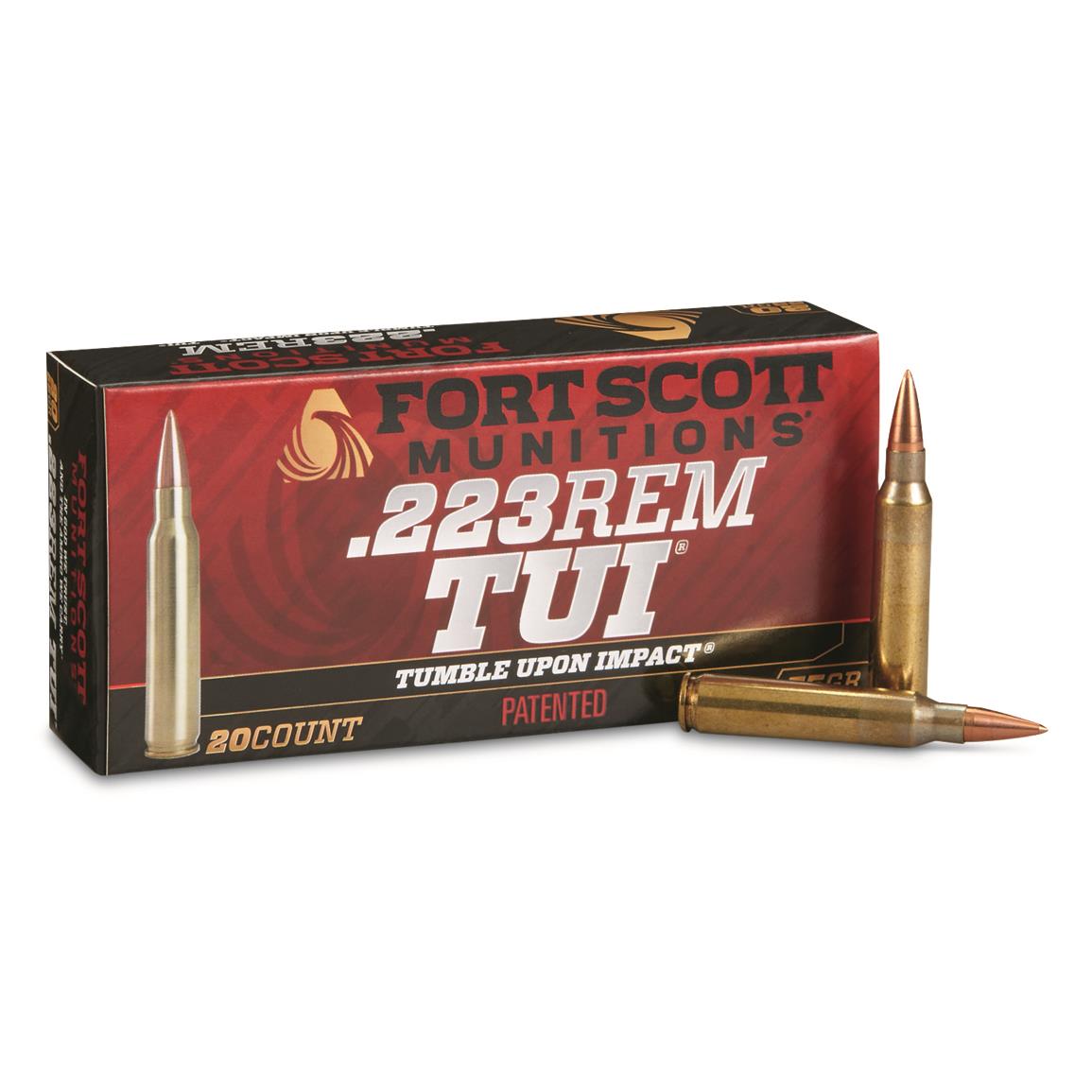
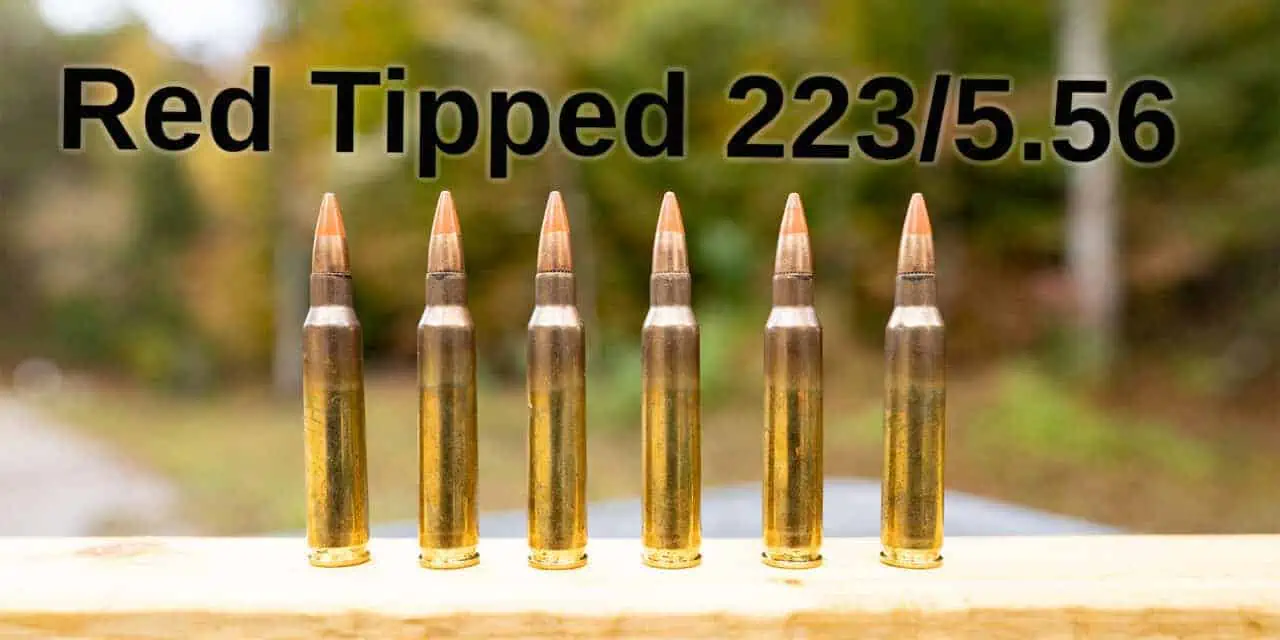
Ballistic Tip ammo combines a polymer tip and a soft core. The tip improves accuracy and helps expansion. They fly faster and hit harder. Ballistic Tips are popular for hunting and precision shooting. They offer good performance at longer ranges.
Understanding Ammo Grain
Understanding ammo grain is key to organizing your .223 ammo effectively. Grain measures the bullet’s weight and affects shooting results. Knowing grain helps you pick the right ammo for your needs.
Common Grain Weights
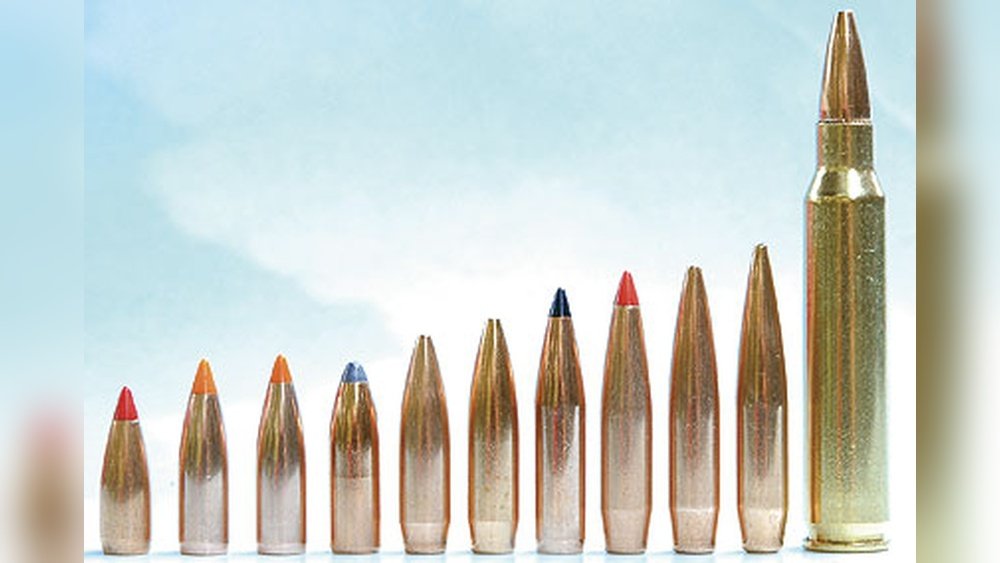
.223 ammo comes in several common grain weights. The most popular are 40, 55, 62, and 77 grains. Lighter grains like 40 and 55 are good for fast shooting and less recoil. Heavier grains such as 62 and 77 are better for long-range accuracy and deeper penetration.
Impact On Performance
Grain weight changes how the bullet performs. Lighter grains travel faster but may lose energy quicker. Heavier grains are slower but keep energy longer and hit harder. Your shooting distance and target type influence which grain you choose.
Storage Solutions
Proper storage is key to keeping .223 ammo organized by grain and type. Good storage protects ammo from moisture, dust, and damage. It also makes finding the right ammo easier and faster. Several storage options fit different needs and budgets.
Ammo Boxes
Ammo boxes are classic and reliable. They come in metal or plastic and often have secure latches. These boxes keep ammo dry and safe. Many have dividers to separate different grains and types. Labeling boxes speeds up ammo selection. They stack easily, saving space.
Plastic Containers
Plastic containers offer a clear view inside. This lets you see ammo without opening the lid. Choose airtight containers to keep moisture out. Use small containers for each grain or bullet type. They are light and easy to carry. Clear containers help with quick inventory checks.
Custom Shelving
Custom shelving fits your exact storage needs. Build shelves to hold ammo boxes or containers. Shelves keep ammo off the floor and organized by category. Adjustable shelves allow space for different ammo sizes. Add labels on shelves for fast identification. This method works well for large collections.
Labeling Techniques
Labeling is key to keeping .223 ammo organized by grain and type. Clear labels help you find the right ammo fast. They prevent mistakes and keep your storage neat. Use simple methods to label ammo containers and boxes.
Color Coding
Color coding makes ammo identification quick and easy. Assign a color to each grain weight or type. For example, red for 55 grain, blue for 62 grain, and green for 77 grain. Use colored stickers or tape on boxes and containers. This visual cue saves time during range trips.
Tagging
Tags offer detailed information about each ammo batch. Write down the grain, type, and purchase date on a tag. Attach the tag to the ammo box or container. Use waterproof or laminated tags for durability. Tags help track ammo age and type without opening the box.
Digital Inventory
Digital inventory systems provide a high-tech labeling option. Use apps or spreadsheets to log ammo details. Include grain, type, quantity, and storage location. Update the inventory when you add or use ammo. Digital records reduce errors and help plan your reloads better.
Sorting By Grain
Sorting .223 ammo by grain helps keep your collection neat and ready to use. Grain weight affects bullet speed, recoil, and accuracy. Organizing ammo by grain makes it easier to find the right round for your shooting needs. It also helps track how much of each type you have. Sorting by grain brings order and efficiency to your ammo storage.
Grouping Similar Grains
Start by gathering all rounds with the same grain weight. Place 55-grain bullets together and 62-grain bullets in another group. Keep each grain weight in separate containers or compartments. Label each group clearly to avoid confusion. Grouping similar grains helps you quickly pick the right ammo for your rifle.
Separating Heavy And Light Loads
Heavy loads have higher grain weights, while light loads have lower weights. Separate heavy rounds from light ones to prevent mixing. Store heavy ammo in one box or tray and light ammo in another. This separation avoids using the wrong grain weight for your shooting purpose. It also protects your ammo from damage and keeps your shooting safe.
Sorting By Type
Sorting .223 ammo by type helps keep your collection neat and ready. It makes finding the right bullet faster and safer. Organizing by type also protects different rounds from mixing, which can cause confusion or errors. This method suits shooters who use various bullet designs for specific purposes.
Separating By Bullet Design
Start by grouping ammo based on bullet shapes. Common types include full metal jacket, hollow point, and soft point. Each design serves a different function. Keep these groups separate to avoid mixing. Use small containers or labeled bags for each type. This setup prevents mistakes during loading and shooting.
Marking For Quick Identification
Label each group clearly for easy spotting. Use permanent markers on boxes or tape on containers. Write the bullet type and any other key info. Color-coded labels also work well for quick sorting. Marking saves time and reduces errors at the range. It makes your ammo system simple and efficient.
Maintaining Your Ammo Organization
Maintaining your .223 ammo organization helps keep your collection safe and ready. It prevents mix-ups and ensures quick access during use. Proper care extends ammo life and preserves performance. Regular attention to your ammo system saves time and effort later.
Regular Inventory Checks
Count your ammo often to know what you have. Check for any damage or signs of rust. Note the grain and type to keep groups clear. Update your records after adding or using ammo. This habit prevents surprises and keeps storage neat.
Safe Handling Practices
Always handle ammo with clean, dry hands. Store ammo in a cool, dry place away from sunlight. Avoid dropping or shaking rounds to prevent damage. Keep ammo away from children and pets. Use proper containers designed for ammo storage only.
Frequently Asked Questions
How Do I Sort .223 Ammo By Grain Weight?
Sort. 223 ammo by checking the grain number on each cartridge. Group similar grain weights together for consistency and easy access. Use labeled containers or trays to keep each grain category separate and organized.
What Types Of .223 Ammo Should I Separate?
Separate. 223 ammo by bullet type like FMJ, HP, or SP. This helps in selecting the right ammo for specific shooting needs or hunting situations. Label each type clearly to avoid confusion during use.
Why Organize .223 Ammo By Grain And Type?
Organizing by grain and type ensures better accuracy and performance. It simplifies ammo selection for different firearms and shooting conditions. Proper organization also helps in inventory management and prevents mixing incompatible ammo.
What Storage Methods Work Best For .223 Ammo?
Use sturdy ammo boxes or plastic containers with dividers. Label each section by grain and bullet type for quick identification. Store ammo in a cool, dry place to maintain its quality and reliability over time.
Conclusion
Organizing. 223 ammo by grain and type saves time and reduces errors. Clear labels help you find the right ammo fast. Store similar grains together to keep things neat. This method keeps your collection safe and easy to manage. Simple steps lead to better shooting experiences.
Keep your ammo sorted for peace of mind. A well-organized ammo supply makes every trip smoother. Try these tips to keep your ammo in order.