If you’re serious about getting the best performance from your .223 ammo, knowing the right velocity is key. The speed at which your bullet travels affects accuracy, impact, and overall shooting experience.
But what exactly is the recommended velocity for. 223 ammo, and why does it matter for you? You’ll discover the ideal speeds that can boost your shooting precision and help you make smarter choices when picking ammunition. Keep reading to unlock the secrets that can improve every shot you take.
Ballistics Basics
Understanding ballistics is key to knowing the recommended velocity for .223 ammo. Ballistics studies how bullets move after leaving the gun barrel. It looks at speed, distance, and impact. This knowledge helps shooters pick the right ammo and aim better.
Bullet velocity is a major part of ballistics. It affects accuracy, range, and stopping power. Knowing what controls velocity helps improve shooting results.
Velocity And Its Impact
Velocity means how fast the bullet travels after firing. Higher velocity means the bullet hits the target quicker. This reduces the effect of wind and gravity. Fast bullets have flatter trajectories, making aiming easier. But too much speed can cause barrel wear or reduce accuracy.
For .223 ammo, typical velocities range from 2,700 to 3,300 feet per second. This range balances speed and control for most uses. Velocity affects recoil and how the bullet behaves on impact.
Factors Influencing Bullet Speed
Bullet speed depends on several factors. The type of gun barrel affects velocity. Longer barrels give bullets more time to accelerate. Bullet weight also matters. Lighter bullets usually travel faster than heavier ones.
Powder type and amount inside the cartridge influence speed too. Different powders burn at different rates, changing the bullet’s push. Environmental conditions like temperature and altitude can change velocity slightly as well.
Standard Velocity Ranges
The standard velocity ranges for .223 ammo vary depending on bullet weight and powder charge. Velocity affects accuracy, recoil, and terminal performance. Knowing typical speeds helps shooters select the right ammo for their needs.
Typical Speeds For .223 Ammo
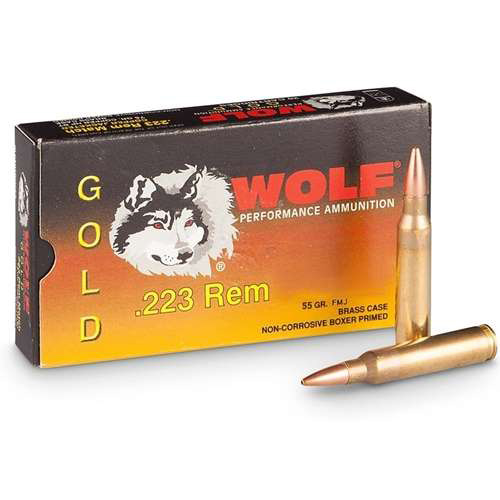
Most .223 ammo travels between 2,700 and 3,250 feet per second (fps). Light bullets around 40 grains reach speeds near 3,200 fps. Heavier bullets, like 55 grains, usually fly around 3,000 fps. Some match-grade rounds have slightly lower velocities for better accuracy.
Comparing Factory Loads
Factory .223 ammo varies by brand and purpose. Target rounds often have consistent speeds near 3,000 fps. Hunting loads may trade speed for heavier bullets and deeper impact. Checking manufacturer specs helps find ammo that matches your rifle’s ideal velocity range.
Optimal Velocity For Accuracy
Finding the optimal velocity for .223 ammo is key to shooting accuracy. The bullet speed affects its flight path and impact point. Too fast or too slow can cause instability and reduce precision. Understanding the best velocity range helps shooters improve their results.
Balancing Speed And Stability
The bullet must travel fast enough to stay stable in flight. Stability keeps it from tumbling or drifting off course. But very high speeds can cause the bullet to lose balance. An ideal velocity balances speed and stability for a straight path. For .223 ammo, this often means speeds around 2,700 to 3,200 feet per second. Staying in this range helps keep shots tight and consistent.
Role Of Barrel Length
Barrel length affects bullet velocity directly. Longer barrels give the bullet more time to accelerate. This usually results in higher speeds and better accuracy. Shorter barrels reduce velocity and can make the bullet less stable. Most .223 rifles have barrels from 16 to 24 inches. Choosing the right barrel length helps achieve optimal velocity for your shooting needs.
Velocity And Terminal Performance
Velocity plays a key role in the performance of .223 ammo. It affects how the bullet behaves after it leaves the barrel. This influences accuracy, energy, and how the bullet impacts the target. Understanding velocity helps shooters choose the right ammo for their needs.
Effect On Impact Energy
Higher velocity increases the bullet’s impact energy. More energy means the bullet can cause greater damage on impact. It also improves the bullet’s ability to reach the target quickly. Lower velocity reduces energy, which might affect stopping power. Finding the right balance is important for effective shooting.
Influence On Expansion And Penetration
Velocity affects how the bullet expands and penetrates the target. At optimal speeds, bullets expand properly, causing more damage. Too fast, and the bullet may over-expand or fragment early. Too slow, and the bullet might not expand enough or penetrate deeply. Proper velocity ensures the bullet performs as intended.
Reloading Considerations
Reloading .223 ammo requires attention to detail. Velocity plays a key role in safety and performance. Keeping velocity within recommended limits helps avoid damage and ensures accuracy. Choosing the right powder is also vital for consistent results. Careful selection supports safe pressures and stable velocities. These considerations help create reliable ammunition for your needs.
Safe Velocity Limits
Exceeding safe velocity limits can cause dangerous pressure. Every rifle and cartridge has a maximum safe velocity. Staying below this limit prevents case ruptures and barrel wear. Check reliable load data sources for recommended velocity ranges. Start with lower loads and increase slowly. Watch for signs of pressure like flattened primers or sticky cases. Safe velocity ensures long firearm life and shooter safety.
Choosing The Right Powder
Powder choice affects velocity and pressure directly. Fast-burning powders produce higher velocity but may increase pressure quickly. Slower powders offer smoother pressure curves and stable velocity. Match powder type to bullet weight and desired velocity. Use powders tested for .223 loads to ensure reliability. Measure powder carefully with a precise scale. Consistent powder charges help maintain safe and accurate velocities.
Environmental Effects
Environmental factors affect the velocity of .223 ammo significantly. Changes in temperature and altitude can alter the bullet’s speed and flight path. Understanding these effects helps shooters adjust and improve accuracy. Small shifts in conditions can cause noticeable changes in velocity and performance.
Temperature And Altitude Impact
Temperature affects air density. Warmer air is less dense, allowing bullets to travel faster. Cold air is denser, slowing the bullet down. Altitude also changes air pressure. Higher altitudes have thinner air, which means less resistance for the bullet. This results in higher velocity and longer range. Low altitude means thicker air and slower bullet speed. Both temperature and altitude must be considered for precise shooting.
Adapting Velocity For Conditions
Shooters should adjust load or sights based on environment. Increase powder charge slightly in cold weather to maintain velocity. Decrease it in hot conditions to avoid excessive pressure. At high altitudes, expect faster bullet speeds and adjust aim accordingly. Regular testing in different environments helps find the best velocity settings. This practice leads to more consistent and accurate shooting performance.
Measuring And Testing Velocity
Measuring and testing the velocity of .223 ammo is vital for accuracy and safety. It helps shooters understand bullet speed and performance. Velocity affects the bullet’s path and impact on the target. Proper measurement ensures consistent shooting results and reliable ammo quality.
Using Chronographs
A chronograph is a device that measures bullet speed. It records the velocity as the bullet passes through its sensors. Set up the chronograph carefully for accurate results. Place it a few feet from the gun muzzle. Fire the ammo through the chronograph to get readings. Multiple shots give a better average velocity. This method is common among shooters and reloaders.
Interpreting Velocity Data
Velocity data shows the bullet’s speed in feet per second (fps). Consistent velocity means stable bullet performance. Large changes in velocity can affect accuracy. Compare your data to the recommended velocity for .223 ammo. This helps identify if your ammo is within safe and optimal limits. Use the data to adjust your reloads or ammo choice. Understanding velocity helps improve shooting precision and safety.

Frequently Asked Questions
What Is The Ideal Velocity For .223 Ammo?
The recommended velocity for. 223 ammo is typically between 2,700 and 3,200 feet per second. This range balances accuracy, energy, and barrel life for most shooting needs.
How Does Velocity Affect .223 Ammo Performance?
Higher velocity improves bullet trajectory and penetration. However, excessive speed can reduce accuracy and increase barrel wear. Optimal velocity ensures consistent, reliable performance.
Can Velocity Vary By .223 Ammo Type?
Yes, velocity varies depending on bullet weight and powder load. Lighter bullets generally achieve higher speeds, while heavier bullets travel slower but offer better energy retention.
Why Is Velocity Important For .223 Ammo Accuracy?
Velocity impacts bullet drop and wind drift. Maintaining consistent velocity helps shooters predict bullet paths and improve shot precision at various distances.
Conclusion
Choosing the right velocity for. 223 ammo matters a lot. It affects accuracy, recoil, and performance. Most shooters find 2,700 to 3,200 feet per second ideal. This range balances power and control well. Staying within it helps your shots stay true and consistent.
Remember, different guns might need slight changes. Always test your ammo to find what works best. Safe shooting and good practice improve your results over time. Keep these points in mind for better shooting experiences.