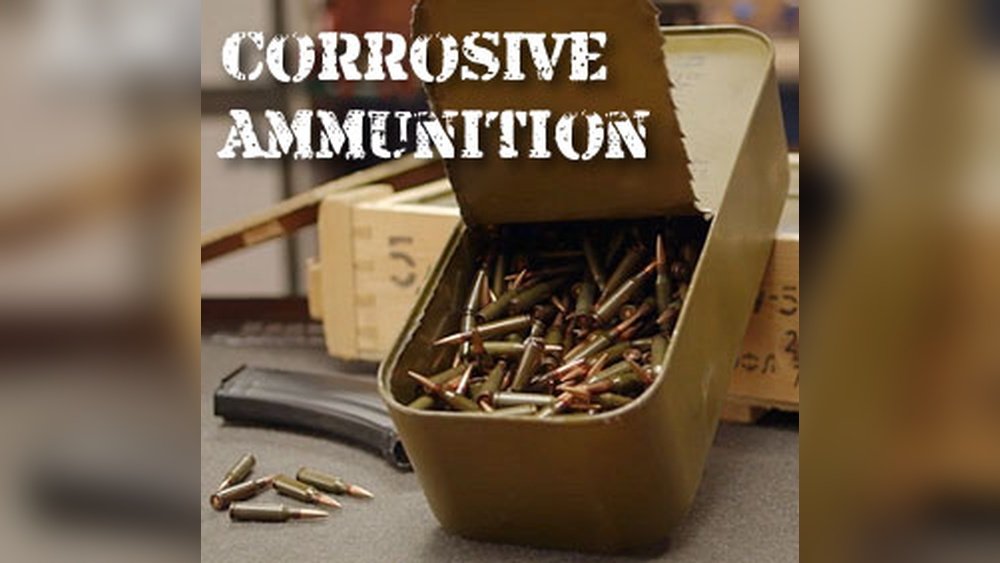
If you want your ammo to stay reliable and safe, protecting it from corrosion is a must. Corrosion can damage your rounds, making them unsafe or unusable when you need them most.
But don’t worry—keeping your ammo in top shape doesn’t have to be complicated. You’ll discover simple and effective ways to shield your ammo from rust and moisture. By the time you finish reading, you’ll have the confidence to store your ammo properly and extend its lifespan.
Ready to keep your ammo ready for action? Let’s dive in.

Causes Of Ammo Corrosion
Ammo corrosion damages bullets and casings. It lowers ammo reliability and safety. Understanding what causes corrosion helps protect ammo better.
Moisture And Humidity
Moisture is the top cause of ammo corrosion. Water reacts with metal parts. This reaction creates rust and weakens the ammo. High humidity speeds up this process. Ammo stored in damp places is at high risk.
Temperature Fluctuations
Changing temperatures harm ammo storage. Hot and cold cycles cause metal to expand and contract. This can crack protective coatings. Cracks allow moisture to enter and cause corrosion. Stable temperatures help keep ammo safe.
Chemical Exposure
Ammo reacts badly to many chemicals. Cleaning solvents, oils, or acids can damage casing metal. Chemicals break down protective layers quickly. Always avoid contact with harsh substances. Clean ammo with recommended products only.

Choosing The Right Storage
Choosing the right storage is key to keeping ammo safe from corrosion. Proper storage stops moisture and air from damaging the bullets and casings. A good storage setup saves money and keeps ammo ready to use.
Ammo needs a dry, sealed space to stay fresh. Using the right containers and tools helps control humidity and air exposure. This section covers three effective storage methods that protect your ammo best.
Airtight Containers
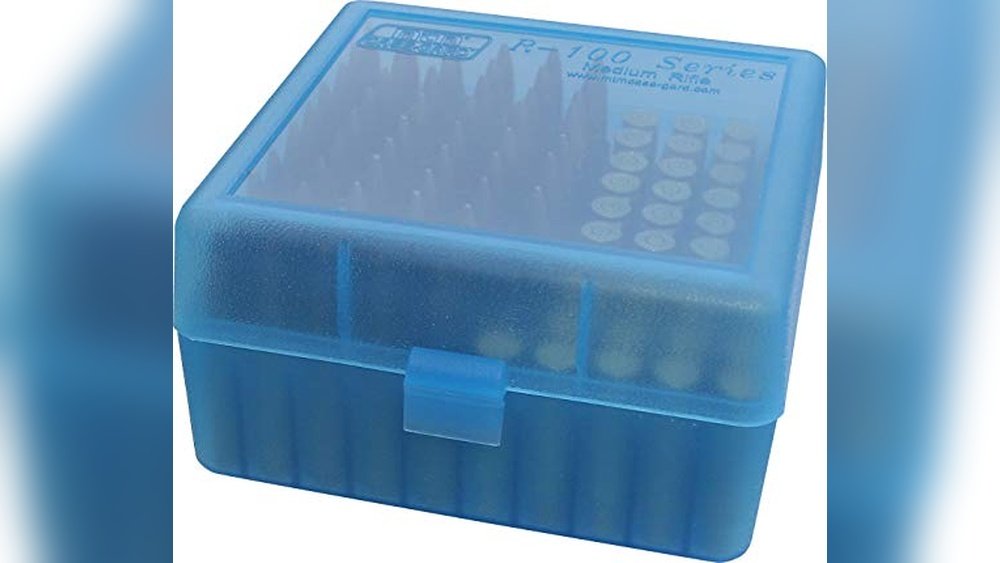
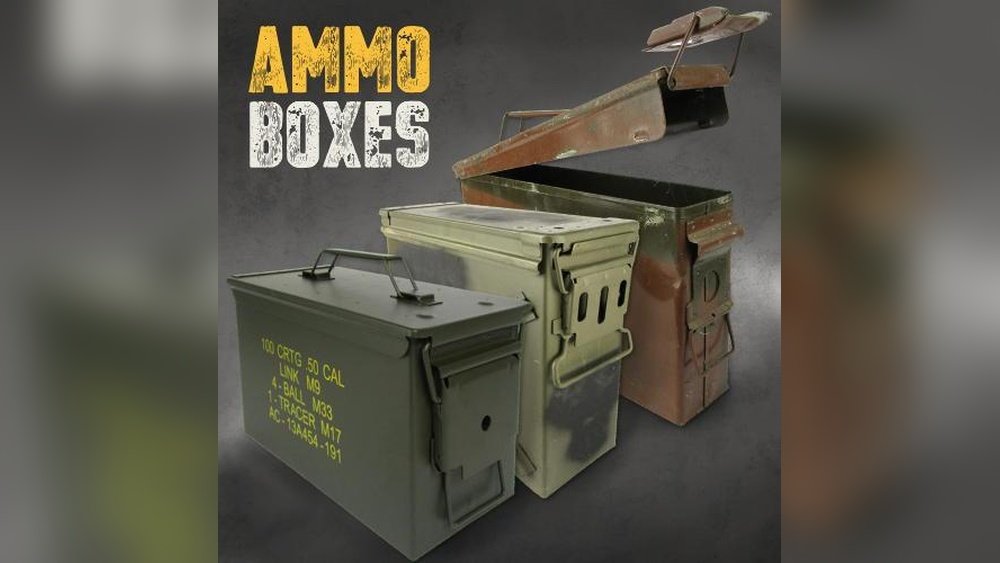
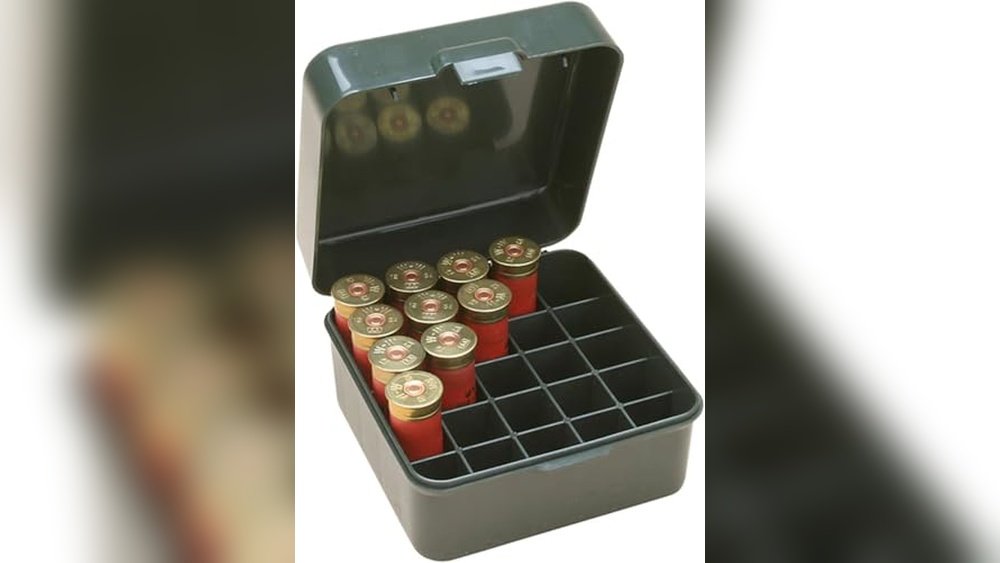
Airtight containers block air and moisture from reaching your ammo. Plastic or metal containers with rubber seals work well. They keep the ammo dry and prevent rust on the casing. Use containers that close tightly and do not leak air. Label each container for easy identification.
Desiccants And Dehumidifiers
Desiccants absorb moisture inside your storage space. Silica gel packs are a popular choice. Place them inside ammo containers to keep humidity low. Dehumidifiers work well in larger storage areas or safes. They reduce moisture in the air to protect all stored items. Regularly replace or recharge desiccants for best results.
Climate-controlled Safes
Climate-controlled safes offer perfect conditions for ammo storage. They keep temperature and humidity at safe levels. This reduces the risk of corrosion and damage. These safes often include built-in dehumidifiers and airtight seals. They provide extra security along with ideal storage conditions. Choose a safe size that fits your ammo collection comfortably.
Proper Handling Techniques
Proper handling techniques are essential to keep ammo safe from corrosion. Handling ammo with care reduces the risk of damage and extends its life. Small habits make a big difference in preventing rust and other problems.
Clean hands and the right tools help avoid dirt and moisture. Also, avoiding cross-contamination stops harmful substances from reaching your ammo. Follow these simple steps to protect your ammunition.
Clean Hands And Tools
Always wash your hands before touching ammo. Dirt, sweat, and oils can cause corrosion. Use gloves if possible to create a barrier. Keep tools clean and dry to avoid transferring rust or grime. Regularly clean your workspace too. This reduces the chance of contamination and keeps ammo in good condition.
Avoiding Cross-contamination
Do not mix ammo with dirty or oily items. Store ammo separately from firearms and cleaning solvents. Use clean containers that do not trap moisture. Avoid touching ammo after handling grease or chemicals. Cross-contamination can speed up corrosion and damage your rounds. Keep each item in its own place for safety and protection.

Cleaning And Maintenance
Cleaning and maintenance play a key role in protecting ammo from corrosion. Dirt, moisture, and oils can cause rust and damage. Regular care keeps your ammunition safe and reliable. Simple steps can extend the life of your ammo and ensure it works when needed.
Regular Inspections
Check your ammo often for signs of rust or corrosion. Look for discoloration, pitting, or powdery residue on the casing. Inspect the primer and bullet tip carefully. Early detection helps prevent further damage. Set a schedule to inspect your ammo every few months.
Use a flashlight for better visibility. Keep ammo in a dry, cool place during inspections. Note any changes and separate damaged rounds immediately. Avoid mixing good and bad ammo in the same container.
Safe Cleaning Methods
Use a soft cloth to wipe off dirt and fingerprints. Avoid harsh chemicals that can damage the casing or primer. A mild soap solution and water work well for light cleaning. Dry ammo completely before storage to stop moisture buildup.
For stubborn dirt, use a small brush with soft bristles. Never soak ammo in liquid. Avoid oil-based cleaners as they attract dust and moisture. Store ammo in sealed containers with desiccant packs to keep it dry.
Protective Coatings And Treatments
Protective coatings and treatments help keep ammo safe from rust and damage. They form a barrier against moisture and air. This barrier stops corrosion and extends ammo life. Applying the right coating is simple and effective. It adds an extra layer of protection that lasts.
Rust Inhibitors
Rust inhibitors prevent metal parts from oxidizing. They work by blocking moisture from touching the ammo. Many rust inhibitors come as sprays or oils. A thin layer on the surface keeps rust away. Regular use helps maintain ammo quality over time. Choose inhibitors made for metal protection. This keeps your ammo dry and ready to use.
Lubricants And Sealants
Lubricants reduce friction and create a moisture barrier. Sealants add an extra shield against water and dirt. Both protect ammo from corrosion in different ways. Apply lubricants lightly on moving parts and cases. Use sealants for long-term storage protection. These treatments keep ammo clean and functioning well. Proper use ensures your ammo stays safe in any condition.
Best Practices For Long-term Storage
Storing ammo properly is key to keeping it safe and ready to use. Long-term storage needs clear steps to stop rust and corrosion. Good habits protect your ammo from moisture, dirt, and damage. Follow these best practices to keep your ammo in top shape for years.
Rotation Of Ammo Stock
Use your oldest ammo first. This practice prevents ammo from staying unused too long. Rotate stock by placing new ammo behind older boxes. This way, you reduce the risk of corrosion and waste. Regular use also helps you check ammo condition often.
Labeling And Inventory
Label each ammo box with purchase date and type. Keep a simple inventory list for easy tracking. This helps you find ammo quickly and avoid mix-ups. Clear labels reduce handling and exposure to air. Inventory control supports better rotation and storage decisions.
Frequently Asked Questions
How Can I Prevent Ammo From Rust And Corrosion?
Store ammo in a cool, dry place with low humidity. Use airtight containers with desiccants to absorb moisture. Regularly inspect and clean ammo to remove dirt and oil residues that can attract corrosion.
What Storage Methods Best Protect Ammo From Moisture?
Use sealed plastic or metal containers with silica gel packs. Avoid cardboard boxes as they absorb moisture. Keep ammo in climate-controlled environments to reduce temperature fluctuations that cause condensation.
Does Oiling Ammo Help Prevent Corrosion?
Light oiling can protect metal parts from rust. Use a thin, gun-specific oil layer to avoid attracting dust. Avoid over-oiling, which can affect ammo performance and cause residue buildup.
How Often Should I Check Stored Ammunition?
Inspect your ammo every 3 to 6 months. Look for signs of rust, corrosion, or damage. Regular checks ensure early detection and allow timely cleaning or replacement.
Conclusion
Protecting ammo from corrosion keeps it safe and ready to use. Store ammo in dry, cool places away from moisture. Use airtight containers and silica gel packs for extra protection. Regularly check your ammo for any signs of rust or damage.
Clean and maintain your storage area often. These simple steps help your ammo last longer and perform better. Take care of your ammo today to avoid problems tomorrow. Safe storage means peace of mind. Keep your ammo in good shape for when you need it most.