When it comes to storing your ammo, safety should always be your top priority. You might think that simply locking it away is enough, but there are smart steps you can take to protect your ammo from damage, theft, or accidents.
By following a few key security tips, you can keep your ammo safe and ensure it stays in good condition for when you need it most. Ready to learn how to secure your ammo like a pro? Keep reading—your peace of mind depends on it.

Choosing The Right Storage
Choosing the right storage for your ammo is very important. Proper storage keeps your ammunition safe and in good condition. It also prevents accidents and theft. You need to think about the container, the place you keep it, and the climate where it is stored.
Selecting Secure Containers
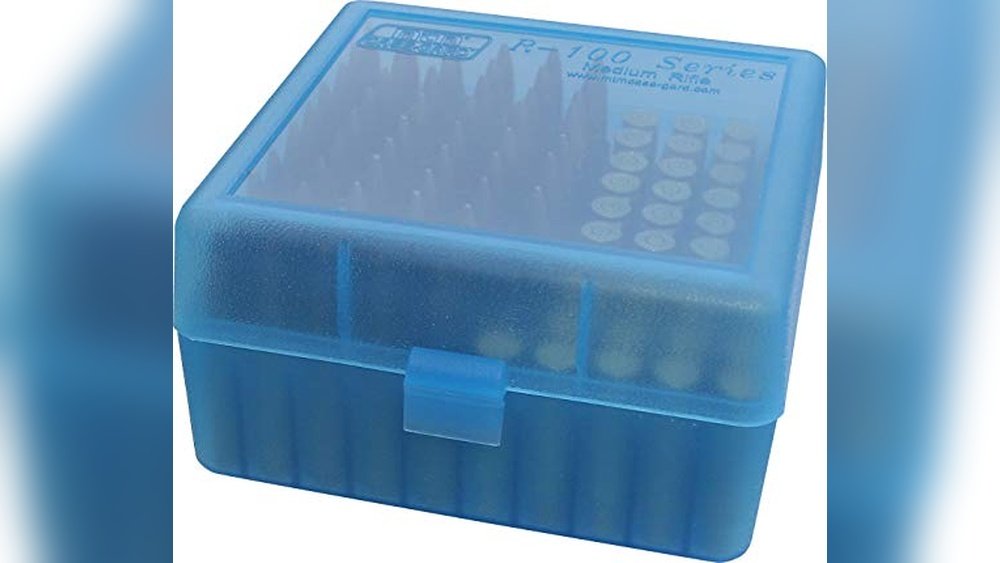
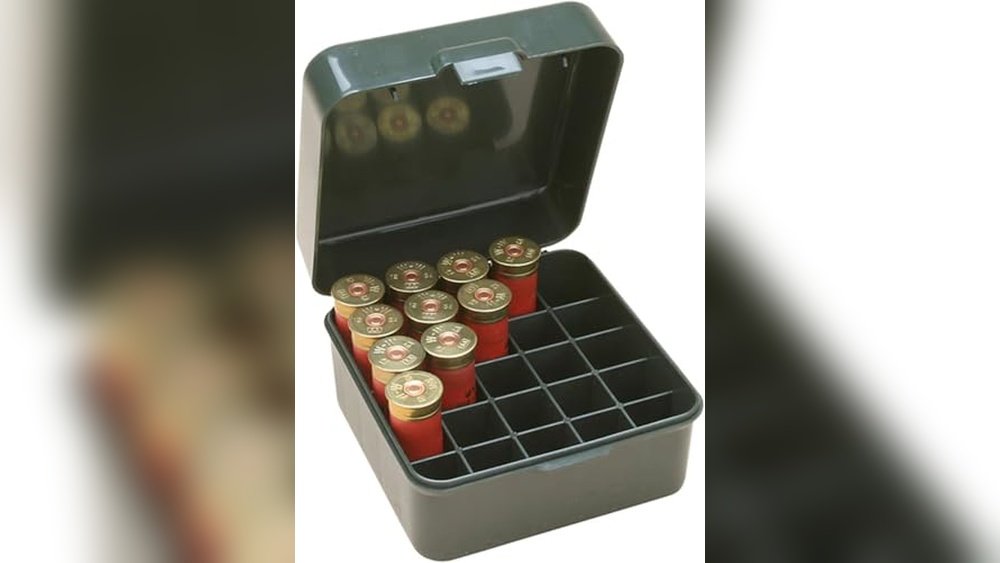
Pick containers made of strong materials like metal or heavy plastic. They should lock tightly to keep ammo safe. Look for containers that are waterproof and rustproof. Clear containers help you see what is inside without opening them. Avoid using weak boxes or bags that can break easily.
Location Considerations
Store ammo in a cool, dry place away from heat sources. Choose a spot that is out of reach of children and pets. A locked cabinet or safe is best to prevent unauthorized access. Avoid places with direct sunlight or high traffic. Keep the ammo away from explosives or flammable materials.
Climate Control Importance
Ammo lasts longer in stable conditions. Avoid damp or humid areas that cause rust and corrosion. Use dehumidifiers or silica gel packs to control moisture. Temperature changes can damage ammo, so keep it in a steady environment. Proper climate control helps maintain the ammo’s reliability and safety.

Safe Handling Practices
Safe handling practices are key to storing ammo securely. Proper care reduces risks and keeps ammo in good condition. Follow simple steps to maintain safety and prevent accidents.
Regular Inspection Routines
Check ammo storage regularly for signs of damage or corrosion. Look for dents, rust, or moisture buildup. Remove any compromised rounds immediately to avoid danger. Keep a schedule to inspect ammo at least once a month.
Proper Labeling Methods
Label ammo containers clearly with type and caliber. Mark dates of purchase or inspection to track age. Use waterproof and easy-to-read labels to avoid confusion. Proper labeling helps prevent mixing different ammo types.
Avoiding Contamination
Keep ammo away from dirt, oil, and chemicals. Always handle with clean, dry hands or gloves. Store ammo in a dry, clean area to avoid moisture damage. Contamination can affect ammo performance and cause malfunctions.
Access Control Measures
Access control measures are vital for safe ammo storage. These steps stop unauthorized people from reaching your ammunition. Keeping ammo secure means fewer risks and better peace of mind.
Control starts with who can enter the storage area. Every layer of security helps protect your ammo from theft or accidents. Use practical tools and habits to manage access effectively.
Restricting Unauthorized Entry
Limit entry to trusted individuals only. Choose a secure, locked room or cabinet for ammo storage. Keep the storage area out of public view. Avoid sharing keys or codes with many people. Review access permissions regularly to prevent mistakes.
Using Locks And Alarms
Strong locks are a basic defense. Use heavy-duty padlocks or combination locks made for secure storage. Electronic locks offer extra control with codes or cards. Alarm systems alert you to break-ins quickly. Install motion sensors or door alarms near your ammo storage.
Monitoring Access Logs
Track who enters and leaves your storage area. Use digital logs with electronic locks or cameras. Write down visits if you use manual locks. Check logs often for unusual activity. This helps spot problems early and keeps your ammo safer.

Fire Prevention Strategies
Fire prevention is critical when storing ammunition safely. Fires can cause explosions and severe damage. Taking steps to prevent fires protects your ammo and your home. Simple habits and the right equipment lower fire risks significantly.
Fire-resistant Storage Options
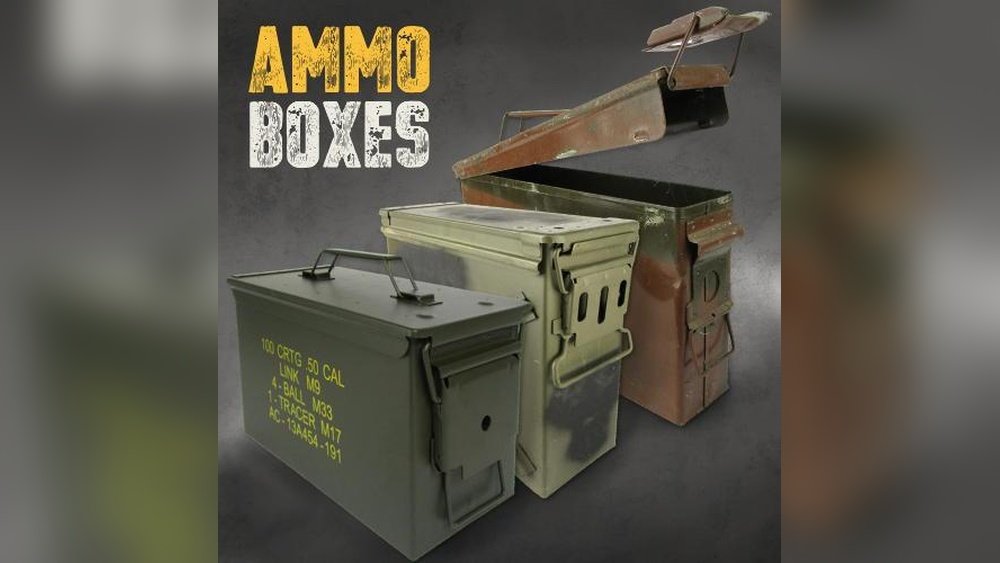
Choose storage containers made from fire-resistant materials. Metal ammo boxes and steel cabinets help contain heat and flames. These options slow fire spread and protect ammo from ignition. Look for products tested to resist high temperatures.
Keeping Flammable Materials Away
Store ammo away from fuels, oils, and cleaning solvents. These materials catch fire easily and increase danger. Keep your storage area clean and free of clutter. Separate flammable items to reduce the chance of fire reaching ammo.
Installing Smoke Detectors
Smoke detectors alert you early to fires. Place detectors near your ammo storage area. Test them regularly to ensure they work properly. Early warning allows quick action, reducing fire damage risk.
Legal And Safety Compliance
Storing ammunition safely means following legal rules and safety steps. This keeps you and others safe. It also helps avoid fines or trouble with the law. Understanding and applying these rules is important for every ammo owner.
Local Regulations To Follow
Every area has its own rules for ammo storage. These rules cover how much ammo you can keep and where. Some places require locked containers or special storage rooms. Learn your local laws from official sources. Follow these rules strictly to stay safe and legal.
Safe Transportation Guidelines
Transporting ammo requires care and attention. Use secure, locked containers for carrying ammo in vehicles. Keep ammo separate from firearms during travel. Never leave ammo unattended in a car. Follow local transport laws to avoid penalties and accidents.
Record-keeping Practices
Keeping records helps track your ammo stock. Write down purchase dates, amounts, and types of ammo. Store these records in a safe place. Good record-keeping can help during inspections or legal checks. It also helps you manage your inventory better.
Frequently Asked Questions
How Should I Store Ammo Safely At Home?
Store ammo in a cool, dry place away from heat and moisture. Use a locked, fireproof container to prevent unauthorized access and damage. Keep ammo separate from firearms for added safety.
What Type Of Container Is Best For Ammo Storage?
A sturdy, airtight, and waterproof ammo can is ideal. Metal or heavy-duty plastic containers with locking mechanisms protect ammo from moisture and theft. Label containers clearly for easy identification.
Can Temperature Affect Ammo Storage Quality?
Yes, extreme temperatures can degrade ammo quality. Store ammo in a stable environment between 50°F and 70°F. Avoid damp or humid areas to prevent corrosion and misfires.
How Often Should I Inspect Stored Ammunition?
Inspect ammo every six months for signs of corrosion or damage. Check seals and containers for moisture intrusion. Replace or dispose of compromised ammo safely to maintain reliability.
Conclusion
Safe ammo storage protects your home and everyone inside. Store ammunition in a cool, dry place away from children. Use locked containers to keep ammo secure and organized. Regularly check your storage for signs of damage or moisture. Follow these tips to reduce risks and keep ammo ready when needed.
Safety always comes first. Stay responsible and protect what matters most.