A leather holster that's become loose can be a real bummer, especially when you rely on it for secure firearm retention. If you've found yourself asking, "How do I stop a leather holster from becoming loose?", you're not alone. Over time, oils can deplete and the material can lose its natural stiffness, making your firearm feel less secure.
Manufacturer specifications for high-quality vegetable-tanned leather often cite a desired break-in period and a certain level of rigidity, typically maintained through proper care. This guide breaks down the common causes of holster looseness and provides actionable steps to restore that snug, reliable fit.
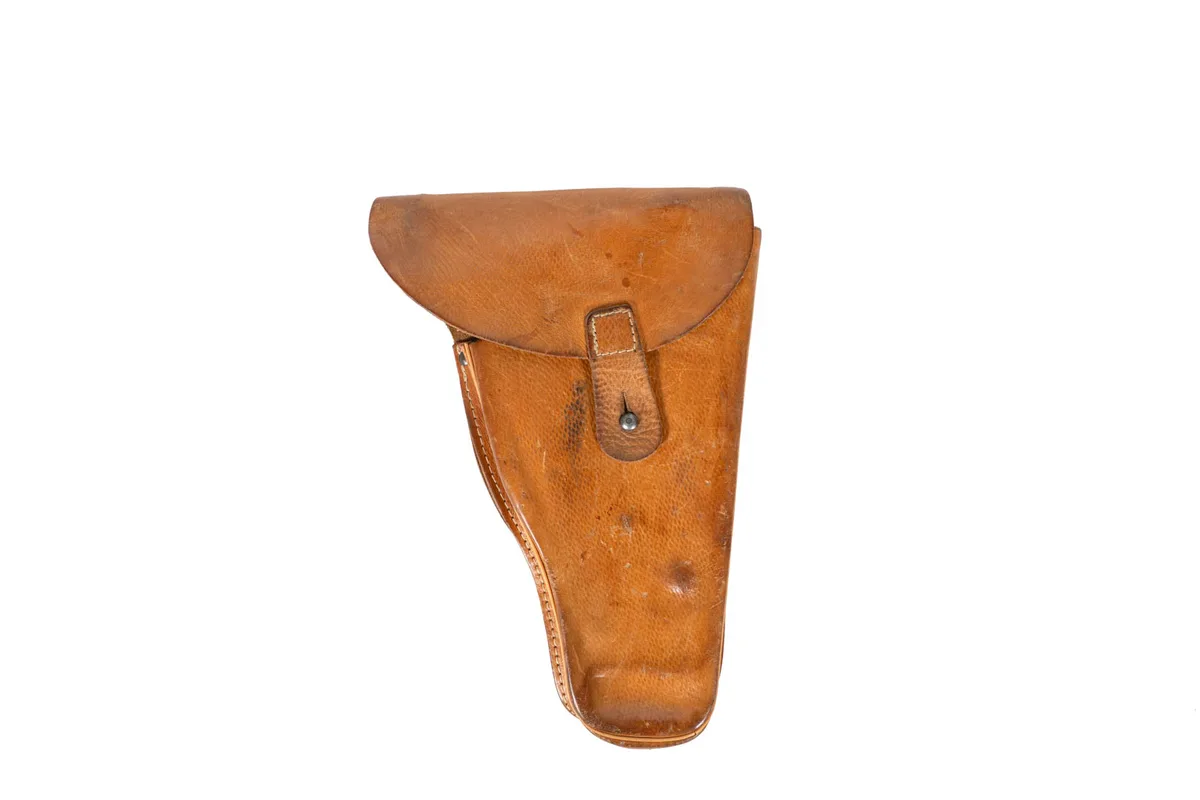
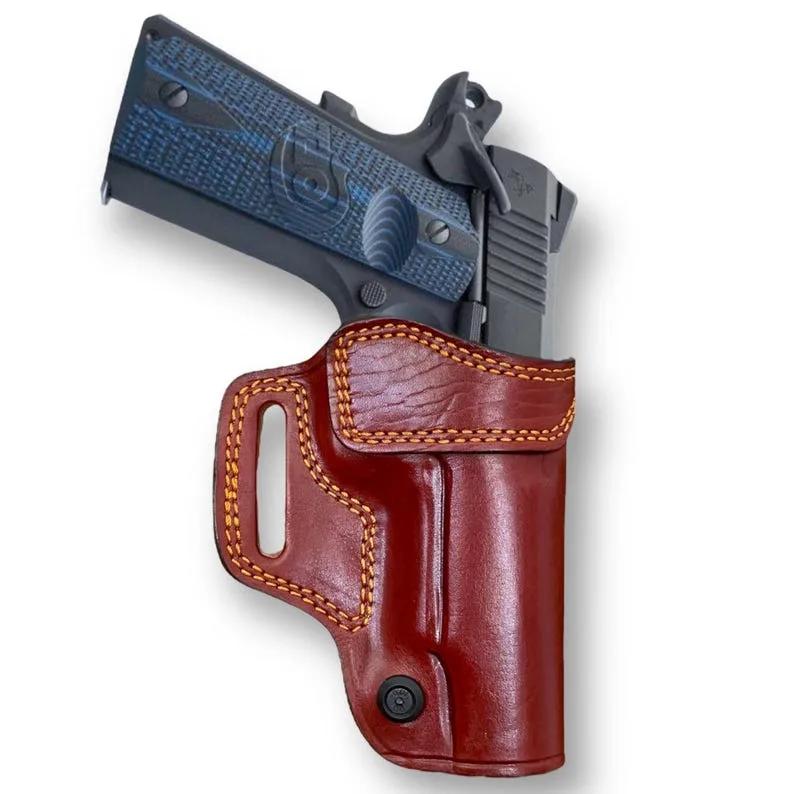
Image source: Web (Bing) / arsenalinc.com (Web image (fair-use with source credit))
Identify Why Your Leather Holster is Loose
Understanding why your leather holster has started to feel less form-fitting is the first, crucial step. It's not always just about adding more conditioner; the cause dictates the cure. Our research indicates that most issues stem from either the leather's condition or structural wear.
The Common Signs of a Loosening Holster
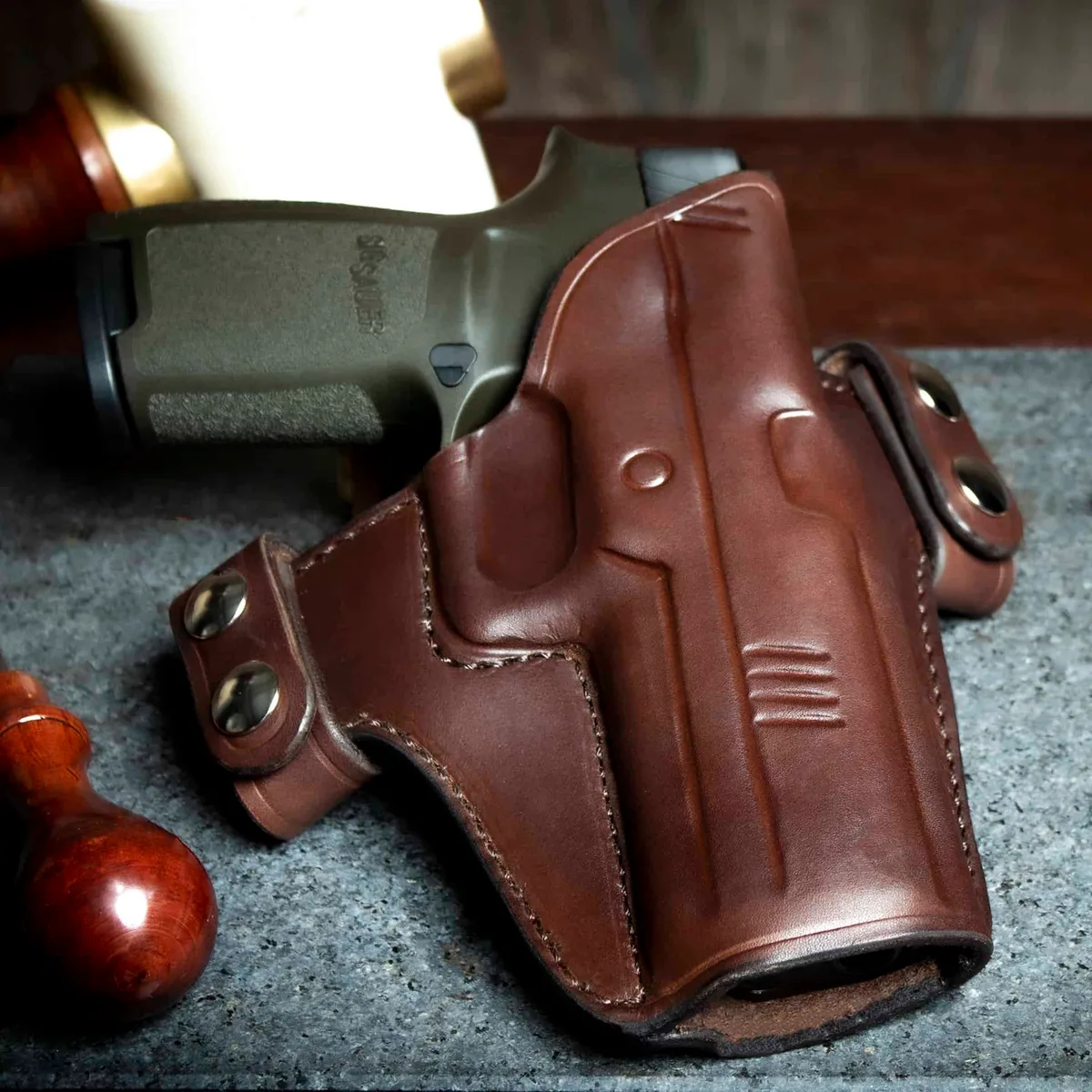
You'll usually notice a few key indicators when your holster isn't as snug as it should be. These aren't always signs of damage, but they do point to a need for attention.
- General Sagging: The entire holster body feels softer and less structured. It might not hold its shape as well when empty.
- Holster Mouth Loosening: The opening where your firearm slides in becomes wider and more pliable. This is particularly concerning as it directly impacts retention.
- Dry and Brittle Leather: The leather feels stiff, rough, and may show cracking or a dull appearance, often accompanied by a loss of its original color. This dryness is a precursor to structural weakening.
- Visible Stitching Issues: Threads might appear frayed, loose, or you might even see small holes where stitching has broken entirely, compromising the holster's integrity.
Why Holster Fit Matters
A proper fit isn't just about aesthetics; it's fundamental to safe and reliable firearm carry. A holster's primary job is to secure your firearm against your body, preventing accidental disengagement and ensuring it stays put during movement. When a leather holster loses its snugness, that secure grip is compromised.
This can lead to the firearm shifting, potentially making drawing more difficult or, in worst-case scenarios, leading to retention issues. According to firearm safety guidelines, a firearm should always be secured in a holster designed for its specific model, ensuring both retention and a consistent draw stroke.
Troubleshooting Your Holster's Looseness: A Decision Guide
Figuring out the exact reason your holster is loose is key to fixing it effectively. We can break down the most common scenarios into a few categories. If your holster exhibits a combination of these, tackle them in order of severity, usually starting with the most direct cause of poor retention.
Is it Dry and Brittle Leather?
If the leather feels rough to the touch, looks faded, and lacks suppleness, it's likely lost essential oils. This dryness causes the leather fibers to weaken, leading to a loss of structural integrity and overall looseness. This is often the result of environmental factors like excessive heat, low humidity, or simply infrequent conditioning.
Is the Holster Mouth Widening?
This is a very common issue, especially with open-top holsters. The edges of the mouth can flex outward over time with repeated insertion and removal of the firearm. If you can easily see the full width of your firearm's slide when looking down into the holster, the mouth has likely loosened significantly.
Is the Overall Shape Sagging?
This suggests a loss of the holster's internal tension and rigidity. The leather might not be holding its molded shape as firmly as it did when new. This can happen if the holster is frequently stored improperly, such as being compressed or folded, or if the leather's natural oils have been depleted over a long period without replenishment.
Are Your Stitches Failing?
Loose or broken stitching is a direct mechanical failure. This means the individual pieces of leather that form the holster are no longer held securely together. This is less about the leather's condition and more about the integrity of the construction itself.
A visual inspection is usually all that's needed to diagnose this problem.
Step-by-Step Solutions for a Snug Holster
Once you've identified the root cause of your holster's looseness, you can apply the right fix. These methods are designed to restore integrity and fit without damaging the leather.
Re-Establishing Shape: The Mold and Dry Method
This technique is excellent for holsters that have lost their overall form or have developed a general sag. It helps the leather dry into a tighter, more consistent shape.
- Empty the holster: Ensure your firearm is safely secured elsewhere.
- Moisten the leather exterior: Lightly dampen the outside of the holster with a spray bottle of water. Avoid soaking it; the goal is just to make the leather pliable.
- Insert a form: Fill the holster with a dense, shape-holding material. A plastic bag packed with rice or sand works well, or if you have a pistol safe that matches the firearm's dimensions, that's ideal. You can also carefully wrap your unloaded firearm in a plastic bag (to protect it) and insert it.
- Allow to dry completely: Place the holster in a cool, dry environment away from direct heat or sunlight. This process can take 24 to 48 hours. The leather will naturally tighten as it dries around the form.
Reviving Dry Leather: Conditioning and Care
If your holster feels stiff, brittle, or looks faded, it's signaling a need for nourishment. Proper conditioning restores lost oils, making the leather more supple and resilient.
- Choose the right product: Use a high-quality leather conditioner specifically designed for fine leather goods. Avoid heavy waxes or greases, which can saturate and damage the leather or affect its grip. Products formulated for holsters often contain a balance of oils and waxes that nourish without over-softening.
- Apply sparingly: Use a soft, lint-free cloth and apply a thin, even coat to the exterior of the holster. Work it into the leather gently.
- Allow absorption: Let the conditioner soak in for at least a few hours, or overnight if the leather is very dry. You may need a second application for severely dehydrated leather.
- Buff gently: After the leather has absorbed the conditioner, buff off any excess with a clean cloth. This brings back a subtle sheen.
Tightening the Mouth: Pinching and Setting
This method is particularly effective for holsters where the opening has widened, impacting firearm retention. It helps re-form the critical lip of the holster.
- Lightly moisten the edges: Apply a small amount of water to just the inside and outside edges of the holster's opening.
- Pinch the mouth closed: With your fingers, firmly pinch the edges of the holster mouth together. Imagine you are trying to make the opening narrower again.
- Hold the shape: Maintain this pinched position for several minutes. This helps set the leather in its new, tighter configuration.
- Air dry thoroughly: Allow the mouth of the holster to dry completely. You might need to repeat this process over a couple of days to achieve the desired tightness.
Addressing Stitching Failures
When stitching breaks or loosens, it's a structural problem that requires mechanical repair. This isn't something that conditioning or molding can fix.
- DIY Stitching: For minor issues, you can repair it yourself. You'll need a strong, waxed thread (ideally matching the original color) and a harness needle. Carefully follow the original stitch holes. Saddle-stitching is a durable method used in many leather goods.
- Professional Repair: If the stitching damage is extensive or you're uncomfortable with needlework, it’s best to consult a professional leatherworker or the holster's manufacturer. Many offer repair services for their products.
Common Mistakes When Fixing Leather Holsters
When you're trying to salvage a loosening leather holster, it's easy to make missteps that can do more harm than good. Awareness of these common errors can save your holster from further damage and ensure your fixes are effective.
Over-Moistening or Over-Conditioning
Applying too much water or conditioner can oversaturate the leather. This can make it excessively soft, weak, and difficult to reshape properly. It can also lead to mold or mildew if not dried thoroughly.
Remember, leather is like skin; it needs moisture, but too much can be detrimental.
Using the Wrong Products
Not all leather conditioners are created equal. Using heavy waxes, oils meant for boots, or even some types of saddle soap can alter the leather's temper, making it too pliable or even sticky. Always opt for products specifically designed for high-quality leather goods like holsters, which balance nourishment with maintaining the material's structure.
Rushing the Drying Process
Trying to speed up drying with heat sources like hair dryers or placing the holster near a radiator is a recipe for disaster. Rapid, uneven drying can cause the leather to crack, shrink unevenly, or become brittle. Natural air drying in a cool, dry place is essential for the leather to retain its integrity.
As of 2026, industry standards for leather care still emphasize slow, natural drying methods.
Ignoring Stitching Issues
A loose holster might seem like a simple fit problem, but if the underlying stitching is failing, that's a structural defect. Trying to mold or condition a holster with broken stitches won't address the core issue. The stitching is what holds the holster together; if it fails, the holster's shape and function are compromised regardless of the leather's condition.
Preventing Future Looseness: Long-Term Holster Care
The best way to deal with a loose leather holster is to prevent it from becoming loose in the first place. Consistent, proper care will significantly extend the life and functionality of your holster, ensuring it remains a reliable piece of gear. This proactive approach saves you time and potential hassle down the line.
Regular Cleaning and Conditioning Schedule
Treat your leather holster like you would any other fine leather good. A good rule of thumb is to clean and condition it every three to six months, depending on your climate and how frequently you carry. In hot, humid environments or if you sweat heavily, you might need to do this more often.
- Wipe down: Start by gently wiping the holster with a clean, damp cloth to remove surface dust and grime.
- Condition: Apply a thin layer of quality leather conditioner using a soft cloth, working it into the leather with gentle, circular motions.
- Allow to dry: Let the conditioner absorb fully, usually for a few hours, before storing or using the holster.
Proper Storage Practices
How you store your holster when it's not in use can also impact its shape and longevity.
- Avoid compression: Don't store it under heavy objects or in cramped spaces where it can be crushed or deformed.
- Climate control: If possible, store leather holsters in a cool, dry environment. Extreme temperature fluctuations or prolonged exposure to direct sunlight can degrade the leather over time.
- Use a holster stand: For extended storage, consider using a holster stand or placing a form inside the holster to help it maintain its intended shape.
Frequently Asked Questions About Holster Fit
How long does it take for a leather holster to become loose?
Holster looseness can occur gradually over months or years of use, or it can happen more rapidly if the leather is subjected to harsh conditions. Factors like frequent drawing, sweat exposure, and improper storage accelerate wear. It's not a fixed timeline, but consistent conditioning can significantly slow the process.
Can I make my leather holster tighter if it's too loose?
Yes, you can often restore a snug fit through methods like re-molding, careful conditioning, and potentially by using inserts if your holster design allows. The success depends on the cause and extent of the looseness. For severe damage, professional repair might be the only option.
What's the best way to condition a leather holster?
Use a high-quality leather conditioner specifically designed for fine leather goods. Apply it sparingly to the exterior of the holster with a soft cloth, allowing it to absorb for several hours before buffing off any excess. Avoid products that are overly greasy or waxy, as they can soften the leather too much.
How often should I clean and condition my leather holster?
A good general guideline is every three to six months. However, this frequency can increase if you live in a very dry climate, sweat heavily, or use your holster daily. Regularly inspect the holster for signs of dryness or stiffness, and condition it as needed.
What if my holster is damaged, not just loose?
If you notice significant cracking, tearing, or broken stitching, simply conditioning won't be enough. These are structural issues that require repair. You might be able to address minor stitching problems yourself, or you may need to seek help from a professional leatherworker or the holster manufacturer for more serious damage.