Your firearm is a precision tool, and how you store and carry it matters. While a holster’s job is protection, the wrong one or improper use can actually harm your weapon over time. Understanding these risks is key to maintaining your firearm’s performance and finish.
This guide will walk you through how holsters can cause damage, what specific issues to watch for, and how to choose and use holsters safely. We'll cover everything from material choices to essential maintenance.
Quick Answer: Yes, Holsters Can Damage Your Firearm
Yes, a holster can absolutely damage a firearm. Common issues include excessive finish wear, scratches, and in severe cases, interference with critical components or corrosion. This damage often stems from abrasive holster materials, poor fit, trapped debris, or moisture retention.
How Holsters Can Hurt Your Gun: The Mechanics of Damage
Your firearm is designed with tight tolerances and specific finishes to ensure reliability and longevity. When a holster creates constant or improper contact, it can interfere with these design elements. This isn't usually about catastrophic failure, but rather a slow erosion of the firearm's condition and function.
Aggressive holster interiors, a fit that's too snug, or the simple accumulation of grit can all contribute to gradual wear.
Holster Materials and Their Impact
The material of your holster plays a huge role in how it interacts with your firearm. Some materials are inherently more abrasive than others, and some can even react chemically with certain firearm finishes.
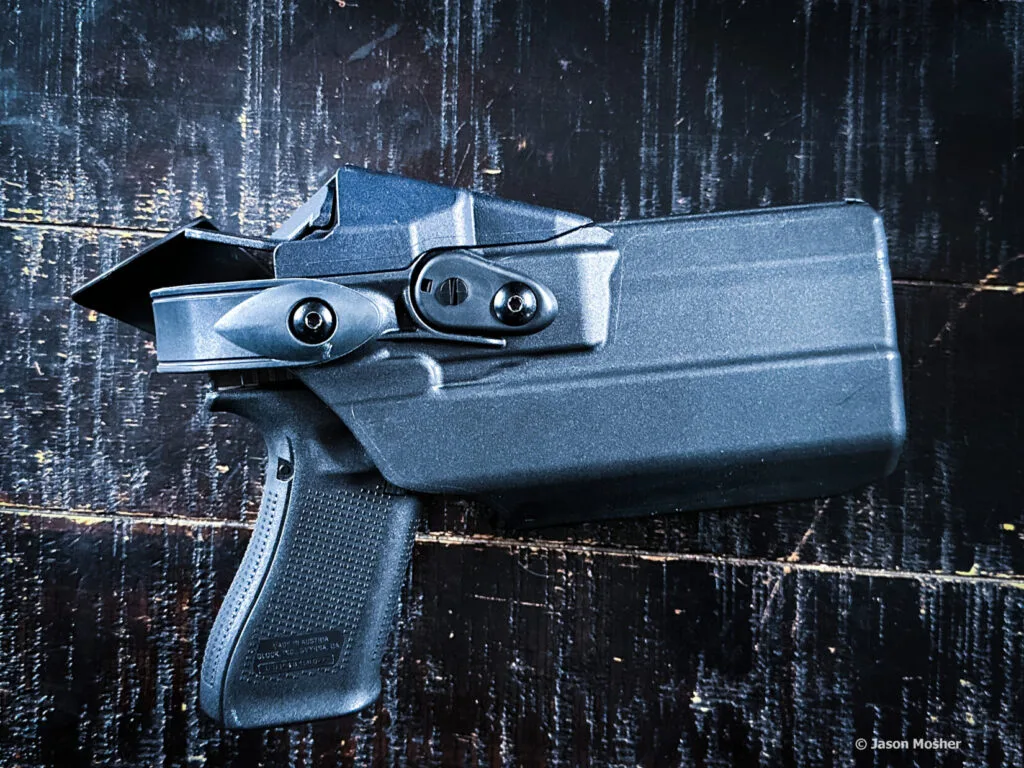
- Kydex and Injection-Molded Plastics: These are popular for their durability and ability to hold a precise shape. However, the interior edges and surfaces can sometimes be rough if not finished properly. Small imperfections or sharp edges can easily scuff or scratch the firearm's slide and frame during the draw and re-holstering process.
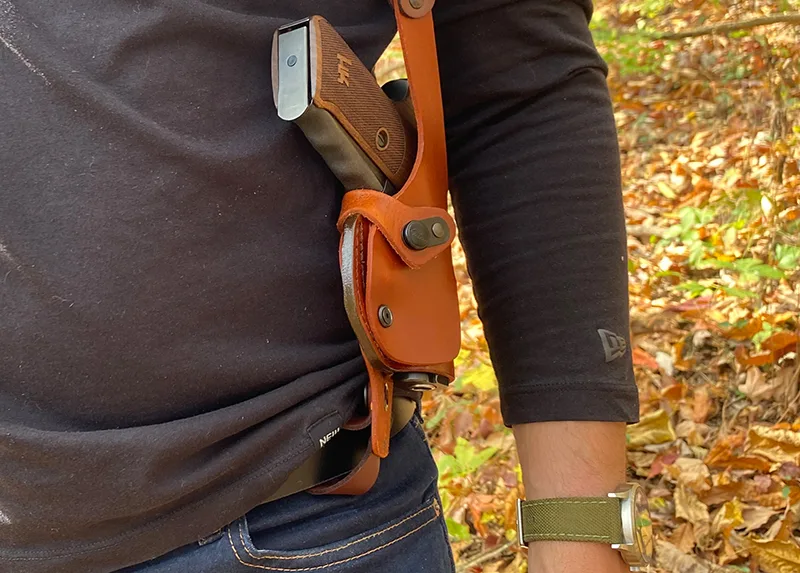
- Leather: High-quality, well-finished leather can be excellent. It can mold to the firearm and offer good protection. However, raw or unfinished leather can absorb moisture and potentially be abrasive. Over time, the oils and dyes in lower-quality leather can also transfer to the firearm's finish.
- Nylon and Fabric: These are often softer materials, but they can present their own challenges. Stitching inside the holster can wear against the firearm, and some fabric types can be surprisingly abrasive, especially when combined with dirt. Certain designs may also allow debris to get trapped easily within the material.
Manufacturer specifications often detail the expected longevity of a firearm's finish, and abrasive holster use can drastically shorten that lifespan. For instance, many polymer-coated slides are rated for thousands of draw cycles in ideal conditions, but rough holster contact can reduce this by orders of magnitude.
Design Flaws Leading to Wear and Tear
Beyond the material itself, the overall design of a holster can create problems. A holster should offer a secure fit without being overly tight.
- Pressure Points: A design that puts excessive, constant pressure on specific parts of the firearm, like the slide rails or the trigger guard, can cause deformation or stress over time. This is particularly relevant for firearms with sensitive external components.
- Sharp Edges: Any sharp internal edges, whether from the molding process or construction, can act like a file against your firearm's finish with every insertion and withdrawal.
- Poor Retention: While a holster needs to retain the firearm securely, a retention mechanism that constantly rubs or digs into the gun can lead to wear. This is sometimes seen with active retention systems if they are not perfectly aligned.
Dirt, Debris, and Moisture Trapping
This is a critical, often overlooked, factor. Your holster picks up dust, lint, sand, and other environmental contaminants. When you re-holster your firearm, all that grit gets ground into the finish.
Think of it like drawing your gun through a miniature sandpaper bath every time.
Furthermore, some holster designs trap moisture. This can be from sweat, rain, or humidity. If the holster material doesn't allow for airflow, it can hold moisture against the metal surfaces of your firearm, creating an ideal environment for corrosion.
This is especially problematic for firearms with blued or parkerized finishes that are more susceptible to rust than stainless steel or polymer.
Types of Firearm Damage Caused by Holsters
When a holster causes trouble, the damage usually manifests in predictable ways. It’s rarely a sudden catastrophe, but more often a gradual degradation of the firearm’s condition.
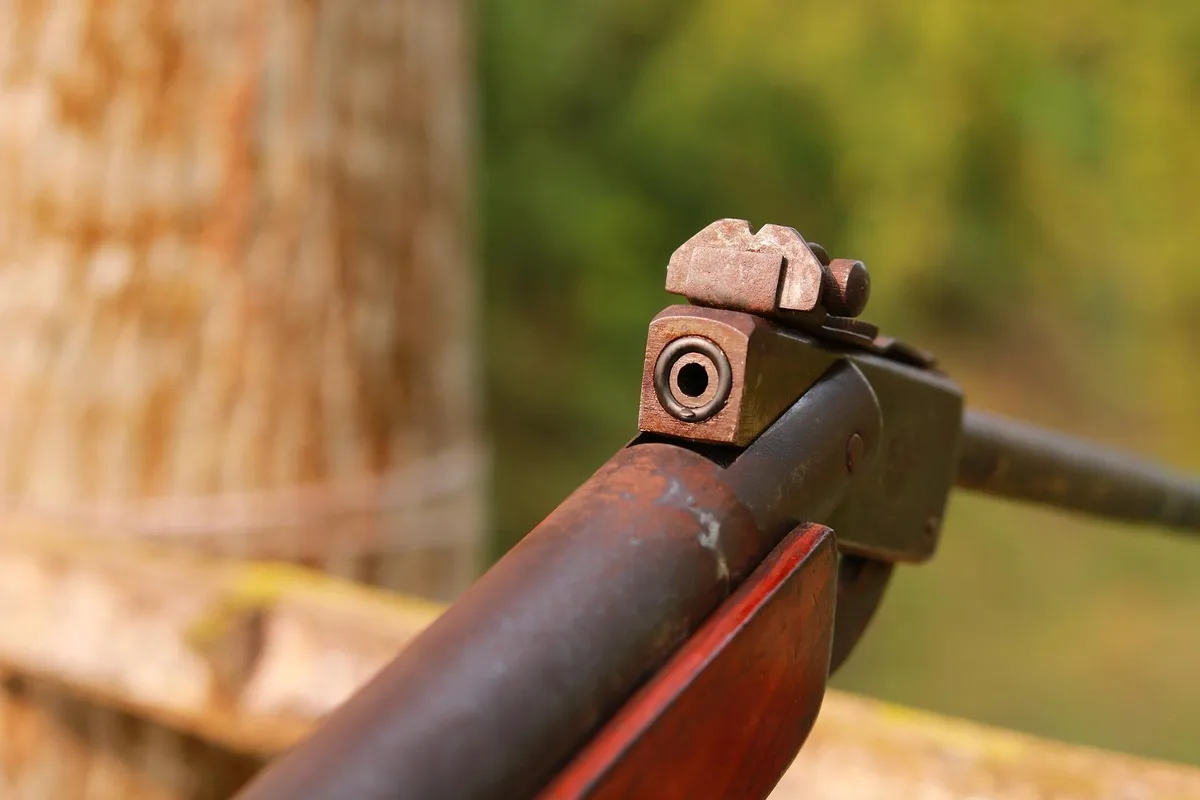
- Finish Wear and Cosmetic Damage: This is the most common issue. You’ll see scuff marks, rubs, or areas where the protective coating on your firearm’s slide, frame, or barrel has worn away. This is often referred to as "holster wear." While primarily cosmetic, severe wear can expose the underlying metal, potentially leading to other issues if not addressed.
- Scratches and Surface Imperfections: Caused by abrasive materials, trapped debris, or sharp edges within the holster, these can range from minor surface marks to deeper gouges. These scratches not only affect appearance but can also become areas where dirt collects, exacerbating future wear.
- Functional Issues and Performance Interference: This is where it gets more serious. If a holster is too tight or has internal obstructions, it can create friction or pressure that interferes with the firearm's cycling. For example, a slide that is too snug might not cycle freely, or a barrel that is constantly pressed against a specific point could theoretically affect shot-to-shot consistency over a very long period. While holsters are unlikely to cause outright malfunctions in most well-maintained firearms, subtle interference isn't impossible with poorly designed or ill-fitting options.
- Corrosion and Rust Risks: As mentioned, holsters that trap moisture can be a direct cause of rust. This is particularly dangerous for internal components. Blued finishes are especially vulnerable, and even stainless steel can develop surface rust under prolonged exposure to corrosive elements if not properly protected.
Finish Wear and Cosmetic Damage
This is likely the first thing you'll notice. Many firearms have a protective coating, like Cerakote, Tenifer, Melonite, or traditional bluing, that gives them their color and helps prevent rust. Drawing and re-holstering your firearm repeatedly, especially with a holster that isn't perfectly smooth inside, will inevitably cause some degree of finish wear.
You might see shiny spots on the high points of the slide or frame where the coating has been abraded away.
This wear is often considered normal, especially for firearms intended for frequent carry. However, the rate at which this wear occurs can be a significant indicator of holster quality. A holster that causes excessive finish wear in just a few hundred draw cycles might be considered problematic by many users.
Some manufacturers, like Glock with their Tenifer finish, design their firearms to withstand significant holster wear before the metal itself is compromised. However, this doesn't mean the aesthetic damage isn't occurring.
Scratches and Surface Imperfections
While finish wear is often a gradual abrasion, deep scratches are more typically caused by a sudden event or a specific flaw. These can happen if a small, hard piece of debris gets lodged in the holster and is then ground into the firearm’s surface during a draw. Alternatively, a sharp edge or protrusion within the holster’s construction, like a poorly finished seam or a stray piece of plastic, can directly carve into the firearm’s metal or polymer.
These scratches are not only visually unappealing but can also create microscopic valleys where dirt and moisture can accumulate, potentially accelerating future corrosion or wear in those specific spots. Even seemingly minor scratches can become a focal point for rust if the protective finish has been breached.
Functional Issues and Performance Interference
This is where holster damage moves beyond aesthetics and into critical performance. While rare with properly fitted holsters, a poorly designed or overly tight holster can exert undue pressure on moving parts. For example, if a holster’s interior consistently contacts the slide stop lever or interferes with the slide's rearward travel, it could, over extended periods, lead to premature wear or even subtle binding.
Imagine a component that’s designed to move freely now being constantly nudged or restrained. This constant stress can, in theory, affect the firearm's cycling reliability or even impact the precise alignment of the barrel and slide, which is crucial for accuracy. For firearms that rely on specific clearances for proper function, such as certain competition pistols or delicately timed actions, this kind of interference is a serious concern.
Corrosion and Rust Risks
Perhaps one of the most insidious forms of damage a holster can inflict is corrosion. Many holsters, especially those made from non-breathable materials like thick leather or certain plastics, can trap moisture. This moisture can come from sweat, environmental humidity, or even a quick wipe-down of the firearm that wasn’t fully dried.
If the holster material doesn't allow this trapped moisture to evaporate, it sits against the metal surfaces of the firearm. Over time, this creates an electrochemical reaction that leads to rust. Firearms with blued or parkerized finishes are particularly susceptible, as these treatments offer less robust protection against moisture compared to modern coatings like Tenifer or Melonite, or stainless steel.
Even stainless steel can develop surface rust under prolonged, damp conditions if not properly maintained. This is why adequate ventilation in a holster is often considered a key feature for preventing such damage.
Choosing the Right Holster: What to Look For
Given that holsters can cause damage, selecting the right one is crucial. It’s not just about looks or retention, but about the long-term health of your firearm. Making an informed choice can prevent a host of potential problems before they even start.
Holster Fit: Secure But Not Strained
The fit of a holster is paramount. It needs to securely hold your firearm so it doesn’t accidentally fall out, especially during physical activity. However, "secure" doesn't mean "jammed in." A properly fitted holster will have a smooth draw stroke, the firearm should slide out with a consistent, moderate amount of resistance, without needing to be forced.
- Too Tight: If you have to fight to pull your firearm out, the holster is likely too tight. This excessive friction will rapidly wear down the finish. It can also indicate that the holster is physically binding on parts of the firearm, potentially causing stress or bending.
- Too Loose: While less likely to cause direct damage from abrasion, a holster that's too loose won't protect your firearm adequately and could lead to it shifting and rubbing excessively inside.
- Proper Retention: Most good holsters achieve retention through the precise molding of the holster’s interior around the firearm’s natural contours, often at the trigger guard or muzzle. This provides a stable hold without undue force. Many modern holsters also feature adjustable retention screws, allowing you to fine-tune the draw resistance.
A common benchmark for a good fit is the ability to turn the holstered firearm upside down without it falling out, but still being able to draw it with a firm, deliberate motion. For instance, many Kydex holsters are designed to create a slight "click" as the trigger guard engages, signifying a secure fit that minimizes unnecessary movement.
Material Quality and Interior Finish
As we touched on, the material matters immensely, but so does the quality of that material and its interior finishing.
- Smoothness is Key: Regardless of whether it's Kydex, leather, or nylon, the interior surfaces should be as smooth as possible. For Kydex, this means checking for rough molding seams or sharp edges. For leather, it means ensuring the inside is well-burnished, sealed, or lined with a softer material like suede or polymer. Rough textures, even if not sharp, can abrade a firearm's finish over time through micro-friction.
- Durability vs. Abrasiveness: Some materials are inherently more durable but can be abrasive. High-density plastics like Kydex, while tough, need careful finishing. Leather, while often perceived as soft, can become abrasive if it’s dry, stiff, or has rough edges from the tanning process.
- Avoid Contamination: Ensure the holster material itself doesn't shed fibers or particles that can get trapped between the holster and the firearm, acting like grit.
When evaluating a holster, run your finger (carefully!) along the inside. Does it feel smooth, or does it catch and snag? Does it feel gritty even when clean?
These tactile clues can tell you a lot about its potential to damage your firearm.
Edge Smoothness and Design Considerations
The edges of a holster, particularly around the opening where the firearm is inserted and drawn, are critical contact points. These edges must be smooth and beveled to prevent snagging or scraping. Manufacturers often polish or round these edges specifically to facilitate a smooth draw.
Furthermore, consider the overall design. Does the holster have any internal protrusions or sharp corners that could press against sensitive parts of your firearm? For example, a holster that is too deep might put constant pressure on the muzzle, while one that is too shallow might not adequately protect the rear sights.
A well-designed holster should cradle the firearm without applying undue stress to any single point. Think about the holster as a protective shell, not a vise. The firearm should sit snugly within it, supported rather than squeezed.
Preventing Holster-Caused Firearm Damage
Preventing damage to your firearm from its holster boils down to a few key practices. It’s about being proactive and maintaining both your firearm and its carrying accessory. Think of it as regular maintenance for a critical piece of equipment.
Cleaning and Maintenance for Holsters and Firearms
Regular cleaning is non-negotiable. A firearm, especially if carried daily, accumulates body oils, sweat, and environmental dust. This residue can transfer to the holster, and vice versa.
- Firearm Cleaning: Follow your firearm manufacturer’s recommended cleaning schedule. This typically involves field stripping, cleaning the bore, action, and slide, then applying a light coat of lubricant. A well-lubricated firearm is more resilient to minor friction and moisture.
- Holster Cleaning: Holsters need cleaning too. For Kydex or plastic holsters, a simple wipe-down with a damp cloth and mild soap, followed by thorough drying, usually suffices. For leather, consult specific leather care instructions; avoid soaking it, as this can degrade the material. Nylon holsters may need brushing or washing, ensuring they are completely dry before use. Always allow holsters to air dry thoroughly, away from direct heat, which can warp materials.
Regular Inspection of Both Components
Make it a habit to inspect your firearm and holster together. This routine check can catch minor issues before they become major problems.
- Check the Holster Interior: Each time you clean your firearm, visually inspect the inside of your holster. Look for any new scratches, abrasions, or areas where the material seems to be degrading. Feel for any rough spots or debris that may have accumulated.
- Examine Firearm Wear: Note any unusual wear patterns on your firearm’s finish. Are there specific spots that are wearing down faster than expected? This could indicate a hot spot or an abrasive point in the holster.
- Retention Check: Ensure the holster still holds your firearm securely. If retention has loosened, it might need adjustment (if possible) or replacement. A holster that no longer holds the firearm properly is a safety hazard and can contribute to wear.
Best Practices for Drawing and Re-holstering
The way you draw and re-holster your firearm significantly impacts wear. Developing good habits can minimize damage.
- Consistent Draw: Aim for a smooth, consistent draw stroke. Avoid jerky movements that can cause the edges of the holster to scrape aggressively against the firearm. Focus on a clean path of motion.
- Clear Re-holstering: Before re-holstering, visually check that the holster is clear of debris. Ensure no part of your clothing or finger is obstructing the path. Re-holster deliberately, watching the firearm enter the holster, rather than blindly pushing it in. This habit prevents accidental injury and ensures no foreign objects are forced inside.
- One-Handed Operation: Practice drawing and re-holstering using only one hand, as you might need to do in a real-world scenario. This reinforces the importance of a smooth, controlled motion.
When to Suspect Your Holster is the Problem
Sometimes, it's not immediately obvious if your holster is the culprit behind firearm damage. If you're noticing excessive wear, scratches, or suspect functional issues, it’s time to play detective. The first step is to isolate variables.
- Isolate the Holster: If you’ve tried a different, known-good holster and the wear stops or significantly reduces, your original holster is likely the cause. Conversely, if wear continues with a different holster, the issue might be with the firearm itself or your technique.
- Consider Holster Age and Condition: Has the holster been in use for a long time? Has it been exposed to harsh elements? A worn-out holster, especially one with cracked or fraying edges, is more likely to cause damage.
- Draw Stroke Analysis: Pay close attention to the feel of your draw. Does it catch? Does it feel gritty? Does the firearm scrape loudly? These tactile and auditory cues can point to friction points within the holster.
- Functional Interruption: If you experience any cycling issues, or if the firearm feels “sticky” in the holster, this is a strong indicator of a fit or design problem. If the firearm’s action seems restricted when holstered, it's a serious concern.
Frequently Asked Questions About Holsters and Firearm Damage
How long does holster wear take to appear?
Holster wear can begin to appear after just a few hundred draw and re-holster cycles, especially with aggressive materials or poor fit. However, significant damage usually takes thousands of cycles, depending on the firearm's finish and the holster's quality.
Can leather holsters cause rust?
Yes, leather holsters can contribute to rust if they trap moisture and are not properly maintained. Unfinished or poorly treated leather is more prone to absorbing sweat and humidity, holding it against the firearm's metal surfaces.
Is Kydex better than leather for preventing firearm damage?
Neither material is universally "better"; it depends on the quality of the specific holster. A well-finished Kydex holster with smooth edges can be excellent, while a poorly made leather holster might be more abrasive. The interior finish and fit are more critical than the base material.
How often should I clean my firearm and holster?
Clean your firearm according to the manufacturer's recommendations, typically after every shooting session or periodically based on environmental exposure. Clean your holster whenever it appears visibly dirty or if you suspect it’s trapped moisture or debris, ensuring it’s completely dry before re-holstering.