Thinking about carrying a firearm discreetly can bring up a lot of questions. You're probably wondering what the best methods are for keeping a handgun out of sight while still being able to access it quickly if needed. What is a belly band holster, and how does it fit into the concealed carry puzzle?
This elastic wrap system offers a unique approach to concealment, designed to hug your torso and keep your firearm secure. While it's a popular choice for its comfort and low profile, understanding its specific features and how it compares to other options is key. Manufacturer specifications often highlight materials like high-performance spandex blends for flexibility, which are designed to meet demands for both comfort and durability, as seen in some performance athletic wear that uses similar fabric compositions.
Quick Answer
A belly band holster is a flexible, elastic band worn around your torso that features a built-in pocket or strap to hold a handgun. It's designed for maximum concealment and comfort, allowing you to wear it under various types of clothing without printing. Unlike rigid holsters, its soft material conforms to your body, making it a popular choice for everyday carry.
How Belly Band Holsters Work for Concealment
Belly band holsters leverage a simple yet effective design principle: creating a snug, body-hugging platform for your firearm. The primary component is a wide, elastic band, often made from a blend of materials like spandex and nylon, which wraps around your waist or abdomen. This band is typically secured with hook-and-loop fasteners, allowing for adjustable tension and a custom fit.
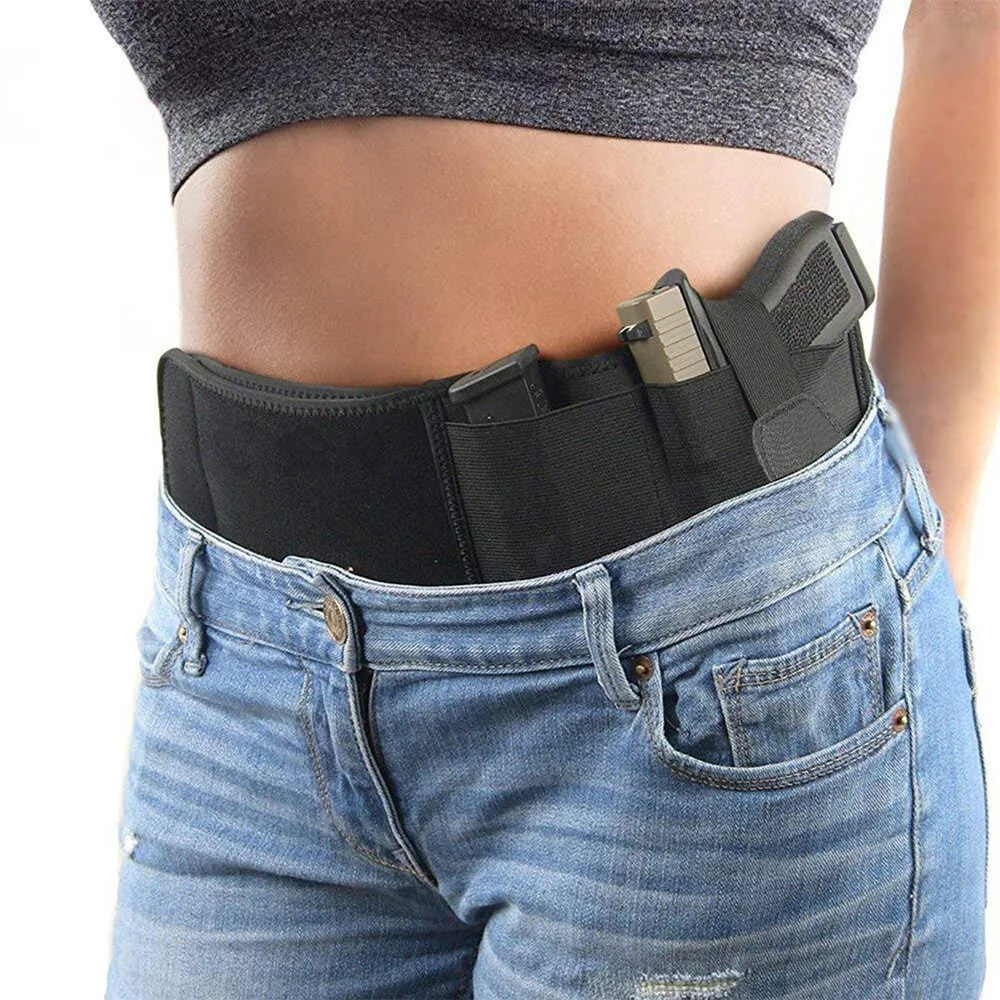
Integrated into the band are one or more holster pockets. These pockets are usually made of a more substantial, yet still flexible, material that forms a secure compartment for your handgun. The gun sits snugly within this pocket, held close to your body.
This close contact is crucial for achieving a low-profile silhouette that's difficult to detect through clothing. The material choice is key; research from athletic apparel manufacturers indicates that high-performance stretch fabrics can offer both excellent retention and breathability.
The Core Concept: Elastic & Holster Pocket
At its heart, a belly band holster is an elastic band with an integrated holster. The elasticity is vital; it allows the band to stretch and conform to the natural curves of your torso, whether you're standing, sitting, or moving. This adaptability is what makes it so effective for concealment, as it minimizes the rigid outlines that traditional holsters can create.
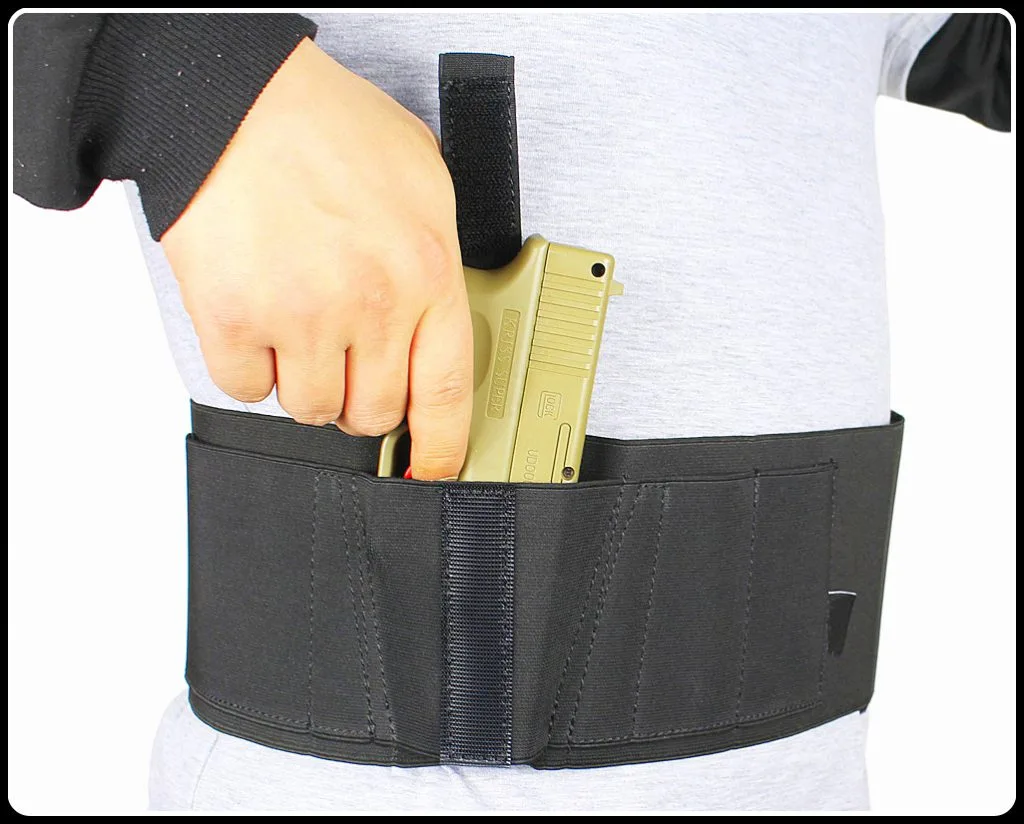
The holster pocket itself is designed to retain your firearm securely. While designs vary, they typically aim to provide enough friction and support to prevent the gun from shifting or falling out. Some feature additional retention straps that loop over the slide or rear sight for added security, though this can sometimes impact draw speed.
The overall goal is a system that feels like a second skin, keeping your firearm accessible without advertising its presence.
Key Features: What to Look For
When evaluating a belly band holster, several features are worth noting. The primary material composition dictates comfort and retention, look for blends that offer significant stretch and durability. Many models incorporate breathable fabrics to manage sweat and heat, especially important for all-day wear.
- Material: High-quality blends, often 70-90% polyester or nylon with 10-30% spandex, are common. This balance provides both stretch and resilience.
- Pocket Design: Ensure the pocket is deep enough for your specific firearm and offers adequate trigger guard coverage. Some bands have multiple pockets for spare magazines.
- Closure System: Hook-and-loop fasteners are standard, offering adjustability. Some higher-end models might use more robust clasps.
- Width: Wider bands generally offer more stability and better weight distribution for heavier firearms. Typical widths range from 4 to 6 inches.
- Ambidextrous Options: Many designs are ambidextrous, meaning you can position the holster on either side, or they come with pockets on both sides.
Belly Band Holsters: The Good and The Not-So-Good
Like any piece of gear, belly band holsters come with their own set of advantages and disadvantages. Understanding these trade-offs helps you decide if this type of carry system is the right fit for your needs and your firearm. They are a distinct category within concealed carry solutions, offering a specific set of pros and cons that appeal to different users.
When a Belly Band Shines (Benefits)
The primary appeal of a belly band holster is its unparalleled ability to conceal a firearm with minimal bulk. Its soft, elastic construction hugs the body, allowing it to disappear under a wide range of clothing, from form-fitting shirts to loose-fitting tops. This makes it an excellent choice for individuals who prioritize discretion.
- Superior Concealment: The low profile is hard to detect, even with tighter clothing.
- Comfort: The flexible material is generally more comfortable for extended wear than rigid holsters, especially when sitting or during physical activity.
- Versatile Carry Positions: You can position it high on the waist, lower, or even to the side, adapting to your body shape and clothing.
- Freedom of Movement: The stretchiness allows for natural movement without the holster digging or restricting you.
- Cost-Effective: Compared to some custom-molded holsters, belly bands can be a more budget-friendly option.
Where It Can Fall Short (Drawbacks & Pain Points)
Despite their benefits, belly band holsters aren't without their limitations. The very flexibility that makes them comfortable can sometimes compromise firearm retention and draw speed.
- Retention Concerns: While many are secure, some designs may not offer the same level of positive retention as a rigid holster with a thumb break or retention mechanism, especially during vigorous activity.
- Draw Speed: Accessing your firearm typically involves reaching under your clothing and past the band, which can be slower than drawing from a belt-mounted holster, particularly for newer carriers.
- Trigger Guard Coverage: Not all belly bands provide robust, dedicated trigger guard protection. It's crucial to select a model that fully shields the trigger mechanism.
- Sweat Management: While some use breathable fabrics, prolonged wear, especially in warm climates, can lead to sweat buildup against the skin and the firearm.
- Firearm Size Limitations: Very large or heavy firearms may not be ideally suited for belly band carry due to potential sagging or compromised retention.
- Durability: Over time, the elastic material can lose its tension, especially with frequent use and washing, potentially impacting retention.
Who Needs a Belly Band Holster? (Use Cases & Target Audience)
A belly band holster isn't a one-size-fits-all solution, but it excels for specific needs and user profiles. If you've ever struggled to find a comfortable and discreet way to carry, you might find it's exactly what you're looking for. Its primary appeal lies in its ability to blend seamlessly with everyday wear, making it a favorite among those who prioritize both concealment and comfort.
The target audience for belly band holsters often includes individuals who:
- Wear a Variety of Clothing: Those who wear dresses, skirts, athletic wear, or tighter-fitting clothing that might not accommodate traditional belt holsters.
- Prioritize Comfort: People who spend a lot of time sitting, driving, or engaging in physical activities and find rigid holsters uncomfortable.
- Seek Maximum Discretion: Individuals who need to carry a firearm without drawing any attention to themselves.
- Carry Lighter Firearms: Those who opt for subcompact or compact pistols, which are generally better suited to the retention capabilities of elastic holsters.
- Are New to Concealed Carry: The simplicity of the system can be less intimidating for beginners, although proper training remains essential.
Best Scenarios for Belly Band Carry
The versatility of a belly band makes it ideal for many everyday situations. Think about a typical day: running errands, commuting to work, going to the gym, or even just relaxing at home. In these scenarios, the ability to have a firearm readily accessible but completely hidden is a major advantage.
For instance, a woman wearing a dress might find a belly band the only practical option for carrying discreetly, as belt-mounted holsters are not an option. Similarly, someone engaged in physical activity, like a jogger or a construction worker, might prefer the flexibility and comfort of an elastic band over a stiffer holster that could chafe or restrict movement. The key is matching the holster to the activity and attire.
Manufacturer specifications for some models suggest they are designed for firearms weighing up to 30 ounces, which covers most compact and subcompact handguns.
Belly Bands vs. Other Holsters: Making the Choice
When you're exploring concealed carry options, it's easy to get overwhelmed by the sheer variety of holsters available. A belly band holster offers a distinct approach, but it's helpful to see how it stacks up against other popular methods. Understanding these differences helps you pinpoint which type best suits your personal needs, the firearm you carry, and your lifestyle.
Comparing Concealment Options
Here's a quick look at how belly bands generally compare to other common holster types:
| Holster Type | Primary Advantage | Primary Disadvantage | Best For |
|---|---|---|---|
| Belly Band | High concealment, comfort, versatility | Can have slower draw, retention varies, trigger guard | Discreet carry, varied attire, comfort-focused users, lighter firearms. |
| Appendix Holster | Quick access, good retention | Can be uncomfortable when sitting, potential printing | Those who prioritize fast draws, standard waist-carry preference. |
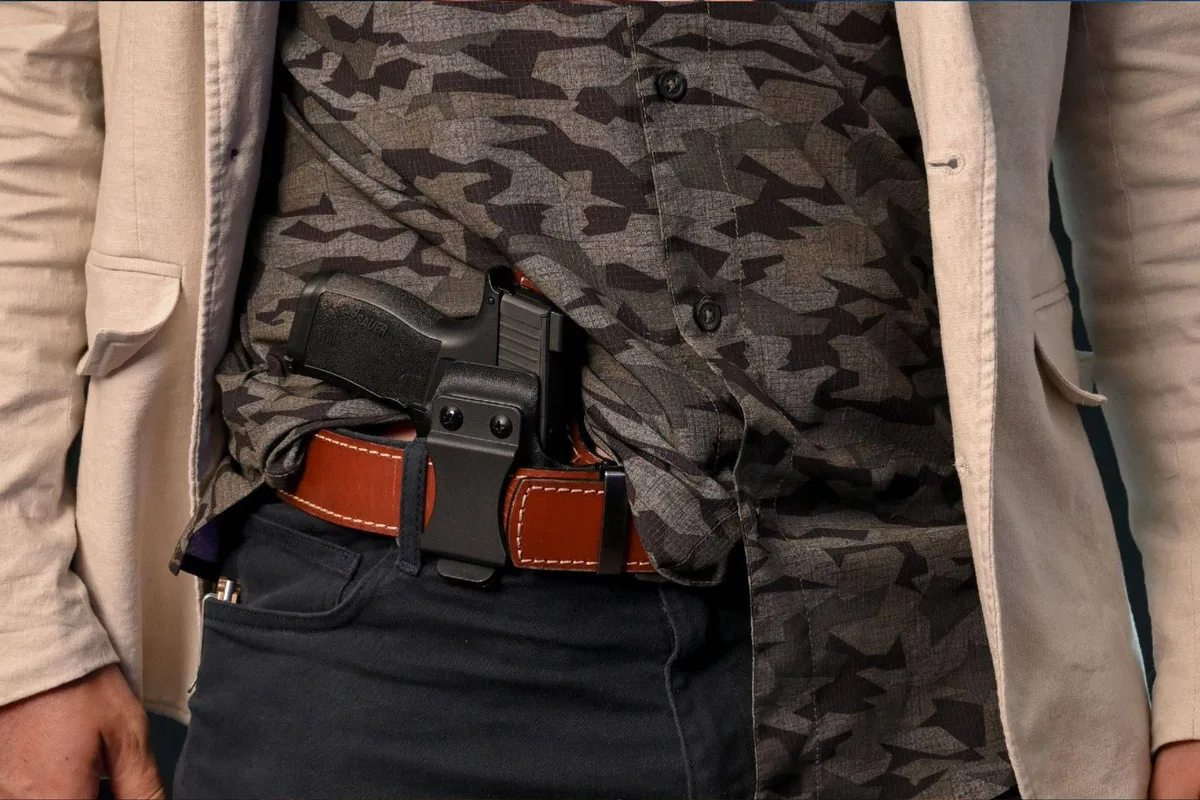
| IWB Holster | Secure, good balance of access and concealment | Can print with tight shirts, requires belt for support | General everyday carry, balancing security and accessibility. |
| Shoulder Holster | Comfortable for larger firearms, good access | Can be visible with jackets off, requires specific attire | Carrying larger handguns, jobs requiring sitting/driving. |
| Ankle Holster | Deep concealment, backup gun option | Very slow draw, limited firearm size | Backup firearms, deep concealment needs where speed isn't paramount. |
When to Choose a Belly Band Over Alternatives
You might lean towards a belly band holster if your top priorities are maximum discretion and comfort, especially if you wear clothing that doesn't easily accommodate a belt. For instance, if you primarily wear athletic shorts, yoga pants, or dresses, a belly band can offer a secure and concealed carry option where a traditional IWB or OWB holster might not be practical. It's also a strong contender for individuals who find rigid holsters uncomfortable during long periods of sitting or driving.
Aggregate user reviews frequently mention the superior comfort for prolonged wear, especially when seated.
Conversely, if your primary concern is the fastest possible draw time or if you carry a larger, heavier handgun that requires more robust retention, other holster types might be a better fit. Rigidity in a holster can contribute to quicker access and a more secure hold on the firearm, which are factors to weigh based on your personal defense needs and training.
Common Belly Band Mistakes to Avoid
Even with a seemingly simple piece of gear like a belly band holster, there are common missteps that can compromise safety and effectiveness. Being aware of these pitfalls helps ensure you're using the system correctly and securely. It's easy to overlook details when you're focused on comfort and concealment.
Safety First: Trigger Guard & Retention Concerns
The most critical aspect of any holster is its ability to safely cover the trigger and prevent accidental discharge. Some belly band designs have minimal trigger guard coverage. If the holster pocket is too loose or doesn't fully enclose the trigger area, the trigger can be exposed to external pressure.
This is a significant safety risk. Always ensure your firearm's trigger is completely protected. Manufacturer documentation for many firearms emphasizes that maintaining a clear and unobstructed trigger guard is paramount for safe carry.
Another safety concern relates to retention. While elastic bands offer good comfort, they may not always provide the same level of positive retention as a rigid holster. If the band is too loose, or if you engage in very dynamic physical activity, the firearm could potentially shift or even fall out.
It's vital to test the retention thoroughly by moving, bending, and even performing light jogging to ensure the gun stays put. It's recommended to test retention by applying firm pressure in multiple directions. If the band stretches out over time, its retention capabilities diminish, making it essential to periodically assess its condition.
Practical Pitfalls in Use
Beyond safety, there are practical errors that can hinder your experience with a belly band. One common mistake is over-tightening the band. While you want it snug, an excessively tight band can be uncomfortable, restrict breathing, and potentially impede blood circulation.
This can also lead to chafing. Conversely, wearing it too loosely sacrifices retention and increases the risk of the firearm shifting or printing. The ideal fit is secure but comfortable, allowing for unhindered movement and breathing.
Another pitfall is failing to practice your draw from the belly band. Because it's worn against the body and under clothing, the draw stroke can be different from drawing from a belt-mounted holster. You need to practice reaching under your clothing, acquiring a firm grip, and drawing smoothly and efficiently.
This practice should include drawing from various positions (standing, seated) to ensure you can access your firearm effectively in different real-world scenarios. Neglecting maintenance, like washing the band to remove sweat and debris, can also degrade the elastic and affect its performance over time.
Frequently Asked Questions About Belly Band Holsters
How long does setup take?
Setting up a belly band holster is usually very quick, often taking less than a minute. You simply wrap the band around your torso to your desired position, secure it with the hook-and-loop fastener, and then insert your firearm into the designated pocket. Adjustments for comfort and positioning can be made in seconds.
Can I carry a full-size handgun in a belly band?
While some heavy-duty belly bands are designed to accommodate larger firearms, they are generally best suited for compact and subcompact pistols. Carrying a full-size handgun can lead to sagging, reduced retention, and increased discomfort due to the weight. It's important to check the manufacturer's specifications for maximum firearm weight and size recommendations.
How do I clean and maintain a belly band holster?
Most belly band holsters can be hand-washed with mild soap and cold water. It's essential to allow them to air dry completely before use to prevent moisture from affecting the firearm and to maintain the integrity of the elastic material. Avoid using harsh detergents or placing them in a washing machine or dryer, as this can degrade the fabric and fasteners.
What kind of clothing works best with a belly band?
A belly band works best with clothing that offers some room or drape, such as t-shirts, untucked button-down shirts, sweaters, or looser-fitting dresses. Very tight, form-fitting clothing might still show the outline of the holster or the firearm, even with a belly band. The key is to have a layer between the holster and the outer garment.
Are belly band holsters safe for concealed carry?
Yes, belly band holsters can be safe for concealed carry, provided they are used correctly and the user prioritizes safety. This means selecting a holster with adequate trigger guard coverage, ensuring proper firearm retention, and practicing safe handling and drawing techniques. Always choose a reputable brand and follow the manufacturer's guidelines for safe operation and maintenance.
Final Thoughts: Is a Belly Band Right for You?
A belly band holster offers a compelling blend of concealment, comfort, and versatility, making it a popular choice for many concealed carriers. Its flexible, body-hugging design allows for discreet carry under a wide array of clothing, appealing particularly to those who find traditional holsters uncomfortable or impractical for their wardrobe. When choosing, prioritize models with robust trigger guard coverage and ensure your firearm fits snugly for reliable retention.
Ultimately, the decision to use a belly band depends on your individual needs and priorities. If maximum discretion and comfort are paramount, and you carry a compact or subcompact firearm, it's an excellent option to consider. However, if rapid draw speed or secure retention for a larger handgun is your main concern, you might find other holster types better suited.
As of 2026, advancements in materials and design continue to improve their performance, but understanding their inherent characteristics remains key to making an informed choice for your personal defense system.


One Comment on “What Is a Belly Band Holster?”