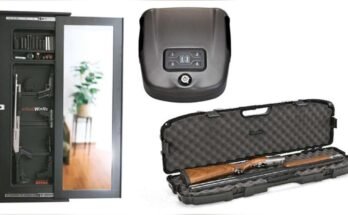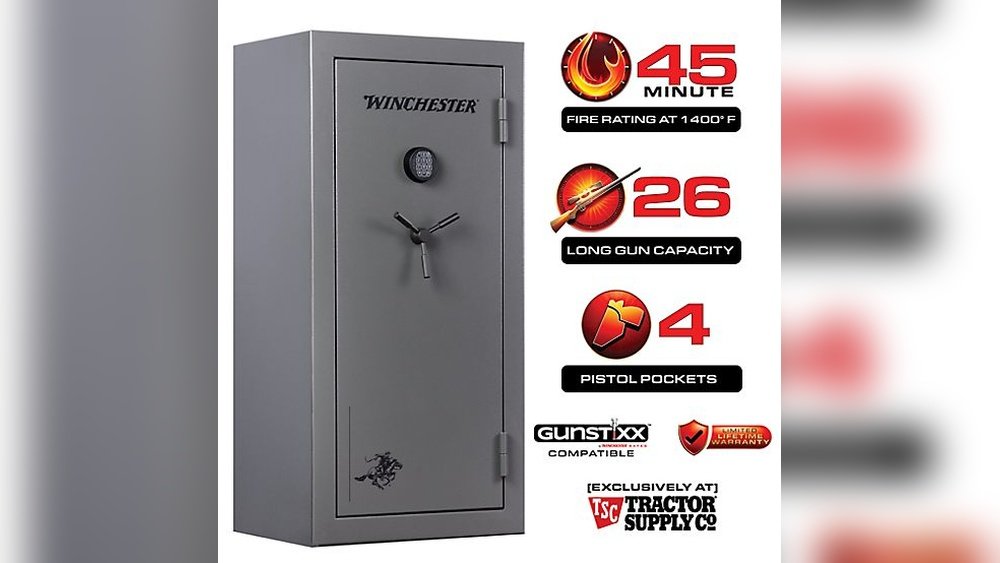
Keeping your rifle safe lock in top shape is crucial for protecting your firearms and ensuring your peace of mind. If your lock isn’t working properly, it could put your valuable rifles at risk.
You might think maintaining a rifle safe lock is complicated, but it doesn’t have to be. You’ll discover simple, effective steps to keep your lock secure and functioning smoothly. By the time you finish reading, you’ll have the confidence to care for your rifle safe lock like a pro—and keep your firearms protected for years to come.
Types Of Rifle Safe Locks
Rifle safes come with different types of locks to protect your firearms. Choosing the right lock helps keep your rifles secure and easy to access. Each lock type has its benefits and maintenance needs. Understanding these types helps you take better care of your safe’s locking system.
Mechanical Locks
Mechanical locks use a dial or key to open the safe. They do not need batteries or electricity. These locks are simple and reliable. Regular cleaning and lubrication keep them working smoothly. Avoid forcing the dial to prevent damage.
Electronic Locks
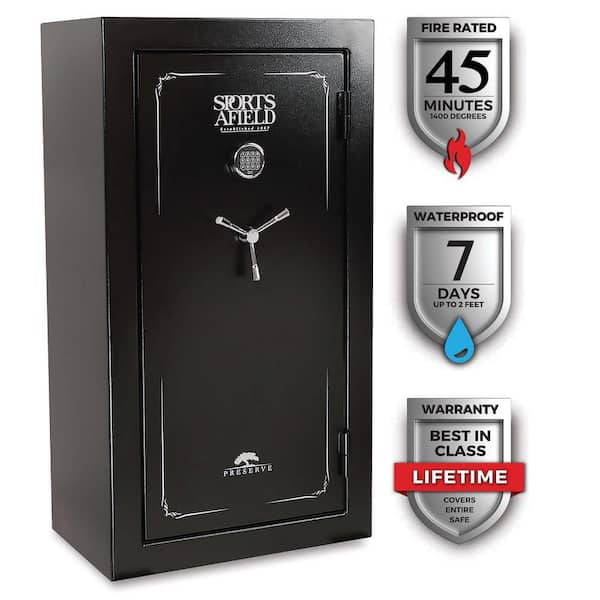
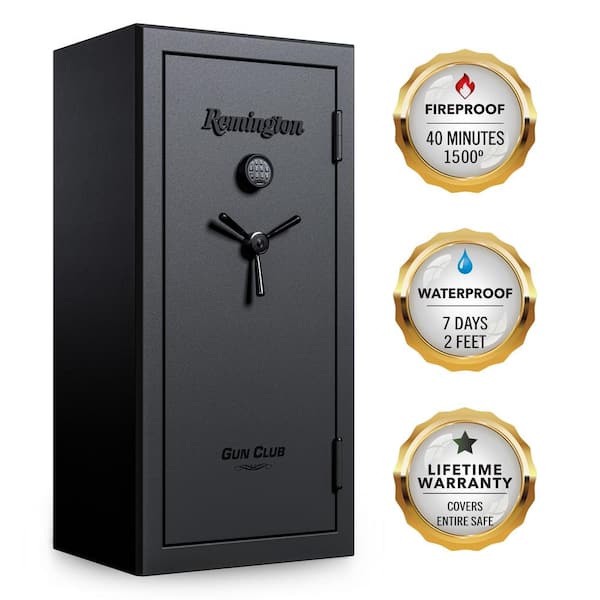
Electronic locks use a keypad to enter a code. They offer quick access and can store multiple codes. Change the code regularly to keep it secure. Replace batteries once they run low to avoid lockouts. Keep the keypad clean and dry.
Biometric Locks
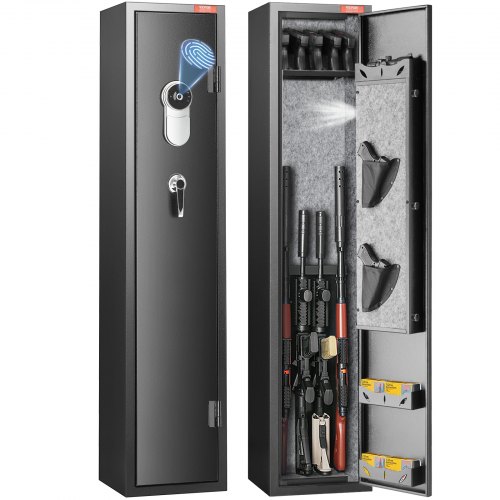
Biometric locks use fingerprints to open the safe. They are fast and very secure. Keep the sensor clean and free of dirt. Register multiple fingerprints for easy access. Replace batteries on time to maintain performance.
Common Lock Issues
Rifle safe locks protect your firearms from unauthorized access. They need regular care to work properly. Some common lock issues can stop your safe from opening or closing smoothly. Knowing these problems helps you keep the lock in good shape. This section covers three main issues: jamming and sticking, battery problems, and wear and tear.
Jamming And Sticking
Locks can jam or stick due to dirt, dust, or rust. Small particles block the lock’s mechanism. This makes turning the key or entering a code hard. Regular cleaning with a soft brush helps remove debris. Use a lubricant made for locks to keep parts moving smoothly. Avoid using oil that can attract more dust.
Battery Problems
Electronic locks need batteries to work. Weak or dead batteries cause the lock to fail. Some locks beep or flash to warn low power. Replace batteries every six months to avoid surprises. Use fresh, high-quality batteries for better performance. Keep spare batteries nearby for emergencies.
Wear And Tear
Frequent use causes parts to wear out over time. Mechanical parts can become loose or break. Check screws and bolts regularly to keep them tight. Look for cracks or damage on the lock body. Replace worn parts quickly to prevent bigger problems. Proper care extends the life of your rifle safe lock.
Routine Cleaning Tips
Keeping your rifle safe lock clean is key for smooth and secure operation. Dirt, dust, and grime can build up and cause the lock to jam or fail. Regular cleaning helps avoid these problems and extends the lock’s life.
Routine cleaning does not take much time or effort. A few simple steps and the right tools can keep the lock working well. This section shows you how to clean your rifle safe lock safely and correctly.
Tools And Materials Needed
- Soft cloth or microfiber towel
- Small brush (like a toothbrush)
- Compressed air canister
- Lubricant made for locks (graphite or silicone-based)
- Mild soap and water
- Q-tips or cotton swabs
Step-by-step Cleaning Process
- Open the safe and remove the lock if possible.
- Use compressed air to blow out dust inside the lock.
- Dip the brush in soapy water and gently scrub the lock surface.
- Wipe the lock dry with a soft cloth immediately.
- Use Q-tips to clean tight spots and keyholes carefully.
- Apply a small amount of lock lubricant inside the keyhole.
- Work the key in and out a few times to spread lubricant.
- Reinstall the lock and test it for smooth operation.
Lubrication Best Practices
Lubrication is key to keeping your rifle safe lock working smoothly. Proper lubrication stops rust and prevents wear. It also helps the lock open and close without sticking. Without regular care, the lock can become stiff or break over time.
Following best practices for lubrication will extend the life of your lock. Applying the right lubricant in the right amount keeps the mechanism clean and protected. Too much or too little can cause problems. Learn how to choose and apply lubricant correctly below.
Choosing The Right Lubricant
Pick a lubricant made for locks or fine mechanisms. Avoid thick greases that can gum up inside the lock. Light oils or silicone-based lubricants work best. They protect metal parts without attracting dirt or dust. Stay away from WD-40 as a long-term lubricant. It cleans but does not protect well.
How Often To Lubricate
Lubricate your rifle safe lock every 3 to 6 months. If you live in a humid or dusty place, do it more often. Also, add lubricant after cleaning the lock or exposure to rain. Regular checks help catch any stiffness early. This keeps the lock reliable and easy to use.
Battery Maintenance For Electronic Locks
Battery maintenance is a key part of keeping an electronic rifle safe lock working well. The lock relies on batteries to operate smoothly. Dead or weak batteries can cause delays or prevent the lock from opening. Regular checks and timely battery replacement keep your safe secure and ready to use.
Ignoring battery care risks lock failure. It can leave your rifle unprotected or trapped inside the safe. Simple battery maintenance avoids these problems and extends the lock’s life.
Replacing Batteries Safely
Always use the correct battery type recommended by the manufacturer. Remove old batteries carefully to avoid damage or corrosion. Wipe the battery contacts with a dry cloth before inserting new batteries. Insert batteries in the right direction, matching the positive and negative ends.
Replace batteries one at a time to keep the lock powered during the process. Avoid mixing old and new batteries. Dispose of old batteries properly at a recycling center. This protects the environment and prevents leaks.
Battery Life Expectations
Batteries in electronic locks usually last between 6 to 12 months. Usage frequency, temperature, and battery brand affect battery life. Low battery warnings often appear on the lock’s display or through an alert sound.
Check battery status monthly to avoid surprises. Replace batteries before they fully drain. Fresh batteries help maintain quick and reliable lock operation. Proper battery care ensures your rifle safe lock stays dependable.
Security Enhancements
Security enhancements help protect your rifle safe from theft or unauthorized access. Adding stronger locks or extra locking mechanisms makes it harder for intruders. These upgrades improve safety without much effort. Small changes can make a big difference in protection.
Upgrading Lock Systems
Replace old locks with modern, high-quality ones. Electronic locks offer better control and quick access. Mechanical locks are reliable but may wear out over time. Choose locks with strong materials and anti-pick features. Regularly test the lock to ensure it works smoothly. A solid lock reduces risks and boosts confidence.
Adding Backup Locks
Backup locks add another layer of security. Use secondary locks like cable locks or padlocks. Install backup locks on the safe door or hinges. This makes it harder for thieves to open the safe quickly. Backup locks act as a deterrent and delay intruders. They provide extra peace of mind for your valuables.
Troubleshooting Lock Problems
Troubleshooting lock problems is an important part of maintaining a rifle safe. Locks can sometimes fail due to dirt, weather, or simple wear. Knowing basic fixes helps keep your safe secure and ready to use. This section covers easy steps to solve common lock issues quickly.
Resetting Electronic Locks
Electronic locks can stop working due to low batteries or software glitches. Start by replacing the batteries with fresh ones. Make sure to use the right type for your lock. Next, check the lock’s manual for reset instructions. Usually, pressing a reset button or entering a master code works. If the lock stays unresponsive, try removing batteries for a few minutes. Then, insert them again and test the lock. This often clears minor errors and restores function.
Dealing With Frozen Locks
Frozen locks happen in cold weather or high humidity. Ice or moisture inside the lock can block the mechanism. Use a hairdryer on low heat to warm the lock gently. Avoid using open flames or hot objects to prevent damage. Another option is spraying a small amount of lock lubricant or graphite powder. These help melt ice and repel moisture. After thawing, operate the lock several times to spread lubricant evenly. Regular lubrication can prevent freezing problems in the future.
Professional Maintenance Services
Professional maintenance services help keep your rifle safe lock working smoothly. Experts have the right tools and skills to fix problems quickly. They can also perform regular checks to stop issues before they start. This service saves time and ensures your rifle stays secure.
Hiring a professional can prevent damage from improper handling. They clean, lubricate, and repair locks with care. Regular visits from a locksmith keep your safe lock reliable and long-lasting.
When To Call A Locksmith
Call a locksmith if your lock jams or won’t open. Strange noises or stiffness are signs to get help. If you lose your key or forget your combination, a locksmith can assist. Don’t try to force the lock open. This may cause more damage.
Cost Considerations
Cost depends on the type of lock and repair needed. Simple services like cleaning cost less than full replacements. Travel fees may apply if the locksmith comes to your home. Investing in maintenance saves money by avoiding major repairs. Always ask for a price estimate before work begins.
Frequently Asked Questions
How Often Should I Clean My Rifle Safe Lock?
Clean your rifle safe lock every 3 to 6 months. Use a soft cloth and mild lubricant. Regular cleaning prevents rust and keeps the lock working smoothly.
What Lubricant Is Best For Rifle Safe Locks?
Use a silicone-based or graphite lubricant. These prevent dust buildup and avoid attracting dirt. Avoid oil-based lubricants, as they can gum up the lock mechanism.
How Do I Prevent Rust On My Rifle Safe Lock?
Apply a thin layer of anti-rust lubricant regularly. Keep the lock dry and avoid exposure to moisture. Store the safe in a low-humidity area to prevent rust.
Can I Fix A Jammed Rifle Safe Lock Myself?
Yes, try cleaning and lubricating the lock first. If it remains jammed, consult a professional locksmith. Avoid forcing the lock to prevent damage.
Conclusion
Maintaining a rifle safe lock keeps your firearms secure and working well. Clean the lock regularly to avoid dirt and dust build-up. Use a lubricant designed for locks to keep parts moving smoothly. Test the lock often to catch any problems early.
A well-maintained lock protects your guns and gives peace of mind. Small efforts make a big difference in safety and durability. Keep your rifle safe lock in good shape for long-lasting security. Simple care steps help avoid costly repairs later.
Stay safe, stay prepared.