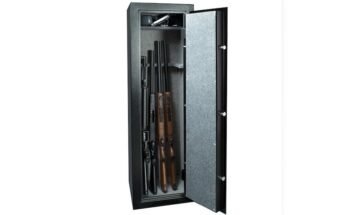
Have you ever wondered what keeps your most valuable spaces safe, even when one security measure fails? A redundant lock system might be the answer you need.
It’s designed to give you extra protection by using multiple locks working together. This means if one lock is compromised, another is still guarding your door. Understanding how this system works can help you feel more secure and make smarter choices for your home or business.
Keep reading to discover how a redundant lock system can strengthen your security and give you peace of mind.
Redundant Lock System Basics
A redundant lock system adds extra security to doors and gates. It uses more than one lock to protect an entry point. This system helps avoid lock failure that might let intruders in. It is common in places needing strong safety measures. Understanding the basics of a redundant lock system helps in choosing the right security option.
The system is designed to keep doors locked even if one lock breaks or is tampered with. It increases safety by having a backup lock ready to work. This setup is useful in homes, offices, and secure buildings.
Core Components
A redundant lock system has several key parts. The main parts are two or more locks installed on the same door. These locks can be mechanical or electronic.
Each lock works independently but secures the door together. Common types include deadbolts, padlocks, and keypad locks. Some systems use a combination of these for better protection.
The door and frame must be strong enough to hold multiple locks. High-quality materials improve the system’s effectiveness. Good installation is also important to avoid weak points.
How It Works
The system works by requiring all locks to be unlocked before opening the door. If one lock fails or is broken, the other locks still secure the door. This stops easy access by intruders.
Users need to unlock each lock separately. This may take more time but greatly improves safety. Some systems link electronic locks to alert owners if one lock is tampered with.
Redundant lock systems give peace of mind. They ensure doors stay locked even if one lock fails.
Types Of Redundant Locks
Redundant lock systems provide extra safety by using more than one locking method. These systems help keep doors secure even if one lock fails. Different types of redundant locks serve various security needs. Understanding these types helps choose the right system for a specific purpose.
Mechanical Redundancy
Mechanical redundancy uses two or more physical locks on the same door. For example, a deadbolt combined with a latch lock. If one lock breaks or is picked, the other still protects the door. This type is simple and does not need electricity. It works well in places without power access.
Electronic Redundancy
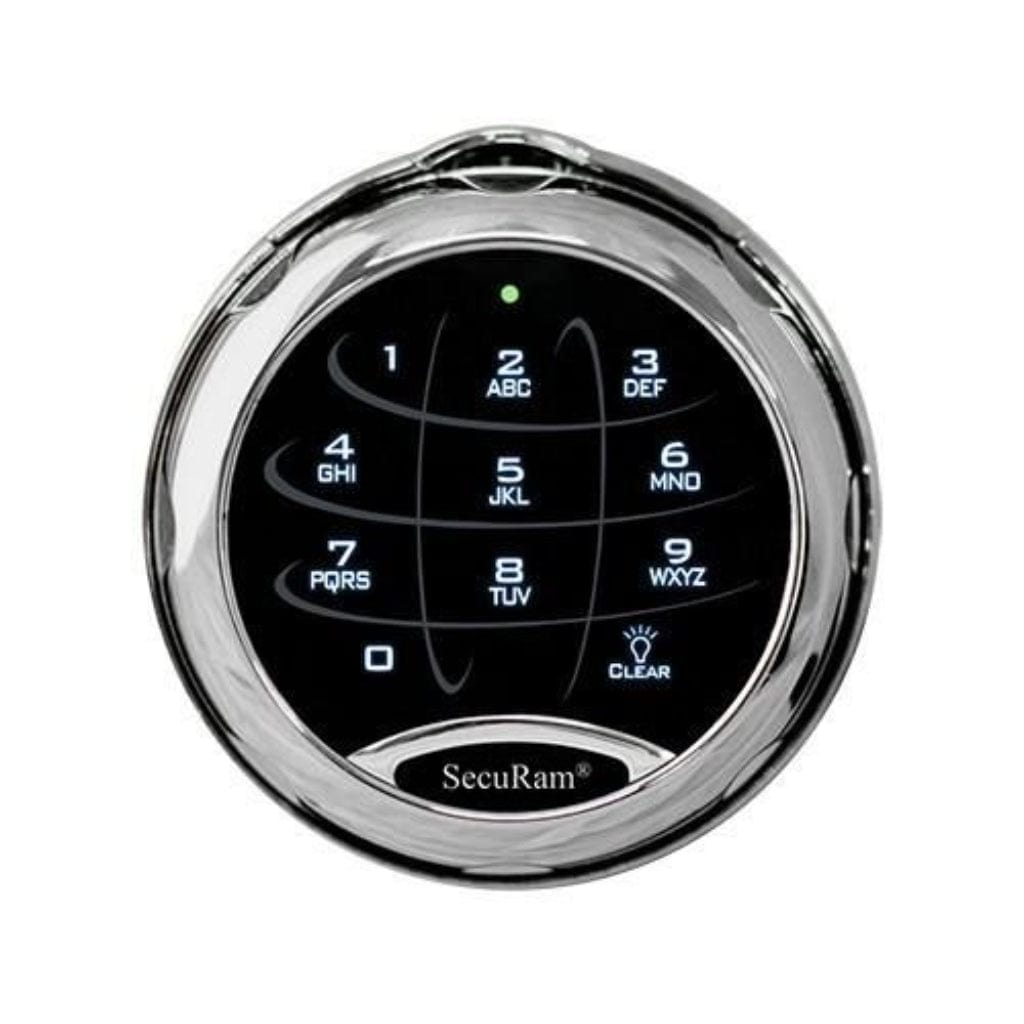
Electronic redundancy involves multiple electronic locks or access controls. Keypads, card readers, or biometric scanners often work together. If one electronic lock fails, another can still secure the entry. These systems can alert users about lock problems. They suit modern buildings and high-security areas.
Hybrid Systems
Hybrid systems mix mechanical and electronic locks. They combine physical locks with electronic access tools. This blend offers strong protection and backup options. Even if the electronic part fails, mechanical locks remain active. Hybrid systems fit places needing both convenience and high security.
Benefits Of Redundant Lock Systems
Redundant lock systems offer many benefits for security and safety. These systems use multiple locking mechanisms to protect a space. They reduce the chance of failure and increase access options. This makes them ideal for homes, offices, and secure areas.
Enhanced Security
Redundant lock systems provide stronger protection against break-ins. Multiple locks mean a thief must bypass more than one barrier. This extra effort discourages most intruders. It also lowers the risk of unauthorized access. These systems help keep valuables and people safe.
System Reliability
These systems continue working even if one lock fails. Mechanical or electronic issues with one lock do not cause total failure. The backup lock still secures the door or gate. This reduces the chance of accidental lockouts. It ensures the security system stays active at all times.
Emergency Access
Redundant locks allow safe entry during emergencies. If one lock is jammed or damaged, the other can open. This feature helps rescue teams reach people quickly. It also helps users exit safely if one lock fails. Emergency access is vital for safety in urgent situations.
Common Applications
Redundant lock systems provide extra security by using two or more locks on the same door. This setup ensures that if one lock fails, the other still protects the entry. These systems are useful in many places where safety matters most.
Residential Use
Homeowners use redundant locks to keep their families safe. Front doors often have a deadbolt plus a standard lock. This reduces the risk of break-ins. Some people add extra locks on windows or patio doors. It gives peace of mind during the night and when away.
Commercial Buildings
Businesses use redundant locks on main entrances and sensitive areas. Offices, stores, and banks protect valuable items and information. Multiple locks slow down intruders and alert staff. Redundant locks also help manage access for employees and visitors. This system enhances overall building security.
Industrial Facilities
Factories and warehouses secure heavy machinery and storage rooms with redundant locks. These locks prevent unauthorized access to dangerous or expensive equipment. They also protect materials and inventory from theft. Industrial sites often require strict safety measures. Redundant lock systems fit this need well.
Installation Considerations
Installing a redundant lock system requires careful thought. This ensures security and smooth operation. Several factors affect the installation process. These include system type, location, and user needs. Proper planning helps avoid problems later. The right setup guarantees long-term safety and convenience.
Choosing The Right System
Select a system that fits your security needs. Consider the level of protection and lock type. Check compatibility with your doors and frames. Think about ease of use and emergency access. Choose a system with reliable parts and good reviews. This reduces the chance of failure and costly repairs.
Professional Vs Diy
Decide between hiring a professional or doing it yourself. Professionals have experience and tools for safe installation. They ensure the system works correctly and meets standards. DIY can save money but may risk errors. Mistakes can reduce security or damage doors. Know your skills before starting a DIY project.
Maintenance Tips
Keep your redundant lock system in good shape with regular checks. Clean locks and keyholes to prevent dirt buildup. Lubricate moving parts to avoid stiffness and wear. Test both locks often to ensure they function well. Replace worn parts quickly to maintain security. Routine care extends the life of your system.

Cost Factors
Cost factors play a big role in choosing a redundant lock system. Understanding these costs helps in making a smart decision. This section breaks down the main cost parts. It shows both the upfront and long-term financial effects.
Initial Investment
Buying a redundant lock system needs more money at first. These systems have extra parts for safety. The price includes locks, installation, and setup. Skilled labor may cost more than simple locks. Quality and brand also affect the initial price.
Long-term Savings
Redundant lock systems save money over time. They reduce repair costs by preventing lock failures. Extra security lowers the risk of theft or damage. Less maintenance means fewer expenses. These savings add up year after year.
Value Comparison
Compare costs of redundant locks with standard locks. The higher initial cost may seem large. But the long-term savings often make up for it. Consider safety benefits as part of the value. The right system protects property and cuts future costs.
Future Trends In Lock Security
Lock security is evolving fast to meet new challenges. Traditional locks are not enough for modern needs. Future trends focus on smarter, safer systems. These trends aim to keep homes and businesses more secure. They use new technology to add layers of protection. Let’s explore key developments shaping lock security.
Smart Lock Integration
Smart locks connect to your phone or home system. You can lock or unlock doors remotely. Some allow temporary access to guests or workers. They send alerts if someone tries to break in. Integration with other devices improves overall security. These locks are easy to install and use. They offer convenience without losing safety.
Biometric Enhancements
Biometric locks use fingerprints, eyes, or faces to open doors. This method is more secure than keys or codes. It reduces the risk of lost or copied keys. Some systems combine biometrics with traditional locks. They provide quick and accurate access control. Biometric technology is becoming faster and more affordable.
Ai And Automation
Artificial intelligence helps locks learn normal usage patterns. It can detect unusual activity and alert owners immediately. Automated locks can adjust security based on time or threat level. AI improves lock response and decision-making. This technology adds smart defense against break-ins. AI and automation make locks more adaptive and reliable.

Frequently Asked Questions
What Is A Redundant Lock System?
A redundant lock system uses multiple locks to enhance security. It ensures access even if one lock fails. This system increases reliability in critical areas by providing backup locking mechanisms for safety.
How Does A Redundant Lock System Improve Security?
It improves security by requiring multiple independent locks to be unlocked. This layered approach reduces unauthorized access risks. It also ensures continuous protection if one lock is compromised or malfunctions.
Where Are Redundant Lock Systems Commonly Used?
These systems are common in high-security facilities like data centers, banks, and government buildings. They protect sensitive areas requiring strict access control and minimize failure risks in critical environments.
What Are The Key Benefits Of Redundant Lock Systems?
Key benefits include increased security, reliability, and fail-safe access. They provide backup locking to prevent lockout and enhance protection against tampering or lock failure.
Conclusion
A redundant lock system keeps your property safe by adding extra security layers. It uses two locks, so if one fails, the other still works. This setup helps prevent break-ins and gives peace of mind. Easy to install and use, it suits homes and offices alike.
Choosing a reliable lock system means better protection for your valuables. Think of it as a simple step for stronger safety. Stay secure with a system that does not rely on just one lock. Safety matters.