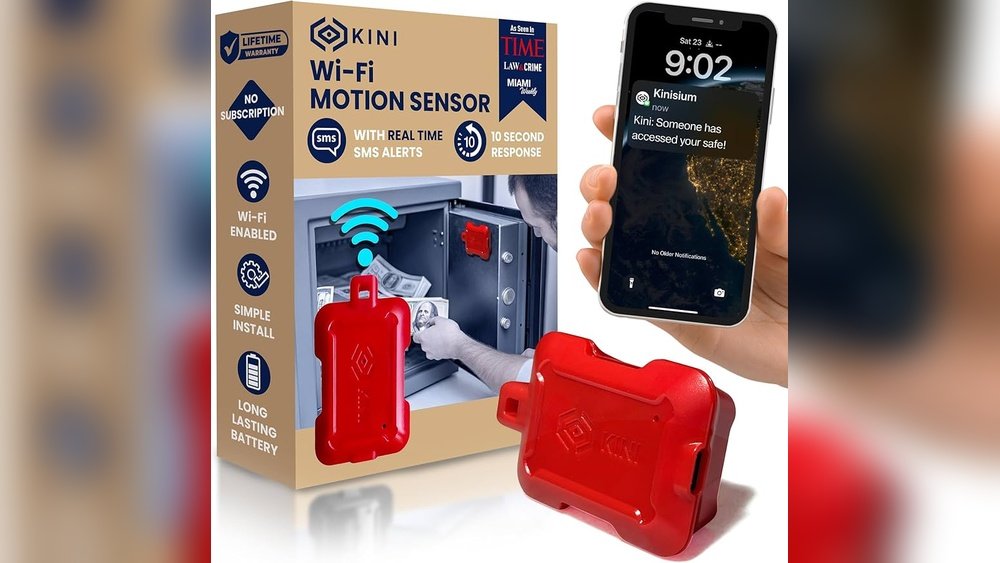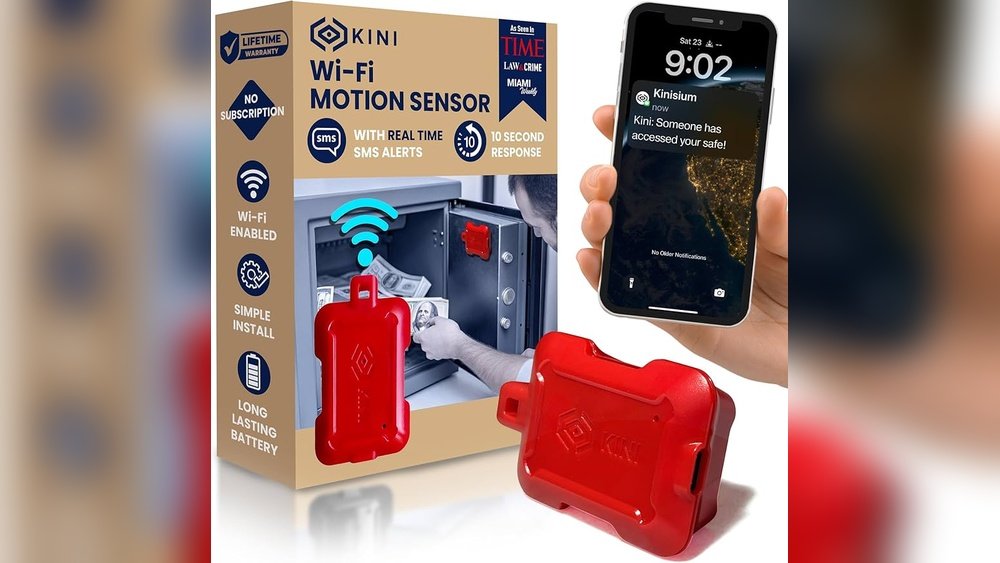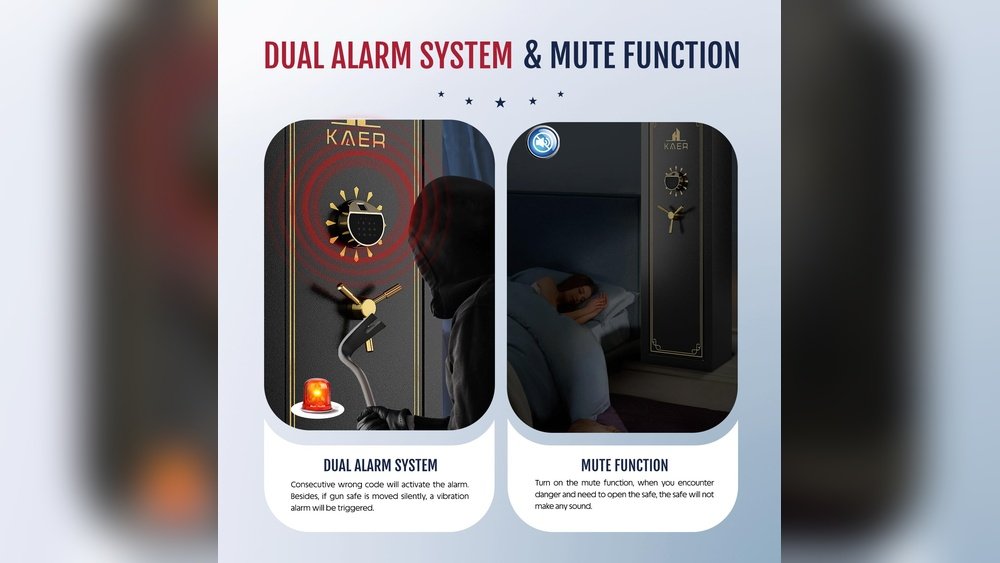
Have you ever wondered how vibration sensors protect your rifle safe from unwanted access? If you want to keep your firearms secure, understanding how these sensors work is key.
Vibration sensors are designed to detect even the slightest shake or impact, alerting you before anyone can tamper with your safe. You’ll discover exactly how these sensors function and why they are an essential part of your firearm security. Keep reading to learn how to make your rifle safe smarter and more secure.
Basics Of Vibration Sensors
Vibration sensors play a key role in securing rifle safes. They detect small shakes or movements that may signal tampering. Understanding how these sensors work helps in choosing the right safe.
These sensors act as an early warning system. They alert owners if someone tries to move or break into the safe. Let’s explore the basics of vibration sensors and their functions.
Types Of Vibration Sensors
There are mainly two types of vibration sensors used in rifle safes: piezoelectric and accelerometer sensors. Piezoelectric sensors generate electric signals when they sense vibrations. Accelerometer sensors measure changes in speed and direction.
Each type offers different sensitivity levels. Piezoelectric sensors work well for detecting sharp impacts. Accelerometers can sense subtle and continuous movements.
Core Components
Vibration sensors have a few key parts. A sensing element detects motion. A circuit processes the signal from the sensor. Finally, the system triggers an alert if vibrations pass a set limit.
The sensing element varies by sensor type. Piezoelectric crystals are common in some sensors. Accelerometers contain tiny mechanical parts that shift with movement.
How They Detect Movement
The sensor picks up vibrations caused by external forces. These forces might come from bumps or attempts to move the safe. The sensor converts these movements into electrical signals.
The circuit reads the signals and compares them to a threshold. If the vibration is strong enough, an alarm activates. This quick reaction helps prevent unauthorized access.
Integration With Rifle Safes
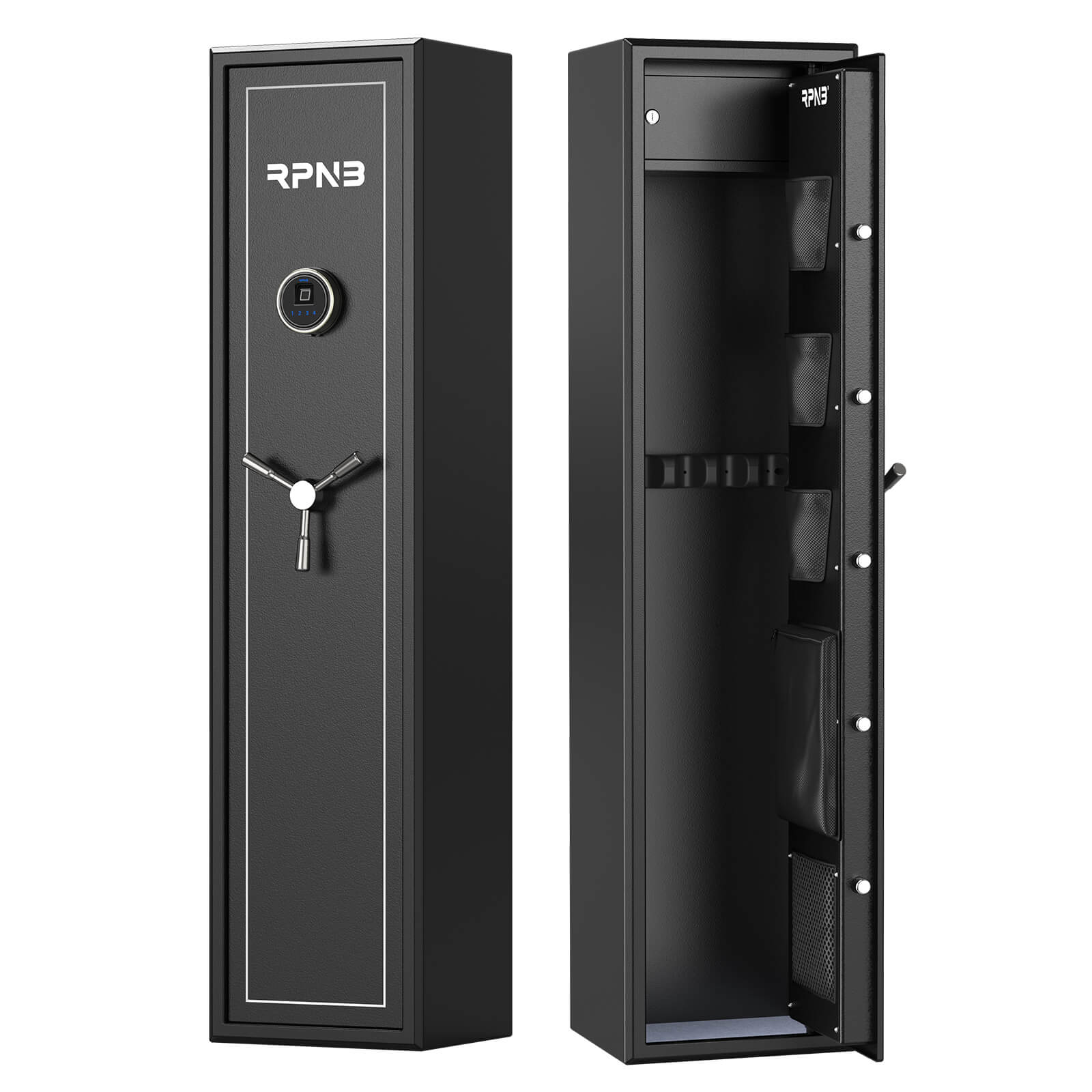
Vibration sensors add an extra layer of security to rifle safes. These sensors detect any unusual movement or shaking. They work by sensing vibrations and triggering alerts. Integration with rifle safes ensures quick response to possible tampering or forced entry. This section explores how these sensors fit into safe systems.
Sensor Placement
Proper sensor placement is key for effective detection. Sensors usually attach inside the safe door or walls. They must touch the surface firmly to sense even slight vibrations. Placing sensors near hinges or locking bolts improves security. Avoid areas with constant movement to reduce false alarms.
Connection To Alarm Systems
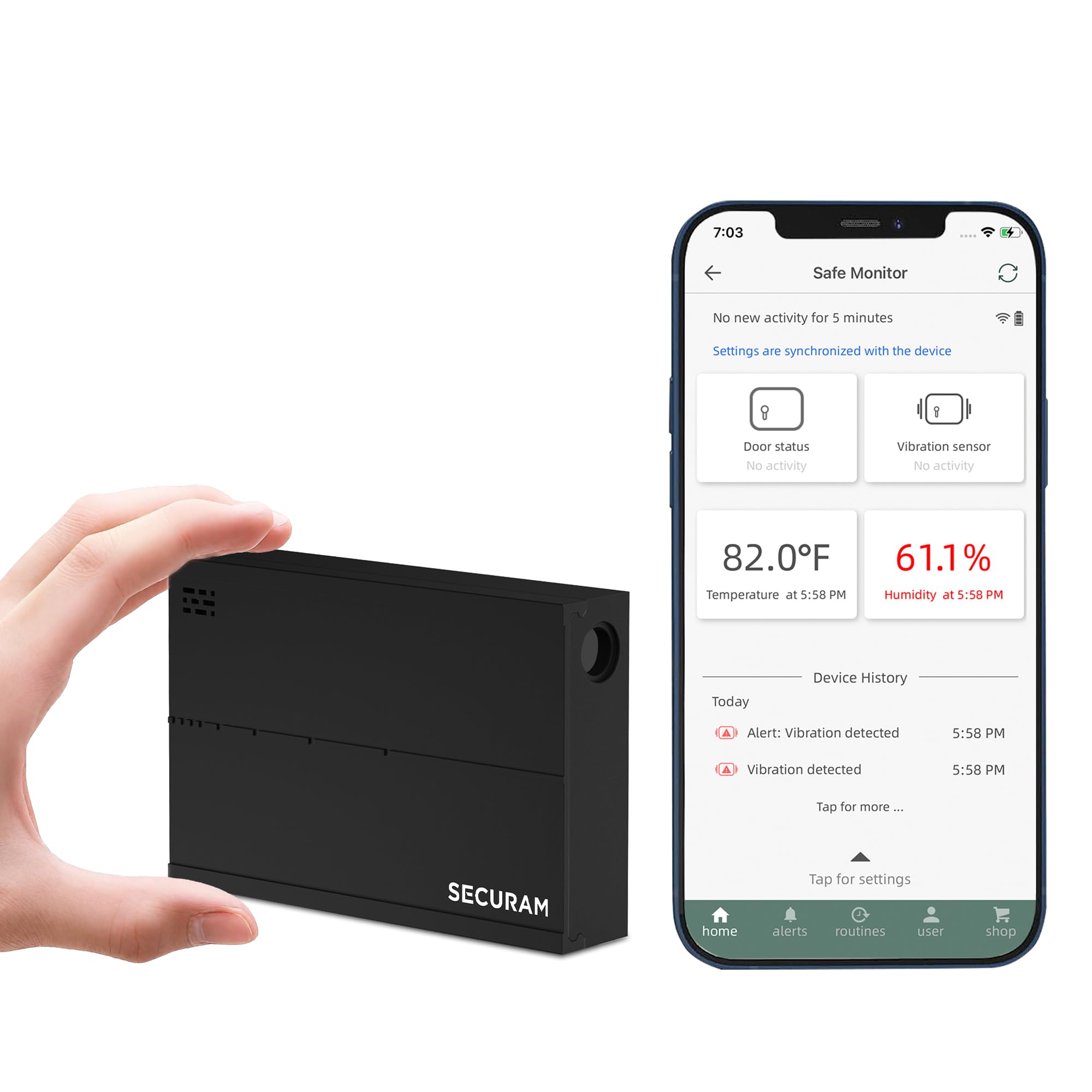
Vibration sensors connect directly to the safe’s alarm system. When vibrations exceed a set level, the alarm triggers immediately. Some safes send alerts to smartphones or security services. Wired or wireless connections link sensors and alarms. Wireless options offer easier installation without cables.
Power Sources And Battery Life
Most vibration sensors run on batteries inside the safe. Battery life depends on sensor type and usage frequency. Efficient sensors can last months or even years on one battery. Some safes include low-battery warnings to prevent downtime. Rechargeable battery options exist but need regular charging.
Triggering Mechanisms
Triggering mechanisms in vibration sensors are vital for rifle safe security. These mechanisms detect movements or shocks to alert owners of possible tampering. They work by sensing changes in vibration patterns. This helps protect your firearms from unauthorized access.
Sensitivity Settings
Sensitivity settings control how much vibration triggers the sensor. Higher sensitivity means even small shakes can set off an alarm. Lower sensitivity ignores minor movements like nearby footsteps. Adjusting sensitivity helps balance security and avoiding false alarms.
Response To Different Vibrations
Vibration sensors react differently to various types of movements. Strong hits or jolts cause immediate alarms. Gentle vibrations may cause a delayed or no response. The sensor’s design allows it to distinguish between normal and suspicious activity.
Avoiding False Alarms
False alarms can be annoying and reduce trust in your safe’s security. Proper sensitivity adjustment helps prevent these. Some sensors use algorithms to filter out non-threatening vibrations. This reduces unwanted alerts and improves reliability.

Installation Tips
Installing vibration sensors on rifle safes needs care. Proper installation ensures the sensor works well and protects your safe. Follow simple steps to choose, mount, and test your sensor. This guide helps you do it right.
Choosing The Right Sensor
Select a sensor that fits your safe type. Look for sensors with sensitivity settings. Avoid sensors that trigger false alarms easily. Pick one with clear installation instructions. Quality sensors last longer and respond faster.
Mounting Techniques
Place the sensor on a solid, flat surface inside the safe. Avoid spots near hinges or locks to reduce false alarms. Use strong adhesive or screws to fix the sensor. Ensure the sensor stays stable and does not move.
Testing And Calibration
After installation, test the sensor’s response. Tap the safe lightly and check if the alarm sounds. Adjust the sensitivity to avoid false alerts. Repeat tests until the sensor triggers correctly. Regular checks keep your safe secure.
Benefits Of Using Vibration Sensors
Vibration sensors add a smart layer of protection to rifle safes. They detect any shaking or movement instantly. This helps keep your firearms safer from unauthorized access or theft. These sensors offer several important benefits that improve your safe’s security system.
Enhanced Security
Vibration sensors increase the security of your rifle safe. They sense even small movements that could mean tampering. This stops thieves before they can open the safe. The sensor acts like an early warning system. It makes your safe harder to break into.
Deterrence Against Theft
The presence of vibration sensors deters thieves from trying to steal guns. Knowing the safe will alert on any movement makes thieves think twice. They avoid safes with these sensors because the risk is higher. This helps protect your firearms without any extra effort.
Real-time Alerts
Vibration sensors send alerts immediately when movement is detected. You get notified on your phone or security system fast. This lets you act quickly to protect your safe and its contents. Real-time alerts reduce the chance of theft or damage. You stay informed no matter where you are.
Common Challenges
Vibration sensors on rifle safes help detect motion and alert owners. They improve security but face some common challenges. These challenges affect how well the sensors work and last over time.
Interference Issues
Vibration sensors can pick up signals from other devices. Nearby electronics or heavy machinery cause false alarms. This makes it hard to trust alerts. Proper placement and shielding help reduce interference.
Sensor Durability
Rifle safes often sit in tough environments. Sensors must handle shocks, dust, and moisture. Some sensors wear out quickly under rough conditions. Choosing durable sensors increases safety and reduces replacements.
Maintenance Requirements
Sensors need regular checks to stay effective. Dust and dirt can block sensor parts. Batteries require timely changes to avoid failures. Simple upkeep keeps vibration sensors working well.
Future Trends
Vibration sensors on rifle safes are evolving quickly. New technologies will make these sensors smarter and more reliable. They will better protect your firearms by detecting even the smallest movements. Future trends promise safer and easier-to-use security solutions.
Smart Technology Integration
Sensors will connect with smart home systems. They will send alerts to your phone instantly. Artificial intelligence could learn normal safe activity. This helps reduce false alarms. Your safe will become a part of your smart home network.
Improved Sensitivity
Sensors will detect very slight vibrations more accurately. This means better protection against tampering. They will ignore normal background noise like wind or traffic. Increased sensitivity helps catch real threats faster. Your firearms will stay safer than ever.
Wireless Connectivity
Wireless sensors remove the need for complicated wiring. Installation will be simpler and cleaner. Sensors will communicate wirelessly with control panels and phones. This improves flexibility in sensor placement. You can monitor your safe from anywhere with internet access.
Frequently Asked Questions
What Triggers Vibration Sensors In Rifle Safes?
Vibration sensors detect movement or shaking of the safe. When disturbed, they send an alert or trigger an alarm to notify the owner about potential unauthorized access attempts.
How Do Vibration Sensors Improve Rifle Safe Security?
They provide an extra layer of protection by detecting tampering or forced entry attempts. This early warning helps prevent theft and ensures quicker response to break-in efforts.
Are Vibration Sensors Sensitive To False Alarms?
Most vibration sensors have adjustable sensitivity settings. This helps reduce false alarms caused by minor vibrations like nearby traffic or heavy footsteps, ensuring only genuine threats trigger alerts.
Can Vibration Sensors Work Without Power Supply?
No, vibration sensors require power, usually from batteries or the safe’s electrical system. Without power, they cannot detect vibrations or send alerts effectively.
Conclusion
Vibration sensors keep rifle safes secure by sensing movement. They detect even small shakes or bumps quickly. This helps stop unauthorized access before damage occurs. These sensors work with alarms or notifications to alert owners fast. Choosing a safe with vibration sensors adds an extra layer of safety.
It gives peace of mind knowing your firearms stay protected. Understanding how these sensors function helps pick the right safe. Safe storage matters, and vibration sensors play a key role. Simple technology, strong protection.