When it comes to protecting your firearms, choosing the right safe is crucial. You’ve probably seen terms like “fireproof” and “fire-resistant” thrown around, but do you really know what sets them apart?
Understanding the difference can make a big impact on how well your guns are protected in an emergency. You’ll discover exactly what these terms mean and which option is best for your needs. Stay with me, because the safety of your valuable firearms depends on getting this right.
Fireproof Gun Safes
Fireproof gun safes protect your firearms from extreme heat and flames. They offer a strong barrier that stops fire from damaging the contents inside. These safes give peace of mind during a fire emergency.
Not all safes are equal. Fireproof safes use special materials and designs to resist heat better than regular safes. Understanding how they work helps you choose the right safe for your needs.
Materials Used
Fireproof gun safes use heavy steel combined with fire-resistant insulation. The insulation often includes concrete or special fireproof boards. These materials slow heat transfer and keep the inside cool.
Some safes also have intumescent seals. These seals expand when heated, blocking smoke and flames from entering. This extra layer protects your guns and valuables.
Heat Resistance Levels
Fireproof safes can withstand very high temperatures. Common resistance levels range from 1200°F to 1850°F. These safes keep internal temperatures below 350°F, which is safe for firearms and ammo.
The exact heat resistance depends on the safe’s construction and insulation thickness. Higher resistance means better protection during longer fires.
Typical Fire Ratings
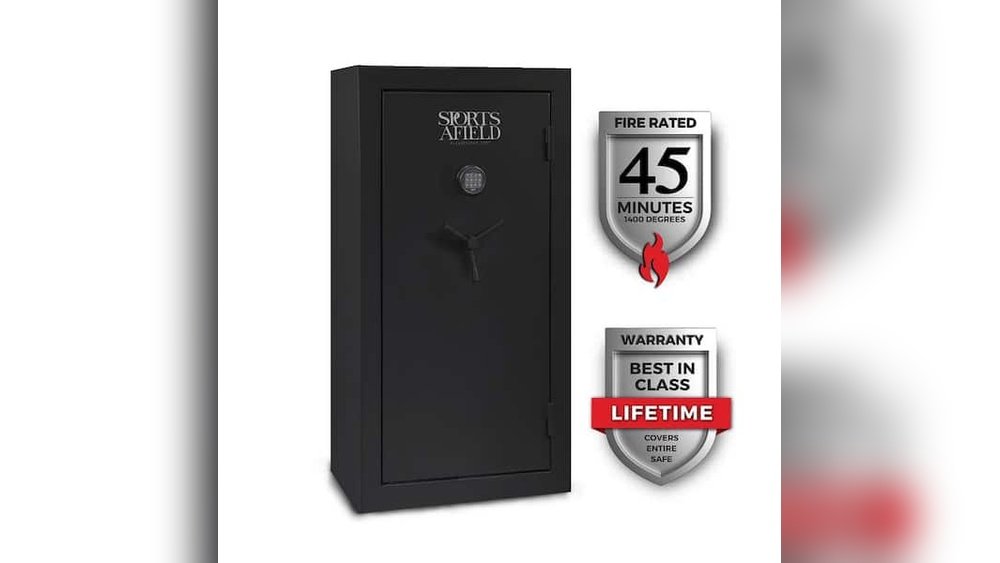
Fire ratings indicate how long a safe can protect against fire. Most fireproof gun safes have ratings like 30 minutes, 60 minutes, or 120 minutes. These times show how long the safe keeps contents safe at high heat.
Ratings are tested by independent labs using standard fire tests. Always check the safe’s rating before buying. A higher rating means more time to save your firearms in a fire.
Fire-resistant Gun Safes
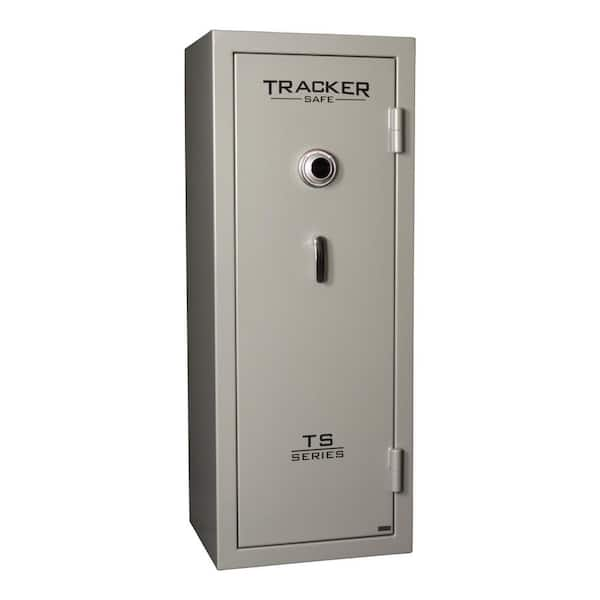
Fire-resistant gun safes protect your firearms from heat and flames. They are designed to slow down fire damage. These safes give you time to retrieve your guns safely or reduce loss in a fire.
They use special materials and designs to resist high temperatures. Let’s explore what makes fire-resistant gun safes different.
Construction Features
Fire-resistant safes use thick steel walls and insulated layers. These layers block heat from reaching inside quickly. Materials like gypsum or ceramic fiber help absorb heat. Doors have tight seals to prevent smoke and hot air entry. The build focuses on keeping internal temperature low for a set time.
Temperature Thresholds
These safes can usually resist temperatures up to 1,200°F (649°C). The internal temperature stays below 350°F (177°C) inside. This is important because gunpowder and wood parts can burn above this. Fire-resistant safes keep your guns safe for 30 minutes to 2 hours depending on the model.
Common Certifications
Look for certifications from UL (Underwriters Laboratories) or ETL. UL 72 is a common fire resistance standard. It tests how long safes keep heat inside under fire. Another certification is from Intertek, which also tests fire resistance. Certified safes give you trust in their fire protection claims.
Key Differences
Understanding the key differences between fireproof and fire-resistant gun safes helps you choose the right protection. Both safes guard your valuables from fire, but they work differently. Knowing their strengths and limits is important for safety.
Performance In Fire Scenarios
Fireproof safes can survive extreme heat for longer times. They keep inside temperatures low to protect guns and documents. Fire-resistant safes offer some protection but for shorter periods. They slow down heat but may fail in very hot fires.
Cost Comparison
Fireproof safes cost more due to better materials and testing. Fire-resistant safes are usually cheaper but less durable. The price difference reflects how much heat each safe can handle. Choose based on your budget and safety needs.
Longevity And Maintenance
Fireproof safes last longer with proper care. Their strong build resists damage over years. Fire-resistant safes might need repairs or replacement sooner. Regular checks keep both safe types working well. Proper maintenance improves safety and lifespan.

Choosing The Right Safe
Choosing the right gun safe is important for protecting your firearms from fire and theft. The decision depends on your specific needs and what kind of protection you require. Consider several factors to find a safe that fits your lifestyle and budget.
Assessing Your Needs
Think about the number of guns you own and their sizes. Some safes offer more space than others. Consider if you want protection mainly against fire, theft, or both. Fireproof safes focus on heat resistance. Fire-resistant safes provide some fire protection but may prioritize security features. Decide what matters most to you.
Budget Considerations
Gun safes vary widely in price. Fireproof safes usually cost more than fire-resistant ones. Set a budget that balances your needs and finances. Spending a bit more can mean better protection. Look for safes that offer the best value within your price range. Avoid very cheap options that may not be reliable.
Additional Security Features
Check for locks that are easy to use but secure. Electronic keypads and biometric locks offer convenience. Solid steel construction adds strength against break-ins. Some safes include interior lighting and adjustable shelves. These features improve usability and protection. Choose extras that suit your daily use and safety concerns.
Testing And Standards
Testing and standards are key to understanding fireproof and fire-resistant gun safes. These tests show how well safes protect guns and important items from fire. Standards help buyers choose the right safe for their needs. They ensure the safe performs as claimed during a fire.
Industry Testing Methods
Fire safes face tough heat and smoke tests. Experts place safes in ovens that reach high temperatures. The safe stays inside for a set time, often one hour or more. After the test, they check if the inside stayed cool enough. They also test if the safe keeps out smoke and heat. These tests measure the safe’s fire protection level.
Certification Bodies
Several groups test and certify gun safes. Underwriters Laboratories (UL) is one well-known group. They create rules for fire and security tests. Another group is Intertek, which also tests safes for fire resistance. These groups give certificates only if safes pass strict tests. Certificates show the safe meets certain safety standards.
What Ratings Mean For Users
Fire ratings tell how long a safe can resist fire. A “1-hour” rating means the safe protects contents for one hour. Higher ratings mean longer protection times. Some safes also show temperature limits inside. Lower temperatures mean better protection for guns and papers. Users should pick safes with ratings that fit their needs.
Frequently Asked Questions
What Does Fireproof Mean For Gun Safes?
Fireproof gun safes can withstand very high temperatures for a specific time. They protect contents from fire damage completely. These safes use advanced insulation materials to block heat and flames effectively.
How Is Fire-resistant Different From Fireproof Safes?
Fire-resistant safes resist fire damage but may not fully protect at extreme heat. Fireproof safes offer stronger protection by withstanding higher temperatures longer. Fire-resistant safes often have lower fire ratings than fireproof models.
How Long Do Fireproof Gun Safes Last In Fire?
Fireproof safes are tested to endure fire from 30 minutes up to 2 hours. The rating depends on the model and certification standards. After this time, the safe maintains internal temperature to protect firearms and documents.
Are Fireproof Safes More Expensive Than Fire-resistant?
Yes, fireproof safes generally cost more due to stronger materials and testing. The higher price reflects better fire protection and durability. Choosing depends on your budget and level of fire risk protection needed.
Conclusion
Fireproof safes protect guns from intense heat and flames. Fire-resistant safes can handle lower temperatures for shorter times. Both types add safety to your firearm storage. Choose based on your budget and protection needs. Remember, no safe is completely fireproof forever.
Regular checks keep your safe working well. Protect your valuables wisely and stay prepared.