Are you wondering, “What size rifle safe do I need?” Choosing the right safe is more important than you might think. It’s not just about fitting your rifles inside—it’s about keeping your firearms secure, organized, and ready when you need them.
Picking the wrong size can lead to wasted space or, worse, not enough room for your growing collection. In this guide, you’ll discover exactly how to find a safe that matches your needs perfectly. By the end, you’ll feel confident making a choice that protects your investment and peace of mind.
Keep reading to find the perfect fit for your rifles.
Assessing Your Firearm Collection
Knowing the right size rifle safe starts with a clear look at your firearm collection. You need space for each rifle and all its parts. Planning helps avoid buying a safe that is too small or too big. Let’s break down how to check your collection carefully.
Counting Your Rifles And Accessories
First, count every rifle you own. Include hunting rifles, target rifles, and any others. Don’t forget to count accessories like scopes, extra magazines, and cleaning kits. Each item needs a spot inside the safe. Add a little extra room for padding and easy access.
Considering Future Additions
Think about adding more rifles in the future. Maybe you plan to buy a new model or inherit firearms. Your safe should have space for these future guns. Planning ahead saves money and hassle later. Buy a safe that grows with your collection.
Measuring Rifle Dimensions
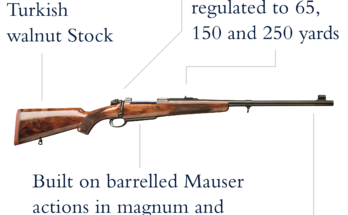
Measuring your rifle’s dimensions is the first step in choosing the right safe size. Knowing the exact length and width helps avoid buying a safe too small or too large. Precise measurements keep your rifles secure and fit comfortably inside the safe.
Length And Width Factors
Start by measuring the rifle from the tip of the barrel to the end of the stock. This gives the full length. Measure the widest part of the rifle to get the width. Add a few extra inches to both length and width for easy placement and removal. This extra space also allows room for padding or other gear alongside the rifle.
Accounting For Scoped Rifles
Scoped rifles need special attention. Measure the scope’s length and width separately. Add these to the rifle’s measurements. Scopes add bulk and change the overall size. Make sure the safe has enough room for the full length and height of the rifle with the scope attached.
Types Of Rifle Safes
Choosing the right rifle safe depends on the type you need. Rifle safes come in different sizes and styles. Each type serves a specific purpose. Knowing the types helps you pick the best safe for your collection.
Compact Safes For Small Collections
Compact safes suit small collections or single rifles. They save space and fit in tight areas. These safes often hold 1 to 3 rifles. Some models include shelves for ammo or accessories. Compact safes offer good protection without taking up much room.
Large Safes For Multiple Firearms
Large safes store many rifles and other guns. They can hold 10 or more firearms easily. These safes provide extra space for ammo and valuables. Large safes often come with adjustable shelves and racks. They offer strong security for serious collectors.
Space For Ammunition And Gear
Space for ammunition and gear is crucial when choosing a rifle safe. It is not just about storing guns safely. You need room for bullets, scopes, cleaning kits, and other accessories. Proper space helps keep everything organized and easy to find. A cramped safe can cause frustration and slow down your preparation. Think about the types and amounts of gear you own. This will guide you to the right safe size.
Storage Options Inside Safes
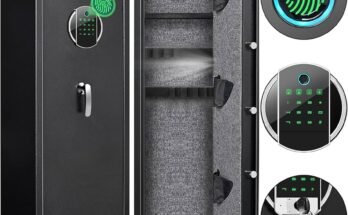
Safes offer different storage features. Some have shelves to hold boxes of ammo. Others include door racks for small items like cleaning supplies. Foam inserts protect guns and keep them from moving. Modular shelves allow rearranging the space. Choose a safe with flexible options to fit your gear. Good storage reduces clutter and protects items from damage.
Organizing Accessories Efficiently
Use containers or bins to separate ammo types. Label everything clearly for quick access. Keep cleaning kits in a small box to avoid mess. Place frequently used items near the top or front. Avoid stacking gear too tightly; it can cause damage. Efficient organization saves time and keeps your safe tidy. Plan the layout based on your daily needs.
Safe Location And Room Size
Choosing the right rifle safe size depends a lot on where you plan to put it. Safe location and room size play a big role in this decision. You want to be sure the safe fits well without crowding the space.
Think about the space where the safe will stay. Measure the room carefully. This helps you avoid buying a safe too big or too small for the area.
Fitting The Safe In Your Home
Start by measuring the spot where the safe will go. Remember to check doorways and hallways too. The safe must move easily through these areas during delivery.
Consider the safe’s height, width, and depth. Leave some room around it for air and access. This keeps the safe from feeling cramped and hard to use.
Considering Accessibility And Security
Place the safe in a spot that is easy to reach but not obvious. Avoid open areas or places visible from windows. A hidden corner or closet can be ideal.
Check the floor strength. Heavy safes need solid floors to avoid damage. Also, think about fixing the safe to the wall or floor for extra security.
Weight And Material Considerations
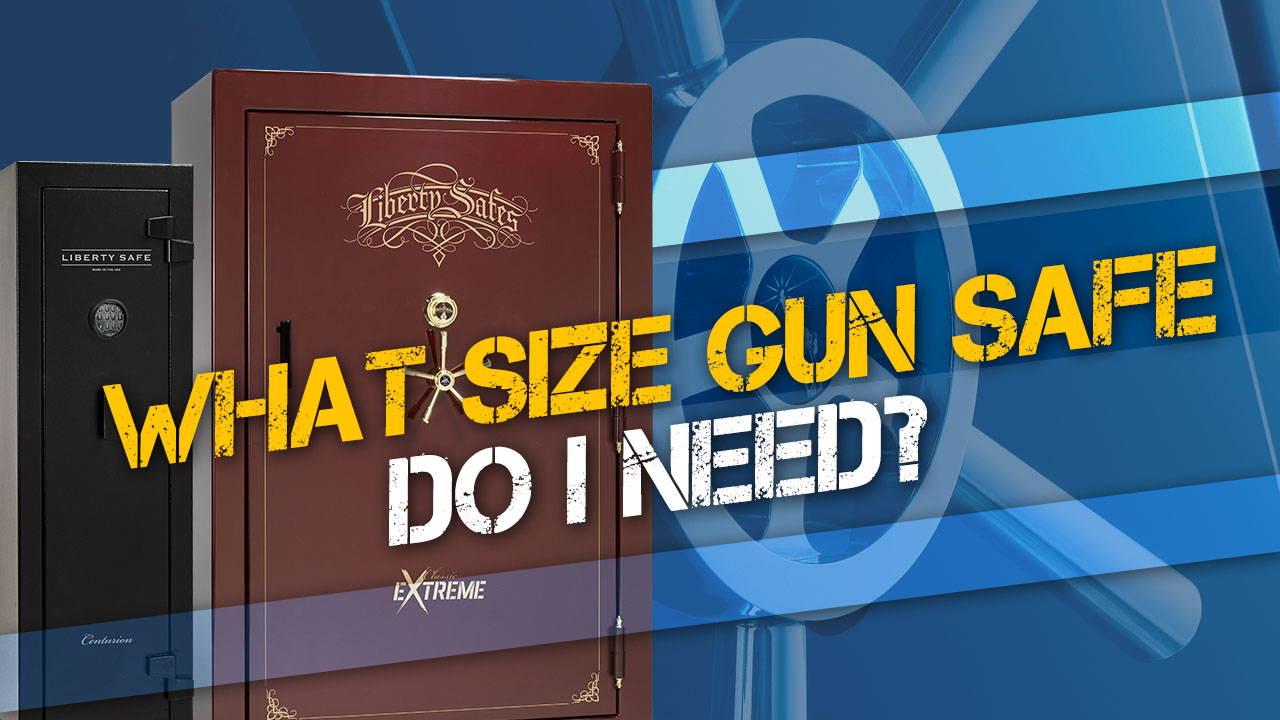
Choosing the right rifle safe involves thinking about its weight and materials. These factors affect security, durability, and how easy it is to move the safe. Understanding these details helps pick the best safe for your needs.
Balancing Security And Portability
Heavier safes often offer better protection. They are hard to carry away during a break-in. But very heavy safes can be hard to move inside your home. Consider where you will place the safe. Make sure you can access it easily. Portability matters if you move homes or rearrange rooms often.
Durability Of Safe Materials
Steel is the most common material for rifle safes. It resists force and prying tools well. Thicker steel means stronger protection. Some safes include fire-resistant materials. These protect guns from heat and smoke damage. Check the quality of locks and hinges too. Strong materials keep your firearms safe over time.
Budgeting For The Right Safe
Choosing the right rifle safe means balancing size, security, and cost. Budgeting helps you find a safe that fits your needs without overspending. It ensures you get value for your money and protect your firearms well. Understanding cost factors and long-term benefits helps make a smart choice.
Cost Vs. Features
Prices for rifle safes vary widely based on size and features. Basic models are cheaper but may lack strong locks or fire resistance. Larger safes with advanced security cost more but offer better protection. Think about which features matter most. Spending a little more can mean better safety and peace of mind.
Extra features like biometric locks or fireproof lining add to the price. Consider if these features match your needs. Avoid paying for extras you won’t use. A safe with solid construction and good locking mechanisms is a smart start.
Long-term Investment Value
A quality rifle safe is a long-term investment. It protects your firearms from theft, fire, and damage. Cheaper safes might wear out or fail over time. Investing in a durable safe saves money on replacements later. It also keeps your firearms in good condition.
Think about how many guns you will store in the future. Buying a slightly larger safe can avoid extra costs later. A safe that lasts many years offers better value. Your safety and peace of mind are worth the cost.
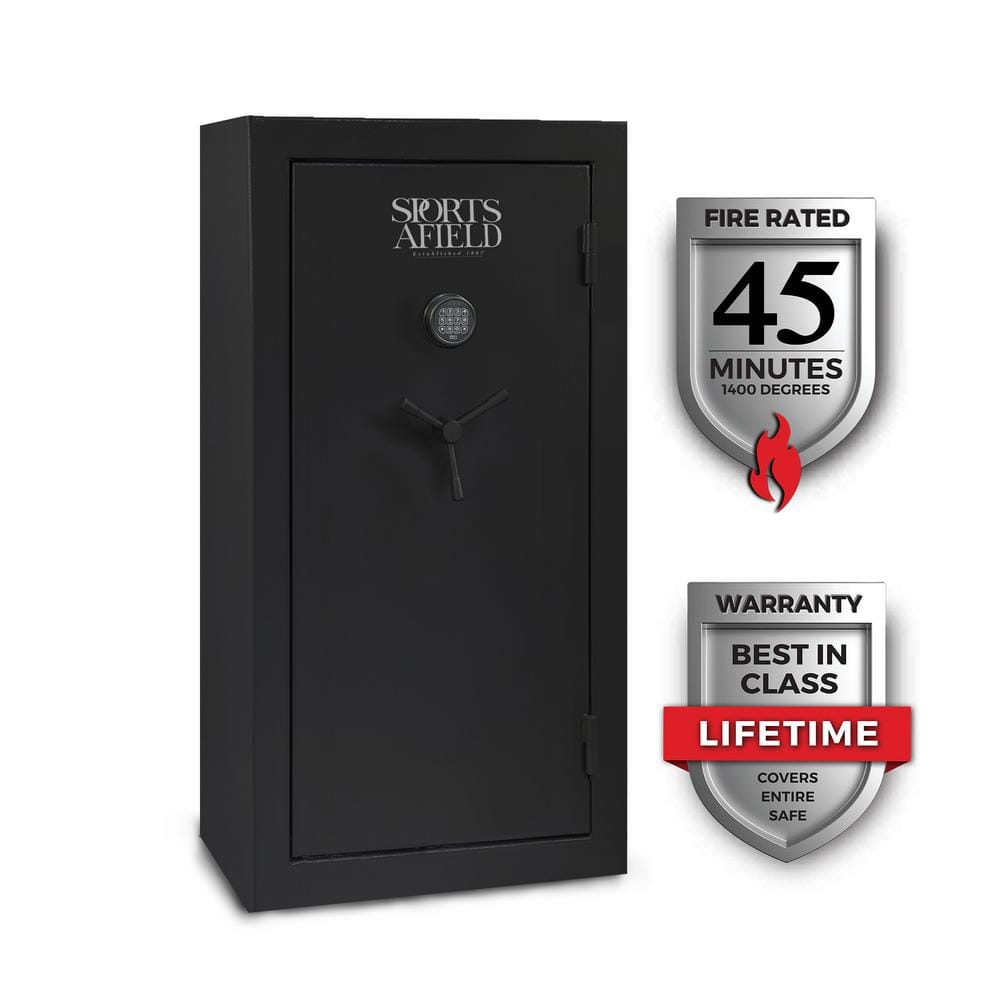
Tips For Choosing The Perfect Fit
Choosing the right size rifle safe is important. It protects your firearms and keeps them organized. Many factors affect this choice. These tips help you find the perfect fit for your needs.
Prioritizing Capacity And Security
Think about how many rifles you own now. Consider space for future purchases too. Leave room for other valuables like ammo or documents. A safe that fits only current guns may feel tight later. Choose a model that balances size and strength. Heavy steel and quality locks offer better protection.
Consulting Experts And Reviews
Ask professionals for advice on safe sizes. Gun shop staff and locksmiths often share useful tips. Read online reviews to hear from real users. They talk about space, durability, and ease of use. Learning from others’ experiences reduces mistakes. It helps find a safe that matches your lifestyle.
Frequently Asked Questions
How Do I Measure My Rifles For A Safe?
Measure the full length of each rifle, including the stock and barrel. Add extra space for padding and accessories. This helps determine the minimum safe size needed to store your rifles securely.
What Capacity Should My Rifle Safe Have?
Choose a safe that fits your current rifle collection plus future additions. Consider extra room for ammunition and other valuables. A safe with adjustable shelving offers flexibility for growth.
Are Tall Or Wide Rifle Safes Better?
Tall safes maximize vertical space for long rifles. Wide safes provide horizontal space for multiple firearms side-by-side. Choose based on your storage needs and available room space.
How Important Is Fire Protection In Rifle Safes?
Fire protection safeguards your firearms and documents from damage. Look for safes with UL fire ratings to ensure reliability. Fire-resistant safes add an essential layer of security.
Conclusion
Choosing the right rifle safe size keeps your guns secure and organized. Think about how many rifles you own now and in the future. Include space for ammo and accessories too. A safe that fits well saves space and protects your valuables.
Take time to measure and plan before buying. This way, you get the best fit for your needs. Safety and convenience go hand in hand with the right safe size. Keep your firearms safe, easy to reach, and well stored.