When it comes to keeping your firearms safe, you want more than just a hidden spot—you want real security. But what materials actually make hidden gun safes stronger and more reliable?
Understanding this can help you choose the right safe that protects your guns from theft, damage, or unauthorized access. If you’re serious about your safety and peace of mind, knowing what goes inside the walls of your safe is key.
Keep reading to discover the materials that turn an ordinary safe into an impenetrable fortress for your firearms.
Key Features Of Secure Gun Safes
Choosing the right materials is vital for a hidden gun safe’s security. The best safes combine strong construction with smart features. These features protect guns from theft, damage, and accidents. Understanding these key aspects helps in selecting the safest option for your needs.
Durability And Strength
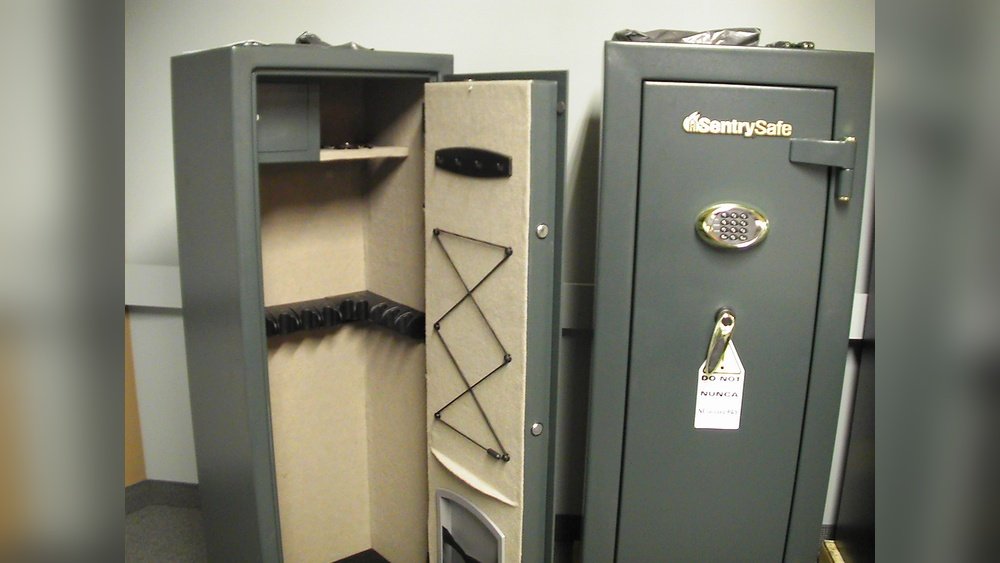
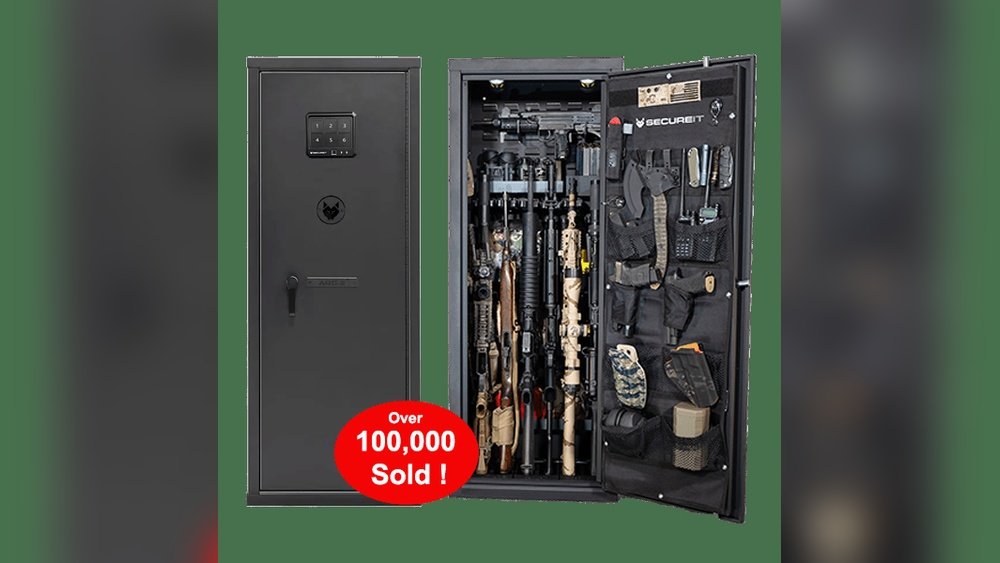
Strong materials like steel make safes hard to break. Thick steel walls resist drilling and cutting tools. Solid construction prevents easy prying or forced entry. Some safes use reinforced concrete or composite layers for extra strength. Durability keeps guns safe from physical attacks and tampering.
Locking Mechanisms
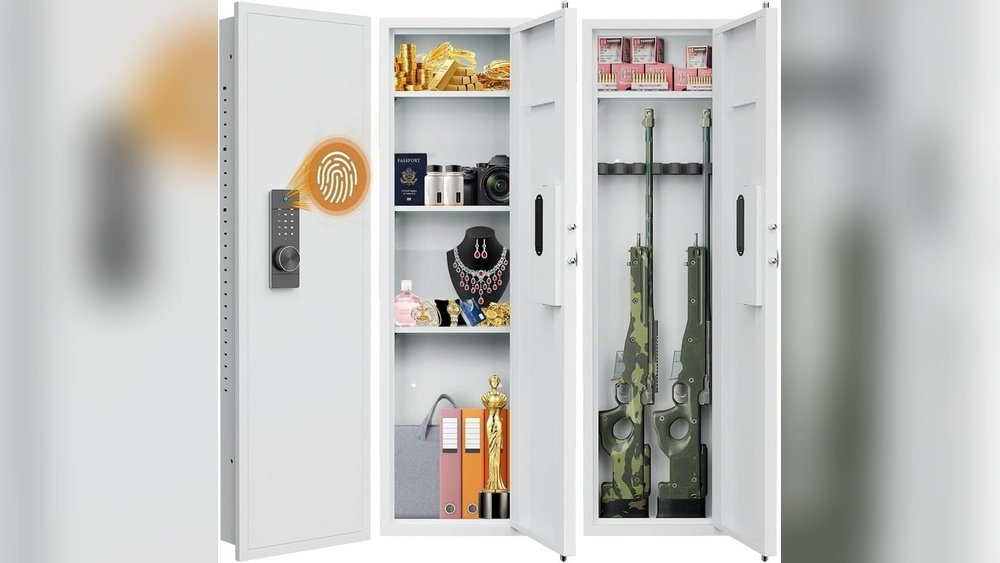
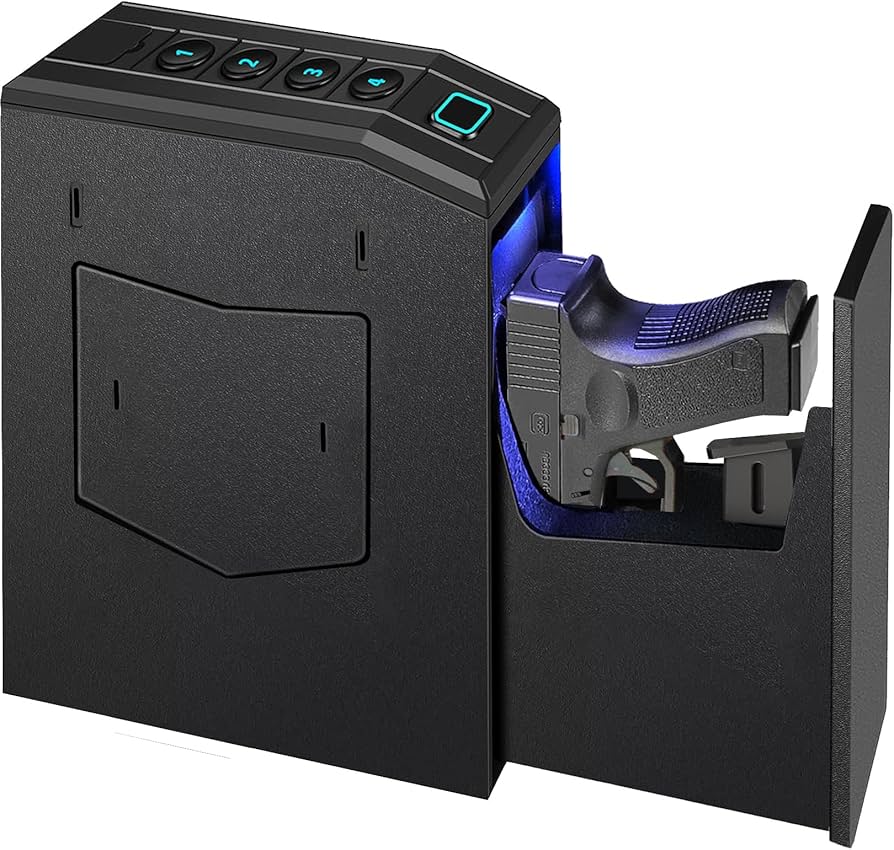
Secure locking systems protect access to the safe’s contents. Electronic locks with PIN codes offer quick access and strong security. Mechanical dial locks are reliable without batteries. Biometric locks use fingerprints for fast, personal entry. Multiple locking bolts increase resistance to forced opening.
Fire And Water Resistance
Fire-resistant materials protect guns from heat damage. Insulated walls slow down heat penetration during fires. Water-resistant safes guard against floods and spills. Seals and special coatings keep moisture out. These features preserve guns and ammunition in emergencies.
Steel Types In Hidden Gun Safes
Steel is a key material for hidden gun safes. It helps keep guns safe and secure from theft or damage. Different types of steel offer various benefits. These affect the safe’s strength, durability, and resistance to break-ins.
Choosing the right steel type can improve the security level of your hidden gun safe. The three main aspects to consider are carbon steel, stainless steel, and steel thickness. Each plays an important role in protecting your firearms.
Carbon Steel Benefits
Carbon steel is strong and hard. It resists drilling and cutting tools well. This steel type often costs less than stainless steel. It offers good protection against forced entry. Carbon steel is also easy to weld and shape. This makes it popular for custom hidden safes.
Stainless Steel Advantages
Stainless steel does not rust or corrode easily. This makes it great for humid or damp places. It keeps the safe looking clean and new over time. Stainless steel safes need less maintenance. They provide strong resistance to physical attacks. This steel type is often chosen for long-term durability.
Steel Thickness Impact
Thicker steel means stronger protection. It takes more time and effort to break through. Thin steel can be bent or cut more easily. Hidden gun safes with thick steel walls offer better safety. Thickness also adds weight, making the safe harder to move. Balance thickness with practicality for the best security.
Composite Materials For Added Security
Composite materials boost the strength of hidden gun safes. These materials mix different substances for better protection. They resist attacks and slow down break-in attempts. Combining materials creates layers that work together to keep guns safe. Each type offers unique benefits to enhance security.
Ballistic Fibers
Ballistic fibers are strong, lightweight threads used in safes. They absorb and spread force from impacts or bullets. These fibers prevent tools from cutting or breaking the safe walls. They add a flexible yet tough shield inside the safe. This material helps protect guns from theft and damage.
Reinforced Concrete Layers
Reinforced concrete adds solid bulk and resistance. Steel bars inside concrete give extra strength and stop cracking. These layers make it very hard to drill or break through. Concrete also resists heat and fire well. This material raises the safe’s defense against physical attacks.
Ceramic Composites
Ceramic composites combine ceramics with other materials for toughness. They resist high temperatures and strong impacts. This layer can stop cutting tools and blunt force damage. Ceramics are light but very hard, adding strong protection. These composites improve the safe’s overall durability and security.
Insulation Materials For Fire Protection
Hidden gun safes must protect guns from fire damage. Fire can ruin guns and make safes useless. Special insulation materials help keep the safe cool inside. These materials block heat and slow fire from reaching the guns. They add an important layer of safety to hidden gun safes.
Mineral Wool
Mineral wool is a strong fire-resistant material. It can withstand very high temperatures without burning. This material traps heat and stops it from passing through the safe walls. Mineral wool also does not release toxic gases when heated. It helps keep guns safe during fires.
Gypsum Board
Gypsum board is a common fireproof material. It contains water inside that slows fire heat. When heated, the water turns to steam and cools the surface. Gypsum board is often used inside safe doors and walls. It improves fire resistance and protects the safe contents.
Intumescent Coatings
Intumescent coatings expand when exposed to heat. This creates a thick, protective layer on the safe’s surface. The layer blocks fire and heat from entering the safe. These coatings are thin but very effective. They add extra fire protection without adding weight.
Locking Systems And Material Integration
Locking systems and material integration play a key role in hidden gun safes’ security. Strong materials combined with smart locks create tough barriers against theft. Each type of lock offers unique benefits and works best with specific materials.
Choosing the right lock and materials ensures your safe is both secure and easy to use. This section explores popular locking systems and their material compatibility.
Biometric Locks
Biometric locks use fingerprints to open the safe. They provide fast access only to authorized users. These locks require strong, durable materials like steel or reinforced alloys. The materials protect the sensitive biometric scanner from damage or tampering.
Combining biometric locks with thick steel walls improves security. The safe becomes hard to break or hack. This makes biometric safes ideal for quick, secure access.
Mechanical Locks
Mechanical locks use keys or combination dials. They do not rely on power or batteries. Heavy-duty metals like hardened steel make mechanical locks harder to pick or force open.
Integrating mechanical locks with thick steel or composite materials improves resistance. These materials prevent drilling or cutting attacks. Mechanical locks offer reliable security without electronic components.
Electronic Lock Components
Electronic locks use keypads or RFID cards for access. They include circuits and wiring inside the safe. Strong materials like steel protect electronic parts from damage and interference.
Safes with electronic locks often combine steel with shock-absorbing materials. This protects delicate components from impact or vibration. Electronic locks provide flexible access options with solid material support.
Camouflage And Concealment Materials
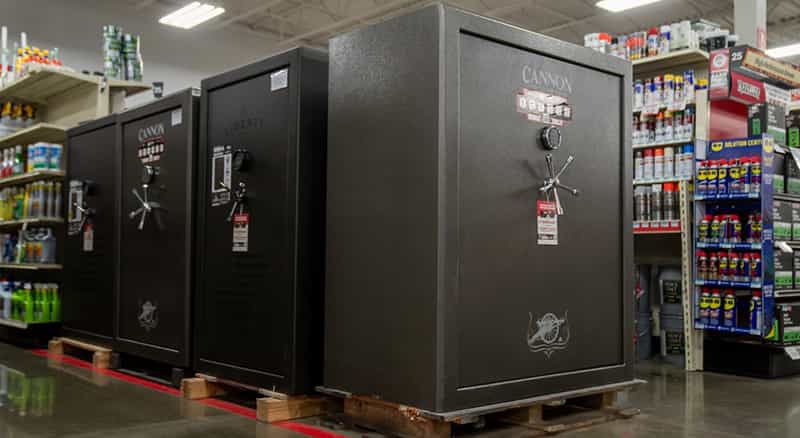
Hidden gun safes rely heavily on camouflage and concealment materials to stay unnoticed. These materials help the safe blend into its surroundings. They make it difficult for others to spot the safe quickly. Choosing the right material increases the security of your hidden safe.
Wood Veneer Finishes
Wood veneer finishes are popular for blending safes with furniture. They mimic the look of real wood perfectly. These finishes help safes look like shelves, drawers, or cabinets. This makes the safe harder to detect in living spaces. High-quality veneers add a natural, seamless appearance.
Fabric Covers
Fabric covers provide soft camouflage for safes. They can match curtains, sofas, or cushions in a room. This hides the safe inside everyday household items. Fabrics reduce the chance of the safe standing out. Different textures and colors help the safe blend in.
Hidden Compartments
Hidden compartments add another layer of concealment. Safes placed inside false walls or under floorboards stay out of sight. These compartments are built to look like normal parts of a room. They offer excellent security by hiding the safe completely. This method confuses anyone searching for valuables.
Maintenance And Longevity Of Materials
Maintaining hidden gun safes ensures they stay secure and last longer. The materials used in these safes need care to prevent damage. Proper upkeep helps avoid rust and wear. It keeps the safe working smoothly for years.
Rust Prevention Techniques
Rust can weaken metal safes. Keep the safe dry to stop rust from forming. Use silica gel packs inside the safe to absorb moisture. Clean the safe with a soft cloth regularly. Applying a thin coat of oil protects metal surfaces. Avoid harsh chemicals that can damage the finish.
Material Wear And Tear
Steel and other metals can wear down over time. Check hinges, locks, and bolts for signs of damage. Paint or coatings may chip or fade with use. Protect these surfaces by touching up paint or coatings. Use gentle cleaning methods to avoid scratches. Replace worn parts to keep the safe strong.
Regular Inspection Tips
Inspect your hidden gun safe every few months. Look for rust, loose parts, or other damage. Test the locking mechanism to ensure it works properly. Clean the safe’s interior and exterior during inspections. Write down any problems to fix them quickly. Regular checks keep the safe reliable and secure.
Frequently Asked Questions
What Materials Increase Hidden Gun Safe Security?
Steel and reinforced concrete are the most secure materials. Steel offers strong resistance to tampering. Reinforced concrete adds durability and fire resistance. Both materials together enhance protection against break-ins and damage.
How Does Steel Improve Gun Safe Protection?
Steel provides high strength and durability. It resists drilling, cutting, and prying attempts. Its thickness and quality directly impact safe security. Hardened steel alloys offer extra protection against attacks.
Why Is Fire-resistant Material Important For Gun Safes?
Fire-resistant materials protect guns from heat damage. They help maintain safe internal temperature during fires. Common fireproof materials include gypsum and ceramic composites. This feature ensures firearm safety in emergencies.
Can Composite Materials Enhance Gun Safe Security?
Yes, composite materials combine strength and lightweight benefits. They resist corrosion and impact damage effectively. Composites often include fiberglass or resin layers. These materials add an extra security layer to traditional metals.
Conclusion
Strong materials like steel and concrete keep hidden gun safes secure. Thick walls resist drilling and cutting tools easily. Fireproof materials protect guns from heat damage. A sturdy lock adds another layer of safety. Choosing the right materials matters for safety at home.
Safe storage helps prevent accidents and theft. Invest in quality to protect your firearms well. Safety is peace of mind for you and family.