Have you ever opened a package and found those tiny packets labeled “silica gel” or “desiccant clay” and wondered what the difference really is? If you want to protect your valuables from moisture but aren’t sure which one to choose, you’re not alone.
Understanding how these two moisture absorbers work can save your items from damage and keep them fresh longer. You’ll discover the clear differences between silica gel and desiccant clay, so you can make the best choice for your needs. Keep reading to find out which one suits your situation perfectly!

Silica Gel Basics
Silica gel is a common drying agent used to control moisture. It helps keep products dry and safe from damage caused by water. Understanding the basics of silica gel helps us see how it works and why it is widely used.
Composition And Properties
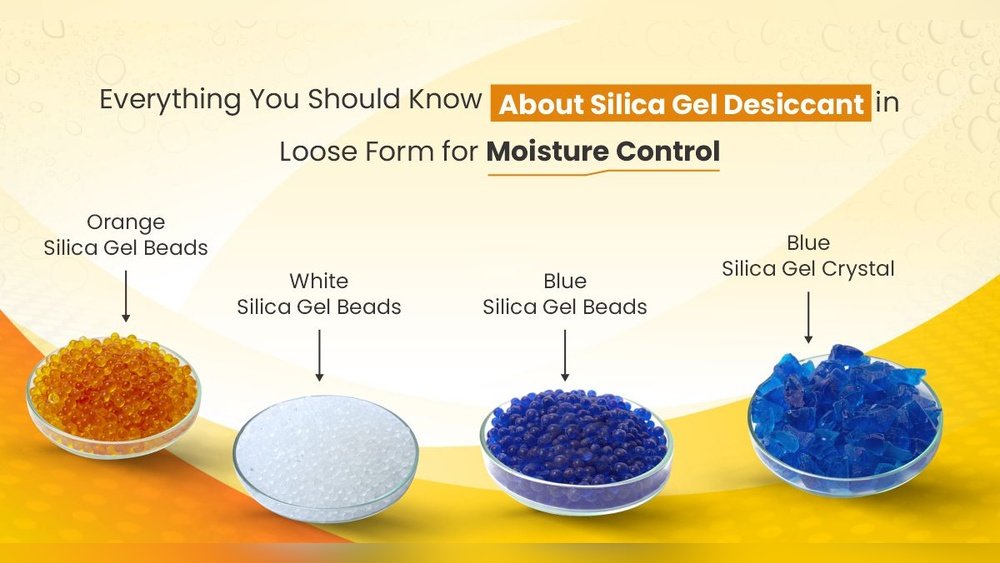
Silica gel is made from silicon dioxide, a natural substance. It appears as small, hard beads or granules. These beads are porous, meaning they have many tiny holes. This gives silica gel a large surface area. It is non-toxic and chemically stable. Silica gel does not dissolve in water.
Common Uses
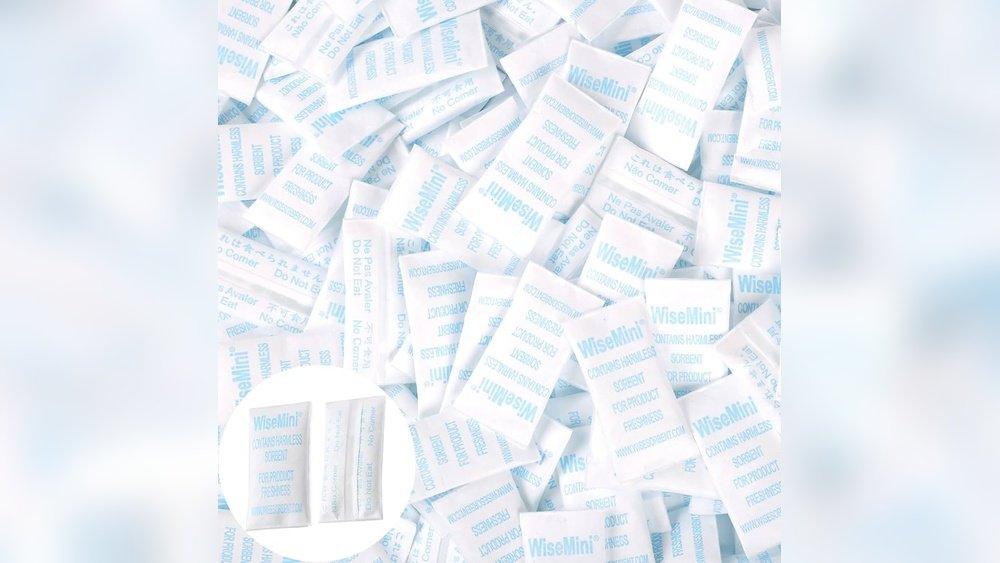
Silica gel is often found in small packets inside product packaging. It protects electronics, shoes, and medicines from moisture. It also helps preserve food by absorbing humidity. Museums use it to keep artifacts dry. It is useful anywhere moisture can cause damage.
Absorption Mechanism
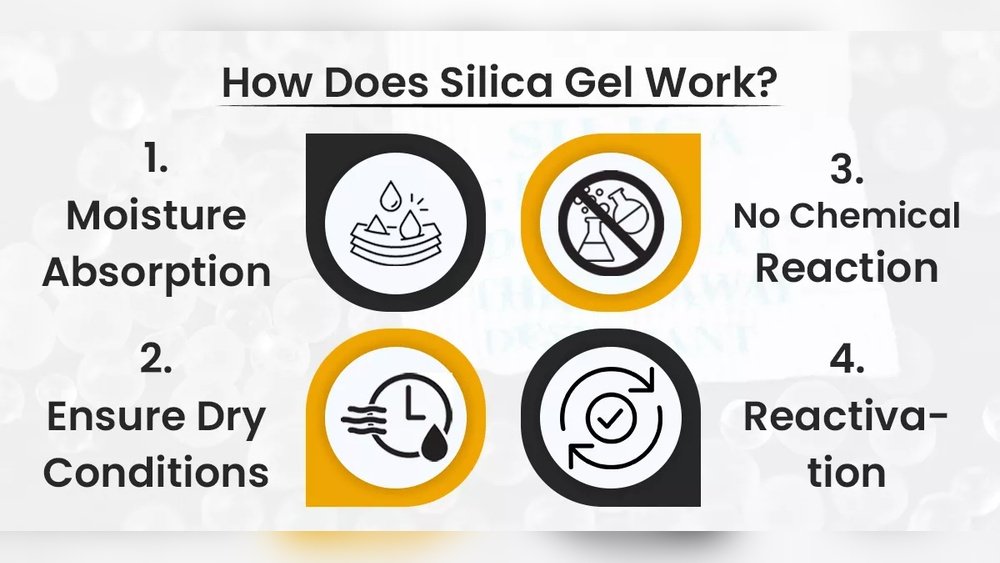
Silica gel absorbs moisture through its porous surface. Water vapor sticks to the tiny holes in the beads. This process is called adsorption. The moisture stays trapped inside the gel. The gel can hold about 40% of its weight in water. It does not release moisture unless heated or dried.
Desiccant Clay Essentials
Desiccant clay plays an important role in keeping products dry and safe. It is a natural, eco-friendly option for moisture control. Understanding its features helps you choose the right desiccant for your needs.
Material And Characteristics
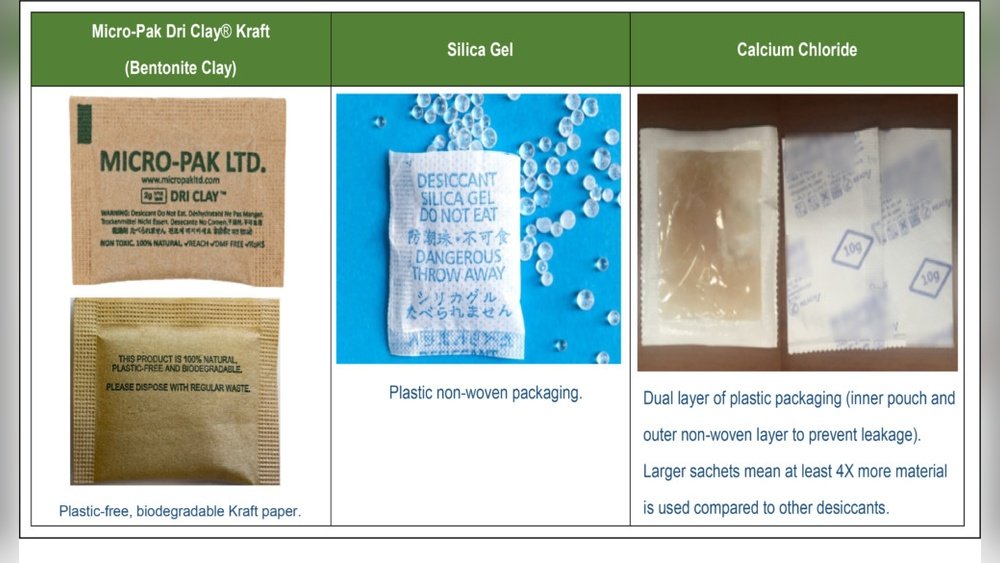
Desiccant clay is made from natural clay minerals. It looks like small, light brown beads or granules. The clay is porous, which allows it to absorb moisture from the air. It is non-toxic and safe for many uses. This clay can hold moisture without breaking down.
Typical Applications
Desiccant clay is used in packaging to protect goods from humidity. It helps keep food, electronics, and medicines dry. People also use it in shipping containers to prevent mold and rust. It works well in places where small moisture control is needed.
Moisture Absorption Process
The clay absorbs moisture through tiny pores on its surface. Water vapor sticks to these pores and gets trapped inside. This process helps lower humidity in closed spaces. Over time, the clay can hold a significant amount of moisture. It stays effective until fully saturated.
Comparing Moisture Control
Controlling moisture is key to keeping products safe and dry. Both silica gel and desiccant clay help remove water from the air. They work differently and offer unique benefits. Understanding these differences helps you choose the right option.
Let’s compare their moisture control abilities under three main points: absorption capacity, regeneration ability, and environmental impact.
Absorption Capacity
Silica gel has a high absorption capacity. It can hold up to 40% of its weight in moisture. It absorbs water vapor quickly and effectively. Desiccant clay absorbs less moisture, about 20-25% of its weight. Its absorption is slower but steady. Silica gel suits situations needing fast drying. Desiccant clay works well for moderate moisture control.
Regeneration Ability
Silica gel can be reused after drying. It releases moisture when heated at 120°C for a few hours. This makes silica gel cost-effective over time. Desiccant clay is harder to regenerate. It needs higher heat and longer drying times. Often, desiccant clay is replaced rather than reused. Silica gel offers easier and faster regeneration.
Environmental Impact
Silica gel is made from silicon dioxide, a natural material. It is non-toxic and safe to handle. However, it is not biodegradable and can create waste. Desiccant clay is a natural, earth-friendly material. It breaks down naturally in the environment. Clay is a better choice for eco-conscious users. Both materials need proper disposal to reduce harm.

Performance In Different Conditions
Silica gel and desiccant clay both absorb moisture but behave differently under various conditions. Understanding their performance helps choose the right option for your needs. Each type reacts to temperature, humidity, and safety factors in unique ways.
Temperature And Humidity Effects
Silica gel works best in moderate to high humidity. It absorbs moisture quickly and releases it when heated. It can handle temperatures up to about 120°C without losing effectiveness. Desiccant clay performs well in low to moderate humidity. It works slower than silica gel but is stable at higher temperatures, sometimes up to 200°C. Clay absorbs moisture better in dry environments but may become less effective in very humid places.
Durability And Lifespan
Silica gel can be reused many times after drying. Its lifespan depends on exposure to moisture and heat cycles. It stays effective until fully saturated with water. Desiccant clay also lasts long but may crumble over time. It is less flexible for reuse compared to silica gel. Clay suits one-time use or environments with steady humidity levels.
Safety Considerations
Silica gel is generally safe but may contain additives that are toxic if swallowed. It often comes with warning labels. Desiccant clay is natural and non-toxic. It is safe around food and plants. Both should be kept away from children and pets to avoid accidental ingestion. Proper handling and disposal are important for safety.
Cost And Availability
Cost and availability play a key role in choosing between silica gel and desiccant clay. Both materials serve to keep things dry, but their price and ease of purchase vary. Understanding these differences helps in making the right choice for your needs.
Price Differences
Silica gel usually costs more than desiccant clay. The manufacturing process for silica gel is more complex. This adds to its price. Desiccant clay is made from natural minerals. This makes it cheaper to produce. For large quantities, clay is often the budget-friendly option.
Market Accessibility
Silica gel is widely available in many stores and online shops. It is popular for small packaging and electronics. Desiccant clay is also easy to find but more common in bulk supplies. Some regions may have limited access to silica gel. Clay is often sold by industrial suppliers. Both are generally easy to buy, but location matters.

Choosing The Right Desiccant
Choosing the right desiccant depends on the specific needs of your project. Both silica gel and desiccant clay remove moisture but work best in different settings. Understanding their strengths helps you pick the best option for your items or environment.
Consider factors like moisture level, storage time, and material type. This ensures better protection and longer shelf life for your products.
Application Suitability
Silica gel is ideal for electronics and sensitive equipment. It absorbs moisture quickly and keeps items dry without damage. Desiccant clay suits food packaging and heavy-duty uses. It works well in high humidity and for longer storage times. Choose based on the item’s fragility and moisture exposure.
Handling And Disposal Tips
Handle silica gel carefully; avoid ingesting it. It is non-toxic but not edible. Desiccant clay is natural and safe to handle. Dispose of both desiccants according to local waste rules. Reuse silica gel by drying it in the sun or oven. Proper care extends their usability and protects the environment.
Frequently Asked Questions
What Is The Main Difference Between Silica Gel And Desiccant Clay?
Silica gel is a synthetic, porous form of silicon dioxide. Desiccant clay is a natural, absorbent material. Silica gel absorbs moisture chemically, while clay absorbs physically. Silica gel is reusable; clay is often disposable. Both control humidity but differ in composition and efficiency.
Which Desiccant Is More Effective For Moisture Control?
Silica gel is generally more effective due to its higher absorption capacity. It can absorb up to 40% of its weight in moisture. Desiccant clay absorbs less moisture but is cost-effective. Choose silica gel for sensitive items and clay for general use.
Are Silica Gel And Desiccant Clay Safe For Packaging?
Both are safe for packaging but should not be ingested. Silica gel is non-toxic and chemically inert. Desiccant clay is natural and eco-friendly. Always keep packets away from children and pets to avoid accidental swallowing.
Can Silica Gel And Desiccant Clay Be Reused?
Silica gel can be reused after drying it in an oven. Desiccant clay has limited reuse potential and degrades faster. Reusing silica gel saves cost and reduces waste. Clay is mostly single-use due to its natural composition.
Conclusion
Silica gel and desiccant clay both absorb moisture but work differently. Silica gel handles moisture quickly and can be reused. Desiccant clay is natural and often cheaper but absorbs slower. Choosing the right one depends on your needs and budget.
Both protect items from damage caused by humidity. Understanding these differences helps you pick the best option. Keep your belongings dry and safe with the right desiccant. Simple choices lead to better protection.