If you live in a flood-prone area, keeping your ammo safe is more important than you might think. Water damage can ruin your ammunition, making it unsafe or useless when you need it most.
You might not realize how quickly flooding can happen, or how easily your ammo can get damaged if it’s not stored correctly. You’ll discover simple, effective ways to protect your ammo from floods. By following these tips, you’ll keep your supplies secure and ready—giving you peace of mind no matter what the weather brings.
Keep reading to learn how to safeguard your ammo before the next flood hits.

Risks Of Flooding For Ammo Storage
Flooding creates many risks for storing ammunition safely. Water can reach storage areas quickly during heavy rains or rising rivers. This exposure can cause serious damage to ammo and create dangers around your home or business. Knowing the risks helps you prepare better and keep your ammo safe.
Water Damage Effects
Water can soak into ammo boxes and packaging. This causes the metal parts to rust and weaken. Paper labels and instructions can become unreadable. Dampness also damages the gunpowder inside cartridges. Wet ammo may fail to fire or become unsafe to use.
Chemical Deterioration
Water exposure starts chemical changes in gunpowder and primers. These chemicals break down and lose effectiveness. Corrosion may form on metal components inside the ammo. This reduces reliability and can cause misfires or explosions. Chemicals leaking from damaged ammo harm the environment too.
Safety Hazards
Flooded ammo storage increases risk of accidental discharge. Damaged ammo can explode unexpectedly when handled. Rusty containers may break, spreading hazardous materials. Standing water mixed with ammo chemicals creates toxic conditions. Flooded storage areas can become unsafe for people and pets.
Choosing Flood-resistant Storage
Floods can cause serious damage to ammunition. Choosing the right storage helps protect your ammo from water and moisture. Flood-resistant storage keeps your ammunition dry and safe. It also prevents rust and deterioration. Proper storage extends the life of your ammo and keeps it ready for use.
Several storage options resist water and flooding. Each has features that suit different needs and budgets. Understanding these options helps you pick the best one.
Waterproof Containers
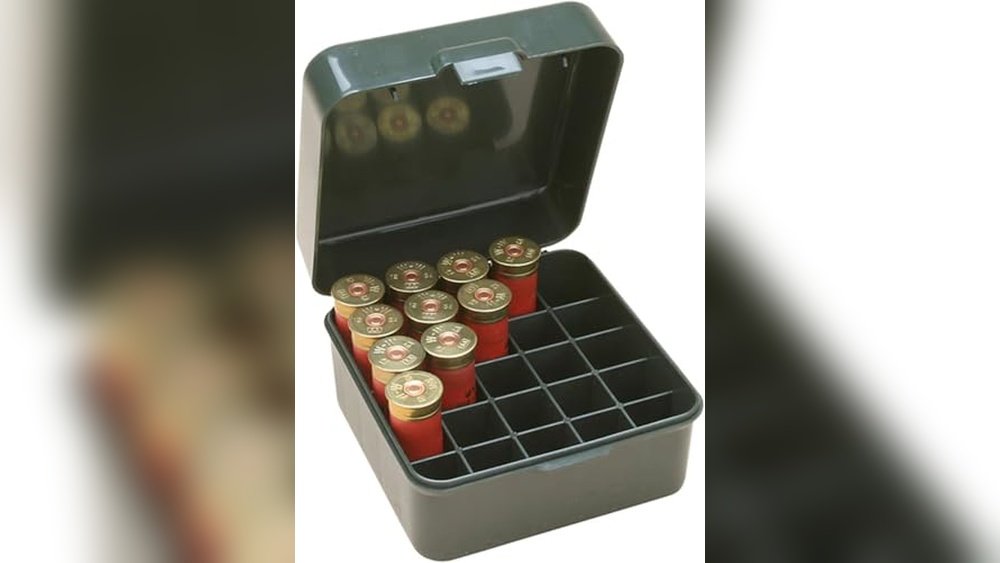
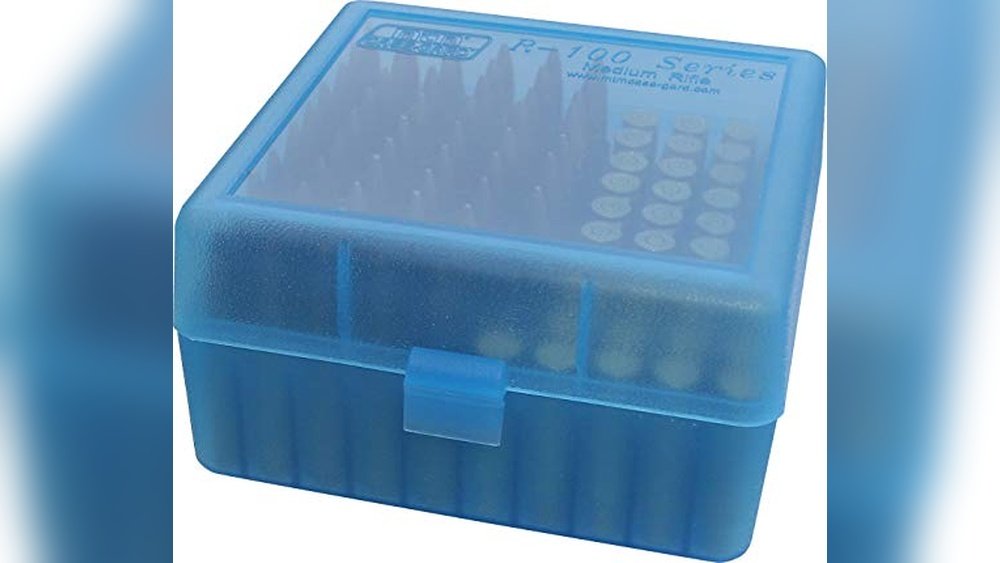
Waterproof containers are airtight and block water entry. They come in plastic or metal with tight seals. These containers keep moisture and dirt out. Choose containers with strong locks for extra safety. They are easy to carry and store in small spaces. Waterproof containers protect ammo during floods and heavy rain.
Elevated Storage Solutions
Elevated storage raises ammo above flood levels. Use shelves, racks, or pallets to lift containers off the floor. This method reduces the risk of water damage. Elevation also improves air circulation around the ammo. It is a simple and low-cost way to protect ammo in flood-prone areas. Combine elevation with other storage types for better results.
Sealed Cabinets
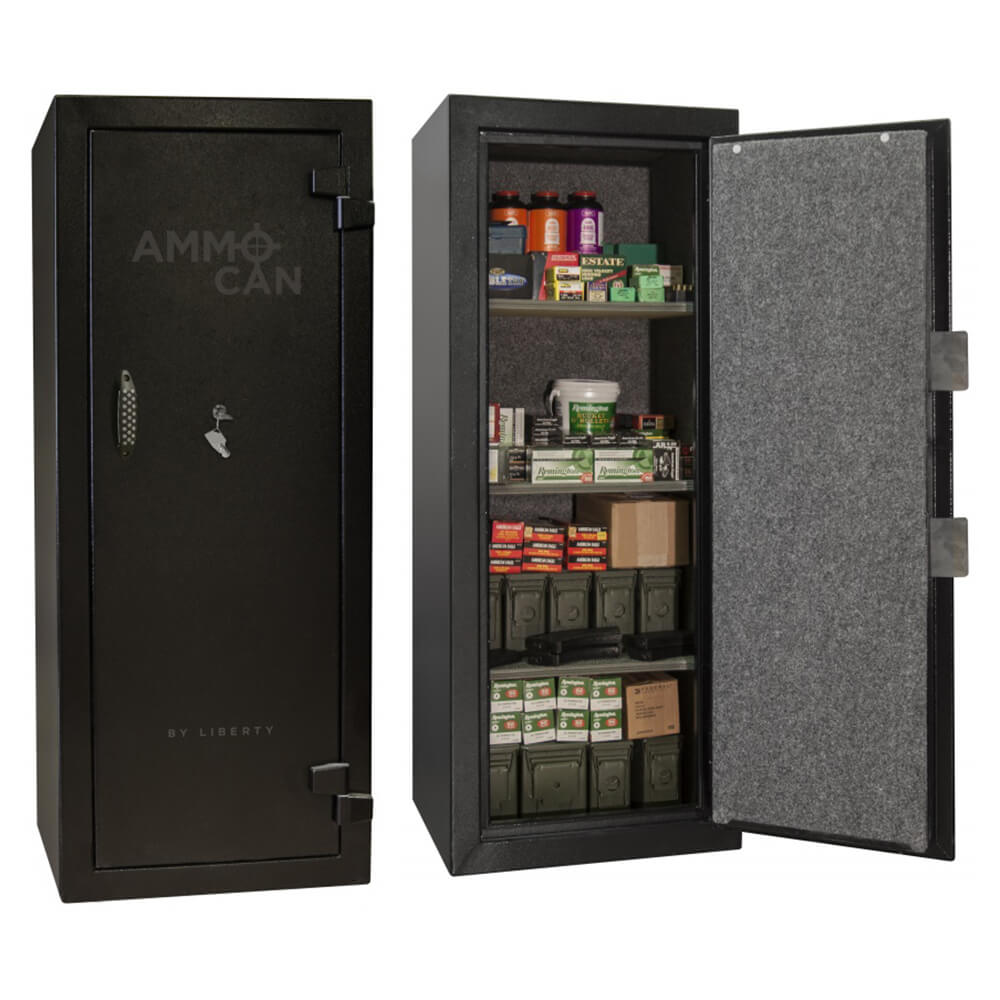
Sealed cabinets offer a strong barrier against water and dust. These cabinets often have rubber gaskets to keep water out. They can be locked for security and safety. Sealed cabinets come in various sizes for home or outdoor use. They provide a sturdy and reliable option for storing ammo safely. Look for rust-resistant materials to enhance durability.
Preparing Ammo For Flood Conditions
Preparing ammunition for flood conditions is crucial for safety and performance. Water can damage ammo and make it unsafe. Taking steps to protect your ammo ensures it stays dry and functional. Proper preparation helps prevent rust, corrosion, and misfires. Here are some key methods to prepare ammo for flood-prone areas.
Proper Packaging Techniques
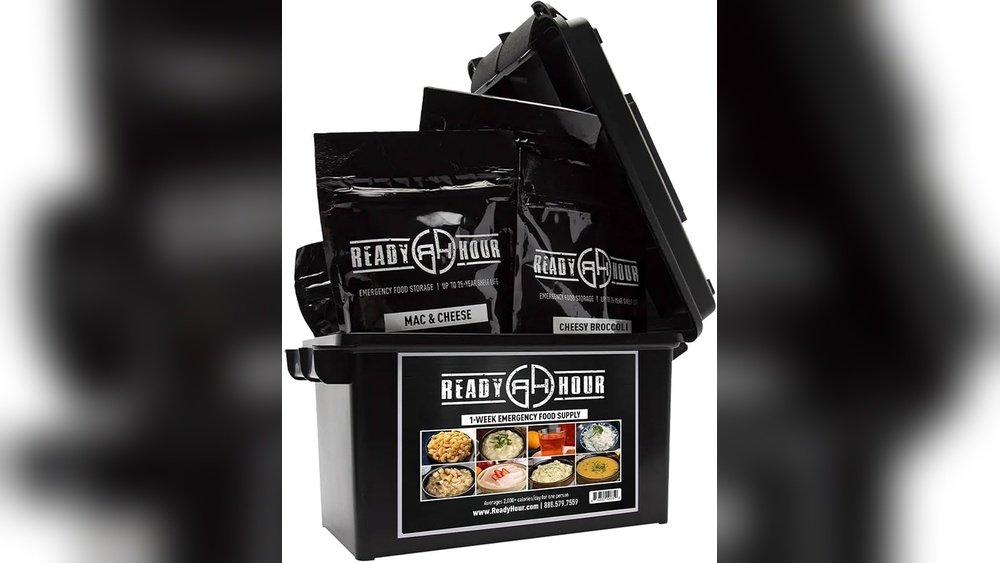
Use waterproof containers to store your ammunition. Plastic or metal ammo cans with tight seals work best. Wrap individual boxes in plastic bags for extra protection. Avoid cardboard boxes alone; they absorb water quickly. Elevate storage containers above floor level to reduce flood risk.
Using Desiccants And Moisture Absorbers
Place silica gel packets inside ammo containers. These absorb moisture and keep the air dry. Replace desiccants regularly to maintain effectiveness. Activated charcoal and other moisture absorbers also help reduce humidity. Keep some moisture control inside each storage box.
Labeling And Inventory Management
Label each container clearly with ammo type and date stored. Keep a detailed inventory list outside the storage area. Track ammo condition and replace old or damaged rounds promptly. Proper labels help you find ammo quickly after a flood. Regular checks improve safety and readiness.
Safe Storage Location Tips
Storing ammunition safely in flood-prone areas is crucial. Choosing the right location helps protect your ammo from water damage and keeps it secure. Follow these simple tips to find the best spot for your ammo storage.
Selecting High Ground Areas
Pick a storage place on high ground. This reduces the risk of flooding. Higher areas stay dry longer during heavy rains. Look for spots away from rivers or drainage paths. This choice helps keep your ammo safe and dry.
Avoiding Basements And Low-lying Spaces
Basements and low spots collect water quickly. Avoid these areas to protect your ammo. Water can cause rust and damage to cartridges. Even small leaks can harm your ammunition. Choose dry, elevated places instead.
Securing Storage Rooms
Use strong, waterproof containers inside the storage room. Lock the room to prevent unauthorized access. Make sure the area is well-ventilated to avoid moisture buildup. Check the storage regularly for any signs of water or damage.
Emergency Procedures During Floods
Floods can cause serious damage to ammunition and storage areas. Knowing what to do during a flood is very important. Quick actions can protect your ammo and keep you safe. Follow clear steps to handle your ammunition during floods.
Quick Relocation Methods
Move your ammo to higher ground as soon as possible. Use waterproof containers or bags to protect it. Avoid carrying heavy loads at once; make multiple trips if needed. Keep a flashlight and gloves handy for safety. Secure the storage area to prevent water from entering.
Post-flood Ammo Inspection
Check your ammo carefully after the flood water recedes. Look for signs of rust, corrosion, or water damage. Do not use ammo that looks wet or damaged. Dry the storage area completely before returning any ammo. Store inspected ammo in a clean, dry place.
Disposal Of Damaged Ammunition
Dispose of damaged ammo safely and properly. Contact local authorities or hazardous waste centers for guidance. Never throw damaged ammo in regular trash. Avoid handling damaged ammo roughly to prevent accidents. Follow all safety rules to protect yourself and others.
Maintenance And Regular Checks
Proper maintenance and regular checks of ammunition storage are crucial in flood-prone areas. Water and moisture can damage ammo and make it unsafe. Regular upkeep helps spot problems early and keeps your ammo in good condition. This section explains how to maintain your ammo storage safely and effectively.
Routine Inspection Schedules
Set a schedule for checking your ammo storage. Inspect it at least once a month or after heavy rain. Frequent checks catch issues before they get worse. Keep a log of inspection dates and findings. This helps track changes and plan repairs.
Signs Of Damage To Watch For
Look for rust on metal parts and corrosion on ammo boxes. Check for dampness or water stains inside the storage. Smell for mold or mildew odors. Notice any bulging, dents, or cracks on containers. These signs mean your ammo might be unsafe.
Preventive Upkeep Strategies
Use waterproof containers and seal all openings tightly. Add silica gel packs to absorb moisture. Elevate storage off the ground to avoid floodwater contact. Repair any cracks or leaks immediately. Keep the storage area clean and dry to prevent damage.
Legal And Safety Compliance
Safe ammo storage in flood-prone areas needs strict legal and safety compliance. It protects people, property, and the environment. Knowing the rules helps avoid fines and dangers. Understanding local laws and safety codes is essential. Insurance policies may require certain storage methods. Meeting all these requirements ensures proper care of ammunition during floods.
Local Regulations On Ammo Storage
Local rules vary widely by city and state. Some places ban storing ammo in basements or flood zones. Others require locked, waterproof containers. Authorities may limit the amount of ammunition stored at home. Check with local fire departments or law enforcement for details. Following these rules keeps you safe and legal.
Fire And Safety Codes
Fire codes often require ammo to be stored away from heat sources. Use fireproof safes or cabinets designed for ammunition. Proper ventilation is important to reduce risks. Avoid storing ammo near flammable materials. Complying with safety codes reduces fire hazards, especially during floods.
Insurance Considerations
Insurance companies may have specific rules for ammo storage. They might need proof of secure, compliant storage methods. Flood damage claims may be denied without following guidelines. Document your storage setup with photos and receipts. This helps protect your investment and speeds up claims.

Frequently Asked Questions
How Can I Protect Ammo From Flood Damage?
Store ammo in waterproof, airtight containers elevated above flood levels. Use sealed plastic bins and desiccants to prevent moisture buildup. Avoid basements or low-lying areas prone to flooding. Regularly inspect storage for leaks or dampness to ensure ammo remains dry and safe.
What Materials Are Best For Flood-proof Ammo Storage?
Use heavy-duty plastic or metal containers with tight seals for flood protection. Waterproof ammo cans and ammo storage boxes with rubber gaskets work well. Avoid cardboard or fabric that absorbs water. Combine with moisture absorbers to keep ammo dry during floods.
Where Is The Safest Place To Store Ammo In Floods?
Store ammo on high shelves or upper floors away from flood zones. Avoid basements or ground-level rooms prone to water intrusion. Consider secure, elevated cabinets or safes designed for moisture resistance. Location choice minimizes flood risk and keeps ammo safe and accessible.
Can Flooding Ruin Ammunition Reliability?
Yes, floodwater can damage ammo components and reduce performance. Moisture causes corrosion on metal parts and degrades gunpowder quality. Wet ammo may misfire or fail entirely. Proper storage prevents water exposure and preserves ammo reliability during emergencies.
Conclusion
Storing ammo safely in flood-prone areas is very important. Use waterproof containers to keep ammo dry and secure. Choose a high and dry spot for storage. Regularly check your ammo to ensure it stays in good condition. Taking these steps protects your ammo from damage and keeps you safe.
Stay prepared and careful. Safe storage saves you trouble and keeps your supplies ready when needed. Simple actions can make a big difference. Stay safe and protect your ammo well.