Are you tired of digging through piles of loose ammo every time you need it? Organizing ammo in closets or cabinets can save you time, reduce stress, and keep your collection safe.
Imagine opening your storage space and instantly finding exactly what you need—no more frustration, no more mess. You’ll discover simple, effective ways to arrange your ammo so it’s easy to access and well protected. Keep reading to transform your storage and take control of your ammo like a pro.
Choosing The Right Storage
Choosing the right storage for ammo is important for safety and convenience. Proper storage keeps ammo dry, secure, and easy to find. Different options suit different spaces and needs. Understanding these choices helps protect your investment and maintain ammo quality.
Ammo-specific Cabinets
Ammo-specific cabinets offer secure, organized storage designed just for ammunition. These cabinets often have lockable doors to prevent unauthorized access. They include compartments sized for different ammo types. Many cabinets provide protection against moisture and rust. Using a cabinet made for ammo ensures safety and easy access.
Closet Modifications
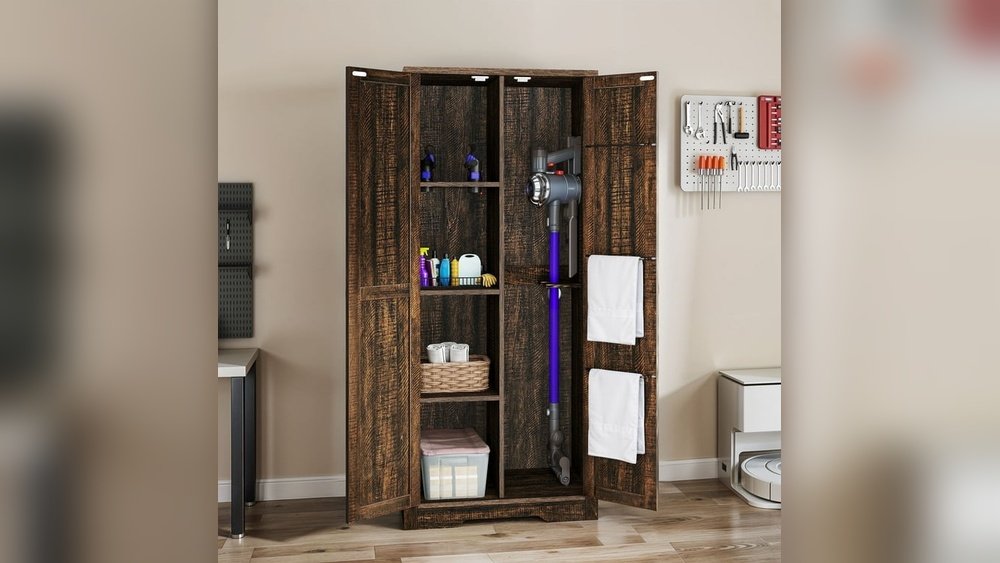
Closets can be adjusted to store ammo safely. Adding shelves or bins helps keep ammo neat and separated. Using waterproof containers inside the closet adds extra protection. Ensure proper ventilation to avoid humidity buildup. Modifying a closet is a flexible way to store ammo if space is limited.
Material Considerations
Material choice impacts ammo storage durability and protection. Steel cabinets resist damage and offer strong security. Plastic containers can be waterproof but may lack strength. Wood shelves need sealing to prevent moisture. Choose materials that match your storage environment and safety needs.

Safety First
Safety is the top priority when organizing ammo in closets or cabinets. Proper storage prevents accidents and damage. It also keeps ammo away from children and pets. Safe storage methods protect your home and family. Follow important guidelines to make your ammo storage secure.
Fireproof Options
Choose fireproof boxes or safes to store ammo. These containers protect ammo from heat and flames. Fireproof options reduce the risk of explosion during a fire. Look for products with good fire resistance ratings. Store ammo inside these containers for added safety.
Childproofing Storage
Keep ammo out of reach of children at all times. Use locked cabinets or safes with strong locks. Avoid storing ammo in easily accessible places. Add childproof locks or alarms for extra security. Teach children about the dangers of ammo and guns.
Proper Labeling
Label each container clearly with ammo type and quantity. Use large, easy-to-read labels for quick identification. Proper labeling prevents mixing different types of ammo. It helps avoid confusion and mistakes during use. Keep labels clean and updated regularly for accuracy.
Organizing Methods
Organizing ammo in closets or cabinets needs clear methods. Good organization saves time and keeps ammo safe. It helps find the right ammo fast. This section explains easy ways to organize your ammo.
Use simple steps for better order and safety. Each method has its own benefits. Choose what fits your space and needs best.
Sorting By Caliber
Sort ammo by caliber for quick access. Grouping by size avoids confusion and mistakes. Use labels to mark each group clearly. Keep similar calibers together to save space. This method helps find ammo fast and reduces errors.
Using Ammo Boxes And Trays
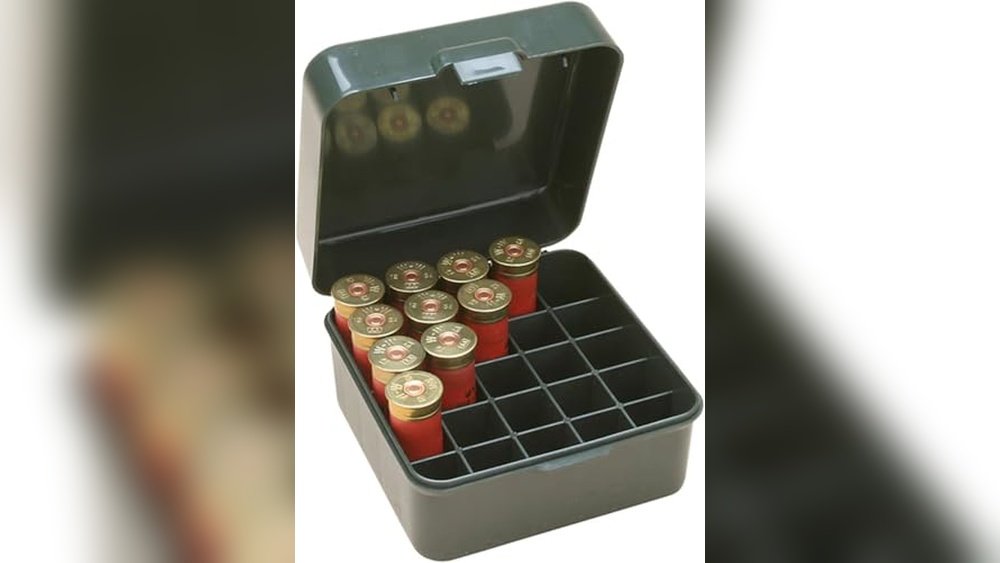
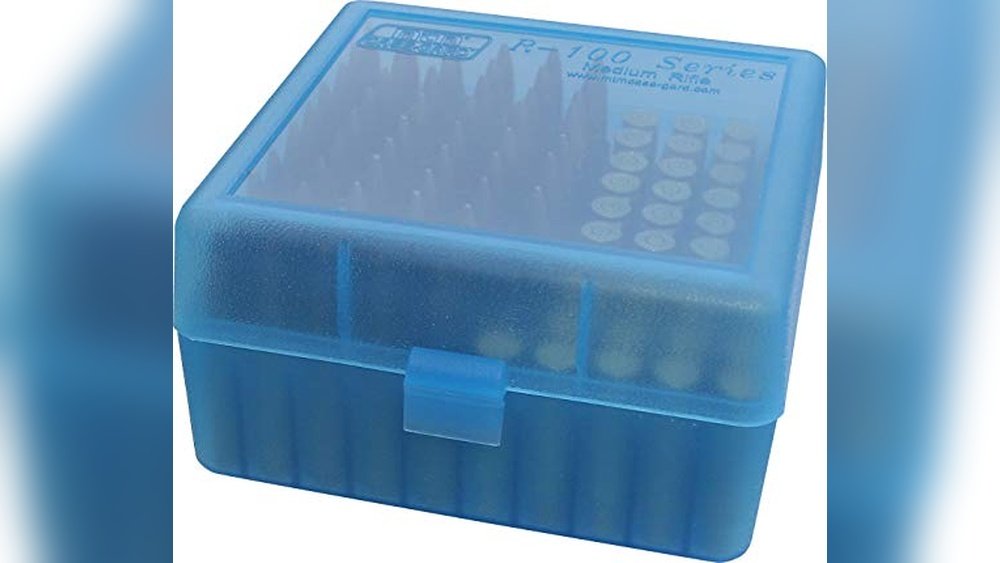
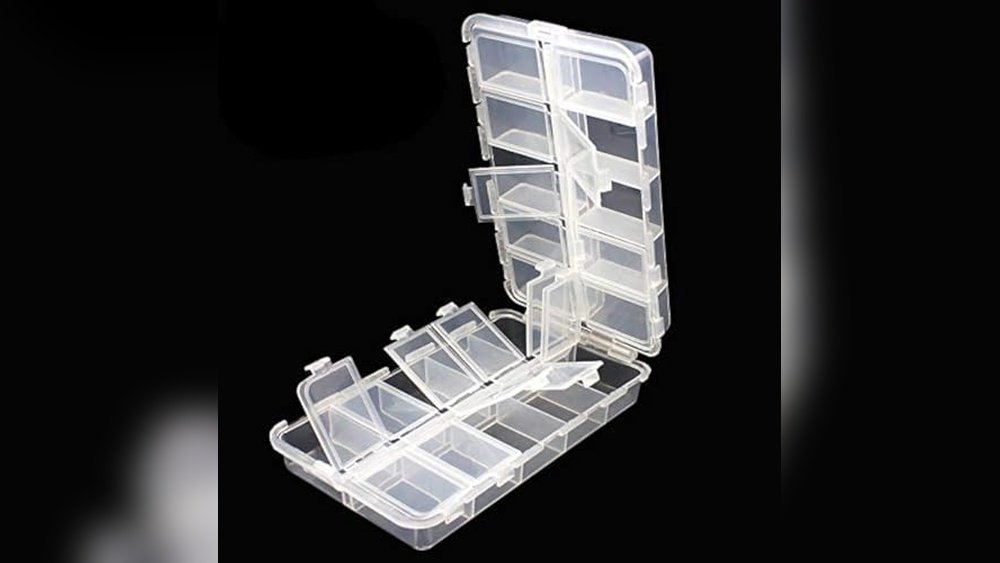
Ammo boxes and trays keep rounds neat and secure. They protect ammo from dust and damage. Choose boxes with compartments for different calibers. Trays help keep rounds upright and easy to grab. These tools make stacking and storing easier.
Vertical Vs Horizontal Storage
Vertical storage saves floor space and fits tall closets. It keeps ammo visible and easy to reach. Horizontal storage works well in wide cabinets. It allows stacking boxes and trays side by side. Pick the style that matches your storage area.
Environmental Controls
Proper environmental control is key to safely storing ammo in closets or cabinets. Ammo lasts longer and works better when stored in the right conditions. Controlling humidity, temperature, and airflow helps keep the ammo stable and reliable.
Humidity Management
Ammo should stay dry to avoid corrosion and damage. Use a dehumidifier or moisture absorbers inside storage areas. Silica gel packs work well to keep moisture low. Check humidity levels regularly and keep them below 50%. High humidity can cause rust and weaken the cartridge cases.
Temperature Stability
Keep ammo at a steady, moderate temperature. Avoid places with extreme heat or cold changes. Sudden temperature shifts can affect the gunpowder inside. Ideal storage temperatures range between 55°F and 75°F. Avoid storing ammo near heaters or windows.
Ventilation Needs
Good airflow helps prevent mold and moisture buildup. Ensure the closet or cabinet has some air circulation. Avoid airtight containers unless combined with moisture control. Ventilation reduces stale air and keeps ammo fresh. Balanced airflow protects your ammo from damage over time.
Maintenance And Inspection
Keeping ammo organized is only half the job. Regular maintenance and inspection are key. They help ensure your ammo stays safe and ready to use. Ignoring this can cause damage or safety issues. A few simple steps can keep your storage in top shape.
Regular Inventory Checks
Count your ammo often. Check for any missing or damaged rounds. Keep a list with dates of checks. This helps spot problems early. Knowing what you have saves time and stress later.
Cleaning Storage Areas
Dust and dirt can harm your ammo. Clean shelves and cabinets regularly. Use a dry cloth to wipe surfaces. Avoid moisture to prevent rust and corrosion. A clean space keeps ammo in good condition.
Disposing Of Old Ammo Safely
Old or damaged ammo is unsafe. Do not throw it in the trash. Find local disposal rules for ammunition. Many places have special drop-off points. Safe disposal protects people and the environment.
Legal And Safety Compliance
Storing ammo safely requires following legal rules and safety practices. Ignoring these can cause serious trouble and danger. Always know the laws where you live. Keep ammo in a secure place away from children and unauthorized people. Safety and legality protect you and others.
Local Storage Laws
Each area has different rules on ammo storage. Some places need locked cabinets or safes. Others limit the amount you can keep at home. Check your city or state regulations carefully. Follow these rules to avoid fines or legal trouble. Keep all ammo in approved containers or boxes. Label storage clearly if required by law.
Transport Regulations
Transporting ammo also needs care and legal compliance. Use proper containers that prevent damage or leaks. Some regions forbid carrying ammo openly in vehicles. Always keep ammo separate from firearms during transport. Know your state and national rules on ammo transport. Secure ammo tightly to prevent movement or accidents.
Safety Training Tips
Learn basic ammo safety to protect yourself and others. Store ammo in cool, dry places to prevent damage. Avoid mixing different types or calibers together. Use a sturdy, locked cabinet or safe for storage. Teach family members about ammo dangers and rules. Regularly inspect ammo and storage for problems. Follow safety steps strictly to prevent accidents.
Frequently Asked Questions
How To Safely Store Ammo In Closets Or Cabinets?
Store ammo in a cool, dry place away from heat and humidity. Use airtight containers or ammo cans to prevent moisture damage. Keep ammo separate from firearms for added safety. Label containers clearly for quick identification and access.
What Are The Best Containers For Organizing Ammo?
Ammo cans, plastic bins with dividers, and lockable storage boxes work best. These containers protect ammo from moisture and physical damage. Choose containers that fit your space and allow easy access. Clear labels improve organization and prevent confusion.
How To Prevent Ammo Corrosion During Storage?
Use silica gel packs or moisture absorbers inside storage containers. Keep ammo in a climate-controlled environment to reduce humidity. Avoid direct contact with metal surfaces that may rust. Regularly inspect stored ammo for signs of corrosion or damage.
Can I Store Different Calibers Together In One Cabinet?
It’s best to store different calibers separately to avoid mix-ups. Use labeled containers or dividers for each caliber. This organization enhances safety and speeds up ammo retrieval. Keeping calibers separate also protects against accidental loading errors.
Conclusion
Organizing ammo in closets or cabinets keeps your space safe and tidy. Use clear labels to find what you need fast. Store ammo away from heat, moisture, and children. Choose sturdy containers that fit your space well. Regular checks help keep everything in good condition.
A neat ammo setup saves time and reduces risks. Simple steps make a big difference in storage safety. Keep your gear ready and easy to access. Safe storage protects both your ammo and your home.