Are you storing your ammo safely? You might not realize it, but keeping ammunition near heat could put you and your loved ones at risk.
You want to protect your supplies and ensure they’re ready when you need them. But how hot is too hot? And what exactly happens to ammo when it’s exposed to heat? Keep reading to discover the surprising facts that could save you from a costly—and dangerous—mistake.
Don’t leave your ammo’s safety to chance. Find out what you need to know right now.
Ammo And Heat Risks
Storing ammunition near heat sources carries risks. Ammo reacts to temperature changes in ways that can affect its safety and performance. Understanding these risks helps keep ammo stable and secure.
How Heat Affects Ammunition
Heat causes the gunpowder inside ammo to become unstable. This can lead to changes in how the bullet fires. The casing may expand or weaken under high temperatures. This weakens the overall strength of the round. Heat can also degrade the primer, which ignites the gunpowder. These changes reduce ammo reliability and accuracy.
Potential Hazards Of High Temperatures
Excessive heat can cause ammunition to explode or ignite accidentally. This creates a serious fire hazard in your storage area. Heat can also cause ammo to leak chemicals or corrode. Damaged ammo is unsafe to use and can cause firearm malfunctions. Keeping ammo away from heat sources is essential for safety.
Safe Storage Conditions
Storing ammunition safely is important for both safety and preserving the ammo’s quality. Ammo can be sensitive to environmental conditions. Heat, moisture, and poor air flow can cause damage or increase risk. Knowing the right conditions helps keep ammo stable and ready to use.
Ideal Temperature Ranges
The best temperature for storing ammo is cool and steady. Aim for a range between 50°F and 70°F (10°C to 21°C). Avoid hot places like near heaters or direct sunlight. High heat can cause the gunpowder to degrade or the casing to weaken. Cold temperatures below freezing can also affect performance. Keep ammo in a place with little temperature change.
Humidity And Ventilation Factors
Humidity can harm ammo by causing rust or corrosion. Keep humidity below 50% to protect metal parts. Use a dry, ventilated storage area to prevent moisture buildup. Avoid airtight containers unless you add moisture absorbers. Good air flow helps keep ammo dry and safe. Check storage areas often for signs of dampness or mold.
Common Storage Mistakes
Storing ammunition safely is crucial to prevent accidents and damage. Many people make simple errors that can lead to serious problems. Understanding common storage mistakes helps keep ammo secure and effective.
Storing Near Heat Sources
Heat can cause ammo to become unstable or even dangerous. Some keep ammo close to heaters, stoves, or direct sunlight. This raises the temperature and risks ignition. Always keep ammo away from any heat source. A cool, dry place is best for storage.
Improper Containers And Locations
Using the wrong container can expose ammo to moisture and corrosion. Ammo boxes must be airtight and sturdy. People sometimes store ammo in plastic bags or cardboard. These do not protect well against humidity or impact. Storing ammo in basements or garages without protection is risky. Choose containers made for ammo storage. A safe, dry spot prevents damage and keeps ammo ready to use.
Signs Of Ammo Damage
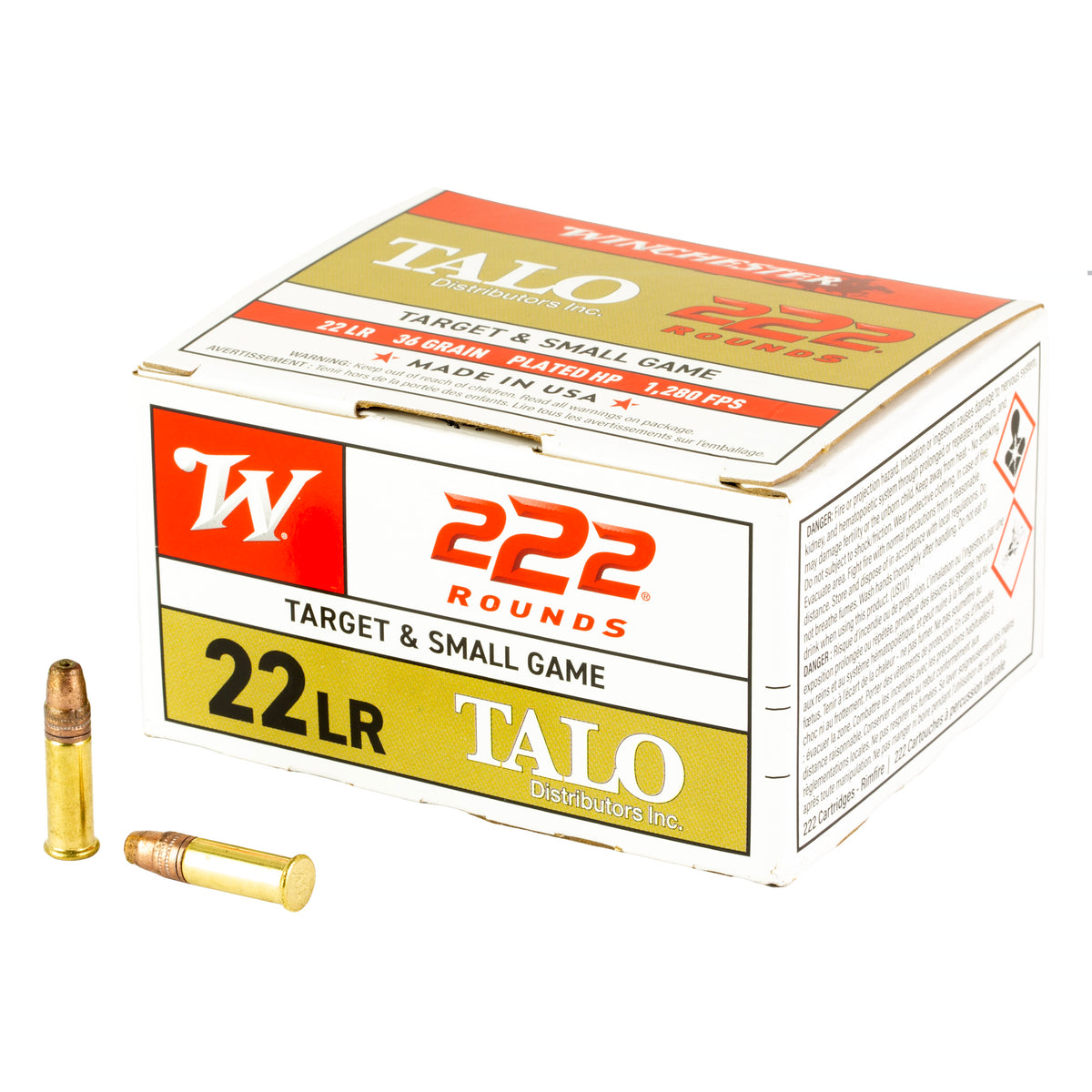
Ammo stored near heat may suffer damage over time. Recognizing signs of ammo damage helps keep you safe. Damaged ammo can misfire or fail. Watch for clear signs before use. This section explains common indicators to check.
Visual Indicators
Look closely at each cartridge. Bulging or leaking cases show damage. Rust or corrosion on the casing is a bad sign. Discolored powder inside may mean heat exposure. Cracked or deformed bullets should not be used. These visible flaws suggest the ammo is unsafe.
Performance Issues
Damaged ammo often causes firing problems. Misfires or failure to ignite are common. Reduced accuracy or strange noises can occur. Excessive smoke or unusual recoil signals trouble. Such problems may result from heat-damaged powder. Always test ammo carefully in a safe area.
Best Practices For Ammo Storage
Proper ammo storage keeps your ammunition safe and reliable. It helps avoid damage and accidents. Following best practices ensures your ammo stays in good condition for years. Let’s explore important tips for storing ammo safely and effectively.
Choosing The Right Storage Spot
Pick a cool, dry place for ammo storage. Avoid areas near heat sources like heaters or direct sunlight. Heat can cause the gunpowder inside ammo to degrade. Moisture can rust the casing and damage bullets. A basement or closet away from pipes and windows works well. Keep ammo off the floor to prevent moisture contact.
Using Protective Cases And Safes
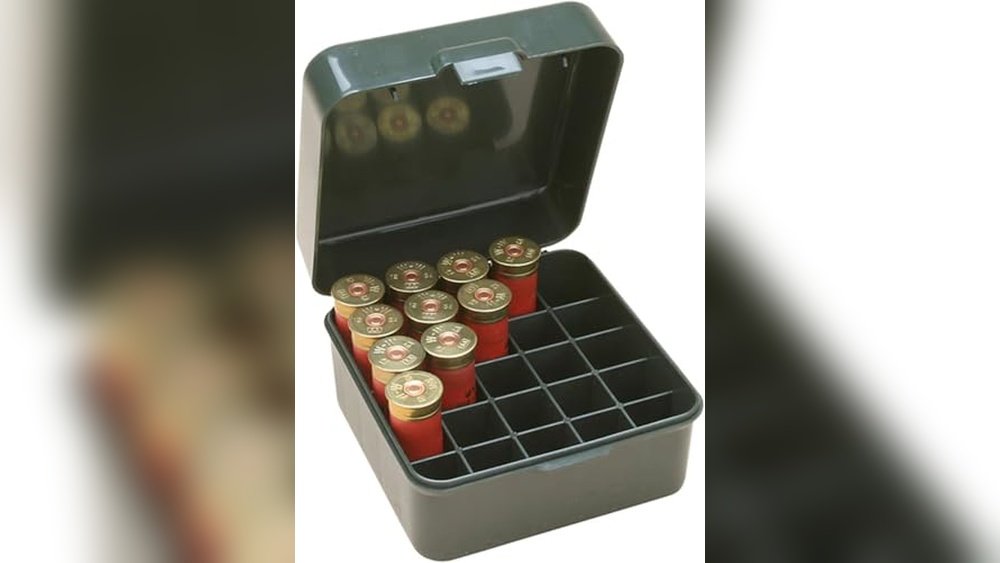
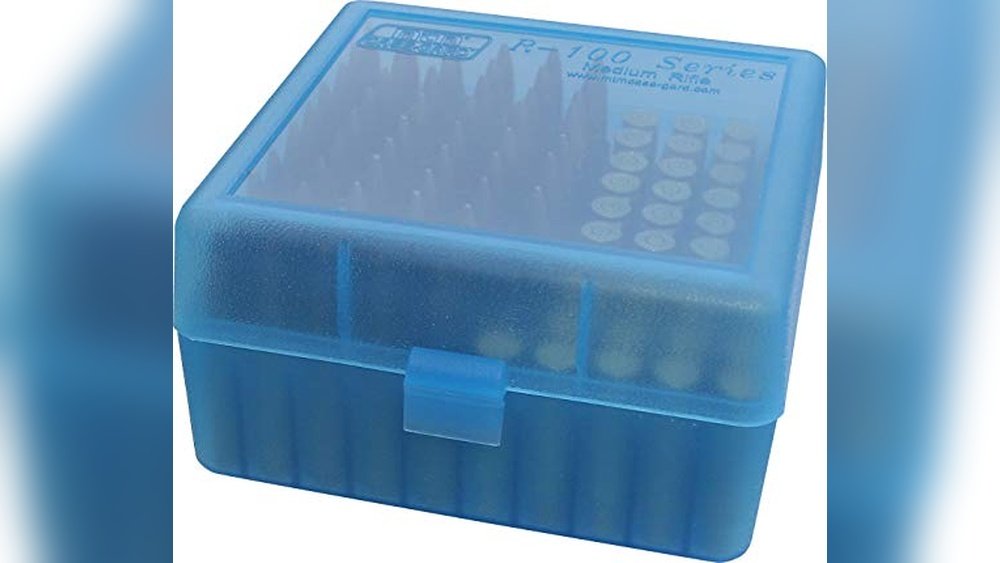
Use sturdy, airtight containers to protect ammo from moisture and dust. Plastic ammo boxes with seals are a good option. Metal cases offer strong protection but may rust if not treated. Ammo safes add security from theft and keep ammo controlled. Label your containers with ammo type and date for easy access.

Emergency Measures
Emergency measures are vital when ammo is exposed to heat. Quick and safe actions help prevent accidents. Knowing what to do can save lives and property. Stay calm and act carefully.
Handling Overheated Ammo
Move away from the heat source carefully. Avoid touching the ammo with bare hands. Place the ammo in a cool, dry area. Do not try to cool it quickly with water. Let it cool down naturally. Keep people and pets away until it is safe. Watch for any signs of damage or smoke.
What To Do In Case Of Fire
Call emergency services immediately. Use a fire extinguisher rated for chemical or electrical fires. Never use water on burning ammo. Evacuate the area quickly and calmly. Warn others around you to leave. Wait for professionals to handle the situation. Do not try to retrieve ammo in flames.
Frequently Asked Questions
Is Storing Ammo Near Heat Sources Unsafe?
Yes, storing ammo near heat sources is unsafe. High temperatures can cause powder degradation and increase explosion risk. Always keep ammunition in a cool, dry place to maintain stability and safety.
How Does Heat Affect Ammunition Lifespan?
Heat accelerates chemical breakdown in ammunition. This reduces reliability and can cause misfires. Proper storage below 80°F helps preserve ammo quality and extends its lifespan.
What Temperature Is Too Hot For Ammo Storage?
Temperatures above 120°F are too hot for ammo storage. Excessive heat can cause primer and powder damage, leading to dangerous malfunctions. Aim for cool, stable environments to ensure ammo safety.
Can Ammo Explode If Exposed To Heat?
Ammo can explode if exposed to extreme heat or fire. While normal heat may not cause detonation, high heat increases pressure inside cartridges, risking accidental ignition. Always store ammo away from heat sources.
Conclusion
Storing ammo near heat can cause serious risks. Heat may damage the powder inside bullets. This damage can lead to misfires or accidents. Keep ammo in a cool, dry place instead. Avoid direct sunlight and sources of heat. Safe storage protects you and those around you.
Treat ammo with care and respect always. Your safety depends on smart storage choices. Remember, better safe than sorry.