Have you ever found those tiny silica gel packets hidden inside new shoes or bags and wondered, “What if my pet gets to them?” If you’re a pet owner, keeping your furry friend safe is your top priority. But when it comes to silica gel, the question is clear: Is it really harmful if your pet touches or even eats it?
You might be surprised by the answer—and understanding it could protect your pet from unexpected risks. Keep reading to find out what you need to know to keep your home safe and your pet healthy.
What Is Silica Gel
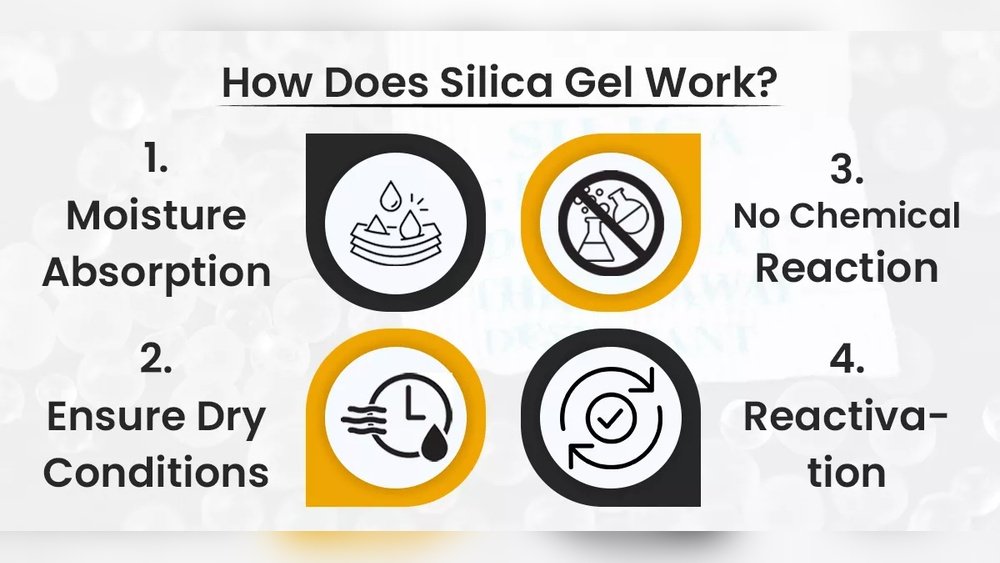
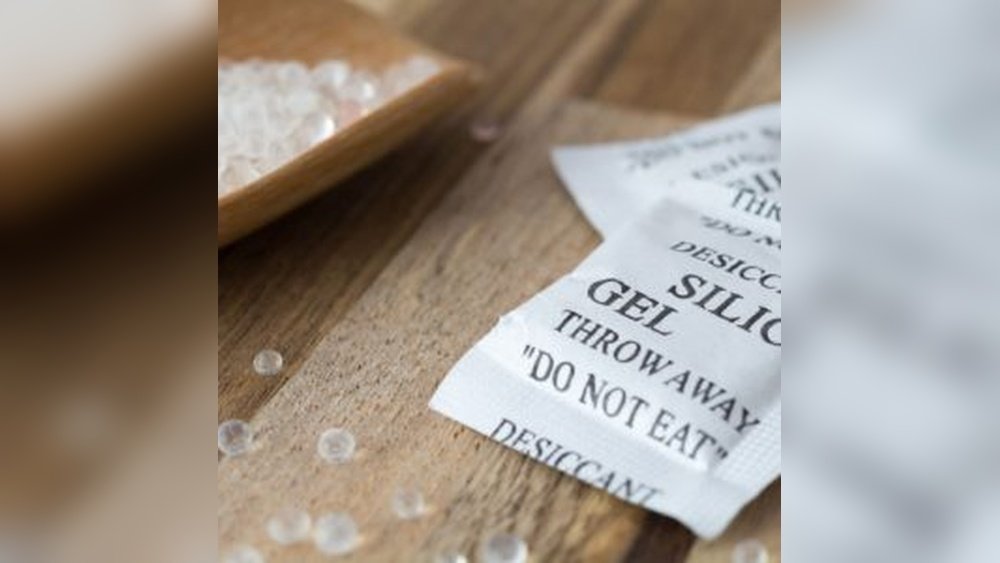
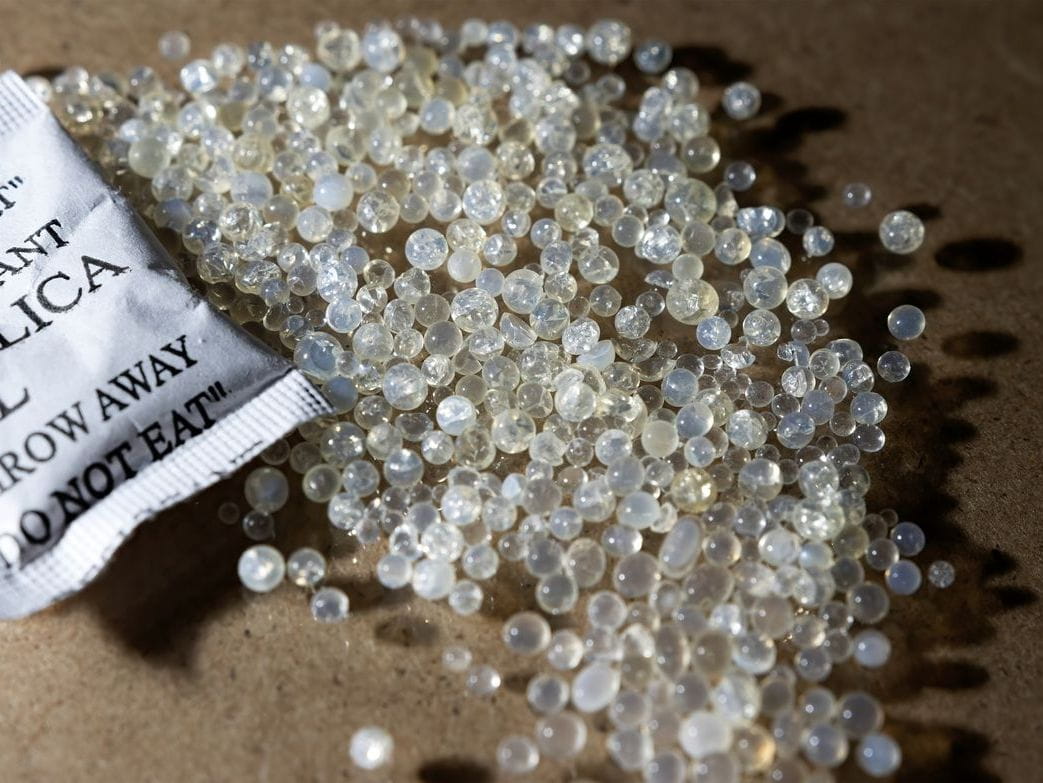
Silica gel is a small, granular substance often found in tiny packets inside product boxes. It looks like small white or clear beads. These beads help keep things dry by absorbing moisture from the air. Silica gel is made from silicon dioxide, a natural material found in sand and quartz. It does not dissolve in water and does not break down easily. This makes it very useful for stopping damage caused by moisture.
Common Uses
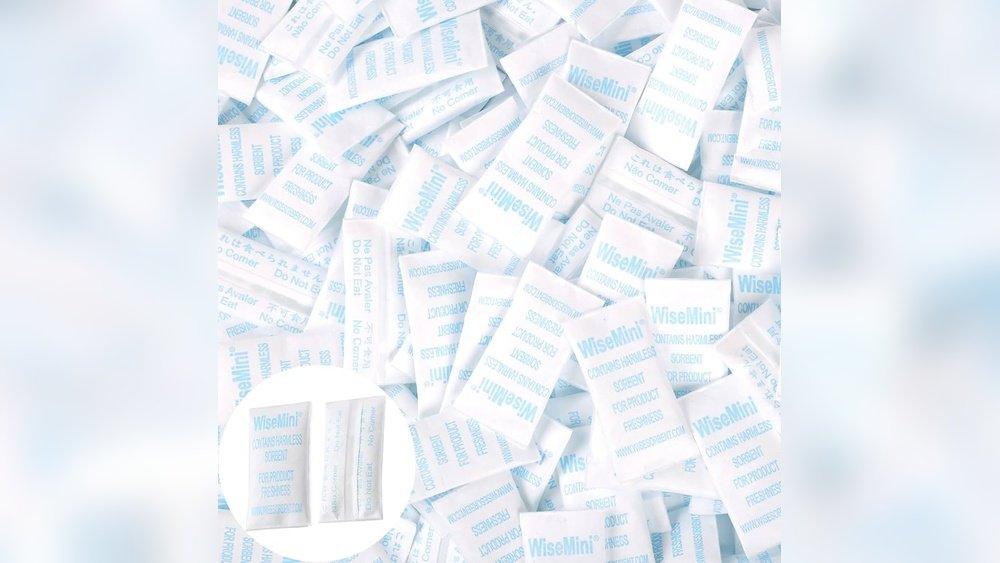
Silica gel packets are common in many products. They are inside shoe boxes to keep shoes dry. Electronics often come with silica gel to protect them from humidity. Food packages sometimes use it to keep snacks fresh. It also helps preserve medicines by keeping moisture away. Many other items, like leather goods and cameras, use silica gel for the same reason.
Types Of Silica Gel
There are different types of silica gel based on their color and purpose. The most common type is white or clear beads. These are non-toxic and safe to touch but not to eat. Some silica gels have color indicators. For example, blue beads turn pink when they absorb moisture. This helps users know when to replace the packets. Another type includes silica gel with added salts for stronger drying power.
Is Silica Gel Toxic To Pets
Silica gel packets are common in many products to keep them dry. Many pet owners worry if silica gel is toxic to their pets. Understanding its effects helps keep pets safe.
Chemical Composition
Silica gel is made from silicon dioxide. It is a solid, porous substance. It absorbs moisture but does not dissolve in water. It is not a chemical poison. Silica gel often comes as small beads inside packets.
Health Risks From Ingestion
Swallowing silica gel beads usually causes little harm. The beads are non-toxic and do not release harmful chemicals. Pets may cough or gag if they swallow many beads. Large amounts can block the stomach or intestines. This can cause serious problems needing veterinary care.
Risks From Skin Contact
Silica gel rarely causes skin problems. It may cause mild dryness or irritation. Pets with sensitive skin can react more. Avoid rubbing silica gel on your pet’s skin. Wash hands and pet’s fur if contact occurs. Monitor your pet for any signs of discomfort.
Symptoms Of Silica Gel Exposure In Pets
Pets may come into contact with silica gel packets accidentally. Understanding the symptoms of silica gel exposure helps in quick action. Pets react differently to eating or touching these packets. Recognizing signs early can prevent serious health problems.
Signs After Eating Silica Gel
Eating silica gel can cause mild to moderate stomach upset. Pets may vomit or have diarrhea. You might notice drooling or a lack of appetite. Some pets show signs of discomfort or restlessness. In rare cases, blockage in the digestive tract can occur. Watch for difficulty in swallowing or unusual behavior.
Skin Reactions To Contact
Silica gel can irritate a pet’s skin if touched. Redness, itching, or swelling may appear on the contact area. Pets may scratch or lick the irritated spot often. Some pets might develop small bumps or dry patches. These reactions usually go away with gentle cleaning. Severe irritation needs veterinary care to avoid infection.
What To Do If Your Pet Eats Silica Gel
Silica gel packets are common in many products. Pets may find them curious and try to eat them. Knowing what to do if your pet eats silica gel can prevent panic. Quick and calm action helps keep your pet safe.
Immediate Actions
Remove any remaining silica gel from your pet’s reach. Check your pet’s mouth for pieces and gently remove if possible. Offer fresh water to help flush out any small particles. Do not make your pet vomit unless a vet advises it. Watch your pet closely for any unusual signs.
When To See A Vet
Visit a vet if your pet shows vomiting or diarrhea. Difficulty breathing or choking is an emergency. Loss of appetite or unusual tiredness also needs a vet’s attention. Even small amounts can cause problems, so better to be safe. Prompt care helps prevent serious health issues.
Preventing Silica Gel Exposure
Preventing silica gel exposure is important for keeping pets safe. Silica gel packets can be found in many products. Pets may chew or swallow them out of curiosity. These packets can cause choking or stomach upset. Taking steps to avoid contact helps protect pets.
Safe Storage Tips
Store products with silica gel packets out of pets’ reach. Use high shelves or closed cabinets. Keep bags sealed tightly after opening. Dispose of used packets immediately in trash bins with lids. Avoid leaving packets on counters or floors. Check new items for hidden silica gel packets before giving to pets.
Pet-proofing Your Home
Block access to areas where silica gel is stored. Use baby gates or doors to restrict pet movement. Remove loose packets from places pets explore. Teach pets to avoid chewing on unknown objects. Provide safe toys and treats to distract pets. Regularly inspect your home for small hazards.
Alternatives To Silica Gel For Pet Owners
Pet owners often worry about the safety of silica gel around their animals. Silica gel packets help keep products dry but can pose risks if pets chew or swallow them. Finding safe alternatives is important to protect curious pets while keeping spaces dry and fresh. Several options exist that reduce moisture without harmful chemicals.
Natural Moisture Absorbers
Natural materials like activated charcoal and baking soda absorb moisture safely. Activated charcoal traps odors and moisture effectively. Place it in breathable bags near damp areas to keep spaces dry. Baking soda also soaks up moisture and neutralizes smells. It is easy to use and safe for pets. These options require regular replacement for best results.
Pet-safe Desiccants
Some desiccants are made with non-toxic ingredients. Clay-based desiccants often use natural minerals safe around pets. They absorb moisture without harmful chemicals. Cornstarch-based desiccants are another safe choice. These products dry the air and protect items without risk. Always check labels to ensure the product is pet-safe before use.

Frequently Asked Questions
Is Silica Gel Toxic To Pets If Ingested?
Silica gel is non-toxic but can cause choking or blockage if swallowed. It’s best to keep it away from pets to avoid risks.
Can Silica Gel Cause Skin Irritation In Pets?
Silica gel usually does not irritate pet skin. However, some pets may have mild reactions. Wash the area if irritation occurs.
What Should I Do If My Pet Eats Silica Gel?
If your pet eats silica gel, monitor for choking or vomiting. Contact your vet immediately for advice, especially if symptoms appear.
Are All Silica Gel Packets Dangerous To Pets?
Most silica gel packets are non-toxic, but some contain additives that may be harmful. Always check the packet label and keep it away from pets.
Conclusion
Silica gel packets are common in many products. Pets may touch or eat them by accident. Usually, silica gel is not toxic but can cause discomfort. It may irritate your pet’s mouth or stomach. Always keep packets away from pets to avoid risks.
Watch your pet closely if they swallow any. Contact a vet immediately for advice. Safe handling helps protect your furry friends. Small steps can prevent big problems. Caring for pets means staying alert and prepared.