Are you tired of dealing with damp clothes, moldy shoes, or damaged electronics caused by high humidity? You’ve probably heard that silica gel packets can help keep things dry.
But how well do they actually work when the air is thick with moisture? If you’ve ever wondered whether silica gel is the right solution for your high-humidity environment, this article is for you. Keep reading to discover the truth about silica gel’s effectiveness and learn how to protect your belongings no matter how sticky the air feels.

How Silica Gel Works
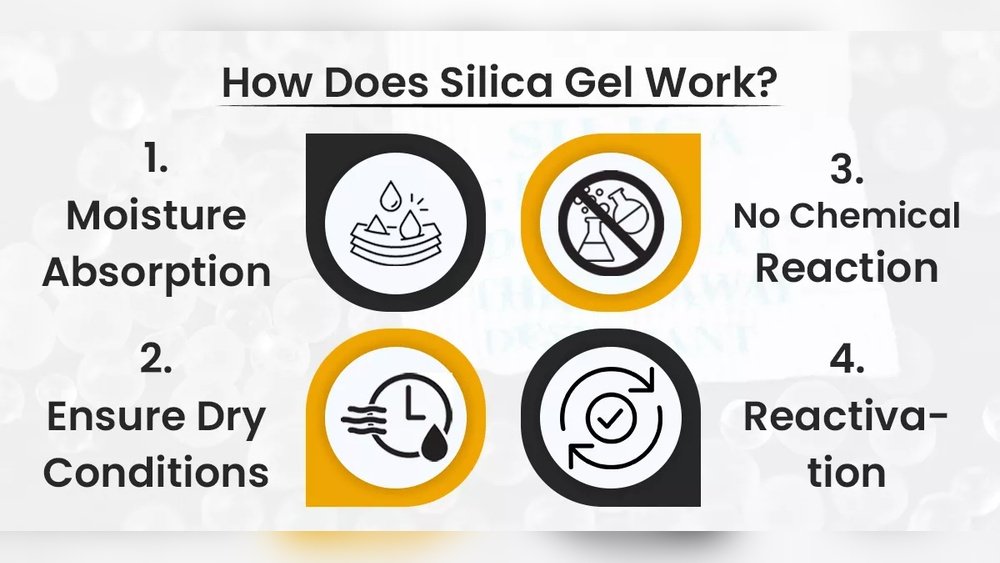
Silica gel is a popular material used to control moisture in many products. It helps keep things dry by trapping water vapor. Understanding how silica gel works reveals why it is useful, especially in places with high humidity.
Absorption Mechanism
Silica gel absorbs moisture through tiny pores on its surface. These pores attract water molecules from the air. The gel holds the water inside its structure, stopping moisture from damaging nearby items. This process is called adsorption, not absorption, because the water sticks to the surface. The gel can hold a large amount of moisture relative to its size.
As the gel collects water, it changes color if it is treated with a special indicator. This helps users know when the gel is saturated and needs replacement or drying.
Types Of Silica Gel
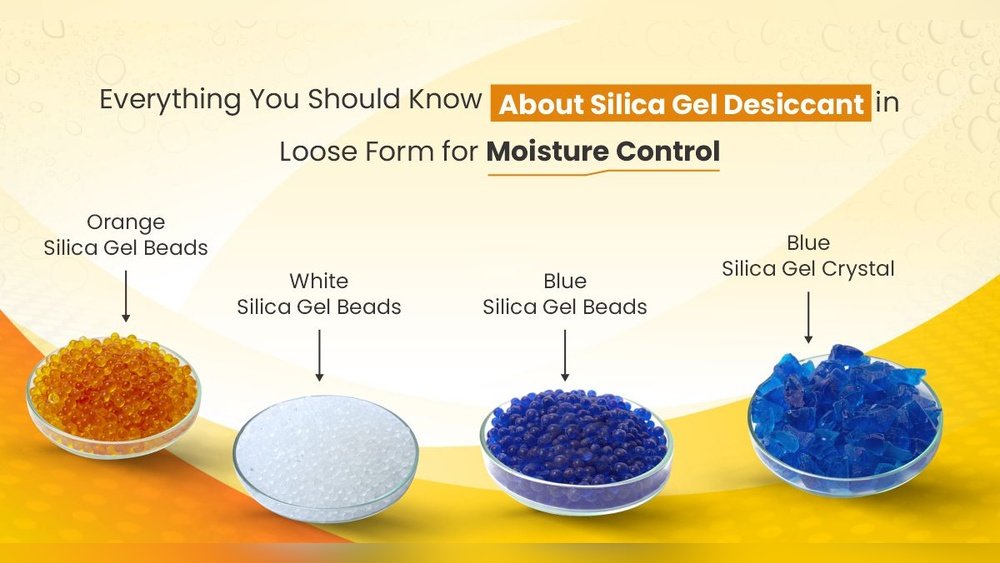
There are different types of silica gel, each designed for specific uses. Some are standard and clear, while others contain a moisture indicator that changes color. The indicator gel turns from blue to pink or orange when full of moisture.
Another type is the food-grade silica gel. It is safe for use near food items and medicines. Industrial-grade gels are used for heavy-duty moisture control, like in electronics and machinery packaging.

Challenges In High-humidity Environments
High-humidity environments create tough conditions for moisture control. Excess moisture can damage items like electronics, leather, and paper. Keeping these items dry is a constant struggle in such climates. Silica gel often helps absorb moisture but faces challenges here.
Understanding these challenges helps in choosing the right moisture control methods. Let’s explore how humidity levels affect silica gel and its limits in these settings.
Humidity Levels And Their Impact
Humidity shows how much water vapor is in the air. High humidity means more moisture to absorb. Silica gel can hold only a certain amount of water. When humidity stays very high for long, silica gel reaches its limit quickly.
In places with constant damp air, silica gel saturates faster. It stops working well until it is dried or replaced. High humidity also speeds up this saturation process. This reduces silica gel’s effectiveness in protecting items.
Limitations Of Silica Gel
Silica gel works by absorbing moisture until full. Once full, it cannot absorb more water. It needs to be dried to regain strength. In high humidity, this drying step is often needed more often.
Silica gel does not remove moisture from the air. It only traps moisture near it. If the air is very humid, the gel’s capacity is not enough. Large or well-ventilated spaces need more or stronger solutions. Silica gel alone may not protect well in these cases.
Performance Of Silica Gel In Humid Climates
Silica gel is widely used to control moisture and protect items from dampness. Its performance in humid climates raises important questions. High humidity means more water vapor in the air, which can challenge moisture absorbers. Understanding how silica gel reacts in these environments helps users decide its usefulness.
Real-world Effectiveness
Silica gel absorbs moisture by trapping water molecules in its pores. In humid climates, the air holds a large amount of water vapor. Silica gel can still absorb moisture but reaches saturation faster. Once full, it loses effectiveness and must be replaced or dried. Many users find silica gel helpful for small, enclosed spaces. For larger areas, it might need frequent renewal to maintain dryness. Its ability to reduce humidity depends on the amount used and space size. Proper packaging and sealing improve silica gel’s performance in humid conditions.
Comparative Studies
Studies compare silica gel with other desiccants like clay and activated charcoal. Silica gel often absorbs moisture more quickly and holds more water. In very humid climates, some alternatives perform better over time. Certain materials regenerate more easily after moisture absorption. Research shows silica gel works best in moderate to high humidity, but not extreme levels. Combining silica gel with other desiccants can improve moisture control. Each material has strengths, depending on humidity and application.
Enhancing Silica Gel Efficiency
Silica gel works well to absorb moisture. Yet, in high-humidity climates, it can reach its limit fast. To keep silica gel effective longer, some steps help improve its performance. Using it smartly makes a big difference.
Simple methods can boost its ability to keep things dry. These tips help silica gel handle tough, wet environments better.
Combining With Other Desiccants
Mixing silica gel with other desiccants raises moisture control power. Clay and activated charcoal are good partners. They absorb moisture differently, covering more ground.
This mix keeps humidity low for longer times. It spreads the workload, so no single desiccant wears out fast. This strategy works well in very humid places.
Proper Storage And Usage Tips
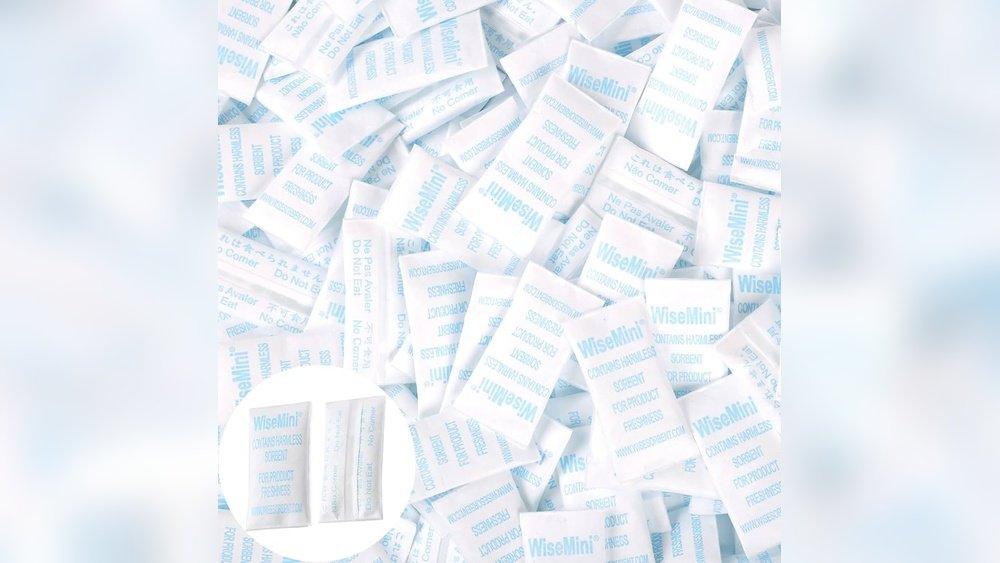
Store silica gel packets in airtight containers before use. Exposure to air makes them lose strength fast. Use fresh packets for best results.
Place packets where air flows but not in direct sunlight. Sunlight and heat can reduce absorption power. Change packets regularly to keep moisture levels low.
Follow package instructions carefully. Using the right amount matters. Overloading a small space will not work well.
Alternative Moisture Control Solutions
Silica gel may not always work well in very humid places. High moisture levels can reduce its ability to absorb water. People need other ways to keep things dry and safe from moisture damage. Some alternatives can handle heavy humidity better and last longer.
Activated Charcoal
Activated charcoal absorbs moisture and bad smells. It works well in damp areas. Charcoal traps water molecules in its tiny pores. It also removes odors caused by mold and mildew. You can place charcoal bags in closets or storage boxes. It is reusable after drying out in sunlight. This makes it a good choice for repeated use in humid climates.
Calcium Chloride
Calcium chloride is a strong moisture absorber. It pulls water from the air quickly. This salt forms a liquid brine as it collects moisture. People use it in containers with holes or mesh covers. It is great for basements, garages, and other very damp places. Calcium chloride works faster and holds more moisture than silica gel. It helps protect items from mold and rust in high humidity.

Environmental And Safety Considerations
Silica gel is popular for keeping things dry, especially in humid areas. Yet, using it safely and disposing of it properly matters a lot. This helps protect the environment and keeps people safe. Understanding the right steps ensures you use silica gel without harm. Below are key points about handling silica gel in high-humidity climates.
Disposal Methods
Silica gel is not toxic but should not be thrown in regular trash carelessly. Avoid flushing it down drains or toilets. The gel can absorb water and swell, causing blockages. The best way is to place used silica gel packets in a sealed bag. Then, throw them in the trash according to local rules. Some places have special recycling or disposal programs. Check with local waste management for guidance.
Health Precautions
Silica gel is generally safe but not meant to be eaten. Keep it away from children and pets. The small beads can cause choking. Avoid inhaling the dust from silica gel packets. It can irritate the nose and throat. If silica gel gets in the eyes, rinse immediately with water. Always wash hands after handling silica gel. Store packets in a cool, dry place out of reach of kids.
Frequently Asked Questions
Does Silica Gel Work Well In Very Humid Environments?
Yes, silica gel absorbs moisture effectively even in high humidity. It traps water vapor, protecting items from dampness and mold. However, in extreme humidity, it may saturate faster and require frequent replacement or reactivation to maintain effectiveness.
How Long Does Silica Gel Last In Humid Climates?
In humid conditions, silica gel typically lasts 1 to 3 months before saturation. Duration depends on humidity levels and gel quantity. Regular monitoring and timely reactivation or replacement ensure continued moisture absorption and protection.
Can Silica Gel Prevent Mold In High Humidity?
Silica gel helps reduce moisture, lowering mold risk in enclosed spaces. It creates a dry environment unsuitable for mold growth. However, it should be combined with proper ventilation for best mold prevention results.
Is Silica Gel Reusable After Moisture Absorption?
Yes, silica gel can be reused by drying it in an oven. Heating removes absorbed moisture, restoring its drying ability. Reuse makes it cost-effective and environmentally friendly, especially in humid climates.
Conclusion
Silica gel can help reduce moisture in humid places. It works best in small, closed spaces like boxes or bags. In very wet conditions, it may need frequent replacement. Using silica gel with other methods improves results. Always store it properly to keep it effective.
This simple tool can protect items from dampness. Choosing the right type matters for high humidity. Keep an eye on moisture levels regularly. Small steps can prevent damage caused by humidity. Silica gel offers a useful way to control moisture.